

Why Discipline At Home Leads To Success In The Boardroom
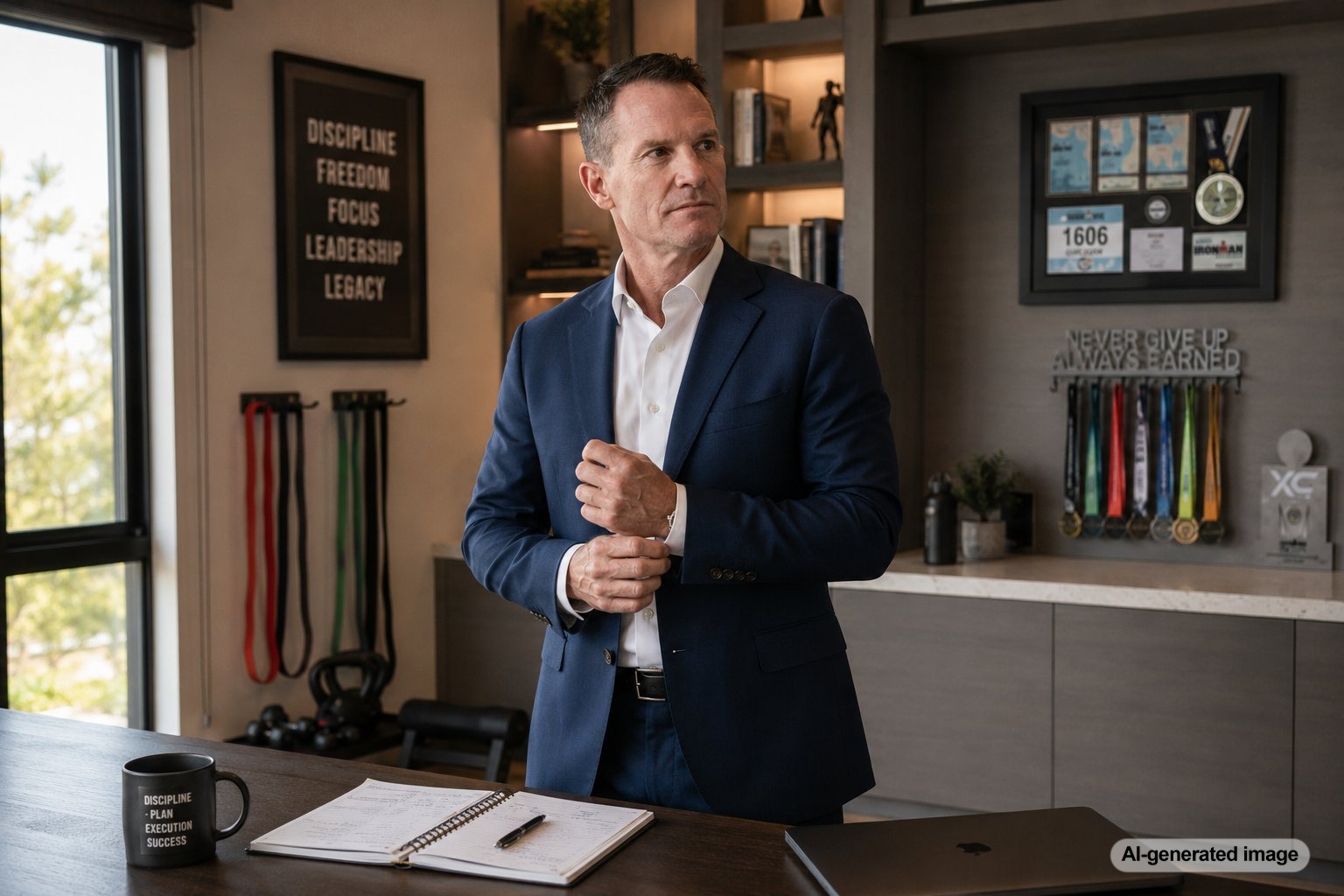
Boardroom performance rarely begins in the boardroom. It is usually shaped in the quieter places where no one is applauding, where the calendar gets tested, the phone keeps buzzing, and the people who matter most still need your full attention. Discipline at home is not about perfection or control. It is about building the kind of consistency that carries into leadership when pressure rises.
For Greg Schaefer, that connection between personal discipline, family, endurance, business, and resilience is not theoretical. His work as a CEO, speaker, endurance athlete, dad, husband, and advocate reflects a simple truth: how we show up in private often trains how we lead in public. You can learn more about that wider story on Greg’s About page.
Quick answer
- Discipline at home teaches follow-through when conditions are not ideal.
- Family life sharpens patience, listening, prioritization, and emotional control.
- Private habits create public credibility because leaders cannot fake consistency for long.
- The boardroom rewards people who can stay steady, make clear decisions, and keep moving when things get hard.
Discipline at home builds the muscle of consistency
Every leader likes the idea of consistency. Fewer people enjoy the daily repetition required to earn it. At home, discipline shows up in small choices: keeping commitments, managing energy, having difficult conversations without avoiding them, staying present after a long day, and doing what needs to be done when nobody is keeping score.
That same muscle is essential in business. A leader who cannot follow through at home will often struggle to follow through at work when the stakes are higher, the audience is larger, and the excuses are more polished. The boardroom does not only test strategy. It tests habits.
Consistency also gives teams confidence. People want to know that their leader will not swing wildly based on mood, pressure, or convenience. The discipline developed at home helps create a steadier presence, and that steadiness becomes especially valuable during change, conflict, or uncertainty.
Home life teaches leaders how to prioritize what matters
One of the biggest leadership mistakes is confusing activity with importance. A full inbox can feel productive. A packed calendar can feel impressive. But leadership is not measured by how busy someone looks. It is measured by whether the right things get attention at the right time.
Home life has a way of stripping away illusions. Family responsibilities force choices. There are only so many hours, only so much attention, and only so much emotional bandwidth. The leader who learns to protect what matters at home often becomes better at separating noise from priority at work.
That skill matters in the boardroom because not every urgent issue is important, and not every loud voice is right. Disciplined leaders learn to pause, sort, choose, and commit. They are less likely to chase every distraction and more likely to stay aligned with the mission.
The boardroom needs emotional control, not emotional absence
Discipline does not mean becoming cold, distant, or robotic. Strong leadership is not about removing emotion from the room. It is about learning how to respond instead of react. Home is often the first and most honest training ground for that.
Family life can test patience in ways no spreadsheet ever will. It asks people to listen when tired, apologize when wrong, stay humble when challenged, and care about someone else’s experience without immediately making it about themselves. Those are not soft skills. They are leadership skills.
In the boardroom, emotional control helps leaders handle disagreement, bad news, pressure, and accountability without making the situation worse. A disciplined leader can be firm without being careless, urgent without being frantic, and honest without being destructive.
Private standards become public credibility
Teams notice more than leaders think they do. They notice whether words and actions match. They notice whether a leader demands standards from others that they do not practice personally. They notice whether discipline is a speech or a way of life.
Discipline at home creates a deeper kind of credibility because it is not performance-based. It is rooted in identity. When a leader practices commitment, patience, and responsibility away from the spotlight, those traits tend to show up more naturally in meetings, negotiations, hiring decisions, and moments of crisis.
This is part of why Greg’s message resonates with organizations and teams. His perspective comes from lived experience across business, endurance sports, family, adversity, and advocacy. For event planners and leaders looking for a grounded message on resilience and forward motion, Greg’s Speaking page outlines how that message can serve an audience.
What leaders often miss about discipline
Discipline is sometimes framed as intensity: earlier mornings, harder workouts, longer hours, more sacrifice. There is value in effort, but sustainable discipline is more mature than constant intensity. It includes recovery. It includes boundaries. It includes knowing when to push and when to protect the people and priorities that keep life whole.
Leaders who ignore home life in the name of success may win some short-term battles while weakening the foundation that supports long-term performance. A burned-out, disconnected, or reactive leader eventually brings that strain into the room. A grounded leader brings something different: clarity, perspective, and a healthier sense of proportion.
That is where discipline becomes more than productivity. It becomes stewardship. Stewardship of time. Stewardship of attention. Stewardship of trust. Stewardship of the example a leader is setting for the people closest to them and the people counting on them professionally.
Practical takeaways for leaders
- Keep promises small enough to keep. Discipline grows when commitments are realistic, clear, and repeated.
- Treat presence as a leadership practice. Being physically home is not the same as being emotionally available.
- Protect recovery before pressure forces it. A leader who never resets eventually leads from depletion.
- Let family life sharpen listening. The best leaders do not only command a room. They learn how to hear what is not being said.
- Measure success beyond the meeting. A full life gives leadership context, humility, and staying power.
FAQ
Does discipline at home mean having a perfect routine?
No. Discipline at home is not about creating a flawless schedule or pretending life is always orderly. It is about returning to commitments, values, and responsibilities even after interruptions, stress, or imperfect days.
How does family discipline affect leadership?
Family life can strengthen patience, communication, prioritization, and accountability. Those same qualities help leaders build trust, guide teams, and make steadier decisions under pressure.
Can personal habits really influence business performance?
Yes. Personal habits shape energy, focus, resilience, and credibility. The way a leader manages commitments outside work often affects how they handle responsibility inside work.
What is the biggest lesson leaders can take from home into the boardroom?
The biggest lesson is that leadership is built before the high-pressure moment arrives. The daily practice of showing up, listening, adapting, and following through prepares leaders for the moments when others are watching.
Interested in bringing Greg’s message to your event or organization?
Learn more about Greg’s speaking work or get in touch to start the conversation.
Contact Greg or learn more about the Forward Motion Fund.
This article is for educational purposes only and is not medical advice. For diagnosis, treatment, or personalized medical guidance, please speak with a qualified healthcare professional.