
Why Even Moderate Drinking Can Hurt The Next Day’s Workout
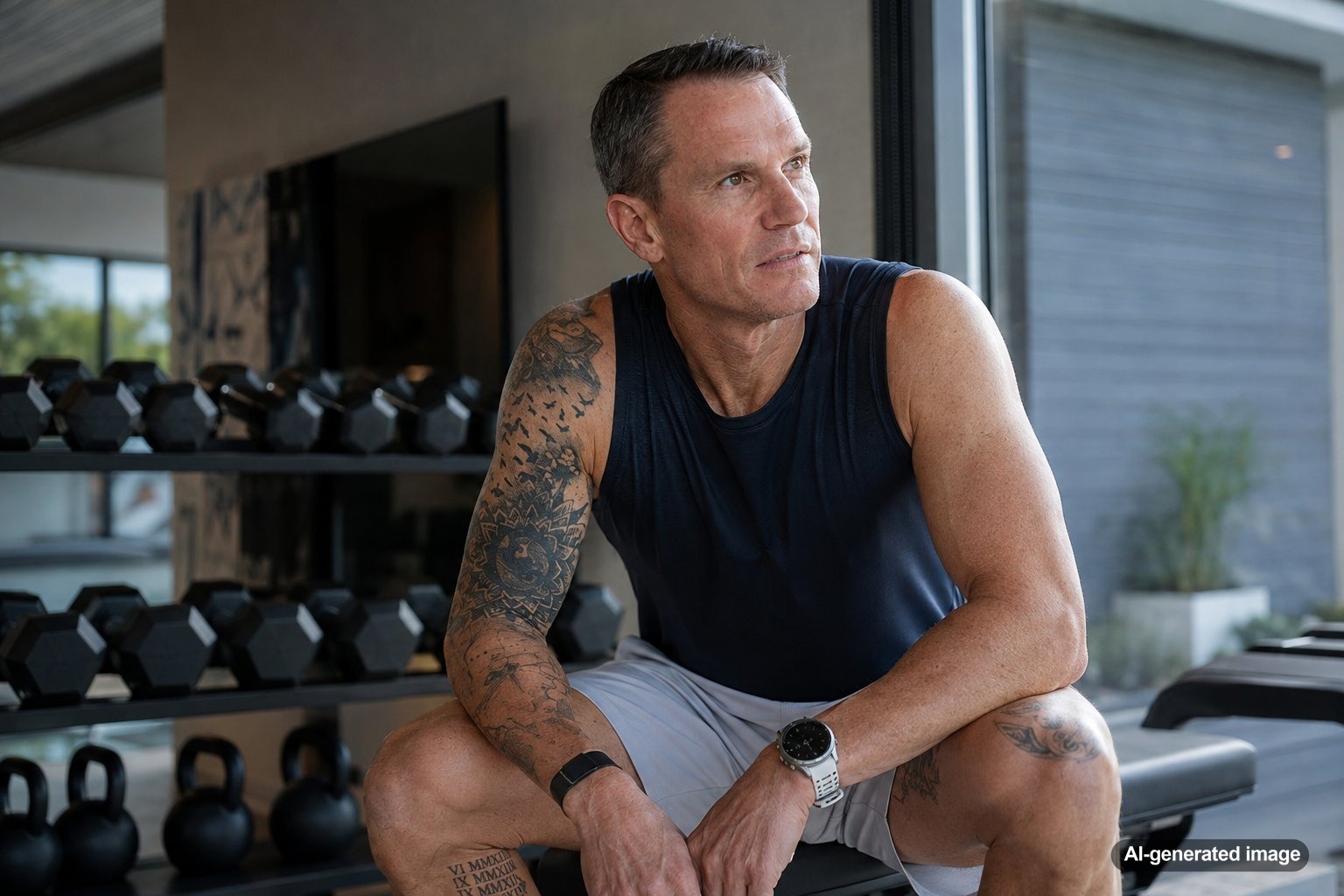
You do not need a dramatic hangover for last night’s drinks to show up in today’s workout. Even when an evening feels moderate and you wake up feeling reasonably normal, alcohol can affect several pieces of the recovery puzzle, including sleep quality, fluid balance, alertness, and the biological processes involved in repairing muscle after training. The result may not be an obviously terrible session. Sometimes it is simply a workout that feels harder than expected, legs that seem unusually flat, slower decision-making, or a lack of the sharpness you normally bring to training.
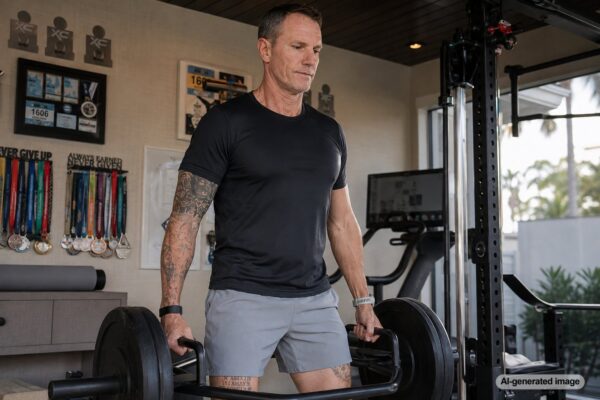
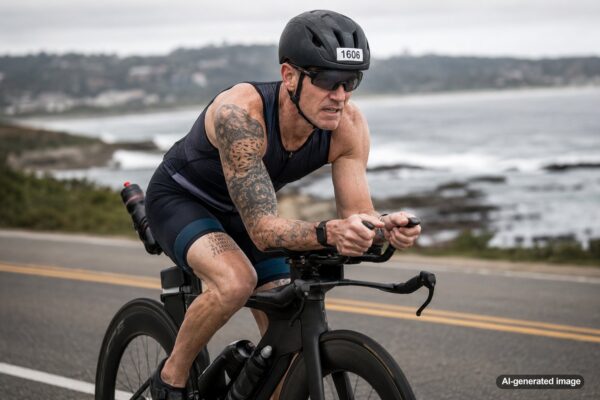
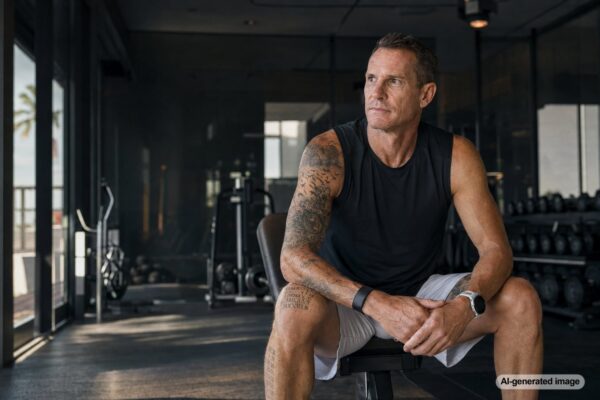
For endurance athletes, consistency matters far more than any single perfect workout. Greg’s approach to endurance, business, family, and forward motion is built around showing up repeatedly, which makes recovery worth protecting just as seriously as the training itself.
Quick answer: Why can moderate drinking affect tomorrow’s workout?
- Sleep may be less restorative. Alcohol can make falling asleep feel easier while disrupting sleep quality later in the night.
- Hydration can become more complicated. Alcohol can influence fluid balance, especially when drinking follows a sweaty training session or replaces normal recovery fluids.
- Muscle recovery may be affected. Research suggests alcohol can interfere with some biological processes involved in post-exercise recovery, although effects vary with dose, timing, exercise type, and the individual.
- Morning sharpness can suffer. Feeling awake is not always the same as being fully recovered, coordinated, motivated, and ready for a demanding session.
- Small disadvantages can stack up. A little less sleep, slightly poorer hydration, and incomplete recovery together may be more noticeable than any one factor alone.
The issue is not just whether you have a hangover
People often judge alcohol’s impact by one question: “Do I feel hungover?” For an athlete, that is an incomplete test. Training quality depends on far more than whether you have a headache or nausea.
There is a difference between being capable of completing a workout and being genuinely ready to absorb it. You may still run your planned miles, finish the bike session, or get through a strength workout after drinking the night before. That does not necessarily mean your preparation and recovery were ideal.
Research on alcohol and athletic recovery is nuanced. Different studies have used different alcohol doses, exercise protocols, training backgrounds, and recovery periods, and not every study finds a measurable decline in every performance outcome. That matters. The useful conclusion is not that one drink automatically ruins a workout. It is that alcohol introduces variables that can work against recovery, particularly when good sleep, hydration, muscular repair, and mental sharpness matter.
Alcohol can make sleep less useful for recovery
One of the easiest effects to underestimate is sleep. Alcohol can initially make people feel sleepy, which creates the impression that it helps with rest. Research summarized through the National Institutes of Health literature shows that alcohol can disrupt normal sleep architecture and contribute to fragmented or lower-quality sleep later in the night.
That distinction matters to anyone who trains. Time in bed and restorative sleep are not identical. You might sleep for what looks like a normal number of hours and still wake up feeling less refreshed, less alert, or simply a little off.
Picture an athlete who has dinner, two drinks, and an early bedtime before a morning long run. Nothing about the evening feels excessive. Yet if those drinks reduce sleep quality, the athlete can start the next day’s session with one important recovery variable already compromised.
Hydration is more complicated than drinking a glass of water before bed
Alcohol and hydration are often discussed as though dehydration explains every next-day symptom. The evidence is more complicated. Alcohol can affect fluid regulation, but dehydration and hangover symptoms are not necessarily the same thing, and simply adding water does not erase every effect of drinking.
For athletes, context matters. If you finished an evening workout already needing to replace fluid and electrolytes, then chose alcohol before fully addressing recovery nutrition and hydration, you may be stacking one challenge on top of another. The same amount of alcohol may feel very different after a sedentary afternoon than after a long, hot training session.
A practical principle is to protect the fundamentals first: replace fluids after training, eat normally, and give recovery the attention it deserves. Water is useful, but it should not be treated as a magic reset button for alcohol.
Muscles are still doing work after the workout ends
Training creates the stimulus. Recovery is where the body responds to that stimulus. Research examining alcohol after exercise has found potential effects on biological processes related to muscle recovery, including muscle protein synthesis and hormonal responses. The magnitude of those effects depends heavily on dose and circumstances, and research does not show that every amount of alcohol produces the same result.
This becomes particularly relevant when workouts are close together. If you complete a hard strength session Tuesday evening and have another demanding workout Wednesday morning, your recovery window is short. Choices made during those hours carry more weight than they might during a full rest day.
For a recreational athlete, this does not require obsessing over perfect behavior. It does suggest being intentional when an important training session, race rehearsal, long workout, or competition is on the calendar.
The next-day effect may feel more mental than physical
Not every compromised workout announces itself with soreness or an elevated sense of physical fatigue. Sometimes the difference appears in concentration, pacing judgment, coordination, motivation, or perceived effort.
An endurance session asks the brain to work along with the body. You monitor effort, terrain, nutrition, traffic, equipment, technique, and countless small decisions. A strength workout requires attention to form and loading. A group ride demands awareness and reaction time. When sleep and recovery are less than ideal, the workout may simply require more effort to produce your normal level of focus.
That is one reason experienced athletes learn to pay attention to trends instead of only dramatic symptoms. A session that feels five percent harder is easy to dismiss. If the same pattern repeats every weekend after drinking, it becomes useful information.
Timing matters as much as the label “moderate”
“Moderate” is not a universal physiological setting. Body size, sex, food intake, medications, individual alcohol metabolism, drinking speed, beverage strength, training load, sleep schedule, and health conditions can all influence how someone responds.
Timing changes the equation too. Alcohol consumed soon after a difficult workout enters a recovery period when the athlete may also need food, fluid, and sleep. Drinking immediately before bed may have different implications for sleep than drinking earlier in the evening. A drink before a rest day carries a different training consequence than the same drink before a race-specific session.
Instead of asking only, “How many drinks can I have?” an athlete can ask a more useful question: “What am I asking my body to do during the next 12 to 24 hours?”
What athletes often miss
The biggest cost may be cumulative rather than dramatic. One evening does not define an athlete. But a routine in which hard workouts are regularly followed by alcohol, shortened sleep, incomplete fueling, and another early session can repeatedly reduce the quality of the recovery window.
For endurance athletes in particular, the goal is usually not to win one isolated training day. It is to build months of reliable work. Protecting recovery supports that consistency.
A practical approach before an important workout
If tomorrow’s workout matters, simplicity works. Prioritize a normal meal, adequate fluids, enough time for sleep, and the recovery habits you already know help you feel prepared. Choosing not to drink before a major session removes one variable from the equation.
If you do drink, avoid turning the decision into an excuse to abandon the rest of your routine. Eat, hydrate, sleep, and adjust the next day’s training if you wake up feeling significantly impaired. Trying to prove toughness by forcing a demanding workout when coordination, alertness, or overall well-being is clearly compromised is not the same thing as disciplined training.
That distinction fits a broader lesson Greg brings to his speaking work with organizations and teams: resilience is not about pretending circumstances have no effect. It is about seeing reality clearly, making a useful decision, and continuing forward.
Frequently asked questions
Can one or two drinks really affect a workout the next morning?
They may. Individual responses vary, and the impact depends on factors such as timing, body size, food intake, sleep, hydration, exercise intensity, and the actual amount of alcohol consumed. Even without a severe hangover, sleep or recovery may be affected enough for some people to notice a difference.
Does drinking water before bed prevent the problem?
Water can support hydration, but it does not necessarily reverse alcohol’s effects on sleep, metabolism, alertness, or other recovery processes. Hydration is one part of recovery, not a complete antidote.
Is it better to drink on a rest day?
From a training perspective, placing alcohol farther away from an important workout may reduce the chance that it interferes with that specific session. Individual health considerations are separate, and anyone with questions about whether alcohol is appropriate for them should speak with a qualified healthcare professional.
Should I skip my workout after drinking?
There is no universal answer. Consider how you feel, the intensity and risk of the planned session, your hydration and nutrition, and whether your coordination or alertness seems impaired. When safety is in question, backing off is more sensible than forcing intensity.
What is the main takeaway for endurance athletes?
Think in terms of consistency. Alcohol does not need to destroy a workout to be relevant. If it repeatedly makes sleep, recovery, or next-day training a little worse, that pattern can matter over a long training cycle.
The bottom line
Fitness is built through stress followed by recovery, repeated over time. Alcohol can complicate that recovery even when the evening does not feel excessive and the next morning does not come with an obvious hangover. The effect varies from person to person, and the science does not support pretending every drink has the same consequence. Still, when tomorrow’s workout matters, protecting sleep, hydration, nutrition, and recovery gives you fewer obstacles between the work you planned and the effort you are capable of delivering.
Sometimes forward motion is not about doing something harder. It is about making one small decision tonight that gives tomorrow’s effort a better chance.
Interested in bringing Greg’s message to your event or organization?
Learn more about Greg’s speaking work or get in touch to start the conversation.
Contact Greg or learn more about the Forward Motion Fund.
This article is for educational purposes only and is not medical advice. For diagnosis, treatment, or personalized medical guidance, please speak with a qualified healthcare professional.