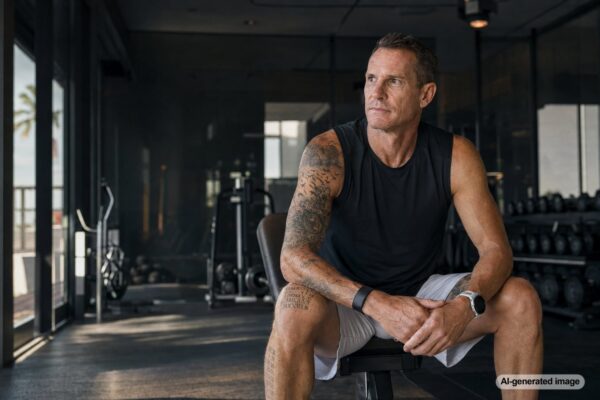

What Endurance Athletes Understand About Sustainable Executive Performance
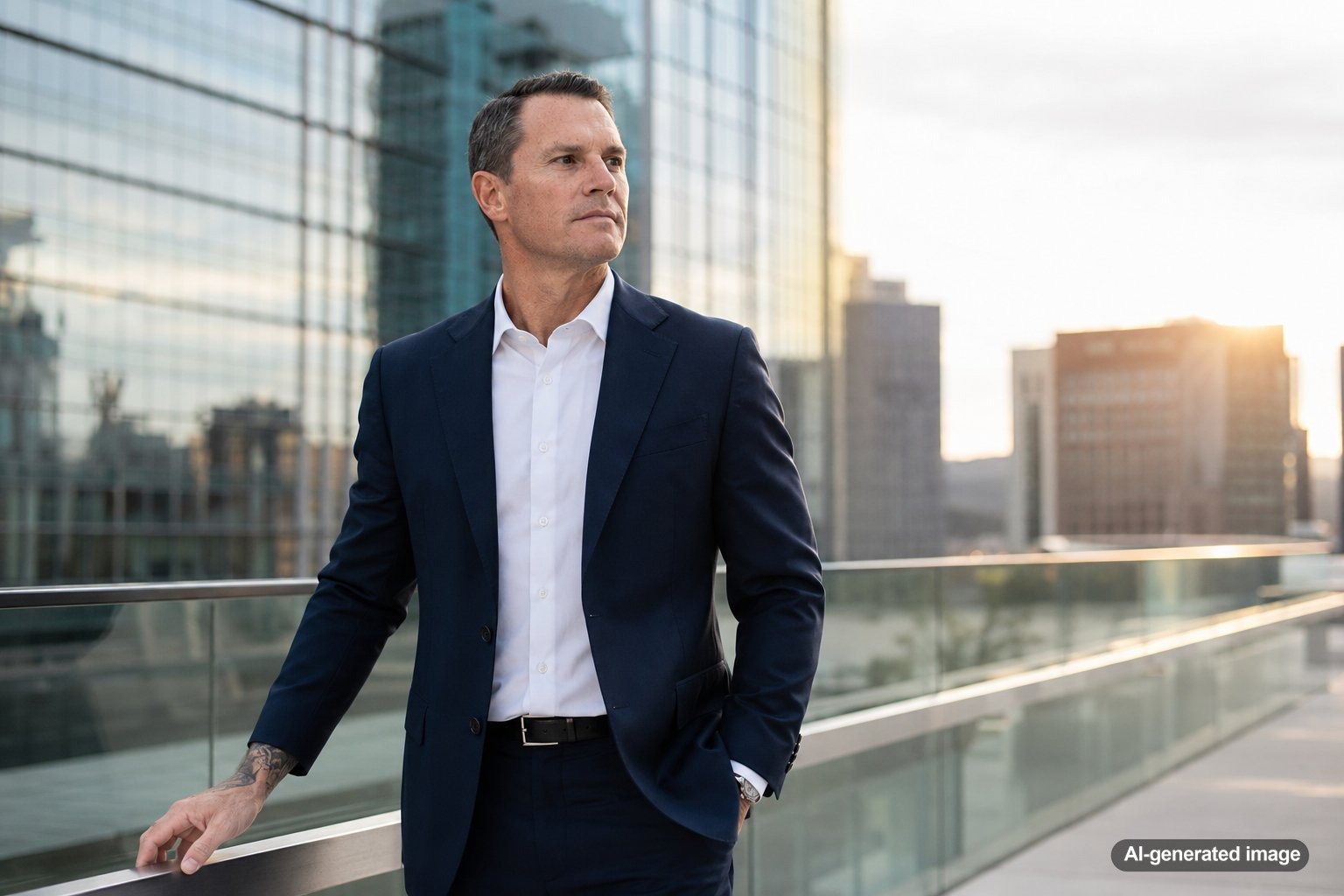
Endurance athletes understand that peak performance is not the same as sustainable performance. A powerful surge can win a moment, but long races are decided by pacing, preparation, recovery, and the ability to make sound decisions when conditions become difficult. Executives face a similar challenge: delivering results today while preserving the energy, judgment, relationships, and resilience required to lead tomorrow.
The connection between endurance sports and leadership is not about treating every workday like a competition. It is about recognizing that meaningful performance must be repeatable. Greg Schaefer’s experience across business leadership, endurance racing, family, adversity, and advocacy reflects this broader view of what it means to keep moving forward. His story shows that strength is rarely one dramatic effort. More often, it is the disciplined accumulation of well-chosen steps.
Quick answer
- Sustainable executive performance depends on pacing rather than constant maximum effort.
- Recovery is a productive part of the performance cycle, not a reward for finishing the work.
- Preparation reduces unnecessary decisions when pressure rises.
- Strong leaders adjust their plans without abandoning the larger mission.
- Purpose creates endurance when external motivation begins to fade.
High performance requires intelligent pacing
An inexperienced endurance athlete may begin too aggressively because the early miles feel easy. The pace appears manageable, adrenaline is high, and the consequences of overreaching are still hidden. Later, the athlete pays for that early enthusiasm with fatigue, slower decisions, poor form, or an inability to finish as planned.
Executives can make the same mistake. They fill every hour, accept every request, attend every meeting, and treat immediate responsiveness as proof of commitment. For a while, the approach may look productive. Over time, however, constant urgency can weaken strategic thinking and reduce the leader’s ability to recognize what truly matters.
Pacing does not mean lowering standards. It means allocating effort according to importance, timing, and available capacity. A sustainable leader knows when to push, when to maintain, and when to conserve energy for a more consequential stretch ahead. Not every email deserves race-day intensity. Not every disagreement is a crisis. Not every opportunity belongs in the current season.
Recovery belongs inside the performance plan
Serious athletes do not view recovery as the opposite of training. Recovery is part of training because adaptation requires it. Hard sessions create a demand, while rest, sleep, nutrition, mobility, and lighter work help the athlete absorb that demand.
Executive performance follows a similar pattern. Demanding negotiations, travel, organizational change, financial pressure, and high-stakes decisions all consume mental and emotional resources. Moving directly from one intense period into another without any reset may feel disciplined, but it can gradually reduce judgment, patience, creativity, and presence.
Effective recovery does not always require a long vacation. It may involve protecting sleep before an important decision, leaving space between major meetings, taking a quiet walk after conflict, limiting unnecessary travel, or creating one evening without work-related input. The specific practice matters less than the principle: recovery should be scheduled before exhaustion makes it unavoidable.
Preparation protects decision quality under pressure
Endurance athletes prepare equipment, nutrition, pacing targets, route details, transitions, and contingency plans before the event begins. They know that small decisions become harder when fatigue, weather, discomfort, or uncertainty enters the picture.
Executives also benefit from reducing avoidable decisions before demanding moments. A leader can clarify priorities before a difficult quarter, define decision rights before a crisis, establish communication expectations before a major launch, and identify nonnegotiable values before an opportunity tests them.
This kind of preparation creates useful structure without eliminating flexibility. It prevents the organization from reinventing its principles whenever pressure rises. It also gives teams greater confidence because they understand how decisions will be made, who owns the next step, and what the organization is trying to protect.
Adaptation is not the same as surrender
No endurance plan survives every condition exactly as written. Weather changes. Equipment fails. The body responds differently than expected. A successful athlete remains committed to the destination while adjusting the method used to reach it.
Leaders often struggle with this distinction. Some hold tightly to an outdated plan because changing course feels like weakness. Others abandon the strategy too quickly when the first obstacle appears. Sustainable performance requires a steadier response: gather information, assess what has changed, protect the core objective, and adjust the route.
A product launch may need a smaller first phase. A hiring plan may need to slow while the team strengthens its operating systems. A leader may need to delegate work that once seemed central to the role. These changes do not automatically indicate failure. They may demonstrate the maturity to respond to reality rather than defend an image.
Consistency is built through systems, not mood
Endurance athletes cannot depend on feeling inspired every morning. Training includes ordinary sessions, inconvenient weather, competing responsibilities, and days when motivation is limited. Progress continues because the athlete relies on routines, accountability, and a clear reason for doing the work.
Executives need similar systems. Strategic priorities should appear in calendars, resource decisions, operating reviews, and team conversations. Values should shape hiring, incentives, and behavior, not just presentation slides. Important relationships should receive deliberate attention rather than whatever time remains after urgent work is complete.
Systems turn intention into repeatable action. They also reduce the burden on willpower. A leader who depends only on personal intensity may become the organization’s bottleneck. A leader who builds clear rhythms, capable teams, and shared standards creates performance that can continue without constant intervention.
Purpose becomes fuel when recognition disappears
Long efforts eventually become quiet. The crowd thins, the early excitement fades, and the athlete must continue without constant encouragement. At that point, purpose matters more than applause.
Executive leadership has similar stretches. Important work may take years to show results. Necessary decisions may be unpopular. Cultural improvements may happen slowly and remain invisible to people outside the organization. Leaders who depend entirely on recognition can become reactive, discouraged, or drawn toward short-term wins that weaken the larger mission.
Purpose creates a more durable source of energy. It helps a leader distinguish meaningful difficulty from pointless strain. It also provides a reason to protect family, health, relationships, and integrity rather than sacrificing everything to maintain an image of success.
What executives can apply this week
The endurance mindset becomes useful when it changes daily behavior. Leaders can begin with a few practical questions:
- Where am I spending race-day energy on routine work? Identify one recurring demand that can be delegated, simplified, delayed, or removed.
- What recovery does the next major effort require? Protect the capacity needed before and after a demanding event instead of reacting once fatigue arrives.
- Which decisions should be made before pressure rises? Clarify priorities, authority, and boundaries while the organization still has room to think.
- What condition has changed? Separate loyalty to the mission from attachment to a specific plan.
- What system would make consistency easier? Build a repeatable rhythm instead of asking yourself or the team to rely on heroic effort.
The bottom line
Sustainable executive performance is not about remaining comfortable or avoiding hard work. Endurance athletes willingly enter difficult conditions, but they respect the demands of the full course. They understand that the strongest effort is not always the hardest effort. It is the effort that can be directed, absorbed, repeated, and connected to a meaningful purpose.
Executives who adopt that perspective can lead with greater steadiness. They can pursue ambitious goals without confusing depletion with dedication. They can respond to adversity without allowing one difficult stretch to define the entire journey. Most importantly, they can build organizations where performance is supported by preparation, trust, adaptability, and shared purpose rather than permanent urgency.
Frequently asked questions
What is sustainable executive performance?
Sustainable executive performance is the ability to deliver strong results consistently while preserving the judgment, energy, health, relationships, and organizational capacity needed for future challenges. It balances ambition with pacing, recovery, preparation, and clear priorities.
How does endurance training relate to leadership?
Both require preparation, disciplined pacing, adaptation, emotional control, and the ability to continue through discomfort without making reckless decisions. The comparison is useful because it shifts attention from isolated bursts of effort to long-term consistency.
Does sustainable performance mean working less?
Not necessarily. It means using effort more deliberately. Some periods require intense work, but that intensity should serve a defined purpose and be followed by appropriate recovery. The goal is not to avoid pressure. It is to prevent constant pressure from becoming the default operating model.
How can leaders prevent burnout on their teams?
Leaders can clarify priorities, remove low-value work, create realistic workloads, model healthy boundaries, provide recovery after demanding periods, and give employees enough autonomy to manage their responsibilities. They should also pay attention when urgency becomes chronic rather than temporary.
What is the first endurance principle an executive should adopt?
Start with pacing. Identify which responsibilities truly require your highest level of attention and stop applying the same intensity to every demand. Better pacing often improves decision quality, delegation, recovery, and long-term consistency at the same time.
Interested in bringing Greg’s message to your event or organization?
Learn more about Greg’s speaking work or get in touch to start the conversation.
Contact Greg or learn more about the Forward Motion Fund.
This article is for educational purposes only and is not medical advice. For diagnosis, treatment, or personalized medical guidance, please speak with a qualified healthcare professional.