
The Intersection Of Endurance Sports And Business Success

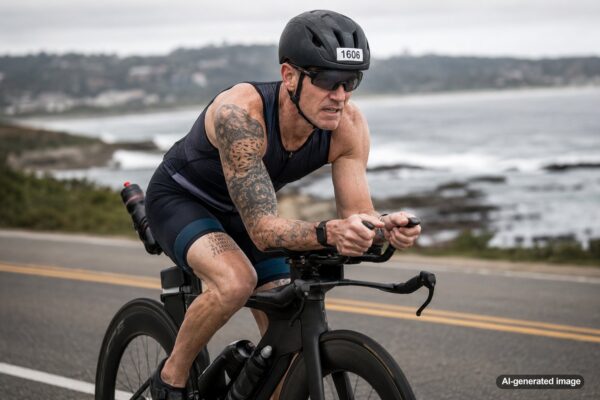
Endurance sports and business may look different from the outside. One happens on roads, in open water, on bikes, and across finish lines. The other happens in boardrooms, client conversations, hiring decisions, cash-flow pressure, and long seasons of uncertainty. But beneath the surface, both test the same core qualities: discipline, judgment, patience, recovery, adaptability, and the ability to keep moving when the outcome is not guaranteed.
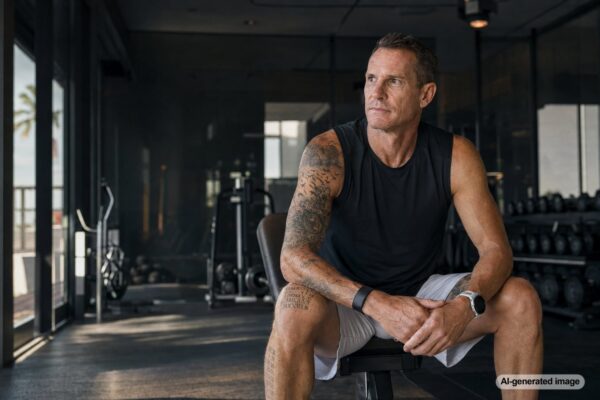
For Greg Schaefer, that intersection is not theoretical. His life has crossed the worlds of family, entrepreneurship, endurance racing, advocacy, and resilience in ways that make the lessons practical rather than polished. As a CEO, speaker, husband, dad, 19-time Ironman, and someone living with Young-Onset Parkinson’s, Greg’s story reflects a simple truth: success is rarely built in one heroic burst. It is built one decision, one hard mile, one conversation, and one more step at a time. You can learn more about Greg’s broader story on the About Greg page.
Quick Answer
- Endurance sports teach business leaders how to stay steady under pressure instead of reacting emotionally to every setback.
- Training for long-distance events builds discipline, consistency, and patience, all of which matter in entrepreneurship and leadership.
- Racing helps sharpen decision-making because success depends on pacing, fuel, recovery, and adapting when conditions change.
- The endurance mindset translates well to teams because it values preparation, accountability, humility, and long-term commitment.
- Business success, like endurance success, is often less about never struggling and more about learning how to continue with purpose.
Endurance Teaches Leaders To Respect The Long Game
In endurance sports, the biggest mistake is often starting like the race will be easy. Anyone can feel strong at the beginning. The real test comes later, when energy fades, weather shifts, the body starts sending warning signals, and the plan has to be adjusted without giving up the mission.
Business has a similar rhythm. A company can launch with excitement, a team can begin a new initiative with energy, and an entrepreneur can step into a new season with confidence. But lasting success depends on what happens after the early momentum wears off. Leaders have to manage expectations, stay consistent, and make decisions that protect the future, not just the next applause line.
Endurance athletes learn to respect pacing. They know that pushing too hard too early can cost them later. In business, pacing can mean hiring wisely, scaling responsibly, choosing the right opportunities, and understanding that growth without stability can create its own kind of exhaustion.
Discipline Matters More Than Motivation
Motivation is useful, but it is not reliable enough to build a life, a company, or a training cycle around. Endurance sports expose that quickly. There are mornings when the body is tired, the schedule is crowded, and the weather is not ideal. Training still asks for a decision.
That same principle shows up in business. A strong leader cannot depend only on inspiration. They need habits, systems, follow-through, and standards that hold up when the work feels repetitive or difficult. The strongest organizations are usually not built by people who feel motivated every day. They are built by people who understand what matters and show up with consistency.
This is one reason endurance athletes often bring a useful mindset into entrepreneurship and leadership. They know that small commitments compound. One workout does not create race readiness. One sales call does not build a company. One team meeting does not create culture. The cumulative effect comes from repetition with intention.
Pressure Reveals The Quality Of Preparation
Endurance events rarely go exactly according to plan. A race can bring cramps, wind, heat, equipment issues, stomach problems, or a mental low point that arrives earlier than expected. The athlete has to make decisions under fatigue, and those decisions are only as strong as the preparation behind them.
Business pressure works the same way. A client crisis, market shift, staffing challenge, or financial setback can reveal whether a company has been built on clarity or chaos. Strong preparation does not remove difficulty, but it gives leaders more options when difficulty arrives.
Greg’s background in business and endurance gives this lesson real weight. Building and leading a company requires stamina, but so does continuing to redefine what forward motion looks like after life changes. The goal is not to pretend pressure is easy. The goal is to become the kind of person, leader, and teammate who can respond with steadiness when pressure arrives.
The Best Leaders Know When To Push And When To Recover
Endurance sports are not only about effort. They are also about recovery. Athletes who ignore rest eventually pay for it. Training creates stress, but recovery is where adaptation happens. Without recovery, discipline can become self-destruction disguised as toughness.
This lesson is often overlooked in business. Many leaders are praised for being relentless, but relentless output without reflection can lead to poor judgment, strained relationships, and burnout. A more mature form of toughness includes knowing when to pause, reassess, delegate, or rebuild capacity.
In an organization, recovery can look like clearer priorities, better boundaries, honest post-project reviews, stronger communication, and a culture that does not confuse constant urgency with excellence. The endurance athlete understands that sustainable performance requires both effort and renewal.
Adaptability Is A Competitive Advantage
In a long race, the original plan is important, but the ability to adapt may be even more important. Conditions change. The body changes. The field changes. An athlete who cannot adjust may lose focus, waste energy, or turn a manageable problem into a race-ending one.
Business leaders face the same challenge. Plans matter, but rigid attachment to a plan can become dangerous when reality changes. The most effective leaders know how to hold the mission steady while adjusting the method. They ask better questions: What has changed? What still matters? What information do we have now? What decision protects the long-term goal?
This is where endurance sports offer a powerful leadership model. The athlete is not rewarded for denial. The athlete is rewarded for awareness, patience, and smart adjustment. Business success often follows the same pattern.
What Business Leaders Can Learn From The Endurance Mindset
The endurance mindset is not about pretending pain does not exist. It is not about glorifying struggle or turning every challenge into a slogan. At its best, it is a grounded way of moving through hard things with clarity and purpose.
- Pace the mission: Fast is not always strong. Sustainable progress often beats frantic movement.
- Train before the pressure arrives: Culture, systems, and trust should be built before the crisis.
- Expect low points: A difficult season does not mean the mission is failing. It may mean the leader needs to adjust the plan.
- Stay honest about capacity: High performance requires recovery, support, and smart boundaries.
- Keep the next step visible: When the full distance feels overwhelming, the next right action matters.
What Teams Often Miss
Many teams talk about resilience, but they define it too narrowly. Resilience is not just pushing harder. It is the ability to stay connected to purpose while making smart decisions under stress. It includes humility, communication, support, preparation, and the willingness to keep learning.
In endurance sports, no athlete succeeds by ignoring feedback from the body, the course, or the conditions. In business, no team succeeds for long by ignoring feedback from clients, employees, data, or the market. The strongest performers are not the ones who never struggle. They are the ones who listen, adjust, and continue with intention.
Bottom Line
Endurance sports and business success intersect because both demand more than talent. They require discipline, patience, adaptability, recovery, leadership, and a reason to continue when the path becomes harder than expected. That is why Greg’s message connects with leaders, teams, athletes, and organizations looking for something deeper than a quick burst of motivation.
FAQ
How do endurance sports help with business leadership?
Endurance sports help leaders practice patience, preparation, pacing, and decision-making under pressure. Those same skills matter when leading teams, managing uncertainty, and building long-term success.
Is the endurance mindset only useful for athletes?
No. The endurance mindset can apply to entrepreneurs, executives, employees, caregivers, advocates, and anyone facing a long challenge. The core idea is learning how to keep moving with purpose, not simply moving fast.
What is one lesson business owners can take from endurance training?
Consistency matters. One strong day rarely defines the outcome. Progress usually comes from repeated decisions made with discipline, humility, and a clear sense of direction.
Why does Greg Schaefer speak about endurance and business together?
Greg’s story brings together entrepreneurship, endurance racing, family, advocacy, and resilience. That combination gives him a grounded perspective on leadership, adversity, and what it means to keep moving forward in real life.
Bringing The Message Into The Room
For organizations, the intersection of endurance and business is more than a theme. It can become a practical conversation about culture, pressure, purpose, and how people perform when the road gets difficult. Greg’s speaking work helps teams connect those lessons to real leadership moments, not abstract inspiration. To explore how his message could fit your event, visit the Speaking page.
Interested in bringing Greg’s message to your event or organization?
Learn more about Greg’s speaking work or get in touch to start the conversation.
Contact Greg or learn more about the Forward Motion Fund.
This article is for educational purposes only and is not medical advice. For diagnosis, treatment, or personalized medical guidance, please speak with a qualified healthcare professional.