9 Things Endurance Sports Teach About Handling Discomfort
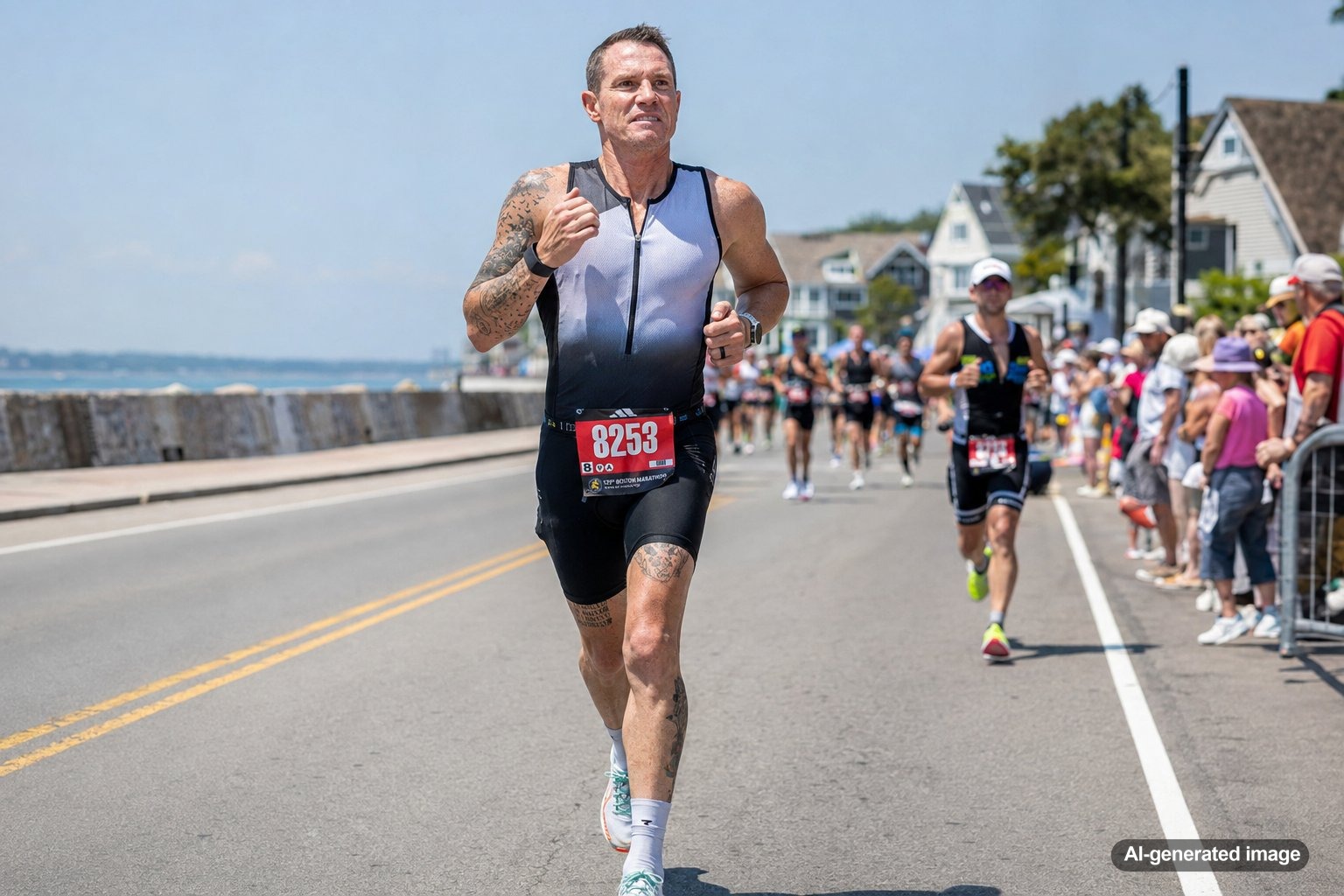
Endurance sports do not teach you to enjoy every difficult moment. They teach you how to stay present when effort rises, plans unravel, and the finish still feels far away. Whether the challenge is a long training session, an Ironman course, a demanding season at work, or a deeply personal setback, discomfort changes when you learn how to interpret it.
Greg Schaefer’s experience across endurance competition, business leadership, family, advocacy, and life with Young-Onset Parkinson’s reflects a central lesson: resilience is rarely one dramatic act. It is usually a series of measured decisions made while conditions are imperfect. The goal is not to deny difficulty. It is to respond to it with enough awareness, discipline, and flexibility to keep moving forward.
The quick answer:
- Discomfort is information, not an automatic command to stop.
- Pacing and recovery are parts of resilience, not exceptions to it.
- Large challenges become more manageable when reduced to the next useful action.
- Adaptability often matters more than following the original plan perfectly.
- Support, preparation, and a clear purpose make difficult moments easier to navigate.
1. Discomfort Is Information
Endurance athletes become familiar with many kinds of discomfort: heavy legs, rising effort, frustration, heat, cold, uncertainty, and the temptation to slow down. Experience teaches them not to treat every uncomfortable sensation as identical.
Some discomfort reflects normal exertion. Some suggests that pacing, hydration, fueling, technique, equipment, or environmental conditions need attention. Sharp pain, sudden symptoms, confusion, or a meaningful loss of function can signal a different situation entirely and should not be dismissed as a test of toughness.
The broader lesson is to replace immediate reaction with a brief assessment. What exactly is happening? Is the situation stable, improving, or getting worse? Is there a safe adjustment available? Discomfort becomes more useful when it is treated as data instead of proof that you are failing.
2. You Do Not Have to Solve the Entire Distance at Once
Thinking about every remaining mile can make an endurance event feel impossible. Experienced athletes often reduce the task to a smaller target: reach the next aid station, settle into the next ten minutes, finish the current climb, or take the next controlled step.
This is not pretending the full distance does not exist. It is directing attention toward the portion you can influence now. The same approach works during a difficult project, an uncertain diagnosis, a demanding leadership period, or a long recovery. You may not be able to resolve the entire situation today, but you can identify the next useful action.
Small targets also create feedback. After each segment, you can reassess your condition and choose again. Progress becomes a sequence of manageable decisions rather than one overwhelming demand.
3. Pacing Is a Form of Strength
Starting fast can feel powerful. Holding an appropriate pace when energy is high requires a different kind of discipline. Endurance sports make the cost of poor pacing visible: an early surge can create a much harder final hour.
Good pacing means matching effort to the distance, conditions, current capacity, and goal. It may require restraint when other people move ahead. It may also require accepting that today’s sustainable pace differs from last month’s.
Outside sports, pacing can mean protecting time for deep work, declining commitments that exceed your capacity, or approaching a hard conversation when you can give it proper attention. Constant urgency is not the same as sustained performance. The strongest plan is often the one you can continue long enough to finish well.
4. The Mind Can Make Temporary Discomfort Feel Permanent
A difficult stretch during a long event can distort perspective. Ten bad minutes may begin to feel like a prediction for the rest of the day. Fatigue encourages absolute thoughts: everything is going wrong, the plan is ruined, or the current feeling will never change.
Endurance experience teaches athletes to avoid turning a temporary condition into a permanent conclusion. Weather changes. Terrain changes. Fuel begins to work. A brief reset restores focus. Sometimes the next section remains difficult, but it is still different from the story the mind produced during the lowest moment.
A useful question is, “What do I know right now, and what am I merely predicting?” Separating observation from assumption creates room for a more measured decision.
5. Adaptation Is Not Failure
Training plans and race strategies matter, but endurance events rarely unfold exactly as imagined. Wind increases. Equipment behaves unexpectedly. A planned pace becomes unrealistic. The athlete who refuses to adjust may be protecting the plan at the expense of the actual goal.
Adaptation can include changing pace, shortening a stride, adjusting nutrition, modifying expectations, or asking for help. It is not automatically quitting. It is responding to the course that exists rather than the course you hoped to encounter.
This distinction matters in business and personal life. A changed strategy can still serve the original purpose. Strong leaders and resilient people preserve what matters most while remaining flexible about the route.
6. Preparation Does Not Remove Difficulty, but It Expands Your Options
Training cannot make every endurance event comfortable. It can build familiarity with effort and provide tools for responding when the day becomes difficult. Athletes rehearse pacing, fueling, transitions, equipment choices, and decisions under fatigue so fewer variables feel completely new.
Preparation creates options. If one approach stops working, the athlete may have another pace, technique, or mental cue available. The same principle applies before a presentation, organizational change, family challenge, or demanding conversation. Preparation may include gathering accurate information, clarifying priorities, practicing the essential skills, and identifying who can provide support.
Confidence built this way is grounded. It does not say, “Nothing will go wrong.” It says, “I have prepared to make better decisions if something does.”
7. Recovery Is Part of the Work
Endurance athletes improve through a combination of effort and recovery. More training is not always better training. Rest, sleep, appropriate nutrition, lighter sessions, and time away from structured effort can help the body absorb the work already completed.
This lesson challenges the idea that resilience must always look like pushing harder. Sometimes the productive decision is to reduce intensity, repair what has been neglected, or create enough space to return with greater capacity.
Recovery is also useful on a smaller scale. A brief walk, a meal, a quiet hour, or a conversation with someone trustworthy may not solve a larger problem, but it can improve the condition in which you approach it. Rest should not become avoidance, yet relentless effort should not be mistaken for courage.
8. Support Makes Individual Effort Possible
Endurance sports may appear individual from a distance, but most athletes rely on a network. Family members protect training time. Coaches provide perspective. Training partners create accountability. Volunteers, medical teams, race staff, and spectators help make competition possible.
Accepting that support does not diminish personal responsibility. It recognizes that meaningful goals are often sustained through relationships. A person can still own the next step while allowing someone else to offer information, encouragement, practical assistance, or honest feedback.
This matters during adversity as well. Isolation can amplify discomfort and narrow perspective. The right support system cannot perform every difficult task for you, but it can help you remain connected to your purpose and make clearer decisions along the way.
9. Purpose Gives Discomfort Context
Discomfort without meaning can feel like pointless suffering. Discomfort connected to a valued goal has context. The effort may still hurt, and purpose does not make every moment inspiring, but it can remind an athlete why continuing matters.
A strong purpose is usually specific. It may involve keeping a promise, honoring the work invested, setting an example for family, supporting a cause, discovering what remains possible, or reaching a finish line that represents something larger than a result.
Purpose also helps determine when to continue and when to change course. If an action no longer serves the underlying goal, stubborn persistence may not be the answer. The deeper endurance lesson is not “never stop.” It is to stay connected to what matters, assess conditions honestly, and take one more appropriate step when it is safe and meaningful to do so.
The bottom line: Endurance sports teach that handling discomfort is not about ignoring every warning or manufacturing constant intensity. It is about reading the moment accurately, controlling what you can, accepting support, adjusting intelligently, and continuing in useful increments. Resilience grows through those decisions. One more step does not have to be dramatic. It simply has to be the right next step.
Interested in bringing Greg’s message to your event or organization?
Learn more about Greg’s speaking work or get in touch to start the conversation.
Contact Greg or learn more about the Forward Motion Fund.
This article is for educational purposes only and is not medical advice. For diagnosis, treatment, or personalized medical guidance, please speak with a qualified healthcare professional.