

Can Exercise Help Parkinson’s Symptoms? What the 2026 Recommendations Emphasize
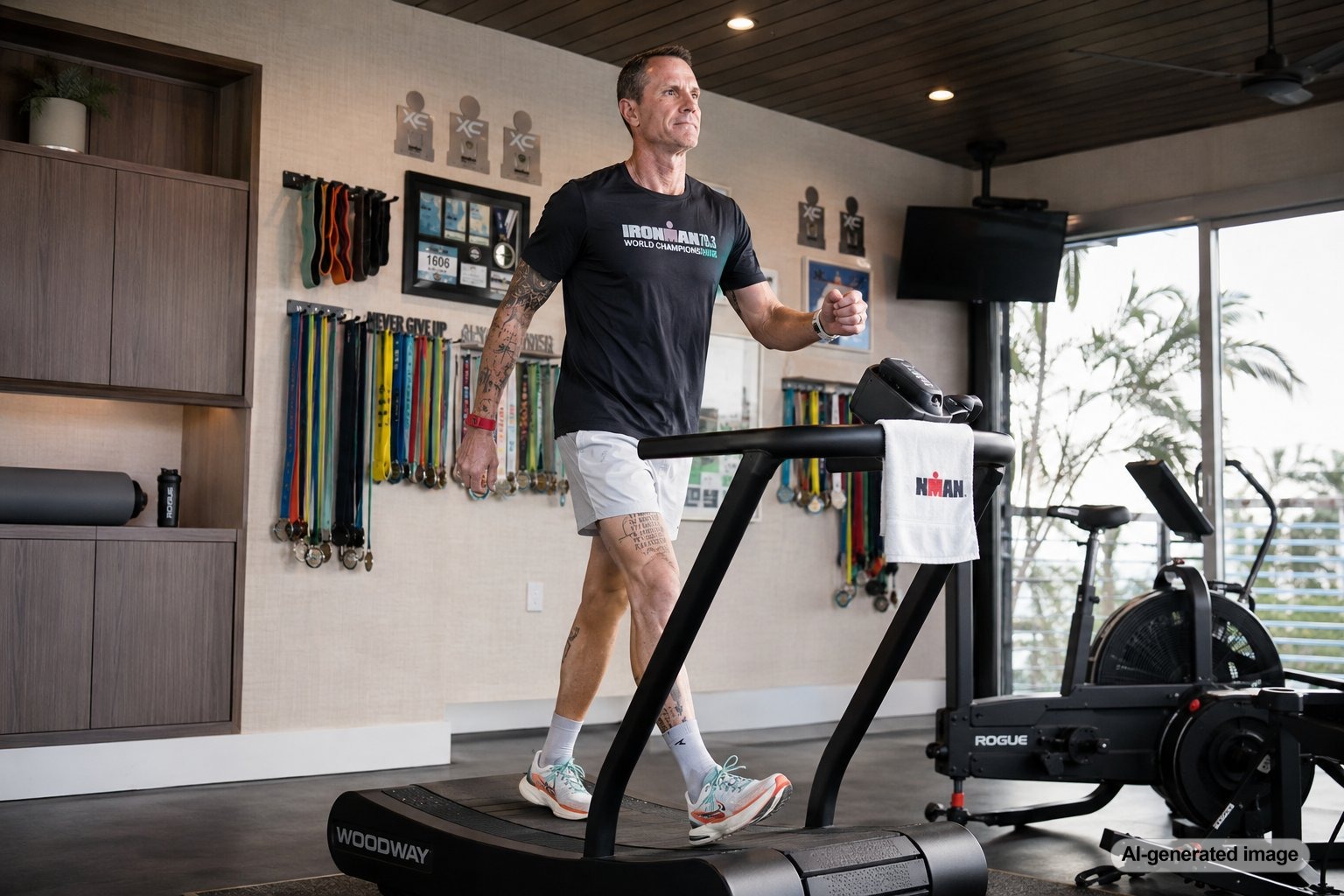
Yes, exercise can help many people living with Parkinson’s manage symptoms, improve daily function, and protect quality of life. It is not a cure, and it is not a replacement for medical care, medication, physical therapy, or guidance from a qualified clinician. But the 2026 recommendations reinforce something the Parkinson’s community has been learning for years: movement is not optional background noise. For many people, it is a core part of living well with the disease.
That message matters deeply in Greg Schaefer’s world because forward motion is not just a phrase. It is a practical decision made again and again, in family life, business, training, advocacy, and the long process of adapting to Young-Onset Parkinson’s. To learn more about the broader story behind that message, visit Greg’s About page.
Quick answer: what the 2026 recommendations emphasize
- Exercise may help both movement and non-movement symptoms. Parkinson’s Foundation materials describe exercise and physical activity as tools that can improve many motor and non-motor symptoms.
- A complete routine matters. The recommendations emphasize more than one type of movement, including aerobic activity, strength training, balance or agility work, and stretching.
- Consistency is more important than intensity alone. The goal is not one heroic workout. It is a repeatable pattern that can be sustained safely.
- Personalization matters. Parkinson’s symptoms, fitness history, medication timing, fall risk, fatigue, and other health factors can change what is safe and realistic.
- Professional guidance can help. A physician, movement disorder specialist, physical therapist, or exercise professional familiar with Parkinson’s can help shape the right plan.
Why exercise is getting so much attention in Parkinson’s care
Parkinson’s is often described through its visible movement symptoms: tremor, stiffness, slowed movement, changes in posture, gait challenges, or balance issues. Those symptoms can affect confidence as much as mobility. When walking, turning, getting out of a chair, or moving through a crowded room becomes harder, people may naturally start doing less. The problem is that doing less can make the body weaker, less coordinated, and less resilient over time.
Exercise pushes back against that cycle. It can support strength, flexibility, endurance, balance, mood, and confidence. For some people, it also creates structure during a season of life that may otherwise feel unpredictable. The Michael J. Fox Foundation notes that a safe, enjoyable routine that helps manage personal symptoms is often the best approach, which is a practical reminder: the best program is not necessarily the flashiest one. It is the one a person can keep doing.
The four-part movement message: cardio, strength, balance, and flexibility
The 2026 recommendations do not frame Parkinson’s exercise as a single activity. They point toward a more complete movement plan, because Parkinson’s affects more than one system in the body. A person may need heart and lung capacity, leg strength, trunk control, shoulder mobility, better turning mechanics, and the confidence to move in real-world settings.
Aerobic exercise includes activities that raise the heart rate, such as brisk walking, cycling, swimming, rowing, jogging, or other clinician-approved cardio. For some people, this is where endurance-minded discipline feels familiar. For others, it starts with shorter, safer sessions and gradually builds.
Strength training can support posture, transfers, walking, stairs, and daily independence. That does not mean every person needs a heavy barbell program. Strength work can include resistance bands, machines, bodyweight movements, light dumbbells, or supervised gym-based training.
Balance, agility, and multitask training are especially important because Parkinson’s can affect turning, stepping, coordination, and stability. This category may include carefully coached balance drills, dance, boxing-inspired programs, tai chi, directional stepping, or other activities that require attention and controlled movement.
Stretching and mobility work can help address stiffness, posture, range of motion, and general comfort. It is not the dramatic part of training, but it can be one of the most useful parts of staying ready for daily life.
What people often miss about Parkinson’s and exercise
One overlooked point is that exercise is not only about symptom management in the gym. It is about the next ordinary moment: walking into a meeting, getting through an airport, standing at a family event, carrying groceries, playing with a child, or having the energy to participate in life instead of sitting on the edge of it.
Another overlooked point is that motivation can fluctuate. Parkinson’s can bring fatigue, sleep disruption, pain, mood changes, medication timing challenges, or anxiety about falling. A strong exercise plan respects those realities. It does not shame someone for having a hard day. It creates enough structure to keep them connected to movement without pretending every day will feel the same.
For Greg, the endurance world offers a useful lens, but not because everyone with Parkinson’s should race. The lesson is broader: forward motion is often built one decision at a time. Some days that may mean a serious training session. Other days it may mean a walk, stretching, physical therapy, or simply choosing not to withdraw from movement altogether.
How to think about safety and personalization
Exercise can be powerful, but it should be matched to the person. Someone newly diagnosed and already active may need a different plan than someone with freezing episodes, a history of falls, pain, advanced balance issues, heart concerns, or significant fatigue. Medication timing may also influence when movement feels easier or harder.
A practical first step is to ask a healthcare professional what types of exercise are appropriate, what warning signs to watch for, and whether a Parkinson’s-trained physical therapist should evaluate gait, balance, posture, and fall risk. This is not about making movement complicated. It is about making it safer and more sustainable.
People who have been inactive may also benefit from starting smaller than their ambition. A repeatable plan might begin with short walks, simple mobility work, or supervised sessions before building into longer or more challenging routines. In Parkinson’s, consistency often has more value than a burst of effort followed by a long break.
Practical takeaways for building a sustainable routine
- Choose movement you can repeat. Enjoyment matters because adherence matters.
- Use a weekly mix. Combine aerobic, strength, balance, and flexibility work instead of relying on only one mode.
- Track how you feel. Note energy, balance, sleep, stiffness, mood, and medication timing so patterns become easier to see.
- Train for real life. Include movements that support walking, turning, stairs, posture, reaching, and getting up from a chair.
- Keep support close. A care partner, coach, therapist, class, or community can help maintain momentum when motivation dips.
FAQ
Can exercise reduce Parkinson’s symptoms?
Exercise may help many people with Parkinson’s manage motor and non-motor symptoms, including movement, balance, strength, mood, and overall function. The exact experience varies from person to person.
What kind of exercise is best for Parkinson’s?
There is no single best exercise for everyone. The 2026 recommendations emphasize a mix that may include aerobic activity, strength work, balance or agility training, and stretching. The best routine is safe, sustainable, and tailored to the person’s symptoms and abilities.
Should someone with Parkinson’s exercise every day?
Many people benefit from frequent movement, but the right schedule depends on health status, fatigue, fall risk, medications, and fitness history. A clinician or physical therapist can help create a realistic plan.
Is intense exercise always better?
No. Intensity can be useful for some people when it is safe and appropriate, but more intense is not automatically better. The right level should be based on medical guidance, current ability, and long-term consistency.
Can exercise replace Parkinson’s medication or medical care?
No. Exercise can be part of a broader Parkinson’s management plan, but it should not replace medical care, medication decisions, or individualized treatment guidance from qualified healthcare professionals.
The bottom line
The 2026 recommendations reinforce a grounded, hopeful message: movement matters. Not because it erases Parkinson’s, and not because every day will feel strong, but because the body and mind need reasons to keep participating. Exercise can become one of those reasons.
For people living with Parkinson’s, families, care partners, teams, and organizations, that message reaches beyond fitness. It speaks to identity, resilience, and the choice to keep taking the next step. Greg’s story sits in that same intersection of business leadership, endurance, family, advocacy, and mission. For organizations looking to bring that message into a room with depth and credibility, Greg’s speaking work is built around exactly that kind of earned perspective.
Interested in bringing Greg’s message to your event or organization?
Learn more about Greg’s speaking work or get in touch to start the conversation.
Contact Greg or learn more about the Forward Motion Fund.
This article is for educational purposes only and is not medical advice. For diagnosis, treatment, or personalized medical guidance, please speak with a qualified healthcare professional.


