

Can Exercise Naturally Support Healthy Testosterone Levels?
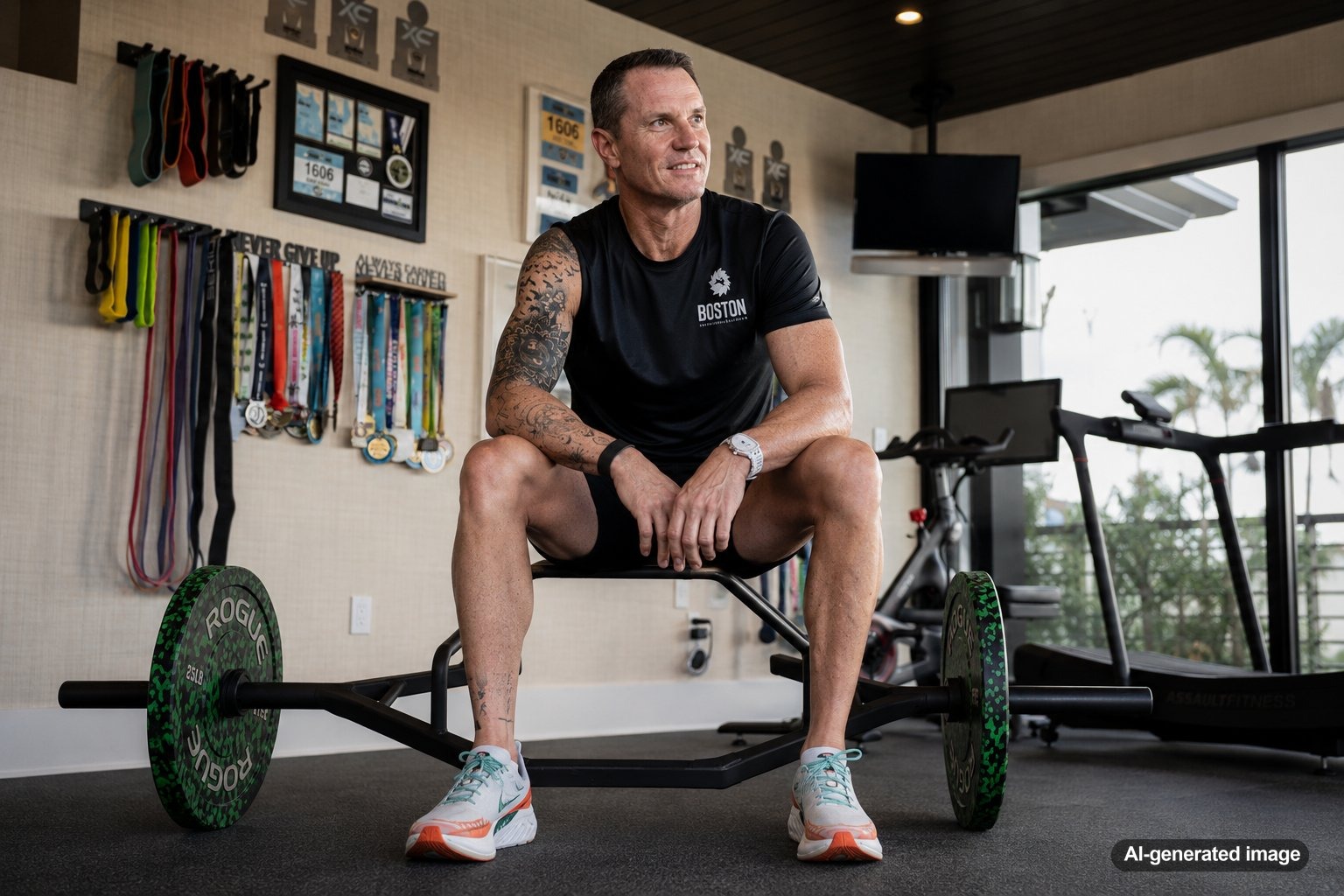
Yes, exercise can naturally support healthy testosterone levels, particularly when it improves strength, metabolic health, body composition, sleep, and overall physical capacity. The effect is not as simple as choosing one “testosterone-boosting” workout, however. Age, current health, training history, energy intake, recovery, and the amount of exercise all influence the hormonal response.
For athletes and active adults, the most useful goal is not to chase a temporary hormone spike after a hard session. It is to build a sustainable training life that supports the entire system. That principle reflects the broader discipline Greg brings to endurance, leadership, family, and forward motion: productive stress only works when it is paired with enough recovery to adapt.
Quick answer
- Resistance training can produce a temporary rise in testosterone and supports muscle, strength, and metabolic health.
- Regular physical activity may support a healthier hormonal environment indirectly through improved body composition and insulin sensitivity.
- Short, intense intervals can be useful when matched to a person’s fitness and recovery capacity.
- Excessive endurance volume, inadequate calories, and poor recovery may work against healthy reproductive hormone function.
- Exercise cannot diagnose or correct every cause of low testosterone. Persistent symptoms deserve a qualified medical evaluation.
How exercise and testosterone are connected
Testosterone is involved in reproductive function, bone health, muscle tissue, red blood cell production, and other processes. Its level is influenced by far more than the workout performed that morning. Sleep, nutrition, illness, medications, body composition, age, and underlying medical conditions may all matter.
Exercise affects testosterone in two different time frames. A demanding workout may cause an acute response, meaning testosterone changes temporarily during or after the session. That short-lived increase is not the same as a lasting improvement in resting testosterone. Long-term training adaptations depend on the complete pattern of activity, recovery, nutrition, and health.
This distinction matters because a bigger post-workout spike does not automatically mean better muscle growth, better health, or a higher baseline hormone level. Consistent training remains valuable even when it does not produce a dramatic long-term change on a laboratory report.
Resistance training offers a strong foundation
Strength training is one of the most practical forms of exercise for supporting healthy aging, muscle retention, bone strength, glucose management, and physical independence. Sessions that use several large muscle groups can also create a temporary testosterone response, especially when the work is challenging and the person has enough training experience to handle it.
A productive program does not need to be extreme. Two to four strength sessions per week may be appropriate for many adults, depending on their experience, schedule, health, and other training. The program can center on movement patterns such as:
- Squats, split squats, or leg presses
- Hip hinges, deadlift variations, or hip thrusts
- Rows and pulldowns
- Push-ups, presses, or machine presses
- Loaded carries and trunk-stability exercises
Progressive overload matters more than constantly reaching exhaustion. Adding a small amount of weight, completing another controlled repetition, improving range of motion, or using better technique can create a meaningful training stimulus without turning every session into a test of survival.
Intervals can help, but more intensity is not always better
High-intensity interval training can improve cardiovascular fitness and metabolic health in a time-efficient format. Brief, hard efforts on a bike, rower, hill, track, or other suitable modality may complement a strength program.
The dose still matters. Someone new to interval work might begin with several controlled efforts separated by generous recovery rather than repeated all-out sprints. An experienced athlete can tolerate more, but even advanced training should fit within the person’s total workload.
Intensity is useful because it is concentrated stress. It stops being useful when hard sessions accumulate faster than the body can absorb them. A week filled with heavy lifting, demanding intervals, long endurance sessions, work pressure, and short sleep may look disciplined on paper while functioning like chronic overload in real life.
Endurance exercise has a dose-response relationship
Running, cycling, swimming, and other endurance activities provide major cardiovascular and psychological benefits. Moderate endurance training can absolutely belong in a healthy routine. The concern is not endurance exercise itself. The concern is a sustained mismatch among training volume, available energy, sleep, and recovery.
Very high volumes of endurance exercise have been associated in some men with reduced resting testosterone, particularly when intense training is paired with inadequate calorie intake or prolonged physiological stress. This is one reason experienced endurance athletes pay attention to recovery signals rather than viewing fatigue as proof that the plan is working.
Greg’s experience as a 20-time Ironman reflects the importance of that long view. Endurance is built through consistent work, but longevity in sport also requires the judgment to adjust. A shorter session, easier day, additional meal, or full rest day can sometimes move an athlete forward more effectively than another hard workout.
Body composition and metabolic health may influence the picture
Exercise may support testosterone indirectly by helping improve insulin sensitivity, preserve lean tissue, and reduce excess body fat when appropriate. Obesity and metabolic conditions can affect sex hormone-binding globulin, commonly called SHBG, which influences how total testosterone results are interpreted.
This is another reason a single number from a single blood draw should not become a self-diagnosis. Total testosterone, free testosterone, SHBG, symptoms, health history, and testing conditions may all be relevant. A clinician can determine which measurements are appropriate.
Recovery is part of hormone-supportive training
A strong program includes deliberate recovery rather than treating it as time lost. Several fundamentals deserve as much attention as exercise selection:
- Sleep: Maintain a consistent sleep opportunity and address persistent sleep problems with a healthcare professional.
- Energy intake: Eat enough to support the amount of work being performed. Chronic underfueling can impair recovery and reproductive function.
- Protein and overall nutrition: Distribute adequate protein across meals while maintaining a varied diet that supplies carbohydrates, fats, vitamins, and minerals.
- Training variation: Alternate hard and easier sessions instead of stacking maximum-effort days without relief.
- Stress management: Account for work, travel, caregiving, illness, and emotional strain when deciding how much training is realistic.
What people often miss
A workout can be healthy without increasing resting testosterone. Strength, aerobic capacity, mobility, confidence, sleep quality, and metabolic health are valuable outcomes in their own right. Hormones are part of the picture, not a scoreboard for whether training “worked.”
A practical weekly approach
A balanced plan for a generally healthy adult might include two or three full-body strength sessions, two or three moderate aerobic sessions, and one carefully scaled interval session. Walking and mobility work can fill the spaces between structured workouts. At least one lower-demand day can help keep the week sustainable.
The right combination is personal. A new lifter, a recreational runner, and an experienced Ironman athlete should not use the same volume or intensity. Start from current capacity, progress gradually, and adjust when performance, sleep, mood, appetite, or recovery changes noticeably.
The objective is repeatable work. Greg’s speaking message is grounded in taking one more step, but that step does not always mean pushing harder. Sometimes it means making the measured choice that allows the next month and the next year of progress to remain possible.
When testing or medical guidance makes sense
Fatigue, reduced exercise performance, mood changes, sexual symptoms, or loss of muscle can have many possible causes. Testosterone deficiency cannot be identified from gym performance or symptoms alone.
Clinical evaluation generally considers both symptoms and consistently low laboratory values. Testosterone changes throughout the day and can also be affected by meals, acute illness, medications, and other factors. Morning testing and confirmation of an abnormal result may be part of a proper evaluation, but a qualified healthcare professional should determine the process.
Seek medical guidance when symptoms persist, change substantially, or interfere with daily life. Exercise can support health, but it should not be used to delay evaluation of a possible endocrine, sleep, cardiovascular, nutritional, or mental health concern.
Frequently asked questions
Which exercise raises testosterone the most?
Challenging resistance exercise involving large muscle groups can produce a temporary increase, and intense intervals may also create an acute response. The size of that response varies and does not necessarily predict a lasting increase in resting testosterone.
Can walking support healthy testosterone?
Walking may contribute indirectly by supporting cardiovascular health, energy balance, recovery, and metabolic health. It may be especially valuable because it adds activity without the recovery cost of another hard training session.
Can too much exercise lower testosterone?
Prolonged high training loads, especially when combined with inadequate calories and insufficient recovery, may suppress reproductive hormone function in some men. The risk depends on the person, training dose, nutrition, and health context.
How quickly can exercise change testosterone levels?
Temporary changes can occur around a single workout. Lasting changes, when they occur, are more likely to reflect weeks or months of training along with improvements in body composition, metabolic health, sleep, and recovery.
Should someone take supplements marketed as testosterone boosters?
Marketing claims are not a substitute for diagnosis, and supplement quality and evidence vary. Discuss symptoms, testing, medications, and supplements with a qualified healthcare professional before trying to alter hormone levels.
The bottom line
Exercise can be part of a lifestyle that supports healthy testosterone, but it is not a stand-alone solution or a contest to produce the biggest short-term hormone spike. Strength training, appropriate cardiovascular work, adequate nutrition, consistent sleep, and honest recovery form a more useful strategy.
Build capacity without confusing exhaustion with progress. The strongest plan is the one that challenges the body, respects its signals, and remains sustainable enough to keep you moving forward.
Interested in bringing Greg’s message to your event or organization?
Learn more about Greg’s speaking work or get in touch to start the conversation.
Contact Greg or learn more about the Forward Motion Fund.
This article is for educational purposes only and is not medical advice. For diagnosis, treatment, or personalized medical guidance, please speak with a qualified healthcare professional.
Sources & further reading
- National Institutes of Health: Various Factors May Modulate the Effect of Exercise on Testosterone Levels in Men
- National Institutes of Health: Reproductive Dysfunction from Exercise Training: The Exercise-Hypogonadal Male Condition
- National Institutes of Health: Laboratory Assessment of Testicular Function


