

What Is The Fastest Safe Way To Improve Endurance?
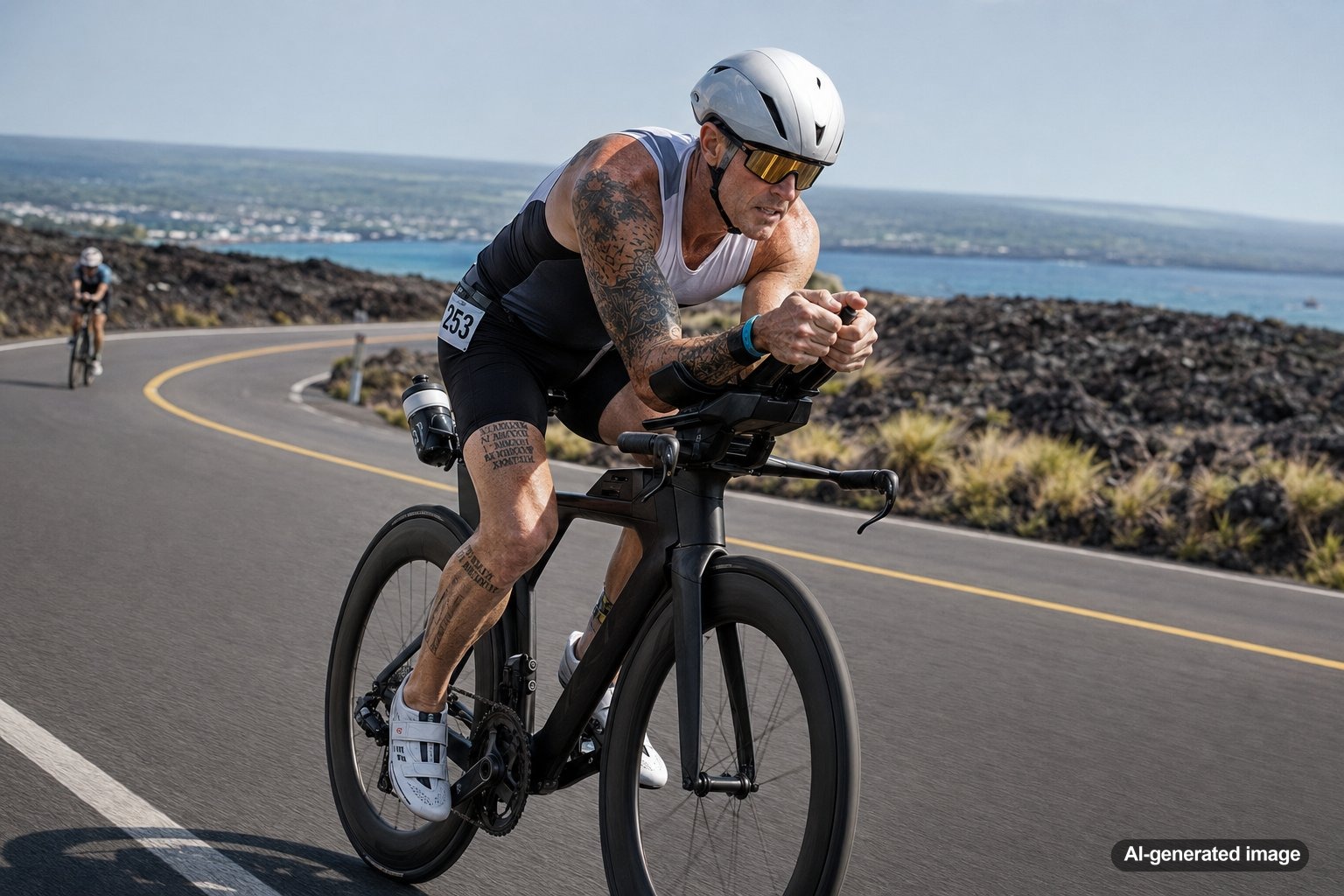
The fastest safe way to improve endurance is to train consistently at an effort you can recover from, increase the workload in small steps, and use harder sessions sparingly. It is less dramatic than pushing to exhaustion every day, but it works because the body gets a useful training signal without being buried by fatigue. The real shortcut is avoiding the setbacks that come from doing too much, too soon.
Endurance is not reserved for elite athletes. It supports long races, demanding workdays, active family life, and the ability to keep moving when a challenge lasts longer than expected. Greg’s experience across business leadership, family, endurance sport, and life with Young-Onset Parkinson’s reflects a practical truth: forward motion is built through repeatable steps, not one heroic effort.
Quick answer
- Build most sessions around an easy, sustainable effort that allows you to speak in complete sentences.
- Add time before intensity. Extend one or two sessions gradually instead of making every workout harder.
- Use one controlled quality session each week after you have established a consistent base.
- Recover on purpose. Sleep, fuel, hydration, and easier days are part of training.
- Adjust early. Persistent pain, unusual shortness of breath, chest discomfort, dizziness, or a sharp drop in performance should not be treated as tests of toughness.
Why consistency is the fastest route
A single punishing workout can make you feel accomplished. It cannot create durable endurance by itself. Endurance develops when manageable sessions are repeated often enough for the body and mind to adapt. If a workout leaves you unable to train well for several days, its cost may be greater than its benefit.
Think in terms of weeks, not isolated performances. Three or four repeatable sessions usually create a stronger rhythm than one enormous weekend effort followed by several inactive days. The exact frequency depends on your background, schedule, health, and chosen activity, but the principle stays the same: finish most sessions feeling as though you could have done a little more.
Start with an honest baseline
Before adding distance or speed, identify what you can currently repeat without excessive fatigue. Your baseline might be a 20-minute walk, an easy bike ride, a run-walk session, a swim with frequent rests, or a longer session at a conversational effort. The right starting point is not the workout you survived once. It is the workload you can complete consistently while still functioning well afterward.
Use simple observations rather than chasing a perfect metric. Can you speak in full sentences? Does your movement stay controlled? Do you recover by the next day? Are sleep, mood, and ordinary responsibilities holding steady? These clues make the plan responsive to real life.
Increase one variable at a time
Training gets risky when duration, frequency, and intensity all rise together. Choose one lever. You might add a few minutes to two easy sessions, add one short easy session to the week, or introduce brief controlled intervals while keeping total training time steady.
There is no universal weekly percentage that is safe for everyone. Training history, age, terrain, heat, illness, medication, sleep, and stress all affect what a reasonable increase looks like. A useful progression feels noticeable but not destabilizing. Hold the new workload long enough to see how you respond before adding more.
Keep easy training genuinely easy
Many athletes slow their progress by turning every session into a moderate grind. The effort is hard enough to create fatigue but not focused enough to serve as effective quality work. Easy sessions should feel controlled. You should be able to maintain relaxed form and speak in sentences, even if the pace seems modest.
Easy training is where you accumulate useful time without demanding a long recovery. It also gives you room to execute a harder session with intention. Pace will vary by person and by day, so effort is often a better guide than comparison with someone else’s numbers.
Add intensity with restraint
Once you have several weeks of consistent easy training, one quality session can help you progress. This might mean short uphill efforts, controlled intervals, or a sustained segment that feels challenging but never frantic. Warm up first, keep your technique intact, and stop the hard portion before your form falls apart.
Here is a simple scenario: an athlete who comfortably completes three easy sessions per week might keep two sessions unchanged and add four short, controlled pickups during the third. The following week, the athlete can repeat the session rather than immediately adding more. That repeat is valuable information. If recovery is smooth, the plan may progress. If fatigue lingers, the current dose is already enough.
Use recovery as training data
Recovery is not empty space between workouts. It reveals whether the training dose is appropriate. Pay attention to sleep quality, appetite, mood, soreness, coordination, motivation, and how an easy pace feels. One off day is normal. A pattern of worsening signals deserves an adjustment.
On difficult weeks, reduce the duration, intensity, or both. A shorter session is not a broken promise. It can preserve consistency and keep a temporary strain from becoming a longer interruption. This is where discipline becomes more useful than ego.
What people often miss
- Specificity matters. Cycling can build general aerobic fitness, but running endurance still requires gradual exposure to running’s impact and movement pattern.
- Strength supports endurance. Simple, appropriate strength work may help you maintain posture, control, and durability as fatigue builds.
- Fueling affects the session. Under-fueling can make a reasonable workout feel impossible and can complicate recovery.
- Life stress counts. A hard travel week, poor sleep, or a demanding deadline can reduce the training load you can absorb.
A practical four-week framework
Week 1: Establish. Complete a small number of easy sessions at a duration you know you can handle. Record effort and recovery in a sentence or two.
Week 2: Extend. Add a little time to one or two easy sessions while keeping the effort conversational.
Week 3: Introduce quality. If recovery has been steady, include one controlled interval session. Keep the remaining work easy.
Week 4: Consolidate. Repeat or slightly reduce the workload. Notice what improved and where fatigue accumulated before planning the next block.
This is a framework, not a prescription. Beginners, experienced athletes returning from a break, and people managing health conditions may need different starting points and rates of progression. A qualified coach can help with training design, while a healthcare professional can help determine whether exercise or a change in exercise is appropriate for your circumstances.
When Parkinson’s or another condition changes the plan
A diagnosis does not erase the value of movement, but it can change the safest route forward. Symptoms, medications, balance, fatigue, heat tolerance, and day-to-day variability may influence the type, timing, and supervision of training. The experience can vary widely, so comparison is especially unhelpful.
Work with qualified healthcare professionals who understand your condition and goals. Choose environments that reduce avoidable risk, train with support when appropriate, and give yourself permission to adapt the session in real time. Greg’s message of One More Step… Just One More is not a command to ignore the body. It is a commitment to find the next responsible form of forward motion.
Warning signs are information, not weakness
Stop exercising and seek appropriate medical guidance for chest pain or pressure, fainting, severe or unusual shortness of breath, confusion, or symptoms that feel alarming. Persistent or worsening pain, repeated dizziness, a marked loss of coordination, or fatigue that does not improve also deserves attention. If you are new to exercise, returning after illness or injury, or managing a medical condition, discuss your plans with a qualified healthcare professional.
Safe endurance training asks for patience, but patience is not passivity. It means making the next useful choice, then repeating it. That mindset applies on a racecourse, inside an organization, and during seasons when the path forward has to be redesigned.
Frequently asked questions
How quickly can endurance improve?
Some people notice that the same route or workout feels easier within several weeks, while larger changes take longer. Starting fitness, consistency, recovery, and health all affect the timeline. Judge progress by trends rather than one session.
Should I train every day?
Not necessarily. More days are useful only when each session is recoverable. Rest days and light movement days can support a stronger overall week.
Is walking enough to build endurance?
Brisk walking can be an effective starting point and a meaningful training method. Duration, terrain, and pace can be progressed gradually. Run-walk sessions are another practical option for people preparing to run.
Do I need a heart-rate monitor?
No. A monitor can provide useful context, but perceived effort and the talk test can guide many sessions. Medication and health conditions may affect heart-rate responses, so personalized interpretation belongs with a qualified professional.
What is the biggest mistake beginners make?
Making too many changes at once. Adding days, distance, and speed together makes it difficult to recover and impossible to know which change caused a problem. Progress one variable, observe, and then decide what comes next.
Interested in bringing Greg’s message to your event or organization?
Learn more about Greg’s speaking work or get in touch to start the conversation.
Contact Greg or learn more about the Forward Motion Fund.
This article is for educational purposes only and is not medical advice. For diagnosis, treatment, or personalized medical guidance, please speak with a qualified healthcare professional.


