

The Ultimate Packing List for Your First Ironman Race
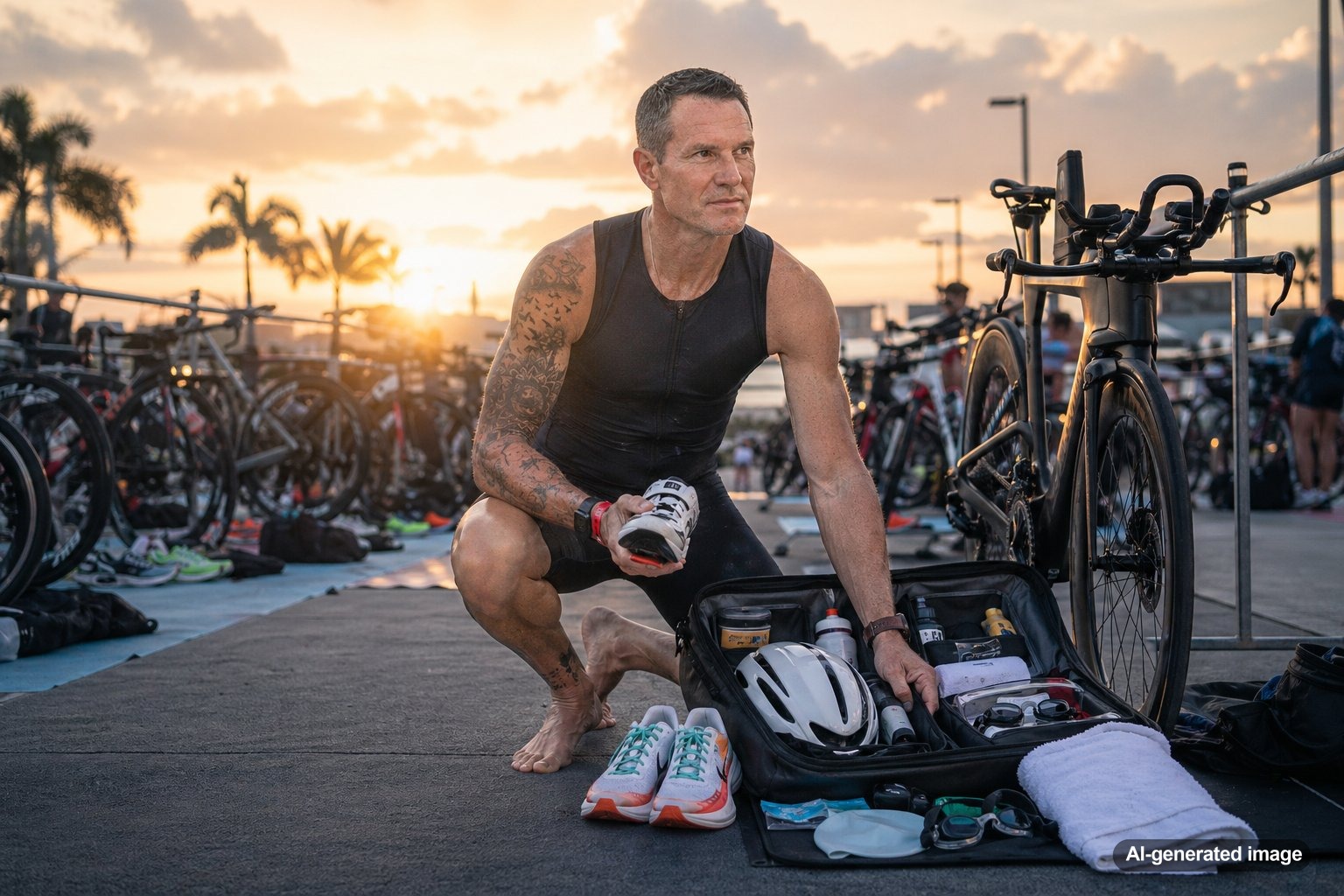
Your first Ironman race is not just another event on the calendar. It is a long day built from hundreds of small decisions, and packing well is one of the simplest ways to protect your focus before the start gun ever goes off.
The goal is not to bring everything you own. The goal is to bring the right gear, organize it clearly, and remove as many race-morning questions as possible. A smart packing list gives you confidence when nerves are high, when the forecast changes, and when your brain is trying to process swim, bike, run, nutrition, transitions, timing, and logistics all at once. Greg Schaefer’s world sits at the intersection of endurance, discipline, family, business leadership, and forward motion, and that same mindset applies here: control what you can, prepare with purpose, and take the day one step at a time. You can learn more about Greg’s broader story on the About Greg page.
Quick Answer: What Should You Pack For Your First Ironman?
- Swim gear: wetsuit if allowed, goggles, backup goggles, cap, anti-chafe balm, timing chip strap, towel, and warm pre-race layers.
- Bike gear: bike, helmet, shoes, sunglasses, repair kit, nutrition, bottles, flat-change supplies, and any weather-specific layers.
- Run gear: running shoes, socks, hat or visor, race belt, nutrition, anti-chafe products, sunscreen, and optional cooling items.
- Transition bags: organize each bag by race segment so you are not searching under pressure.
- Post-race items: dry clothes, comfortable shoes, recovery nutrition, phone charger, and anything that helps you reconnect with family or support crew.
Start With The Race Guide, Not Your Closet
Before you make your personal packing list, read the official athlete guide for your specific race. Every Ironman venue has its own rules, layout, weather patterns, check-in process, transition setup, special-needs system, and bag requirements. Some races use separate morning clothes bags, bike gear bags, run gear bags, and special-needs bags. Others have different drop-off timing or restrictions on what can be left with your bike.
This matters because your packing list should match the actual flow of the event. A perfectly packed bag is only useful if it is the correct bag, in the correct place, at the correct time. Print the schedule or save it offline. Highlight check-in windows, bike drop-off, gear bag drop-off, race morning access, special-needs rules, and cut-off times. Treat the race guide as the map, then build your packing system around it.
Pre-Race And Race Morning Essentials
Race morning is not the time to wonder where your body marking items, nutrition, or timing chip are. Pack a small race-morning bag with the things you need before the swim, and keep it simple enough that you can find items in low light, with cold hands, or while your nerves are loud.
- Race wristband, photo ID, and any required check-in materials
- Timing chip and strap
- Tri suit or race kit
- Warm throwaway clothes or layers for the start area
- Sandals or old shoes for walking to the swim start
- Anti-chafe balm
- Sunscreen
- Pre-race breakfast and fluids
- Electrolytes, if they are part of your practiced plan
- Toilet paper or wipes
- Phone, charger, and emergency contact information
One overlooked detail: bring a small, familiar breakfast setup. If you normally eat a certain bagel, bar, banana, oatmeal packet, or bottle mix before long training days, do not rely on finding it near the venue. Race-week stores sell out of common items quickly, and your stomach does not need a surprise.
Swim Gear Packing List
The swim can feel like the most emotionally charged part of a first Ironman because it begins the day and carries so much nervous energy. Your swim packing should focus on familiarity, comfort, and backup options.
- Wetsuit, if legal and appropriate for the water temperature
- Swimskin, if you plan to use one
- Race-issued swim cap
- Backup swim cap for warmth or comfort, if allowed
- Primary goggles
- Backup goggles with a different tint if conditions change
- Anti-fog solution or wipes
- Anti-chafe balm for neck, underarms, wrists, ankles, and suit contact points
- Small towel
- Earplugs, if you use them in training
- Warm layer for waiting before the start
Pack goggles you have already used. Brand-new goggles can leak, fog, pinch, or distort visibility. If the race starts near sunrise, consider whether clear, tinted, or mirrored lenses make the most sense. A simple backup pair can save your morning if a strap snaps or a lens gets scratched.
Bike Gear Packing List
The bike leg is where small mechanical and nutrition decisions can shape the entire day. Your bike packing list should include the obvious gear, but it should also include the items that keep you calm when something minor goes wrong.
- Bike, tuned and race-ready
- Helmet that meets race requirements
- Bike shoes
- Socks, if you wear them on the bike
- Sunglasses or cycling glasses
- Bike computer or watch
- Heart rate monitor, if used
- Charged electronic shifting batteries, if applicable
- Charged bike computer and power meter, if applicable
- Bottles and cages
- Practiced bike nutrition
- Electrolytes and hydration mix
- Flat repair kit
- Spare tubes or tubeless repair supplies
- CO2 cartridges or mini pump
- Tire levers
- Multi-tool
- Chain quick link, if you know how to use it
- Weather layers such as arm warmers, vest, gloves, or rain jacket
Do not pack a repair item you have never practiced using. It is better to know exactly how to change a tube with your own tools than to carry a complicated setup you cannot operate calmly on the side of the road. Confidence comes from repetition, not from owning the most gear.
Run Gear Packing List
By the time you reach the run, the day has already asked a lot from you. Your run bag should feel clear, simple, and familiar. You want to be able to change what needs changing, grab what matters, and move forward without turning the transition tent into a yard sale.
- Running shoes
- Fresh socks
- Race belt
- Hat or visor
- Sunglasses, if not already worn from the bike
- Run nutrition you have practiced
- Electrolyte capsules or chews, if part of your plan
- Anti-chafe balm
- Sunscreen
- Small towel
- Cooling towel, ice bandana, or arm sleeves, if appropriate for the race
- Long-sleeve layer or gloves for colder races
- Blister care items, if you know you may need them
The best run gear is not always the lightest. It is the gear that lets you keep moving. If you know certain socks prevent blisters, pack them. If a hat helps you manage heat and focus, bring it. If a familiar handheld bottle keeps your rhythm steady, use it only if it fits the race rules and your tested plan.
Transition Bags: How To Organize Them
Transition bags are where first-time Ironman athletes often overpack. The better approach is to think through the exact sequence of each transition. What will you remove? What will you put on? What must go with you? What can stay behind?
For your bike gear bag, place items in the order you will use them: towel, socks, shoes, helmet, sunglasses, nutrition, and weather layers. For your run gear bag, do the same: shoes, socks, race belt, hat, nutrition, anti-chafe, sunscreen, and any cooling or warmth items. Use small zip-top bags inside larger transition bags to separate nutrition, skin care, electronics, and clothing.
What First-Timers Often Miss
- Backup goggles matter. One broken strap can create unnecessary panic.
- Label everything. Bags, bottles, chargers, and special-needs items can all look similar on race weekend.
- Pack for the wait, not just the race. Standing around before the swim can be cold, emotional, and longer than expected.
- Do not try new nutrition. Race day is a test of execution, not experimentation.
- Think about after the finish. Dry clothes and comfortable shoes can feel like luxury after a long day.
Nutrition And Hydration Packing List
Nutrition is personal, and your Ironman packing list should reflect what you have already practiced in training. Avoid copying another athlete’s plan at the expo or changing your strategy because someone online swears by a different product.
- Pre-race breakfast
- Bike calories in the exact form you trained with
- Run calories in the exact form you trained with
- Hydration mix
- Electrolytes, if used in training
- Backup nutrition for special-needs bags
- Plain water bottles for mixing or rinsing
- Post-race snack if you have dietary preferences or restrictions
A useful rule is to separate nutrition by segment. Do not pack one giant nutrition pile and hope you sort it out later. Create a bike nutrition bag, a run nutrition bag, and backup special-needs portions if your race offers them. Write the timing plan on a small card if that helps you stay grounded.
Special-Needs Bags: Pack Helpful, Not Hopeful
Special-needs bags can be a gift when used wisely, but they can also become a place where athletes pack items they will never touch. Think of these bags as support points, not moving vans. The best items are practical, familiar, and useful if conditions shift.
For bike special needs, consider extra nutrition, a fresh bottle, sunscreen, a spare tube, a small comfort item, or a weather layer if the course and timing make sense. For run special needs, consider fresh socks, backup nutrition, anti-chafe balm, a warmer layer for a late finish, or a small personal note. Do not pack anything irreplaceable unless the race clearly states that special-needs bags will be returned, because policies can vary.
Post-Race And Family Support Items
Finishing your first Ironman is emotional, but the minutes after the finish can also be disorienting. Pack your post-race bag with the same care you give your race gear. Your body may be cold, your stomach may be unpredictable, and your mind may be somewhere between relief, gratitude, and disbelief.
- Dry shirt, sweatshirt, and pants
- Comfortable shoes or sandals
- Warm socks
- Phone and portable charger
- Simple recovery food
- Any medications or personal care items you need
- Cash or card
- Contact plan for family and support crew
- Hotel key or car key in a secure place
If family or friends are supporting you, make a simple plan before race day. Tell them where you may be emotionally focused, where they can realistically see you, and what you may need afterward. Endurance is never as individual as it looks from the outside. Support systems matter. For organizations and teams interested in the deeper lessons inside endurance, adversity, leadership, and forward motion, Greg’s speaking work brings those themes into a powerful real-world setting.
Final Packing Tips Before You Leave Home
Lay everything out by category before it goes into a suitcase. Then pack by race segment: swim, bike, run, transition, nutrition, electronics, documents, weather, and post-race. Take photos of each layout before you zip the bags. This gives you a visual reference if nerves make you question whether you packed something.
Charge every device before travel, then bring every charger you need. Check batteries for lights, bike computers, watches, power meters, electronic shifting, headphones for travel, and phone backups. Bring a small roll of electrical tape, safety pins, zip ties, and a permanent marker. These tiny items solve a surprising number of race-week problems.
Most importantly, do not let packing become a substitute for trust. You trained. You prepared. You will still feel nerves because the day matters. That is not a problem to eliminate. It is energy to carry with you, one decision at a time, one mile at a time, one more step at a time.
FAQ: First Ironman Packing Questions
How early should I start packing for my first Ironman?
Start building your list two to three weeks before race day, then begin physically organizing gear the week of the race. Waiting until the night before creates stress and increases the chance of missing something simple.
Should I buy new gear at the race expo?
Only buy expo gear for non-critical needs or future use. Avoid using brand-new shoes, goggles, nutrition, clothing, or saddle-related items on race day unless you have already tested them in training.
How many bags should I use to organize everything?
Use whatever system your race requires, then add smaller internal bags for swim, bike, run, nutrition, electronics, weather, and post-race items. Clear organization matters more than the total number of bags.
What is the biggest packing mistake first-time Ironman athletes make?
The biggest mistake is packing too much without a clear sequence. Every item should have a purpose and a place. If you cannot explain when you will use it, reconsider whether it belongs in that bag.
Should I bring backup items?
Yes, but choose backups wisely. Backup goggles, nutrition, socks, tubes, and chargers are useful. Backup versions of everything you own can create clutter and confusion.
Interested in bringing Greg’s message to your event or organization?
Learn more about Greg’s speaking work or get in touch to start the conversation.
Contact Greg or learn more about the Forward Motion Fund.
This article is for educational purposes only and is not medical advice. For diagnosis, treatment, or personalized medical guidance, please speak with a qualified healthcare professional.


