
The Fitness Habits Most Men Wish They Started Earlier
Most men do not look back and wish they had found a more complicated workout. They wish they had built a few simple fitness habits before stiffness, fatigue, recurring aches, or a demanding schedule made those habits harder to establish. The missed opportunity is rarely one perfect program. It is the accumulation of ordinary choices: lifting consistently, protecting mobility, developing aerobic fitness, recovering well, and refusing to disappear from training whenever life becomes crowded.
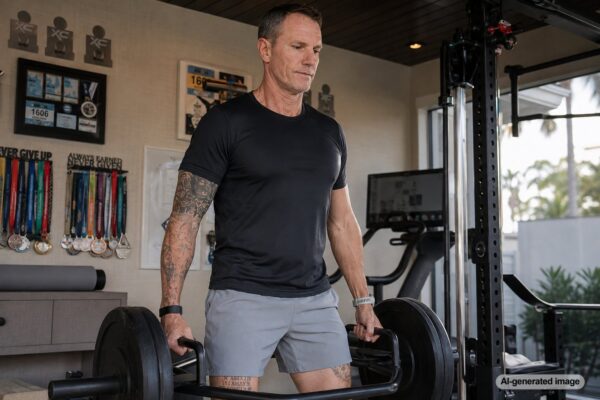
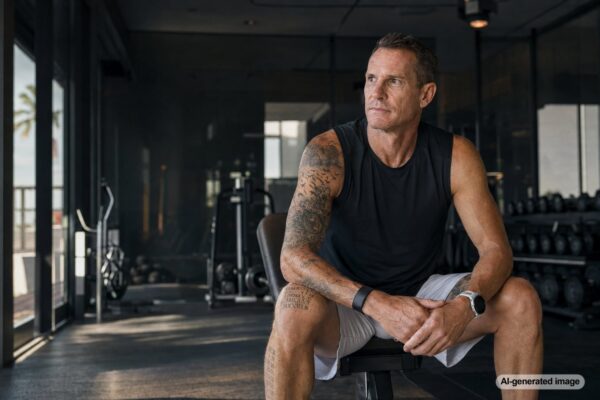
Starting earlier can help, but starting now still matters. Greg Schaefer’s experience across business leadership, endurance sports, family life, and adversity reflects a practical truth: lasting fitness is built through repeatable actions, not occasional bursts of intensity. The goal is not to reclaim a younger version of yourself. It is to create a stronger, more capable version of the person you are today.
Quick answer: The habits worth building now
- Strength train regularly instead of waiting until everyday tasks feel harder.
- Protect mobility and balance before limitations begin shaping what you can do.
- Develop an aerobic base with sustainable work, not only punishing sessions.
- Treat recovery as training by respecting sleep, rest, and manageable progression.
- Choose consistency over intensity so fitness can survive busy seasons and setbacks.
Build strength before you feel yourself losing it
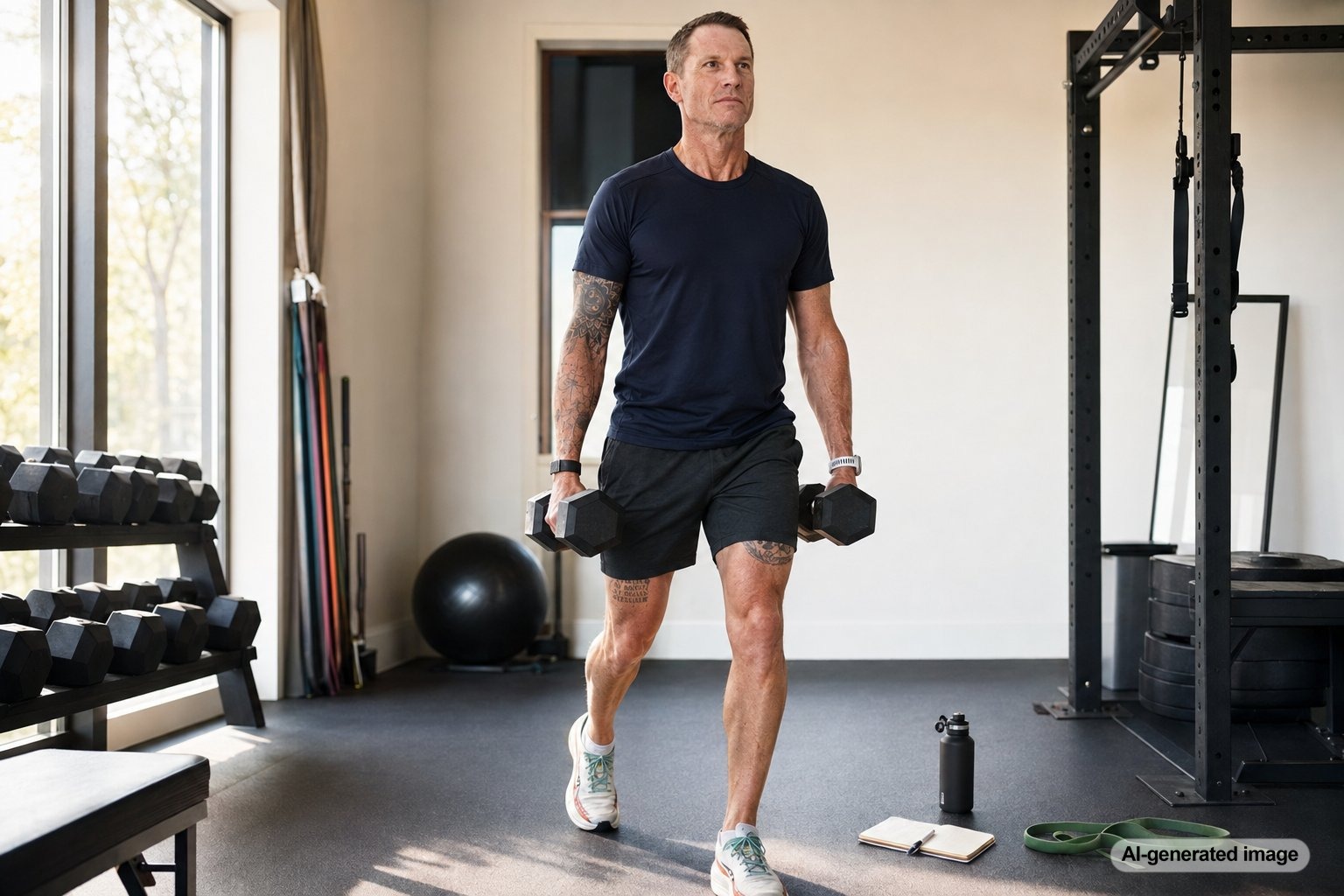
Many men begin exercising through sports, running, or high-intensity workouts and assume strength will take care of itself. Years later, they often wish they had spent more time building a dependable foundation. Strength supports far more than appearance. It helps make carrying luggage, climbing stairs, getting off the floor, handling yard work, and staying active with family feel more manageable.
A useful strength routine does not need to dominate the week. It should address the major movement patterns: pushing, pulling, squatting, hinging, carrying, and stabilizing. The exercises and loads can change according to experience and ability, but the underlying habit is simple. Train the whole body with control, keep a record of the work, and progress gradually instead of testing your limits every session.
One overlooked distinction is the difference between training a muscle and proving something. A productive session leaves room for another productive session. Constantly chasing exhaustion may feel committed, but restraint is often what makes long-term progress possible.
Protect mobility while you still move well
Mobility tends to receive attention only after something feels restricted. A shoulder no longer reaches comfortably overhead. Hips feel tight after a long flight. The first few steps in the morning become a negotiation. At that point, men often realize that mobility was not an optional extra. It was part of maintaining access to the activities they enjoyed.
Mobility work can be modest and specific. Five or ten focused minutes may include controlled joint movements, gentle range-of-motion work, and preparation for the day’s training. Ankles, hips, the upper back, and shoulders are common areas worth noticing because they influence many basic movements.
Stretching harder is not automatically better. The more useful question is whether you can control a comfortable range of motion. If a movement produces sharp pain, persistent discomfort, or instability, forcing it is not a badge of toughness. A qualified healthcare or movement professional can help evaluate what is happening.
Develop aerobic fitness without making every workout a test
Some men treat cardio as a punishment or perform every session at a pace that leaves conversation impossible. That approach can turn aerobic training into something to dread. A more sustainable habit is to spend much of the time at an effort that feels purposeful but controlled, then add harder work selectively when it fits the goal and the person.
Walking, cycling, swimming, rowing, hiking, and running can all contribute. The best option is not necessarily the activity that looks most impressive. It is the one you can perform safely, repeat consistently, and adapt as life changes. An easy walk on a difficult week still keeps the relationship with movement intact.
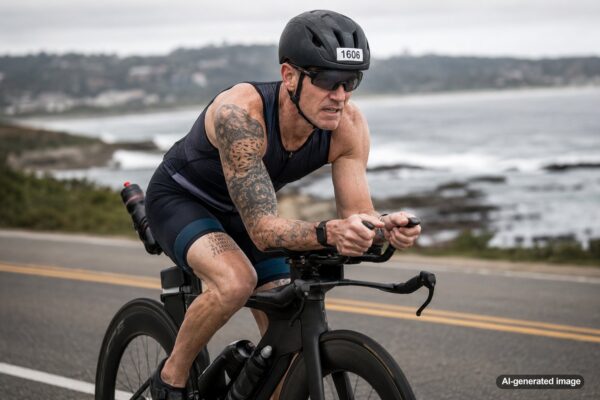
Endurance sports reinforce the value of pacing. Greg is a 20-time Ironman, but the lesson extends well beyond racing: beginning too aggressively can make the later miles unnecessarily difficult. Fitness follows a similar pattern. Sustainable effort gives you a better chance to keep moving when enthusiasm is no longer doing the work for you.
Practice balance and coordination on purpose
Balance is easy to take for granted because it rarely announces itself when it is working well. Yet it appears everywhere: stepping over an obstacle, moving across uneven ground, recovering from a stumble, or changing direction during a recreational sport. Men who trained mainly for size, speed, or endurance often wish they had given coordination more attention.
This does not require circus-level exercises. A stable single-leg stance near a support, controlled step-ups, carries, deliberate changes of direction, and slow movement through familiar exercises can add a coordination challenge. The appropriate level should feel attentive, not reckless.
Balance work also exposes an important gap between gym performance and real-world capability. Moving a heavy weight on a stable machine is one kind of strength. Controlling your own position while reaching, stepping, or carrying is another. A complete routine has room for both.
Learn technique before adding ego
It is tempting to measure progress by speed, distance, or weight alone. Technique can feel less exciting because it asks for patience. Still, many experienced athletes wish they had learned sooner that the quality of a repetition matters, especially when that repetition will be performed hundreds or thousands of times.
Good technique is not one rigid shape for every body. It is a safe, controlled way to complete the task while accounting for individual proportions, experience, and limitations. Video feedback, a thoughtful coach, or a qualified trainer can reveal patterns that are difficult to notice from inside the movement.
A practical rule is to earn progression. Add load, speed, distance, or complexity only when the current version remains controlled. When form falls apart every time fatigue arrives, the problem may not be a lack of toughness. The session may simply be asking for more capacity than you currently have.
Treat recovery as part of the plan
You cannot build a durable fitness practice by behaving as if rest is weakness. Training creates a demand; recovery gives you a chance to adapt and return. Men often learn this only after stacking hard workouts on poor sleep, work stress, travel, and family obligations until motivation or performance falls apart.
Recovery does not need to become another elaborate project. Consistent sleep routines, easier training days, adequate food and hydration, and occasional adjustments to volume can make the broader plan more sustainable. A lighter week is not necessarily a lost week. Sometimes it is the decision that preserves the next month.
Context matters here. An intense session during a calm week may be manageable. The same session during a stressful deadline, a run of poor sleep, or a difficult life event creates a different total load. Mature training responds to the whole person, not just the numbers written in a plan.
Stop starting over
The most valuable fitness habit may be learning how to continue imperfectly. Many routines collapse because they were built for ideal conditions: open calendars, high motivation, good weather, and unlimited energy. When reality interrupts, one missed workout becomes a lost week, then a story about needing to begin again on Monday.
A resilient routine includes smaller versions of itself. If the full workout is unavailable, take a brisk walk, complete a short strength circuit, or spend ten minutes on mobility. These options are not substitutes to feel guilty about. They are tools for maintaining continuity.
What people often miss
- Minimums matter. A short session can preserve the habit when a full session is unrealistic.
- Variety and inconsistency are different. Activities may change while the commitment to movement remains stable.
- Progress is not always visible. Better control, steadier energy, and greater confidence can matter as much as faster times or heavier weights.
- Adaptation is not surrender. Modifying training around age, health, injury, or responsibility is part of staying in motion.
After his Parkinson’s diagnosis in 2023, Greg returned to the start line in May 2024 and continued racing. That story should not be reduced to a slogan or used as a prescription for anyone else’s circumstances. It does, however, illustrate the power of adaptation. Forward motion can mean competing, rebuilding, walking, resting, asking for help, or taking one manageable step when the old plan no longer fits.
Make fitness part of your identity, not a temporary project
Goals provide direction, but identity helps a habit survive after the event, vacation, race, or milestone has passed. Instead of treating exercise as a temporary correction, consider what kind of person you want to remain: someone who takes care of his capacity, keeps promises to himself, and stays available for the people and responsibilities that matter.
This perspective also reduces the pressure to be perfect. An active person can miss a workout without abandoning the identity. A strong person can ask for guidance. An endurance-minded person can take a rest day. The standard becomes returning with honesty and intention, not maintaining an impossible streak.
Fitness is personal, but it rarely stays private. The discipline developed through training can shape how you lead, respond to adversity, and support a team. Greg brings those connected lessons from endurance, entrepreneurship, family, and advocacy into his speaking work, where resilience is grounded in lived decisions rather than empty motivation.
Frequently asked questions
Is it too late to start building these fitness habits?
No single age determines whether beginning is worthwhile. The right starting point depends on your current ability, health context, and experience. Begin at a manageable level, progress patiently, and seek qualified guidance when needed.
How many fitness habits should I change at once?
Start with one or two habits you can repeat reliably. For example, schedule two brief strength sessions and a daily walk before adding more complexity. A smaller plan that becomes routine is more useful than an ambitious plan that lasts ten days.
What is the best exercise for long-term fitness?
There is no universal best exercise. A well-rounded approach usually includes strength, aerobic activity, mobility, and balance in forms that suit the individual. Enjoyment, access, and consistency should influence the choice.
What should I do after missing several workouts?
Resume with a smaller session instead of trying to compensate for everything you missed. Returning at full intensity can make the restart feel punishing. Reestablish the rhythm first, then rebuild the workload.
When should I seek professional guidance?
Consider professional input if you are unsure how to begin, have an existing health condition, are returning after an injury, or experience pain, dizziness, instability, or other concerning symptoms during activity. The appropriate clinician or qualified fitness professional can help you choose a safer starting point.
Start with one more step
The habits men wish they had started earlier are rarely secrets. They are the fundamentals that seemed too small to matter until years of repetition revealed their value. Choose one: complete a short strength session, take a purposeful walk, practice balance near a stable support, or go to bed early enough to recover. Then repeat it.
The aim is not to erase time or train like someone else. It is to protect your ability to participate in your own life. One useful decision today can become the foundation you are grateful to have tomorrow.
Interested in bringing Greg’s message to your event or organization?
Learn more about Greg’s speaking work or get in touch to start the conversation.
Contact Greg or learn more about the Forward Motion Fund.
This article is for educational purposes only and is not medical advice. For diagnosis, treatment, or personalized medical guidance, please speak with a qualified healthcare professional.