The Forward Motion Fund: Making A Tangible Impact On Research
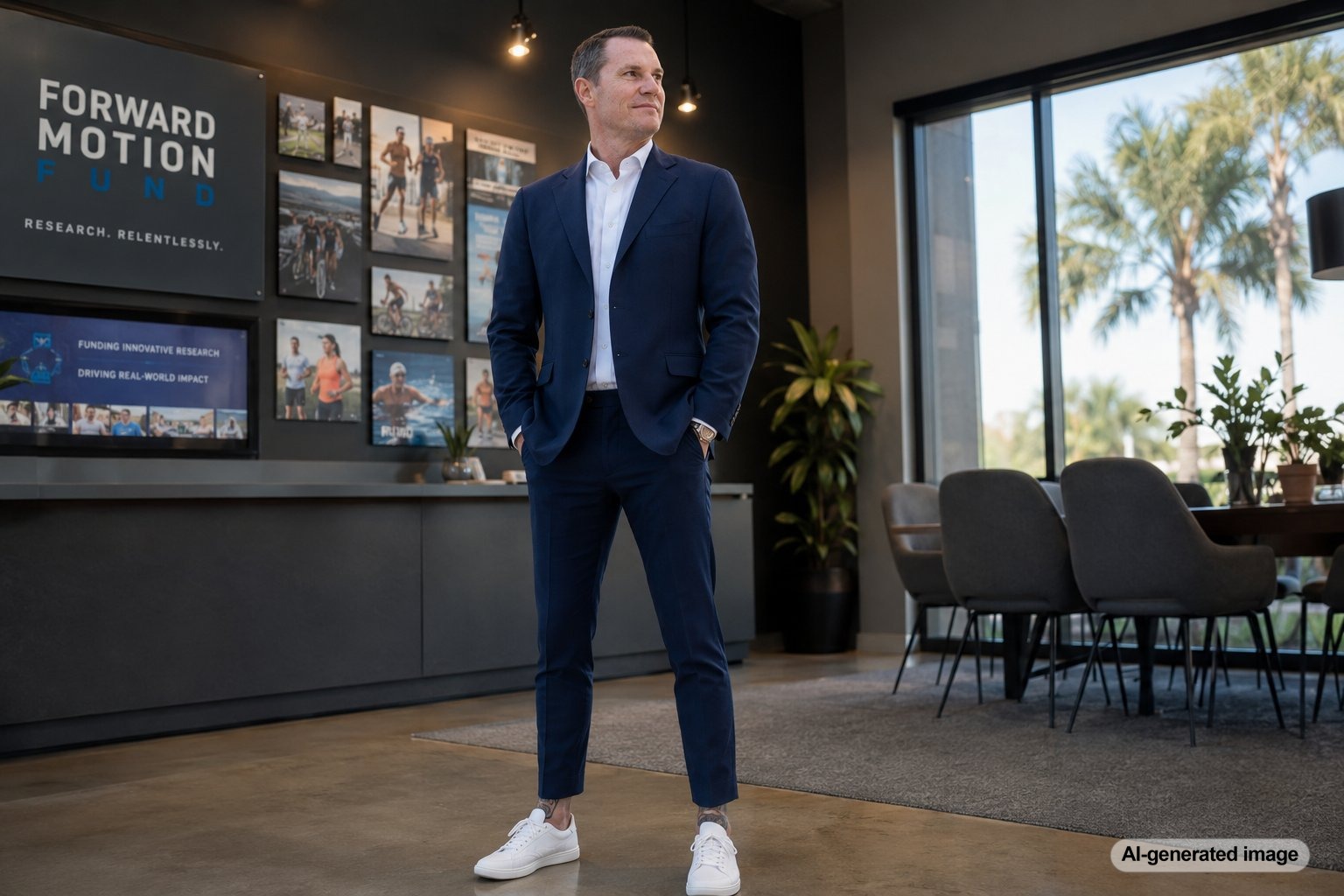
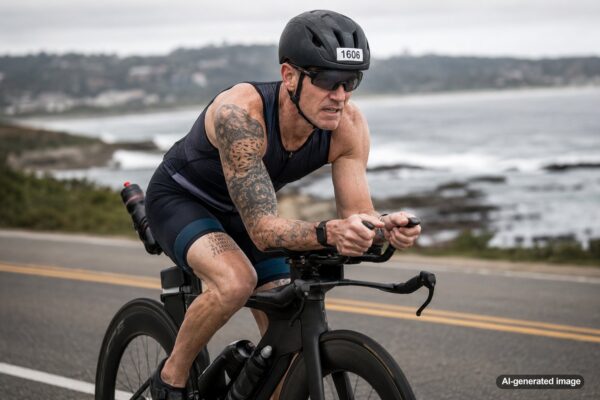
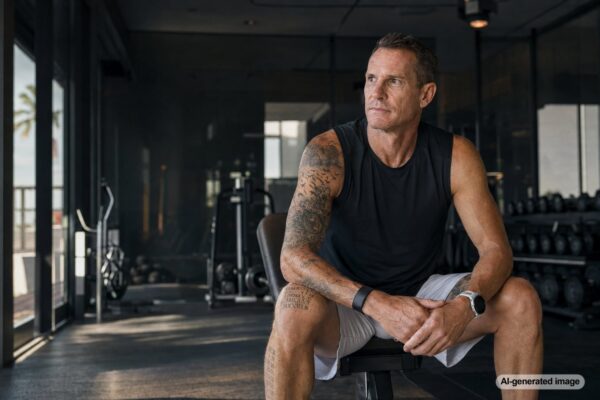
The Forward Motion Fund began with a simple but demanding idea: keep moving, then help that movement mean something for others. For Greg Schaefer, a dad, husband, CEO, endurance athlete, speaker, and 20-time Ironman living with Young-Onset Parkinson’s, forward motion is not a slogan. It is a daily choice shaped by family, discipline, uncertainty, and purpose.
The Fund exists to turn that choice into tangible support for causes connected to Parkinson’s research, partner and caregiver support, challenged athletes, and youth and education initiatives. It is not about making Parkinson’s look easy. It is about bringing people together around work that matters, with a clear belief at the center: one more step can become something bigger than one person. Learn more about the Forward Motion Fund and the mission behind it.
Quick answer: what does tangible impact mean here?
- It means supporting credible research efforts that are working to better understand Parkinson’s and improve quality of life over time.
- It means recognizing the whole circle of support, including partners, caregivers, families, and communities who carry real weight alongside the person diagnosed.
- It means connecting mission with movement, so endurance, speaking, advocacy, and community support reinforce each other.
- It means choosing practical action over vague inspiration, with support directed toward mission-aligned organizations and initiatives.
Why Parkinson’s research needs more than awareness
Awareness matters, but awareness by itself is not the finish line. Parkinson’s is a complex neurological disease, and the experience can vary widely from person to person. Research helps deepen understanding of symptoms, progression, treatments, quality of life, and the many questions that still remain for people living with Parkinson’s and their families.
For someone diagnosed with Young-Onset Parkinson’s, those questions can arrive in the middle of career, parenting, marriage, athletic goals, and identity. The impact is not limited to appointments or medication schedules. It can affect planning, confidence, energy, movement, relationships, and the way a person sees the future. That is why supporting research is also a way of supporting possibility.
Greg’s story sits at the intersection of business leadership, endurance sport, family, and advocacy. His return to racing after diagnosis was never about pretending the road was simple. It was about refusing to let the diagnosis become the only sentence in the story. The Forward Motion Fund extends that same posture outward by helping turn personal resolve into community benefit.
The research impact is bigger than a single breakthrough
When people hear the phrase “research impact,” they often imagine one dramatic discovery. In reality, progress is usually built through many connected layers: clinical research, patient participation, symptom management studies, quality-of-life work, care partner insights, data collection, and long-term scientific persistence.
That distinction matters. Tangible impact does not always look loud from the outside. It may look like funding that helps a mission-aligned organization continue a program, reach more families, support better education, or move a research question forward. It may look like bringing more attention to Young-Onset Parkinson’s, where the needs of people diagnosed earlier in life can differ from the common public picture of the disease.
The Forward Motion Fund is designed with that broader view in mind. Research is one pillar, but not the only pillar. Support for partners and caregivers, challenged athletes, and youth and education initiatives reflects the reality that Parkinson’s does not exist in isolation. A person moves through life with family, work, community, and purpose around them.
What people often miss about mission-driven giving
One overlooked part of mission-driven giving is that the strongest efforts are often grounded in lived experience, not branding. The Forward Motion Fund was born from Greg’s decision to keep moving after diagnosis, but its purpose is not to center one person’s hardship. Its purpose is to create a path where movement, generosity, and credible support can meet.
- Research needs consistency. Meaningful progress often depends on sustained attention, patient involvement, and long-term support.
- Care partners need to be seen. Spouses, partners, family members, and close supporters often carry emotional and practical responsibilities that deserve recognition.
- Movement can be a powerful platform. Endurance events create visibility, but the deeper value comes when that visibility is connected to service.
- Hope should be honest. The goal is not to promise easy answers. The goal is to support work that helps people move forward with more knowledge, resources, and connection.
How the Forward Motion Fund connects research, resilience, and community
Greg’s platform is not a narrow story about one disease, one race, or one stage. It is about what happens when adversity meets discipline, when leadership becomes personal, and when a person chooses to bring others into the mission. That is why the Fund naturally connects to his work as a motivational speaker, endurance athlete, entrepreneur, advocate, husband, and father.
For event planners and organizations, that connection matters. A message about resilience is stronger when it is attached to real action. A story about endurance carries more weight when it points toward research, care partner support, and community impact. A keynote about leadership becomes more grounded when the speaker has had to lead himself and others through uncertainty.
The Forward Motion Fund gives that message a practical outlet. It invites people not just to be moved by a story, but to become part of forward motion in a way that can serve others.
Practical ways supporters can think about impact
Support does not have to begin with a grand gesture. Many strong missions are built through repeated, thoughtful action. For some people, that may mean learning more about Parkinson’s and sharing credible resources. For others, it may mean supporting the Fund, attending an event, introducing Greg to an organization that needs his message, or simply choosing to stay connected to the work.
Impact can also look like better conversations. When people understand that Parkinson’s affects more than movement, that Young-Onset Parkinson’s can reshape midlife in complex ways, and that caregivers and partners need support too, the community becomes more informed and less isolated.
Interested in bringing Greg’s message to your event or organization?
Learn more about Greg’s speaking work or get in touch to start the conversation.
Contact Greg or learn more about the Forward Motion Fund.
FAQ
What is the Forward Motion Fund?
The Forward Motion Fund is Greg Schaefer’s mission-driven fund created to support Parkinson’s research, partner and caregiver support, challenged athletes, and youth and education initiatives through aligned organizations and community efforts.
Why does the Fund focus on research?
Research is essential because Parkinson’s is complex and varies widely from person to person. Credible research can help improve understanding, education, treatment development, symptom management, and quality of life over time.
Is the Fund only about Parkinson’s?
No. Parkinson’s research and awareness are central to the mission, but the Fund also reflects Greg’s broader world: family, endurance sports, leadership, challenged athletes, education, advocacy, and community impact.
How does this connect to Greg’s speaking work?
Greg’s speaking is rooted in lived experience, business leadership, endurance discipline, family, and advocacy. The Fund gives that message a practical extension by connecting resilience and forward motion to real community support.
This article is for educational purposes only and is not medical advice. For diagnosis, treatment, or personalized medical guidance, please speak with a qualified healthcare professional.