

How To Handle The Unexpected During A Triathlon
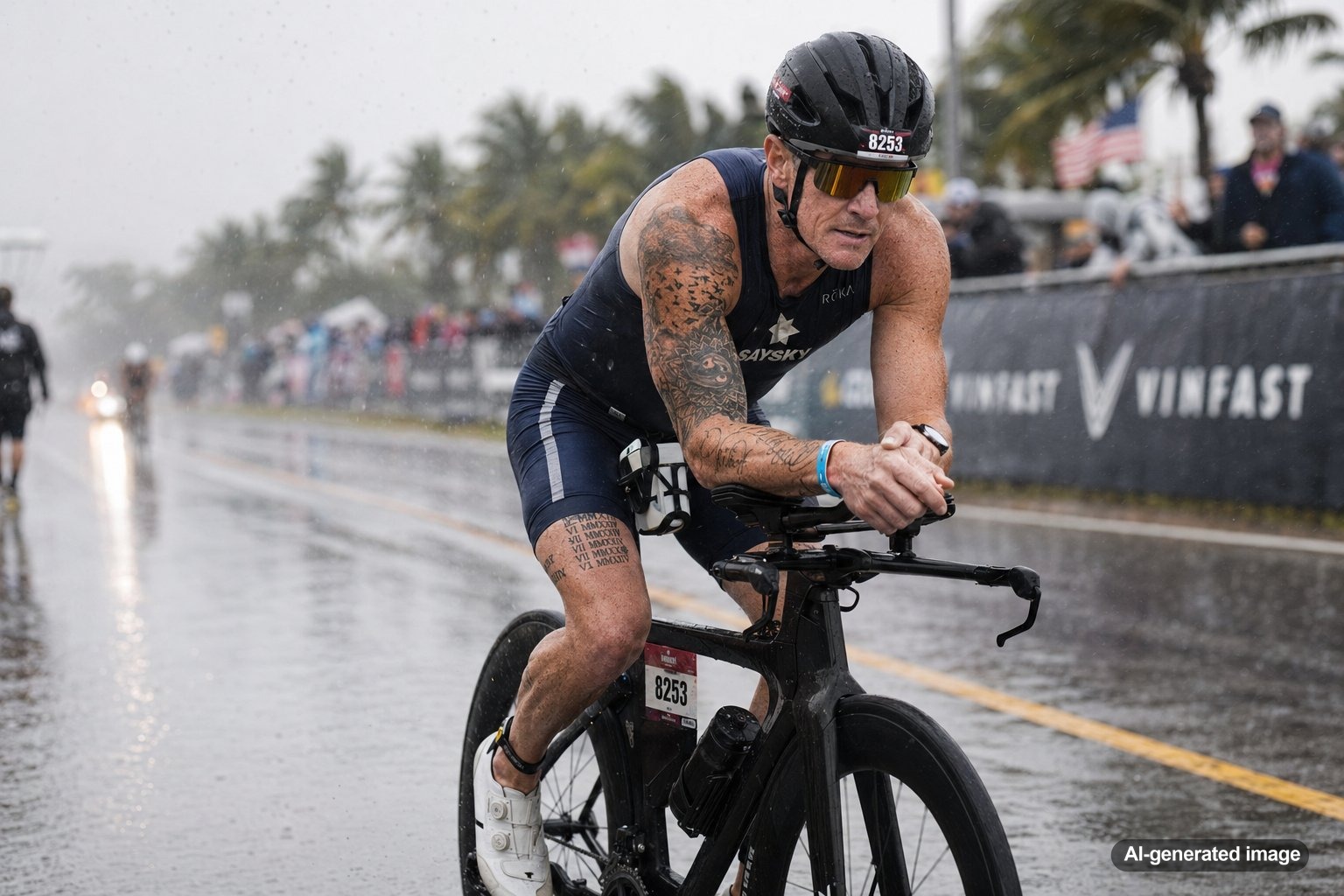
A triathlon rarely goes exactly the way it looked in your training plan. The weather shifts. Goggles leak. A bottle launches off the bike. Your stomach turns. A transition bag feels impossible to find. The race you imagined and the race you are actually in can become two different things very quickly.
Handling the unexpected during a triathlon is not about pretending problems are small. It is about staying calm enough to solve the next problem in front of you. That mindset is central to endurance sports, and it is also central to the kind of forward motion Greg Schaefer speaks about as an athlete, entrepreneur, dad, husband, and advocate. You do not need a perfect day to keep moving. You need the discipline to adjust without losing yourself. Learn more about Greg’s story on the About Greg page.
Quick answer: how do you handle the unexpected during a triathlon?
- Expect friction before race day. Build a mindset that assumes something may go wrong, so it does not feel shocking when it does.
- Separate urgency from panic. Some problems need fast action, but very few get better when your breathing and thinking fall apart.
- Return to the next controllable step. Fix the goggles, adjust the pace, settle the stomach, find the line, or get back to your nutrition plan.
- Practice troubleshooting in training. Rehearse rough water, windy rides, hot runs, missed bottles, and imperfect pacing before the stakes feel high.
- Keep your identity bigger than the result. A hard race day can still reveal strength, patience, and character.
The first surprise is usually emotional
The unexpected problem is rarely just the problem itself. It is the emotional spike that comes with it. A flat tire is mechanical. The thought that the whole race is ruined is mental. A bad swim start is physical. The urge to panic, fight the water, or compare yourself to the field is emotional.
Strong triathletes learn to notice that gap. Something happens. A feeling follows. Then there is a choice. You can let the feeling drive the next five minutes, or you can bring yourself back to a smaller question: what is the next useful move?
That question matters because triathlon rewards composure under friction. The athlete who never faces trouble does not always win the day. Often, the athlete who handles trouble without spiraling is the one who finds a way through.
Know the difference between a problem and a story
During a race, the mind can turn one issue into a much larger story. A slow transition becomes, “I am falling apart.” Heavy legs become, “I did not train enough.” A missed nutrition window becomes, “My day is over.” Some of those thoughts may feel convincing in the moment, but they are not always accurate.
A useful race-day skill is learning to name the actual problem without adding drama to it. Instead of “I am done,” try “I am behind on fluids.” Instead of “I cannot race in this wind,” try “I need to ride steadier and protect my effort.” Instead of “The swim ruined me,” try “I need the first mile of the bike to reset.”
This kind of mental discipline does not make the race easy. It makes the next decision cleaner.
Build a race-day reset routine
A reset routine gives you something to return to when the race gets messy. It should be simple enough to use while swimming, riding, running, or standing in transition with your heart rate high.
A practical reset can look like this:
- Breathe once on purpose. Not perfectly, not dramatically, just intentionally.
- Name the issue. “My goggles are leaking.” “My pace is too hot.” “I missed a bottle.” Keep it factual.
- Choose one action. Adjust, slow down, fuel, fix, or keep moving until the next safe place to address it.
- Return to rhythm. Stroke, pedal, step. Let the body find a repeatable pattern again.
The goal is not to erase frustration. It is to keep frustration from making decisions for you.
Common surprises in each part of the race
Swim surprises
The swim can feel chaotic because there are fewer easy exits. Crowded starts, contact, fogged goggles, choppy water, poor sighting, and a faster-than-planned opening effort can all rattle an athlete early. The best response is often to create space, shorten the focus, and regain breathing rhythm before trying to push again.
In open water, composure is speed. Fighting the water wastes energy. Accepting the conditions, adjusting your line, and staying patient can protect the rest of the race.
Bike surprises
The bike often reveals equipment, pacing, and nutrition problems. A dropped chain, mechanical noise, missed bottle, headwind, stomach discomfort, or early power spike can change the tone of the day. The key is to avoid turning the bike leg into a revenge effort. If something goes wrong, solve it without burning matches you will need later.
Many athletes lose more time emotionally than mechanically. They surge, chase, overcorrect, or abandon the plan too early. A better response is to stabilize effort, re-enter the nutrition schedule, and ride the course you are actually on.
Run surprises
The run is where small decisions compound. Heat, cramps, GI issues, heavy legs, blisters, or the simple reality of accumulated fatigue can make the final segment feel much different from training. This is where pacing humility matters.
Handling the unexpected on the run may mean walking an aid station with purpose, cooling yourself intelligently, adjusting expectations, or breaking the course into tiny pieces. Sometimes the race becomes less about holding the perfect pace and more about refusing to mentally leave the course before your body has finished.
Preparation is not just fitness
Many triathletes prepare their bodies better than they prepare their problem-solving. They know their target pace, but not what they will do if the pace disappears. They know their nutrition plan, but not what they will do if their stomach rejects it. They know their goal time, but not how they will respond if the day no longer supports it.
Preparation should include controlled imperfection. Train sometimes in wind. Practice transitions when you are tired. Swim in less-than-perfect conditions when it is safe to do so. Learn how your gear behaves when rushed. Know what your stomach tolerates under stress, not just in calm workouts.
Race-day confidence becomes stronger when it is not based on everything going right. It is based on knowing you have handled enough imperfect moments to stay present.
What people often miss
The unexpected does not always require a heroic response. Sometimes it requires a boring one: slow down, fix the issue, drink, breathe, recheck the plan, and move again.
That may not sound dramatic, but it is often what separates a salvageable race from a total unraveling. Resilience is not always loud. Sometimes it is quiet, practical, and almost invisible from the outside.
How endurance builds leadership under pressure
Triathlon has a way of exposing the same patterns that show up in business, family, advocacy, and life after a diagnosis. You can prepare deeply and still face a situation you did not choose. You can be strong and still need to adjust. You can be disappointed and still move with purpose.
That is one reason endurance racing can become such a powerful leadership classroom. Leaders are not measured only by how they perform when the plan works. They are revealed by how they respond when the plan breaks, when people are watching, and when the next decision still matters.
For organizations and teams, this is where Greg’s message connects beyond sport. His work as a speaker draws from the intersection of Ironman racing, business leadership, family, Parkinson’s advocacy, and the belief that forward motion often begins with one more step. Learn more about his keynote work on the Speaking page.
Practical ways to train for the unexpected
- Practice a rough-start swim reset. Learn how to regain breathing, change position, and settle into rhythm after early chaos.
- Rehearse nutrition adjustments. Know what you will do if you miss a bottle, feel nauseous, or need to slow intake temporarily.
- Learn basic bike fixes. You do not need to be a mechanic, but you should know how to handle common issues within your ability and race rules.
- Run on tired legs. Brick workouts teach more than pacing. They teach emotional acceptance of discomfort.
- Use process goals. When time goals slip, process goals can keep you engaged: smooth cadence, calm breathing, steady fueling, controlled aid stations.
- Write a backup plan. Before race day, decide how you will respond to heat, rain, wind, stomach trouble, panic, or equipment stress.
FAQ
What should I do if something goes wrong early in the race?
Slow the moment down as much as you can. Identify the actual issue, take one useful action, and avoid declaring the entire race ruined. Early problems can feel huge because adrenaline is high, but many races can still be managed well after a rough start.
How do I stay calm during a chaotic open-water swim?
Focus first on breathing and space. You may need to ease effort, change position, sight more clearly, or let a crowded pack move ahead. Calm swimming is usually more effective than fighting the water or forcing a pace you cannot control.
Should I change my race goal if conditions are bad?
Sometimes, yes. Adjusting a goal is not the same as giving up. Heat, wind, illness, mechanical issues, or nutrition problems can make the original plan unrealistic. A smart adjustment can help you keep racing with purpose instead of chasing a number that no longer fits the day.
How can I prepare mentally for race-day problems?
Expect that some friction is normal. Practice imperfect scenarios in training, create a simple reset routine, and decide in advance what your controllable actions will be. Mental toughness is easier to access when you have rehearsed it before the race.
What if the race does not go the way I hoped?
A disappointing race can still be meaningful. Review what happened honestly, without turning the day into a judgment of your identity. The lesson may be about pacing, gear, nutrition, decision-making, or patience. Sometimes the value of the race is not the result, but the way you kept moving when the day changed.
Interested in bringing Greg’s message to your event or organization?
Learn more about Greg’s speaking work or get in touch to start the conversation.
Contact Greg or learn more about the Forward Motion Fund.
This article is for educational purposes only and is not medical advice. For diagnosis, treatment, or personalized medical guidance, please speak with a qualified healthcare professional.


