How High Performers Can Avoid Turning Wellness Into Another Source of Pressure
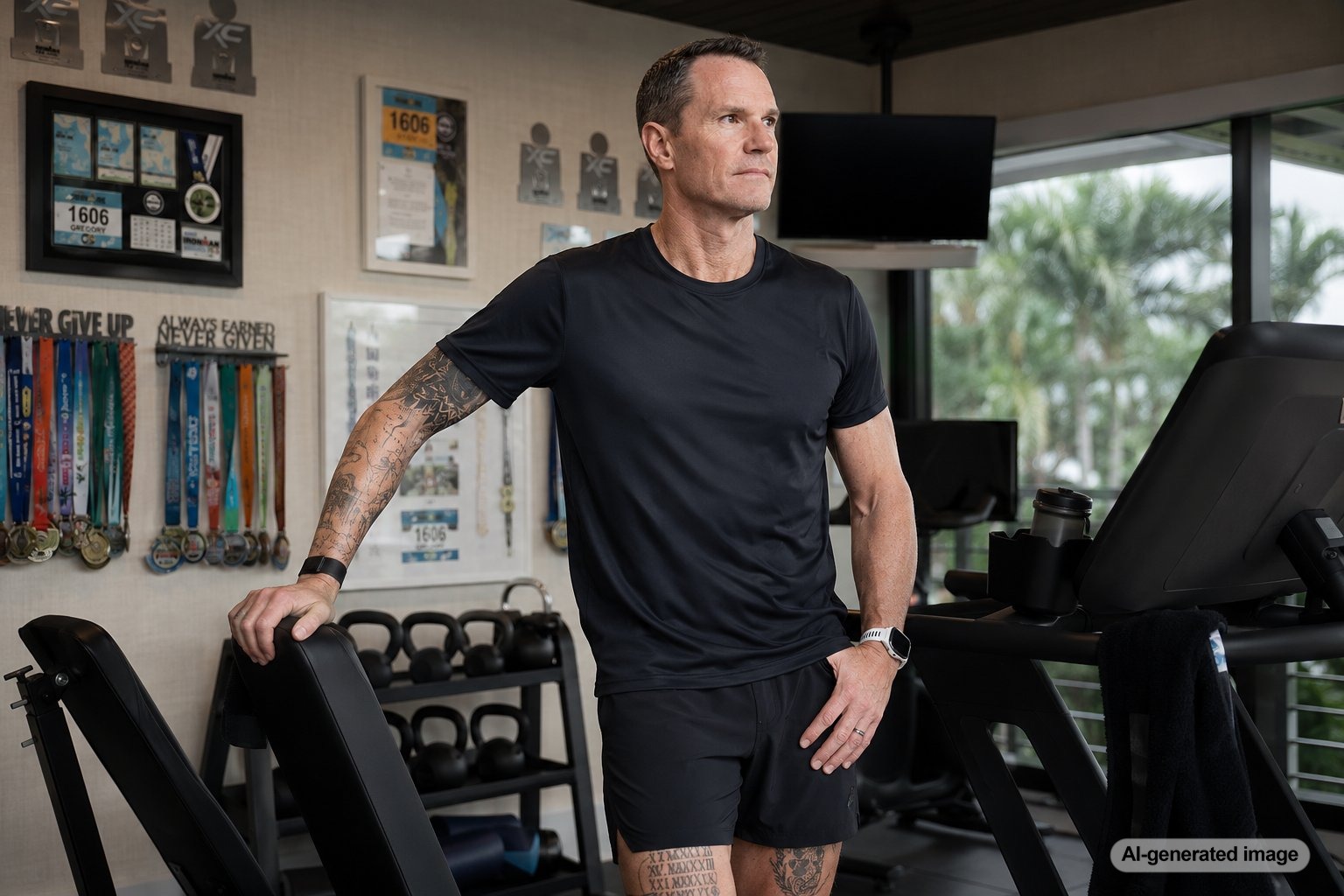
High performers are skilled at turning intentions into systems. They set targets, track progress, build routines, and push through resistance. Those strengths can create extraordinary results, but they can also turn wellness into another arena where every meal, workout, bedtime, and recovery practice feels like a test.
Wellness should support the life you are trying to live. It should not become a second job, a source of guilt, or another scoreboard that follows you home. The goal is not to abandon discipline. It is to use discipline in a way that creates capacity rather than constant pressure.
That distinction matters for athletes, executives, founders, parents, and anyone accustomed to carrying significant responsibility. Greg’s broader work across business, endurance, family, and advocacy reflects a reality many driven people eventually face: forward motion is not always about doing more. Sometimes it means choosing what is sustainable.
Quick answer
- Define wellness by how it supports your life, not by how perfectly you follow a plan.
- Use flexible minimums instead of treating every day like a peak-performance day.
- Track a few meaningful signals rather than measuring everything.
- Separate consistency from intensity. A lighter day can still be a successful day.
- Notice when healthy habits begin producing guilt, rigidity, or unnecessary isolation.
Why high performers can make wellness feel heavy
Many high performers approach wellness with the same mindset they bring to a major project or competitive event. They research the ideal routine, buy the right tools, establish measurable goals, and expect steady improvement. The process can feel energizing at first because it creates structure and control.
Pressure builds when the routine stops being a resource and starts becoming a judgment. Missing one workout feels like losing momentum. Eating differently than planned feels like failure. A late night becomes evidence of poor discipline. Rest feels acceptable only when it has been earned through enough effort.
This pattern is easy to miss because the individual behaviors may still look healthy from the outside. The issue is not necessarily the workout, food plan, sleep schedule, or recovery practice. The issue is the emotional contract attached to it: “I must complete this perfectly to feel responsible, capable, or in control.”
Replace the ideal routine with a usable range
Rigid plans often assume stable energy, predictable schedules, and uninterrupted motivation. Real life does not work that way. Travel happens. Children need attention. Work expands. Bodies feel different from one day to the next. A sustainable wellness approach accounts for variation before it occurs.
Instead of defining one acceptable version of a habit, create a range:
- Full version: The complete workout, meal-preparation session, or recovery routine when time and energy are available.
- Reduced version: A shorter or simpler option that preserves the intention without demanding the same output.
- Minimum version: A small action that keeps you connected to the habit during demanding periods.
A full training session might become 20 minutes of mobility and basic strength work. A carefully prepared dinner might become a simple meal built around ingredients already available. A long morning routine might become five quiet minutes before opening email.
The reduced version is not a loophole. It is part of the plan. High performers often become more consistent when they stop requiring every effort to be impressive.
Track signals that help you make decisions
Measurement can be useful, but more data does not always create more clarity. A person can monitor sleep duration, readiness, heart rate, training volume, hydration, calories, steps, weight, and productivity while becoming less connected to how they actually feel.
Choose a small set of signals that lead to practical decisions. Useful questions might include:
- Do I have enough energy for the responsibilities that matter today?
- Am I recovering between demanding efforts?
- Is this routine improving my patience, focus, and presence?
- Can I adapt the plan without feeling that the day is ruined?
- Does this habit make my life broader or narrower?
A metric earns its place when it helps you respond wisely. If it mainly creates anxiety, comparison, or compulsive checking, it may no longer be serving its original purpose.
Separate consistency from intensity
High achievers often associate consistency with repeating the same level of effort. That definition is too narrow. Consistency can also mean staying in relationship with a priority while adjusting the intensity to match reality.
An endurance athlete does not race every day. A strong business leader does not treat every meeting as a crisis. A thoughtful parent does not bring the same energy to every moment. Sustainable performance includes changes in pace.
On some days, wellness may look like focused training, careful planning, and ambitious work. On others, it may mean taking a walk, going to bed earlier, declining an unnecessary commitment, or choosing not to turn a difficult day into a personal verdict.
One More Step… Just One More does not require every step to be equally large. Forward motion can be deliberate, quiet, and appropriately scaled.
Watch for wellness perfectionism
Healthy structure becomes less healthy when flexibility disappears. Common warning signs include:
- Feeling guilty or irritable when a routine changes.
- Avoiding social plans because they do not fit the wellness schedule.
- Adding new practices without removing anything else.
- Using exercise or food choices to compensate for perceived failures.
- Ignoring fatigue because rest does not feel productive.
- Believing a shortened effort has no value.
These patterns do not mean discipline is bad. They suggest the system may need adjustment. A useful routine should help you participate more fully in work, relationships, purpose, and daily life. It should not demand that everything else revolve around maintaining the routine.
Build wellness around capacity, not control
A practical wellness plan asks, “What helps me carry what matters?” That question is different from, “How can I optimize every part of myself?”
Capacity-based wellness may include strength, endurance, nourishing food, sleep, time outdoors, medical care, emotional support, or genuine rest. The right mix depends on the person and the season. Its value is measured by whether it helps you remain engaged with your responsibilities and relationships without constantly running yourself into the ground.
For a leader, that might mean protecting enough energy to make thoughtful decisions instead of arriving at every conversation depleted. For an athlete, it might mean respecting recovery so training can remain consistent. For a parent or partner, it might mean leaving enough margin to be present rather than completing a perfect routine at the expense of connection.
Use questions instead of commands
Internal commands tend to sound like “I should train,” “I have to stay on plan,” or “I cannot lose momentum.” Questions create more room for judgment.
- What would support me today?
- What level of effort is appropriate?
- What am I trying to prove by pushing harder?
- Would rest improve tomorrow’s effort?
- Am I choosing this habit from purpose or fear?
This approach is not passive. It requires honesty. Sometimes the honest answer is that resistance should be challenged and the work should be done. Other times, the honest answer is that another demanding session would deepen exhaustion rather than build resilience.
Protect one part of wellness from measurement
High performers often benefit from keeping at least one restorative activity free from optimization. Take a walk without tracking distance. Spend time outside without turning it into a productivity practice. Share a meal without calculating whether it was ideal. Move because movement feels good, not because it advances a target.
This creates space where well-being is experienced rather than evaluated. It also reminds you that not every meaningful action needs proof, a score, or a public result.
The bottom line
Wellness works best when it increases your ability to live, lead, compete, connect, and contribute. It becomes counterproductive when it creates constant self-surveillance or makes ordinary human variation feel like failure.
Keep the discipline. Loosen the rigidity. Build full, reduced, and minimum versions of important habits. Track only what helps you make better decisions. Let recovery count before exhaustion forces it to count.
Frequently asked questions
How can I tell whether my wellness routine is becoming another source of stress?
Pay attention to your response when the routine changes. Persistent guilt, irritability, anxiety, isolation, or the belief that a modified effort is worthless may indicate that the structure has become too rigid.
Is it wrong for high performers to track wellness metrics?
No. Tracking can provide useful feedback. The key is whether the information supports practical decisions or creates pressure without improving your choices. A few relevant measurements are often more useful than monitoring every available data point.
How do I maintain discipline without becoming obsessive?
Define several acceptable versions of each habit, schedule recovery before it feels urgent, and evaluate the routine by its effect on your broader life. Discipline should help you remain capable and connected, not make flexibility feel dangerous.
Does reducing a workout or routine mean I am losing momentum?
Not necessarily. Adjusting intensity can preserve consistency during busy, stressful, or low-energy periods. A reduced effort may help you return to fuller training without creating unnecessary fatigue or resentment.
What should I do if I cannot relax without feeling unproductive?
Start with small periods of unmeasured rest and notice the discomfort without immediately trying to eliminate it. It may also help to examine the beliefs connecting productivity with worth. Support from a qualified mental health professional can be valuable when pressure, anxiety, or rigid behaviors are affecting daily life.
Interested in bringing Greg’s message to your event or organization?
Learn more about Greg’s speaking work or get in touch to start the conversation.
Contact Greg or learn more about the Forward Motion Fund.
This article is for educational purposes only and is not medical advice. For diagnosis, treatment, or personalized medical guidance, please speak with a qualified healthcare professional.