
How Late Is Too Late To Exercise Before Bed?

For most people, there is no universal hour when exercise suddenly becomes too late. The more useful guideline is to consider how hard the session is, how close it ends to bedtime, and how your body responds afterward. A relaxed walk or mobility session may fit comfortably near bedtime, while intervals, heavy lifting, or a long endurance workout may leave you warm, alert, hungry, and unable to settle.
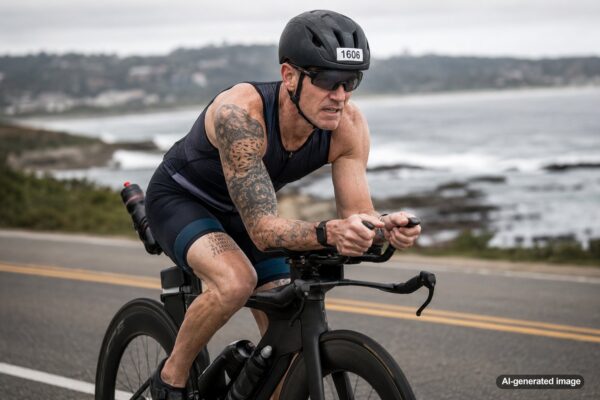
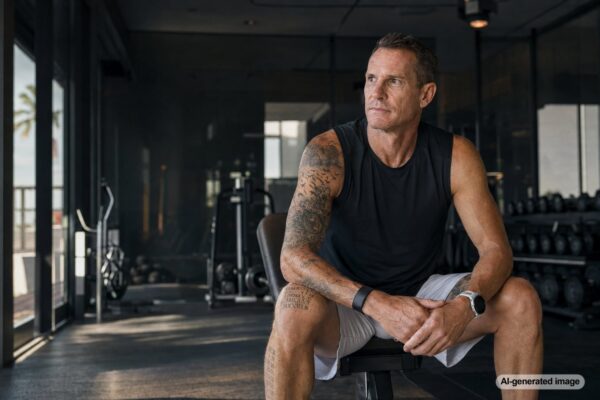
Consistency matters, too. An evening workout that supports a sustainable routine may be better than repeatedly skipping exercise while waiting for an ideal morning window. Greg’s experience across endurance sports, business, family, and advocacy reflects a practical principle: useful routines must work in real life. The goal is not to follow a rigid clock. It is to protect both training and sleep.
Quick answer
- Easy activity: Walking, gentle mobility, and relaxed stretching can often be performed close to bedtime without causing trouble.
- Moderate exercise: Many people tolerate it in the evening, especially when they allow time to cool down and transition afterward.
- Hard training: Consider finishing vigorous intervals, demanding strength work, or long sessions at least one to two hours before bed, then adjust based on your response.
- Your sleep is the test: If you regularly take longer to fall asleep, wake more often, or feel unusually alert after late workouts, move the session earlier or reduce its intensity.
Why there is no single cutoff time
Exercise affects more than your muscles. A demanding session can increase heart rate, body temperature, nervous-system activation, and mental alertness. Those are useful responses during training, but they can work against the gradual downshift that normally precedes sleep.
The size and duration of that effect vary. Training history, fitness, chronotype, stress, caffeine use, meal timing, bedroom environment, medications, and the type of workout can all change the result. Someone accustomed to evening training may finish at 8:30 p.m. and sleep well at 10:30. Another person may still feel activated several hours later.
Research summarized through the National Institutes of Health suggests that evening exercise does not automatically disrupt sleep in healthy adults. The important exception is often vigorous activity completed very close to bedtime, which may be more likely to interfere for some people. In other words, the question is not simply, “Did you exercise at night?” It is, “What did you do, when did you finish, and what happened to your sleep?”
Intensity changes the answer
Gentle movement
An easy walk, light yoga, breathing practice, or comfortable mobility routine creates relatively little physiological strain. These activities may help some people transition out of a sedentary evening without producing the wired feeling associated with hard training. Keep the effort conversational and avoid turning a recovery session into an unplanned workout.
Moderate training
A steady aerobic session or conventional strength workout may fit well in the early evening. The closer it occurs to bedtime, the more useful a deliberate cooldown becomes. Five to ten minutes of easy movement, followed by time to shower, eat if needed, and relax, gives the body a clearer transition between training and sleep.
High-intensity or long-duration training
Sprints, hard intervals, heavy compound lifts, competitive sessions, and long endurance workouts create a larger recovery demand. They may elevate body temperature and alertness, while late fueling and hydration can introduce additional sleep disruptions. These sessions generally deserve more separation from bedtime, particularly when sleep quality is already inconsistent.
Use your bedtime, not the wall clock
Saying that everyone must stop exercising by 7:00 p.m. ignores different schedules. A person who sleeps at 9:30 p.m. and a person who sleeps at midnight should not use the same cutoff. Work backward from your usual bedtime instead.
- If the session is easy, a short transition may be sufficient.
- If it is moderate, try leaving approximately one to two hours between the end of training and bedtime.
- If it is highly demanding, experiment with a longer buffer or move the hardest portion earlier.
These are starting points, not guarantees. Track your actual response over several comparable nights before drawing conclusions from one restless evening.
Signs your workout may be ending too late
A late session deserves adjustment when a repeatable pattern appears. Watch for:
- Taking noticeably longer than usual to fall asleep
- Feeling physically tired but mentally alert
- Remaining hot or sweaty after getting into bed
- A pounding or elevated heart rate that is slow to settle
- Waking because of thirst, hunger, digestion, or bathroom trips after aggressive late hydration
- Sleeping through the night but waking unrefreshed
- Needing extra caffeine the next day, then repeating the cycle
One difficult night does not prove that exercise was responsible. Work stress, alcohol, illness, room temperature, screens, travel, and many other factors can affect sleep. Look for a pattern linked specifically to late training.
What people often miss
The workout may not be the only stimulant
Late caffeine or a stimulant-containing pre-workout can remain relevant long after the session ends. If an evening workout causes sleep problems, examine the entire routine before blaming the exercise alone.
Finishing hungry can also interfere
A hard workout followed by no recovery nutrition may leave some athletes hungry during the night. Conversely, a very large or heavy meal immediately before lying down may feel uncomfortable. A reasonable recovery plan should match the session, personal tolerance, and any guidance from a qualified professional.
Bright light keeps the environment active
A brightly lit gym, loud music, phone use, and an intense drive home can prolong the sense that the day is still in full motion. Dimming lights and simplifying the post-workout routine can make the transition more deliberate.
Sleep is part of training
It is easy for disciplined athletes and busy leaders to treat sleep as the flexible part of the schedule. That trade can become counterproductive. Training creates the stimulus; recovery helps the body adapt to it. A workout is not automatically productive merely because it was difficult or completed despite a packed day.
A practical two-week experiment
If you are uncertain about your ideal cutoff, use a simple experiment rather than relying on a generic rule.
- Choose comparable sessions. Do not compare an easy walk with a hard interval workout.
- Record the finish time. Note how much time passed before you tried to sleep.
- Keep major variables steady. Aim for similar caffeine, alcohol, meal, screen, and bedroom habits.
- Track a few useful outcomes. Record how long you believe it took to fall asleep, nighttime awakenings, morning energy, and perceived recovery.
- Change one variable. Move the workout 30 to 60 minutes earlier, lower the intensity, or lengthen the cooldown.
You do not need perfect data. You need enough consistency to recognize whether a particular workout and time combination reliably affects you.
When late exercise is your only realistic option
A late workout can still be worthwhile. Make it easier to recover by choosing an appropriate session rather than forcing the day’s hardest training into the final available hour.
- Use an easy aerobic or technique-focused session when possible.
- Shorten the workout instead of increasing intensity to compensate for limited time.
- Finish with genuinely easy movement rather than stopping immediately after the hardest effort.
- Avoid late stimulants if they affect your sleep.
- Prepare recovery food and equipment in advance so the post-workout period stays simple.
- Keep the bedroom cool, dark, and quiet.
- If sleep repeatedly suffers, move demanding sessions to another day or time.
This is a form of disciplined flexibility. The athlete mindset is not about proving that every obstacle can be overpowered. It is about making the next decision that supports the larger goal.
Special considerations for sleep or health concerns
People with insomnia, sleep apnea, cardiovascular concerns, chronic health conditions, pain, or medications that affect sleep may need more individualized guidance. The same applies when exercise produces chest pain, faintness, unusual shortness of breath, or persistent palpitations. A qualified healthcare professional can help evaluate symptoms and advise on an appropriate exercise plan.
For people living with Parkinson’s or another neurological condition, movement can be an important part of overall well-being, but fatigue, medication timing, mobility, and sleep symptoms can make scheduling more complex. Exercise timing should be discussed with the relevant care team rather than determined by a generalized online rule.
Frequently asked questions
Is it bad to work out 30 minutes before bed?
Not necessarily. Gentle movement may be comfortable for many people that close to bedtime. A demanding session is more likely to cause problems, particularly if you remain hot, alert, or energized afterward. Your repeated sleep response should guide the decision.
Can strength training at night affect sleep?
It can, especially when the session is heavy, lengthy, or highly stimulating. Other people sleep normally after evening strength work. Try allowing more transition time, reducing late caffeine, and observing whether moving the heaviest sessions earlier improves sleep.
Is walking before bed a good alternative?
A comfortable walk is usually less activating than vigorous exercise and may be a practical choice on busy evenings. Keep the pace relaxed if the purpose is movement and transition rather than a hard conditioning session.
Should athletes sacrifice a workout to protect sleep?
Occasionally changing or shortening a workout can be the more productive decision, especially after several nights of poor sleep. Long-term progress depends on both consistent training and sufficient recovery. The right choice depends on the training phase, the importance of the session, and the person’s health.
What is the bottom line?
Exercise is probably too late when it repeatedly interferes with your ability to fall asleep, stay asleep, or feel recovered the next morning. Start by separating vigorous training from bedtime by at least one to two hours, then personalize that window using your own results.
Interested in bringing Greg’s message to your event or organization?
Learn more about Greg’s speaking work or get in touch to start the conversation.
Contact Greg or learn more about the Forward Motion Fund.
This article is for educational purposes only and is not medical advice. For diagnosis, treatment, or personalized medical guidance, please speak with a qualified healthcare professional.