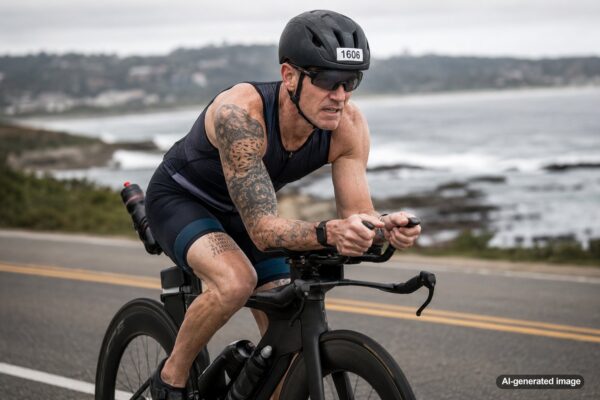

How To Stay Hydrated During High Intensity Workouts
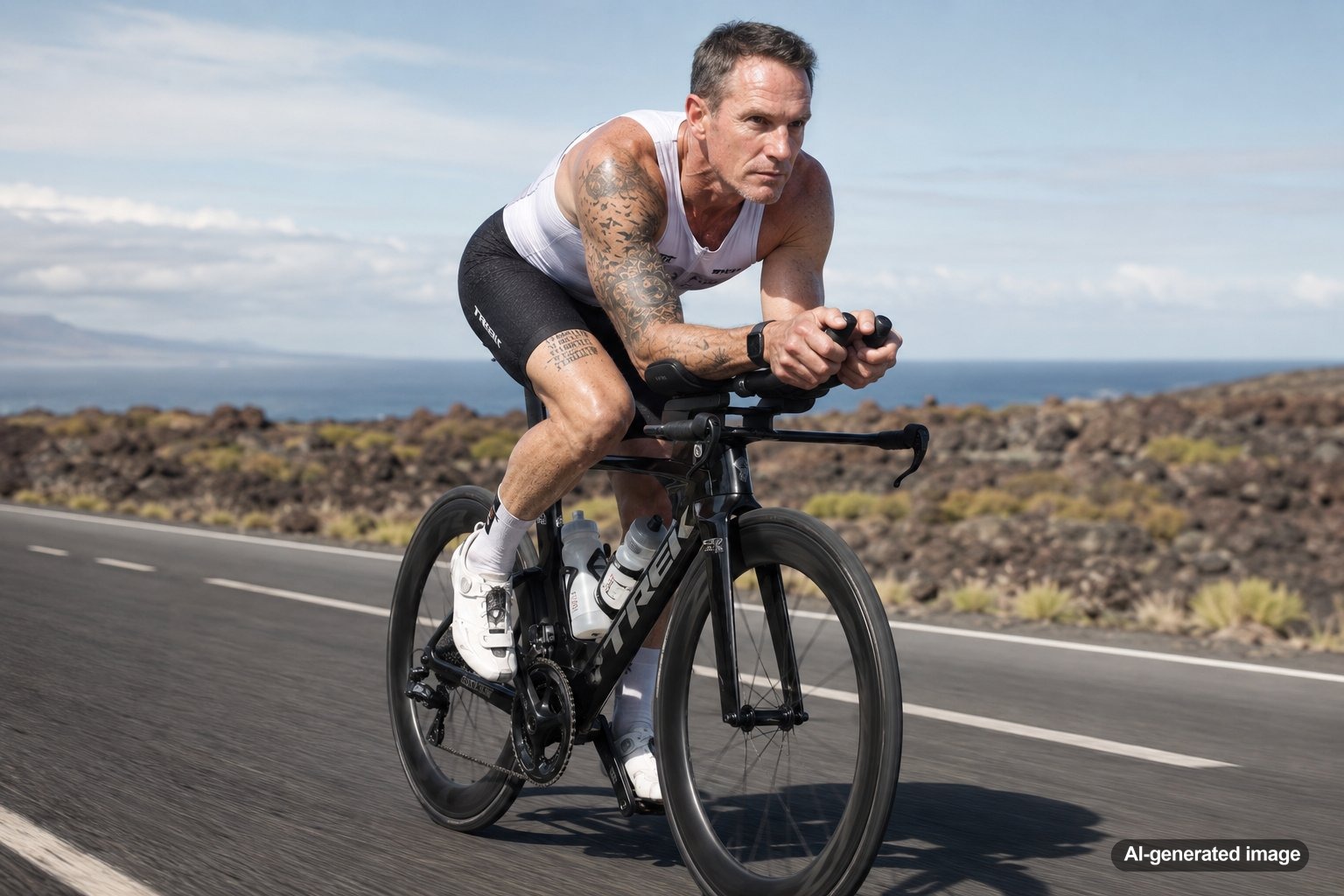
Staying hydrated during high intensity workouts is not just about drinking more water. It is about preparing your body before the effort, paying attention while you are working hard, and replacing what you lose afterward. In training, racing, business, and life, performance usually depends on small decisions made before the pressure arrives.
For athletes and active people, hydration becomes especially important when workouts are long, hot, humid, or repeated over several days. Greg Schaefer’s world of endurance racing, leadership, family, and forward motion is a reminder that disciplined preparation often creates the freedom to keep going when the moment gets difficult. Hydration is one of those quiet habits that can protect your effort and make hard work more sustainable. To learn more about Greg’s broader story, visit the About Greg page.
Quick Answer: How To Stay Hydrated During High Intensity Workouts
- Start hydrated before you begin. Do not wait until the workout starts to think about fluids.
- Drink steadily, not desperately. Small, consistent sips usually work better than trying to catch up late.
- Use electrolytes when the workout calls for it. Longer, hotter, sweatier efforts may require more than plain water.
- Watch your body, not just the clock. Thirst, urine color, sweat rate, cramps, dizziness, and energy dips can all offer clues.
- Rehydrate after the session. Recovery starts when the workout ends, especially after heavy sweating.
Why Hydration Matters More During High Intensity Effort
High intensity workouts ask the body to produce power, manage heat, and maintain focus all at once. As effort rises, body temperature climbs and sweating becomes one of the body’s main cooling tools. That fluid loss can affect how you feel, how clearly you think, and how well you continue to move.
The challenge is that hydration is not one single decision. It is a pattern. A person can show up already behind because of poor fluid intake earlier in the day, too much caffeine or alcohol the day before, inadequate recovery from a previous workout, or simply underestimating the heat. By the time thirst feels urgent, the workout may already be more difficult than it needed to be.
For endurance-minded people, this is where humility matters. The strongest athletes are often the ones who respect basics. They do not treat hydration as an afterthought. They understand that small habits support bigger goals, especially when the session is demanding.
Start Before The Workout
A good hydration plan begins well before the warmup. If you are heading into a hard interval session, boot camp class, long ride, run, or race-pace workout, give your body a better starting point by drinking fluids throughout the day. Do not overload your stomach immediately before training. Instead, build the habit of arriving hydrated.
Practical signs can help. Pale yellow urine, normal energy, and the absence of strong thirst are useful everyday clues for many people. Dark urine, dry mouth, headache, unusual fatigue, or feeling lightheaded before the workout may suggest you are starting behind. These signals are not perfect medical tests, but they can help you make smarter choices.
If your workout is early in the morning, consider that you have gone several hours without fluids. A small amount of water before training may help you avoid starting dry. If your session is later in the day, pay attention to what happened before it: travel, meetings, heat exposure, salty meals, stress, and previous workouts can all change your needs.
Drink During The Workout With A Plan
During high intensity exercise, the goal is not to drink as much as possible. The goal is to replace enough fluid to support performance and safety without overwhelming your stomach. For shorter workouts, especially in cool conditions, plain water may be enough. For longer sessions, hot conditions, heavy sweat, or back-to-back training days, a more intentional plan may be needed.
A useful approach is to sip regularly during breaks, transitions, or lower intensity moments. Waiting until you feel drained and then drinking a large amount can cause stomach discomfort and still may not solve the problem quickly. Hydration works best when it is steady.
One overlooked distinction is the difference between a hard 30-minute workout and a hard 90-minute workout. Both can feel intense, but they do not create the same hydration demands. Duration, temperature, humidity, sweat rate, clothing, fitness level, and personal tolerance all matter. A person doing indoor intervals in an air-conditioned gym may need a different plan than someone running hills in summer heat.
Know When Electrolytes Matter
Sweat is not just water. It also contains electrolytes, including sodium. During longer or sweat-heavy workouts, replacing fluid without considering electrolytes can leave some athletes feeling flat, headachy, or unable to recover well. Electrolyte drinks, tablets, or salty foods may be useful tools for certain sessions.
That does not mean every workout needs a sports drink. For short workouts, water and normal meals may be enough for many people. Electrolytes become more relevant when the effort is long, the weather is hot, you are a heavy or salty sweater, your clothes show salt marks, you are training multiple times in a day, or you have a history of struggling late in workouts despite drinking water.
There is also a balance to respect. More is not automatically better. Too much fluid without enough sodium can be risky, and too much sodium may not be appropriate for everyone. People with blood pressure concerns, kidney disease, heart conditions, or other health considerations should ask a qualified healthcare professional about personalized hydration and electrolyte guidance.
Pay Attention To Heat, Humidity, And Sweat Rate
Heat changes the equation quickly. Humidity can make it harder for sweat to evaporate, which means your body may struggle to cool itself efficiently. A workout that feels manageable in spring can feel completely different on a humid summer morning.
One practical method is to learn your own sweat pattern. Some athletes weigh themselves before and after similar workouts to estimate fluid loss. Others track simpler clues: how soaked their clothes get, whether they stop sweating, whether their heart rate feels unusually high for the pace, or whether they feel chilled, dizzy, or confused. The point is not to become obsessive. The point is to learn your body’s patterns before conditions become difficult.
This is especially important for people who train with purpose. In endurance sports, leadership, and mission-driven living, there is a difference between pushing through discomfort and ignoring useful information. Hydration awareness is not weakness. It is part of staying in motion wisely.
Recover With Fluids After The Workout
Hydration does not end when the timer stops. After a high intensity session, recovery fluids help restore what was lost through sweat and support the next effort. Water is often a good start, but after longer or sweatier workouts, electrolytes and food can also matter.
Post-workout recovery is also a good time to be honest. Did you finish with a pounding headache? Did your energy drop sharply? Did your legs feel unusually heavy? Did you crave salt? Did your urine stay dark for hours? Patterns like these can help you adjust the next session.
For people building long-term fitness, recovery is not separate from discipline. It is discipline. The athlete who can keep showing up is often the one who takes care of the basics after the applause, the finish line, or the hardest interval has passed.
Common Hydration Mistakes To Avoid
- Waiting until thirst becomes urgent. Thirst matters, but it should not be your only strategy during demanding workouts.
- Assuming water solves every problem. Long, hot, or heavy-sweat sessions may require electrolytes too.
- Changing everything on race day. Practice your hydration plan during training before relying on it in an event.
- Ignoring weather shifts. Your normal plan may not work the same way in heat and humidity.
- Overdrinking. Drinking far beyond your needs can create its own risks, especially during long endurance events.
A Simple Hydration Framework
Think about hydration in three windows: before, during, and after. Before the workout, arrive prepared. During the workout, sip with intention and adjust for heat, duration, and sweat. After the workout, replace fluids and notice how your body responds.
For many active people, that simple framework is more useful than chasing a perfect formula. Your needs may change from day to day. A high intensity workout after a full night of sleep, good meals, and mild weather is not the same as a hard session after travel, stress, poor sleep, and summer humidity.
Bottom Line
Hydration is not a side detail. It is part of preparation, performance, and recovery. The goal is not to be perfect. The goal is to stay aware enough to keep moving well, adapt when conditions change, and build habits that support the next step.
FAQ
Should I drink water or a sports drink during high intensity workouts?
It depends on the workout. Water may be enough for shorter sessions in cool conditions. A sports drink or electrolyte option may be useful for longer, hotter, sweatier, or repeated workouts.
How do I know if I am dehydrated during a workout?
Possible signs include strong thirst, dry mouth, dizziness, headache, unusual fatigue, dark urine after exercise, or a sudden drop in performance. Severe symptoms should be taken seriously, and medical guidance may be needed.
Can I drink too much water during exercise?
Yes. Overdrinking, especially during long endurance events, can be dangerous if it dilutes sodium levels in the body. A balanced plan should consider both fluid and electrolytes when workouts are long or sweat-heavy.
What should I do differently in hot weather?
Start hydrated, consider electrolytes for longer sessions, reduce intensity when needed, take breaks, and pay closer attention to warning signs such as dizziness, confusion, chills, or stopping sweating. Heat deserves respect.
Should I practice hydration before a race or event?
Yes. Training is the best time to test what your stomach tolerates, how often you need fluids, and whether electrolytes help. Race day should not be the first time you try a new hydration strategy.
Interested in bringing Greg’s message to your event or organization?
Learn more about Greg’s speaking work or get in touch to start the conversation.
Contact Greg or learn more about the Forward Motion Fund.
This article is for educational purposes only and is not medical advice. For diagnosis, treatment, or personalized medical guidance, please speak with a qualified healthcare professional.