
How Triathletes Handle Fear Before The Open-Water Swim
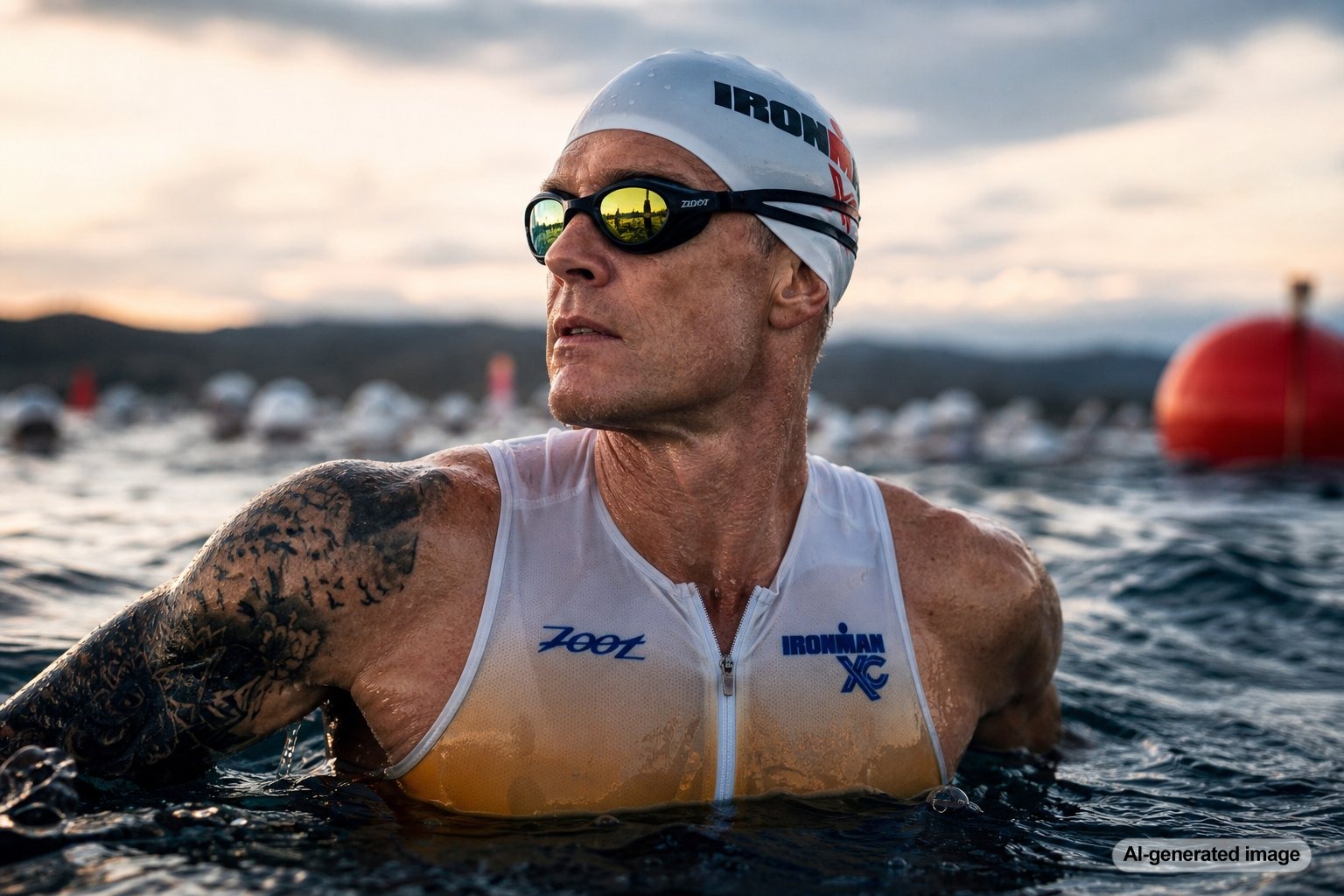
Fear before an open-water swim is not a weakness. For many triathletes, it is one of the most honest parts of race morning. The water is moving. The start line is crowded. Visibility is limited. Unlike a pool, there is no black line, no lane rope, and no easy pause button. Even experienced athletes can feel their heart rate rise before the horn sounds.
Triathletes handle that fear by turning it into a process. They prepare their body, calm their breathing, simplify the first few minutes, and remind themselves that confidence is often built one controlled decision at a time. That mindset connects deeply with the kind of resilience Greg Schaefer speaks about through endurance, leadership, family, and forward motion. You can learn more about Greg’s story on the About Greg page.
Quick answer: how triathletes handle open-water swim fear
- They name the fear instead of pretending it is not there.
- They rehearse the start, sighting, breathing, and contact before race day.
- They slow the first few minutes instead of sprinting into panic.
- They use short mental cues, such as steady, breathe, reach, or one buoy.
- They focus on the next controllable action rather than the full distance ahead.
Why the open-water swim feels so different
The open-water swim creates fear because it removes many of the things swimmers use for comfort. In a pool, the environment is predictable. In a lake, river, bay, or ocean, the athlete has to manage changing light, temperature, waves, currents, other swimmers, and the unknown space below.
That uncertainty can make the mind jump ahead. A triathlete might start thinking about the distance, the crowd, the possibility of being kicked, or the simple question, “What if I cannot settle down?” The fear often grows when the athlete tries to fight it instead of working with it.
Experienced triathletes learn that the goal is not to feel fearless. The goal is to stay functional. Fear may be present, but it does not have to be in charge.
The best athletes respect the fear without obeying it
There is a difference between panic and awareness. Awareness says, “This is uncomfortable, so I need a plan.” Panic says, “This is uncomfortable, so I am in danger.” Triathletes train themselves to recognize that difference.
That does not happen through slogans. It happens through repetition. Open-water practice, race simulations, group swims, wetsuit familiarity, and breathing drills all help the athlete build evidence that they can manage discomfort. Each successful exposure becomes another quiet reminder: I have been here before.
For many athletes, this is where endurance sports become more than fitness. The swim start becomes a lesson in leadership under pressure. You do not wait until fear disappears to act. You take the next clean step anyway. That is also a central thread in Greg’s work as a speaker for organizations and teams navigating uncertainty. Learn more about his speaking topics on the Speaking page.
Practical ways triathletes calm fear before the swim
They arrive with a race-morning routine
A routine reduces decision fatigue. Triathletes often lay out gear in the same order, check goggles early, warm up if permitted, and review the swim course before the start. The routine does not remove nerves, but it gives the mind something useful to do.
They breathe before they need to
Many athletes wait until they feel overwhelmed to focus on breathing. More prepared athletes begin earlier. Slow exhales, relaxed shoulders, and a few calm breaths before entering the water can prevent the body from interpreting normal race energy as danger.
They make the start smaller
The full swim distance can feel intimidating. The first buoy feels more manageable. The first ten strokes feel even more manageable. Triathletes often break the start into small pieces: get in, float, breathe, start easy, find space, sight, settle.
They choose position wisely
Not every athlete needs to start in the middle of the pack. A nervous swimmer may choose the outside, the back, or a calmer line to avoid unnecessary contact. Smart positioning is not weakness. It is strategy.
They expect contact without dramatizing it
In a mass or rolling start, contact can happen. A hand touches a foot. Someone bumps a shoulder. Goggles may get splashed. Athletes who expect some disruption are less likely to interpret it as a crisis when it happens.
What people often miss about swim fear
Fear before the swim is not always about swimming ability. A capable pool swimmer can still feel anxious in open water because the environment is different. The solution is not only more yards. It is more specific preparation.
That distinction matters. An athlete may be fit enough to swim the distance but not practiced enough in sighting, group starts, murky water, or swimming without a wall. Confidence grows when training matches the real challenge.
Open-water confidence is built through controlled exposure. That could mean starting with a calm lake swim, practicing in a wetsuit, swimming with a group, pausing to float, or rehearsing how to recover after swallowing water. None of those steps are glamorous. They are practical, and practical often works.
Simple mental cues that help on race morning
When fear is high, complex thinking becomes harder. Triathletes often use short cues because they are easy to remember under pressure. A good cue gives the body a clear job.
- Easy first: Start slower than adrenaline wants you to.
- Long exhale: Use the exhale to settle the nervous system.
- One buoy: Swim to the next visible target, not the finish line.
- Find water: Look for open space instead of fighting the crowd.
- Reach and rotate: Return attention to technique when the mind starts racing.
The best cue is the one an athlete has practiced before race day. Race morning is not the ideal time to invent a new mental system.
How fear can become part of the race instead of the enemy
Fear often carries useful information. It says the moment matters. It says the athlete is alert. It says the body is preparing for effort. The problem is not the feeling itself. The problem is letting the feeling write the whole story.
Triathletes handle fear by giving it a smaller role. They acknowledge it, prepare for it, and keep moving through it. That is the deeper lesson of the open-water swim: courage is not a dramatic personality trait. Sometimes it is a quiet decision made in a wetsuit, with cold water at your ankles, while everyone around you is waiting for the same horn.
In endurance racing, as in life and leadership, forward motion is often built one manageable step at a time. One breath. One stroke. One buoy. One more step.
FAQ
Is it normal to feel afraid before an open-water swim?
Yes. Many triathletes feel nervous before open water, especially when the swim involves crowds, cold water, waves, poor visibility, or a long distance. Feeling fear does not mean an athlete is unprepared. It means the moment is real.
What should a triathlete do if panic starts during the swim?
Athletes are often taught to slow down, focus on breathing, create space when possible, roll onto the back or tread water if allowed, and regain control before continuing. Race rules and safety procedures vary, so athletes should know the event guidelines ahead of time.
Does more pool training fix open-water fear?
Pool fitness helps, but it may not fully address open-water fear. Athletes also need specific practice with sighting, swimming near others, variable conditions, wetsuits, and the mental experience of not having a wall nearby.
Should nervous swimmers start at the back?
For many athletes, starting toward the back or side can reduce contact and create a calmer beginning. The best position depends on experience, speed, race format, and comfort level.
What is the most important mindset before the swim?
A useful mindset is to focus on control, not perfection. The athlete does not need to feel completely calm. They need to breathe, start smart, stay aware, and keep making the next good decision.
Interested in bringing Greg’s message to your event or organization?
Learn more about Greg’s speaking work or get in touch to start the conversation.
Contact Greg or learn more about the Forward Motion Fund.
This article is for educational purposes only and is not medical advice. For diagnosis, treatment, or personalized medical guidance, please speak with a qualified healthcare professional.