
What The Ironman Bike Leg Teaches You About Patience And Power
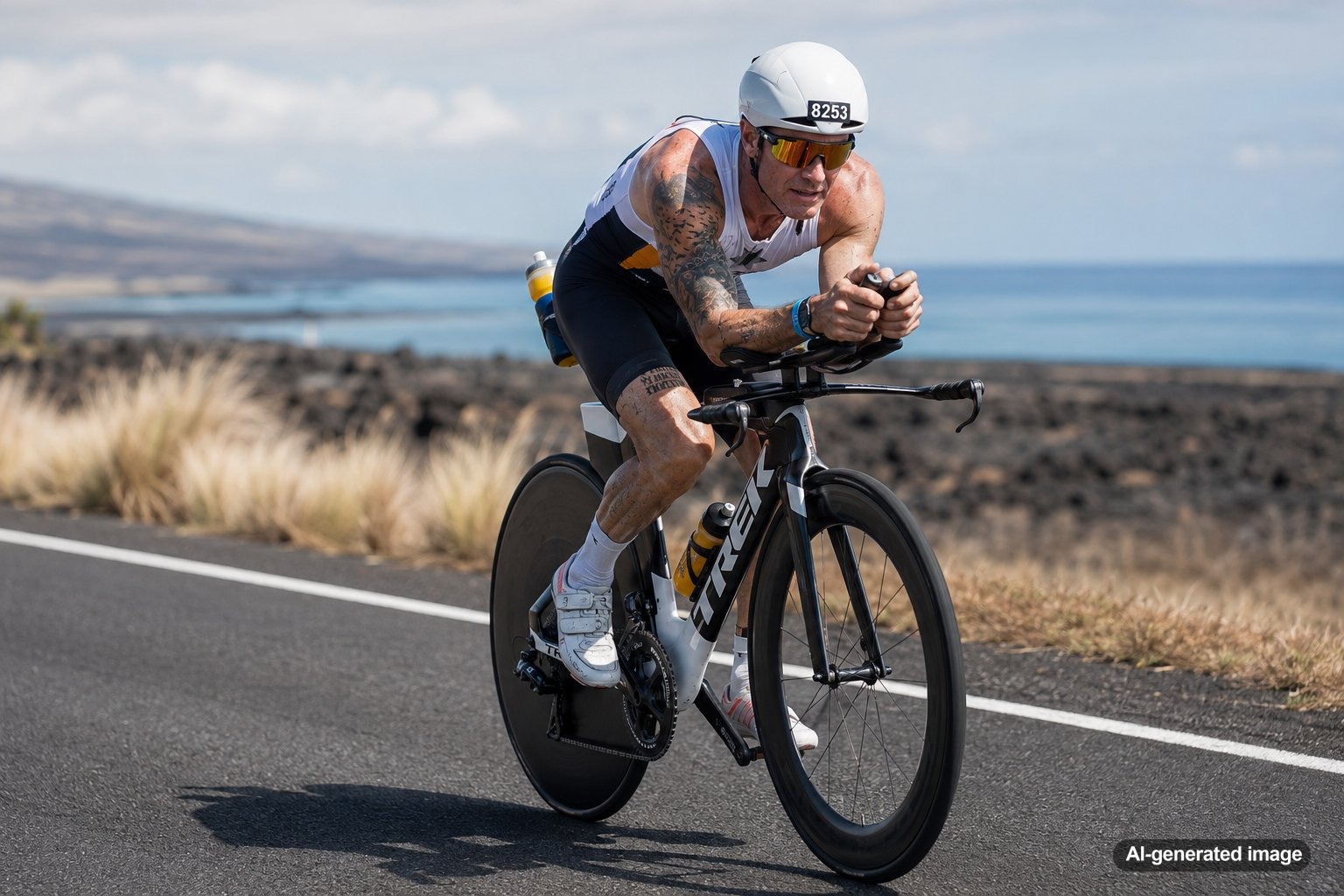
The Ironman bike leg has a way of exposing the truth. It rewards strength, but only when that strength is managed with patience. It invites confidence, but punishes ego. It gives an athlete hours to think, adjust, listen, and decide whether the day will be shaped by discipline or by impulse.
That is what makes the bike leg such a powerful metaphor for life, leadership, business, family, and resilience. For Greg Schaefer, a 19-time Ironman, CEO, dad, husband, speaker, and advocate living with Young-Onset Parkinson’s, endurance has never been only about crossing finish lines. It is about learning how to keep moving when the road is long, uncertain, and demanding. You can learn more about Greg’s broader story on the About Greg page.
Quick answer: what the Ironman bike leg teaches
- Patience protects your power. The strongest riders are often the ones who know when not to spend energy too early.
- Pacing is emotional discipline. The bike leg asks you to manage excitement, frustration, fear, and confidence over many miles.
- Power is not only force. Real power includes restraint, recovery, adaptation, and smart decision-making.
- The middle miles matter. Success is often built in the quiet stretches where no one is cheering and nothing feels dramatic.
- Endurance rewards consistency. One steady choice after another can become a powerful way forward.
The bike leg is where patience becomes strategy
In an Ironman, the bike leg is long enough to make impatience expensive. An athlete may feel good early, especially after the energy of the swim exit and the crowd around transition. The temptation is to push, surge, chase, and prove something right away.
But the bike leg does not care how strong someone feels in the first hour. It cares what they have left later. It asks a simple, honest question: can you hold back enough now to still move with purpose when the day gets harder?
That is patience in its most practical form. Not passive waiting. Not weakness. Not hesitation. Patience becomes a form of strategy. It is the ability to understand the full distance before reacting to the moment in front of you.
Power without control becomes a liability
Power matters. You need strength to climb, maintain speed, handle wind, and stay focused through changing conditions. But power that is unmanaged can work against you. A rider who attacks every hill, responds to every passing athlete, or lets emotion control effort may pay for it later.
The same pattern shows up far beyond racing. Leaders can burn out teams by treating every issue like a crisis. Entrepreneurs can exhaust themselves by mistaking constant urgency for meaningful progress. Families facing adversity can feel pressure to be strong all the time, even when the wiser move is to pause, regroup, and conserve energy for what matters most.
Enduring power is not loud. It is measured. It knows when to press and when to settle. It understands that the goal is not to win one moment. The goal is to still be moving well when the next stage begins.
The middle miles reveal your real mindset
The most revealing part of the bike leg is often not the beginning or the end. It is the middle. The excitement has settled. The finish still feels far away. The athlete is alone with the rhythm of the pedals, the conditions of the day, and the conversation inside their own head.
Those miles are where discipline becomes personal. No one can fake patience for hours. No one can rely only on hype when the road keeps stretching ahead. The middle miles ask an athlete to stay present, solve small problems, and avoid turning one difficult patch into the whole story.
This is one of the most useful lessons endurance gives us: hard moments are not always emergencies. Sometimes they are information. A headwind may mean adjust. A rough patch may mean fuel, breathe, reset, or back off. A slow mile does not have to become a failed day.
Patience is not the opposite of ambition
Many people confuse patience with settling. In endurance sports, that belief does not last long. Patient athletes are often deeply ambitious. They simply understand that ambition has to be carried, not just expressed.
The best long-course racing mindset is not, “How much can I force right now?” It is, “What decision gives me the best chance to keep moving well?” That shift changes everything. It turns the bike leg into a discipline of wise effort.
That same shift matters in recovery, leadership, caregiving, advocacy, and personal growth. The goal is not to pretend the road is easy. The goal is to make choices that keep you connected to the larger mission. For Greg, that mission shows up in racing, speaking, family, business, and the ongoing work behind the Forward Motion Fund.
What people often miss about patience and power
The overlooked lesson
Patience is not waiting for life to become less difficult. It is choosing how to use your strength while difficulty is still present.
In an Ironman, patience does not mean the athlete stops working. It means the athlete works with intelligence. They stay engaged with the course, their body, their nutrition, their emotions, and the conditions around them.
That kind of patience is active. It is not drifting. It is not denial. It is the repeated decision to stay in relationship with reality instead of fighting the wrong battle. The hill is there. The wind is there. The fatigue is there. The question becomes: what is the next strong, smart step?
Practical takeaways from the Ironman bike leg
The lessons of the bike leg can travel into almost any demanding season. They are especially useful when the path ahead feels long, uncertain, or emotionally loaded.
- Do not spend tomorrow’s energy to win today’s emotion. A reaction may feel powerful in the moment, but pacing protects the larger goal.
- Respect the distance. Whether the challenge is athletic, personal, professional, or medical, the full road matters.
- Keep checking your inputs. Nutrition, rest, support, communication, and mindset all affect how long you can sustain effort.
- Adjust without shame. Changing pace is not failure. Sometimes it is the move that keeps you in the race.
- Let consistency be enough. Not every mile needs to be heroic. Steady effort can be its own kind of courage.
How this lesson connects to leadership
Strong leaders often face their own version of the bike leg. There are long stretches where progress is quiet, decisions compound slowly, and the pressure to overreact is real. Teams notice whether a leader can stay calm without becoming passive, decisive without becoming reckless, and ambitious without burning everyone out.
That is where patience and power become a leadership practice. A patient leader is not slow. A powerful leader is not merely forceful. The strongest leaders know how to hold the mission, read the conditions, and keep people moving without pretending the challenge is smaller than it is.
This is one reason Greg’s message connects with organizations and teams. His perspective is not built on theory alone. It comes from endurance, entrepreneurship, family, adversity, and forward motion lived over time.
FAQ
Why is the bike leg such an important part of an Ironman?
The bike leg is long, demanding, and strategically complex. It can shape the rest of the race because effort spent too early can affect how an athlete feels later on the run.
What does the bike leg teach about patience?
It teaches that patience is an active skill. The athlete must manage effort, emotions, nutrition, terrain, and timing while staying connected to the larger goal.
How does power show up beyond physical strength?
Power also shows up as restraint, composure, adaptability, and the ability to make clear decisions under pressure. In endurance and in life, force without judgment can become costly.
How can this lesson apply to everyday challenges?
It reminds us to pace ourselves through long seasons, make decisions that protect the future, and keep taking the next useful step instead of reacting to every difficult moment.
Interested in bringing Greg’s message to your event or organization?
Learn more about Greg’s speaking work or get in touch to start the conversation.
Contact Greg or learn more about the Forward Motion Fund.
This article is for educational purposes only and is not medical advice. For diagnosis, treatment, or personalized medical guidance, please speak with a qualified healthcare professional.