

Is Biohacking Actually Good for You?
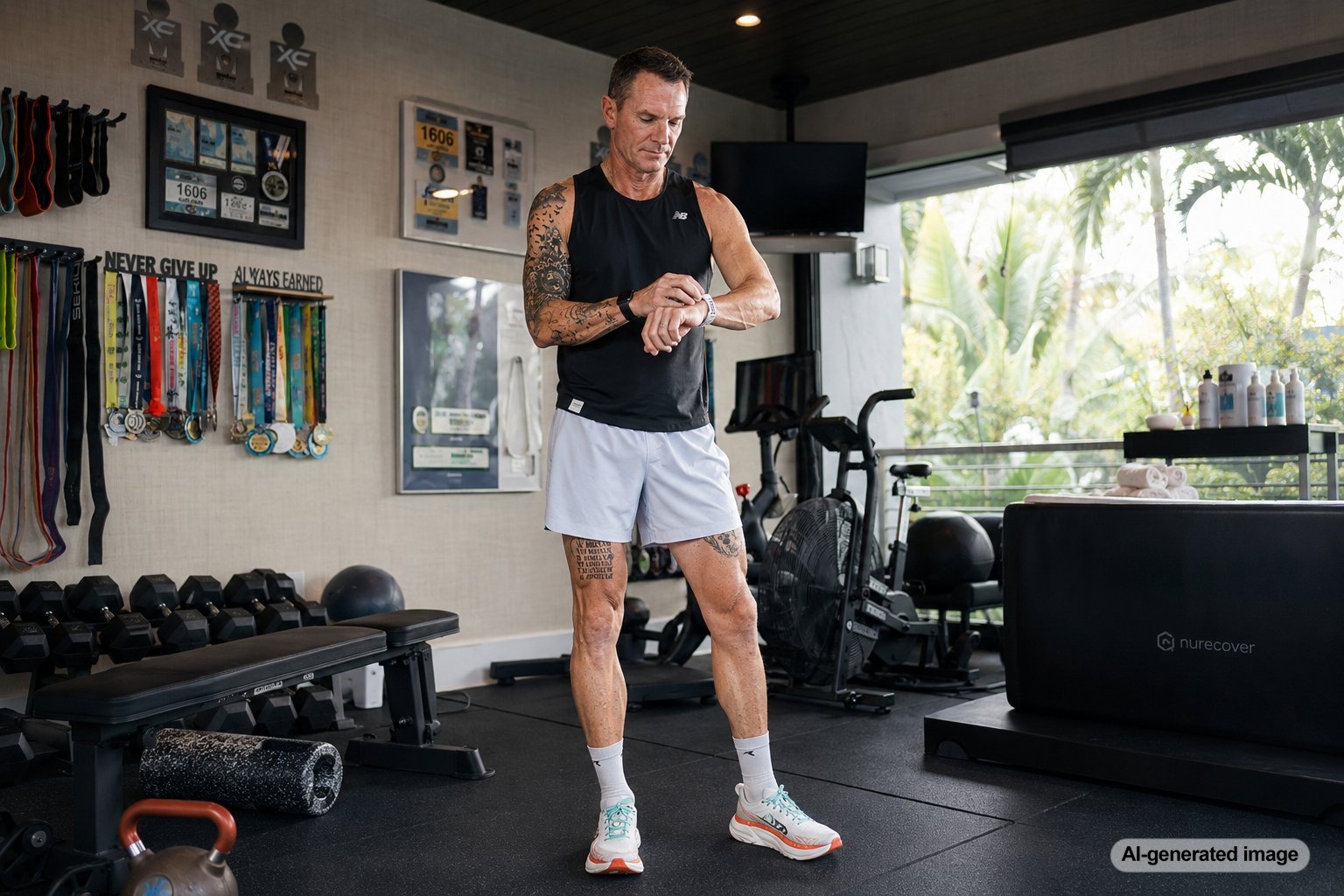
Biohacking can be good for you when it means paying closer attention to your body, building better habits, and using data to make smarter decisions. It becomes less helpful when it turns health into another scoreboard, another identity trap, or another way to chase control.
For someone who lives at the intersection of endurance sports, leadership, family, and adversity, the question is not whether every new tool is exciting. The better question is whether it helps you live with more strength, clarity, and purpose. Greg Schaefer’s work is rooted in forward motion, not perfection. That distinction matters.
Quick answer: is biohacking actually good for you?
- It can be useful when it supports proven fundamentals like sleep, movement, nutrition, recovery, stress management, and consistency.
- It can become unhealthy when tracking turns into obsession, anxiety, comparison, or avoidance of real medical guidance.
- Wearables can help reveal patterns, but they should not replace common sense, lived experience, or professional advice.
- Supplements and extreme protocols deserve caution because evidence, quality, and safety can vary widely.
- The best biohacking is usually boring: repeatable habits that make you more capable in real life.
What biohacking really means
Biohacking is a broad term. For some people, it means using wearable devices, sleep scores, blood work, nutrition tracking, cold exposure, sauna sessions, supplements, or recovery tools to improve health and performance. For others, it becomes a lifestyle built around optimization.
There is nothing wrong with wanting to understand your body better. An endurance athlete already does this in practical ways: noticing heart rate, pacing, hydration, sleep, soreness, mood, heat tolerance, and recovery. A business leader does it too, even if the language is different: protecting energy, managing stress, making better decisions, and staying steady when pressure rises.
The problem begins when biohacking promises certainty that the human body cannot always provide. A sleep score can be helpful, but it is not the full story. A supplement can be interesting, but it is not a substitute for nutrition, training, or medical care. A recovery tool can support discipline, but it cannot replace the discipline itself.
When biohacking can be genuinely helpful
Biohacking is most useful when it helps you notice patterns you might otherwise miss. A wearable may show that your resting heart rate trends higher after poor sleep, alcohol, travel, illness, or heavy training. A food log may reveal that your energy crashes after certain meal patterns. A recovery routine may help you wind down instead of staying wired late into the night.
Those insights can be valuable because they turn vague feelings into better questions. Instead of saying, “I am just off today,” you may start asking, “Did I recover poorly? Did I underfuel? Am I stacking stress without noticing it?” That is not hype. That is awareness.
For athletes, executives, parents, and people navigating real adversity, awareness can create better choices. You may train smarter, sleep more intentionally, schedule demanding work when you are sharper, or stop pretending that stress has no physical cost.
When biohacking can work against you
The downside is that biohacking can make people feel like every part of life has to be measured, optimized, and corrected. That can create a quiet kind of pressure. You wake up, check a score, and decide whether your day is already good or bad. You compare your recovery number to yesterday. You worry about a metric before you have even listened to your body.
That is where optimization starts to become another form of control. For high performers, this is a real risk. The same mindset that makes someone disciplined can also make them relentless in ways that stop being healthy. More data does not always mean more wisdom.
A helpful test is simple: does the tool make you more grounded, or more anxious? Does it help you act with better judgment, or does it make you chase tiny improvements at the expense of your relationships, purpose, and peace?
The fundamentals still matter most
Most people do not need a complicated protocol before they need the basics. Consistent movement. Strength training. Aerobic work. Adequate sleep. Protein and fiber. Hydration. Time outdoors. Meaningful relationships. Medical care when needed. Recovery that actually restores.
Biohacking can support those fundamentals, but it should not replace them. A sleep tracker can point out inconsistent bedtime habits, but it cannot make you put the phone down. A supplement can fill a specific gap when appropriate, but it cannot compensate for a chaotic diet. A cold plunge can build a sense of discipline, but it is not the same as building the life you are trying to show up for.
This is especially important in Greg’s world because endurance sports and resilience both reward consistency. The magic is rarely in the newest device. It is in returning to the work with humility, intelligence, and patience.
What people often miss about biohacking
Data is not the same as self-knowledge
Data can show trends, but it does not know your full context. A tracker does not understand grief, family pressure, business stress, race-day nerves, or the emotional weight of a diagnosis. Use data as one input, not the final authority.
More intense is not always better
Extreme heat, extreme cold, fasting, overtraining, and aggressive supplementation can be tempting because they feel serious. Serious does not always mean smart. The body adapts through stress and recovery, not stress alone.
Personalization requires honesty
What works for one athlete, executive, or influencer may not work for you. Age, medication, health history, training load, sleep, stress, and goals all matter. Personalization is not copying someone else’s protocol. It is learning what is appropriate for your life.
A grounded way to think about biohacking
Before adopting a new tool or protocol, ask four questions:
- What problem am I trying to solve? Be specific. Better sleep, steadier energy, improved recovery, safer training, or more consistency are clearer goals than “optimization.”
- Is the foundation already in place? If sleep, nutrition, movement, and stress are chaotic, start there before adding complexity.
- What does the evidence say? Some tools have promising support, some have mixed support, and some are mostly marketing.
- Could this create harm or obsession? A habit that improves your numbers while shrinking your life is not a real win.
This mindset keeps biohacking in its proper place. It becomes a tool for awareness and discipline, not a substitute for values.
So, should you try biohacking?
Try the version that makes you more present, capable, and consistent. Use the watch if it helps you move more. Track sleep if it helps you respect recovery. Review labs with a qualified clinician if you are making health decisions. Be careful with supplements, extreme routines, and anything that promises dramatic results with little context.
For athletes and leaders, the deeper lesson is not to chase every edge. It is to build a body and mind that can keep showing up. That is where biohacking connects to resilience: not as a shortcut, but as a reminder to pay attention.
FAQ
Is biohacking safe?
Some biohacking practices are low risk, such as tracking sleep, building a walking routine, or noticing how nutrition affects energy. Others may carry more risk, especially aggressive supplementation, extreme temperature exposure, fasting, or protocols that affect medical conditions. Speak with a qualified healthcare professional before making major health changes.
Are wearable health trackers accurate?
Wearables can be useful for trends such as activity, sleep timing, and general patterns. They are not perfect medical devices. Sleep stage estimates, recovery scores, and readiness metrics should be treated as estimates, not absolute truth.
Do supplements count as biohacking?
Often, yes. Supplements are a common part of biohacking culture, but quality, safety, interactions, and evidence vary. A supplement should have a clear purpose and should be discussed with a clinician when health conditions, medications, or significant performance goals are involved.
What is the healthiest form of biohacking?
The healthiest version is usually the least flashy: habits that help you sleep better, move consistently, recover well, eat with intention, manage stress, and stay connected to what matters.
How does this connect to Greg Schaefer’s message?
Greg’s message is not about perfect control. It is about forward motion through real life. Biohacking only fits that message when it helps people become more grounded, disciplined, and useful in the moments that matter. To learn more about that work, explore Greg’s speaking.
Interested in bringing Greg’s message to your event or organization?
Learn more about Greg’s speaking work or get in touch to start the conversation.
Contact Greg or learn more about the Forward Motion Fund.
This article is for educational purposes only and is not medical advice. For diagnosis, treatment, or personalized medical guidance, please speak with a qualified healthcare professional.
Sources & further reading
- National Center for Complementary and Integrative Health: Using Dietary Supplements Wisely
- NIH Office of Dietary Supplements: Dietary Supplements: What You Need to Know
- NIH PubMed Central: Consumer-Based Wearable Activity Trackers and Physical Activity
- NIH PubMed Central: Validation of Wearable Devices for Estimating Sleep and Heart Rate


