

What Long Distance Racing Teaches You About Emotional Control
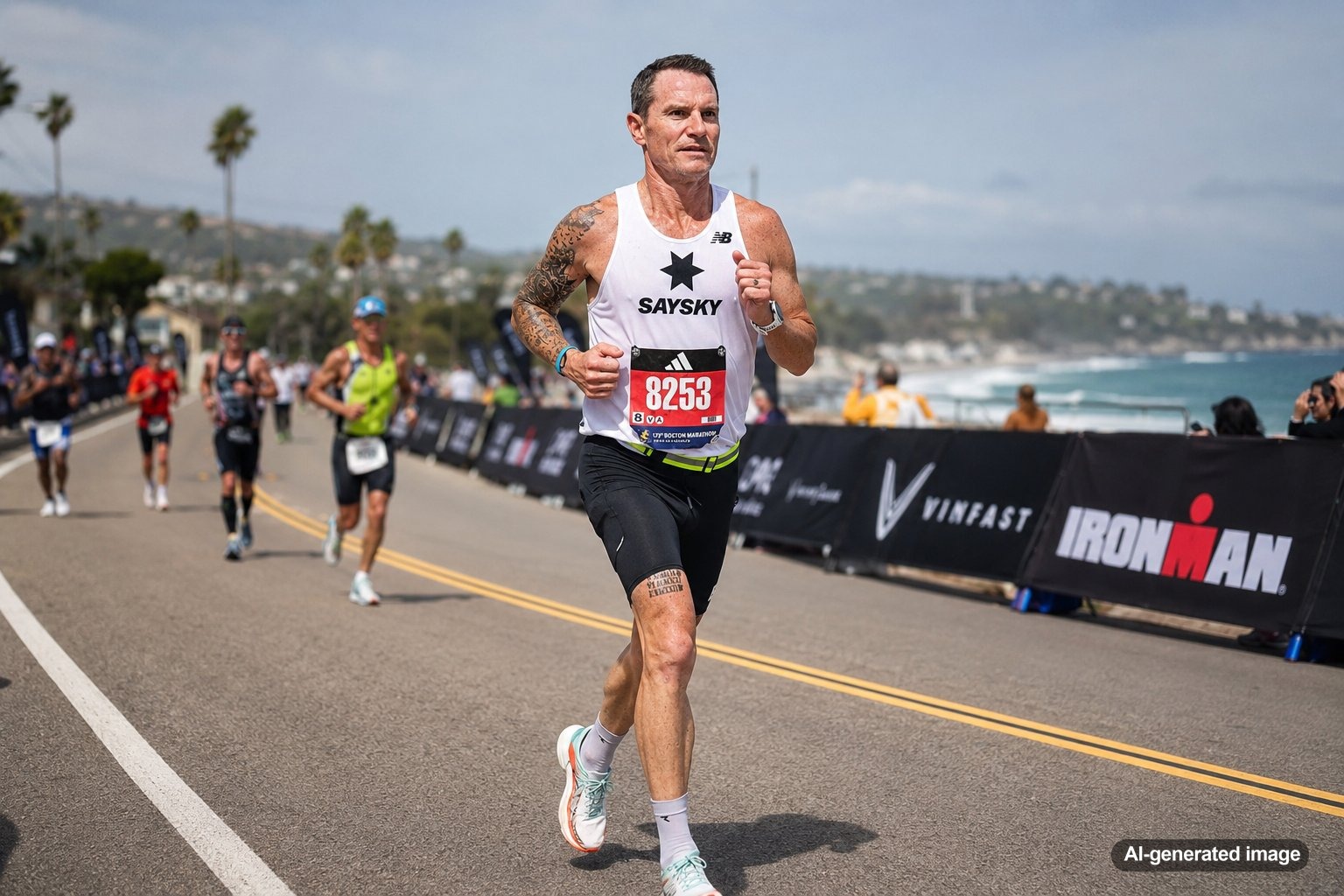
Long distance racing teaches emotional control because it gives you nowhere to hide from yourself. Over many hours, the body gets tired, the plan gets tested, the weather changes, and the mind begins offering dramatic opinions about what is happening. The athletes who handle those moments best are not emotionless. They are the ones who learn how to feel pressure without letting pressure drive every decision.
That lesson reaches far beyond the race course. It applies to leadership, family, health challenges, business decisions, and the kind of adversity that does not care whether you feel ready. Greg Schaefer’s work sits at that intersection of endurance, resilience, advocacy, and forward motion. You can learn more about his story on the About Greg page or explore how he brings these lessons to organizations through speaking.
Quick answer: what does long distance racing teach about emotional control?
- You do not need to eliminate emotion to perform well. You need to recognize emotion without handing it the steering wheel.
- Panic usually makes problems bigger. Calm decisions help you solve the problem in front of you.
- Discomfort is information, not always an emergency. Racing teaches the difference between a real warning sign and a hard moment.
- Patience is a performance skill. Going too hard too early often comes from excitement, fear, or ego.
- The next step matters more than the full distance. Emotional control often comes from narrowing the focus to what can be done now.
Endurance racing exposes emotional patterns
In a short effort, adrenaline can hide a lot. In a long race, patterns eventually reveal themselves. Some people start too fast because excitement feels like confidence. Some spiral when a split is slower than expected. Some waste energy comparing themselves to others. Some become mentally sharp only after the race forces them to stop pretending everything will be easy.
Long distance racing does not create these patterns out of nowhere. It magnifies what is already there. Under fatigue, small emotional habits become louder. The need for control, the fear of falling behind, the temptation to quit when the story changes, the frustration of being passed, and the anxiety of not knowing what the next hour will feel like all become part of the course.
That is why endurance sports can be such a powerful teacher. The race gives immediate feedback. If you overreact, you pay for it. If you stay composed, adjust, and keep moving, you often discover that the situation was not as final as it felt in the moment.
Emotional control starts before the race begins
Many people think emotional control begins when something goes wrong. In long distance racing, it starts much earlier. It begins in training, in pacing decisions, in nutrition practice, in recovery, and in the honest assessment of what you can handle on a given day.
The athlete who prepares only for perfect conditions is emotionally fragile. The athlete who prepares for heat, wind, cramping, missed bottles, crowded water, mechanical issues, and lonely miles has already rehearsed staying steady. That does not mean every problem is easy. It means fewer problems feel like total surprises.
This is also a leadership lesson. Teams, businesses, and families rarely suffer because no one had emotions. They suffer when pressure arrives and no one has practiced responding with clarity. Preparation creates a buffer between feeling something and reacting to it.
The race teaches you to separate pain, fear, and danger
One of the most important distinctions in endurance racing is the difference between discomfort, fear, and genuine danger. Discomfort is expected. Fear may come from uncertainty, fatigue, or a sudden change in confidence. Danger requires respect, attention, and sometimes stopping or seeking help.
Emotional control does not mean ignoring the body. It means listening carefully instead of catastrophizing quickly. A tired leg is different from an injury. A hard mile is different from a failed race. A bad patch is different from the end of the story.
This distinction matters because emotion can make every signal feel urgent. Long distance racing teaches athletes to pause long enough to ask better questions: What is actually happening? What do I need right now? Is this a problem to manage, a warning to respect, or a story my mind is telling because I am tired?
Pacing is emotional discipline in physical form
Pacing is one of the clearest examples of emotional control. It sounds simple: do not go too hard too soon. In real life, it is harder. The start line is loud. Everyone is moving. Confidence and fear can feel almost identical. It is easy to mistake intensity for readiness.
Strong pacing requires humility. It asks you to respect the distance before the distance proves its point. It asks you not to chase every person who passes you, not to burn matches to satisfy your ego, and not to confuse early speed with long-term strength.
The same principle applies off the course. A leader who reacts to every problem with maximum intensity burns out the team. A parent who carries every worry at full volume runs out of emotional room. A person facing adversity needs more than passion. They need pacing, patience, and the ability to conserve strength for what is still ahead.
Control does not mean staying positive all the time
Endurance racing does not reward fake positivity. There are moments when the race feels ugly. There are miles when the plan falls apart. There are times when the mind gets dark, impatient, embarrassed, angry, or afraid. Pretending those emotions do not exist can be just another form of panic.
Emotional control is more honest than that. It sounds like: This is hard, and I can still make the next good decision. It sounds like: I do not like how this feels, but I do not have to make a permanent decision inside a temporary low. It sounds like: Slow down, reset, breathe, fuel, and get to the next marker.
That is a grounded kind of resilience. Not a slogan. Not a dramatic speech. A decision made under pressure, repeated over and over until the finish line gets closer.
What racers often miss about emotional control
Many athletes think the goal is to become tougher. Toughness matters, but it is incomplete without awareness. A person can be tough and still make poor choices when pride, fear, or frustration takes over.
- Emotional control is not suppression. Suppressed emotion often returns louder later in the race.
- Confidence is not the same as calm. Confidence can surge and disappear. Calm can be practiced.
- Adaptability matters more than a perfect plan. The race rarely follows the exact script.
- Self-talk should be useful, not theatrical. The best words are often simple, direct, and actionable.
In long distance racing, useful self-talk may be as plain as: relax your shoulders, take in calories, shorten the stride, find rhythm, stay here, one more step. That kind of language works because it gives the mind a job. It replaces emotional noise with the next clear action.
How the lesson carries into leadership and life
Long distance racing is not a perfect metaphor for every challenge, but it does teach a durable truth: the hardest moments often require less drama and more presence. When pressure rises, the person who can slow the internal rush has more options.
In business, that may mean not making a fear-based decision during a volatile week. In a family, it may mean staying steady when someone you love is struggling. In health adversity, it may mean recognizing the weight of the moment without letting it erase identity, purpose, or possibility.
Greg’s message of Forward Motion is rooted in that kind of steadiness. It is not about pretending the road is easy. It is about choosing the next step when the road is not what you expected.
Practical takeaways from the race course
- Name the emotion before reacting. Fear, frustration, excitement, and shame create different decisions.
- Shorten the time horizon. When the full distance feels overwhelming, focus on the next mile, aid station, breath, or step.
- Use routines under pressure. Fuel, hydrate, check form, reset breathing, and return to the plan.
- Respect real warning signs. Emotional control includes knowing when to adjust, slow down, or get help.
- Do not let one bad stretch define the whole race. Long efforts change. So do difficult seasons.
FAQ
Does emotional control mean ignoring fear during a race?
No. Fear can carry useful information. Emotional control means noticing fear, evaluating what is true, and choosing a response instead of reacting automatically.
Why do long races make emotions feel stronger?
Fatigue, uncertainty, physical discomfort, and time under pressure can make thoughts and feelings more intense. The longer the race, the harder it becomes to rely only on adrenaline.
Can endurance racing help with leadership skills?
Yes, many lessons transfer well: pacing, preparation, patience, decision-making under stress, and the ability to stay composed when conditions change.
What is a simple way to practice emotional control?
Practice pausing before reacting. In training or daily life, ask: What is actually happening, what matters most right now, and what is the next useful action?
Interested in bringing Greg’s message to your event or organization?
Learn more about Greg’s speaking work or get in touch to start the conversation.
Contact Greg or learn more about the Forward Motion Fund.
This article is for educational purposes only and is not medical advice. For diagnosis, treatment, or personalized medical guidance, please speak with a qualified healthcare professional.


