

Can You Live a Fairly Normal Life With Parkinson’s?
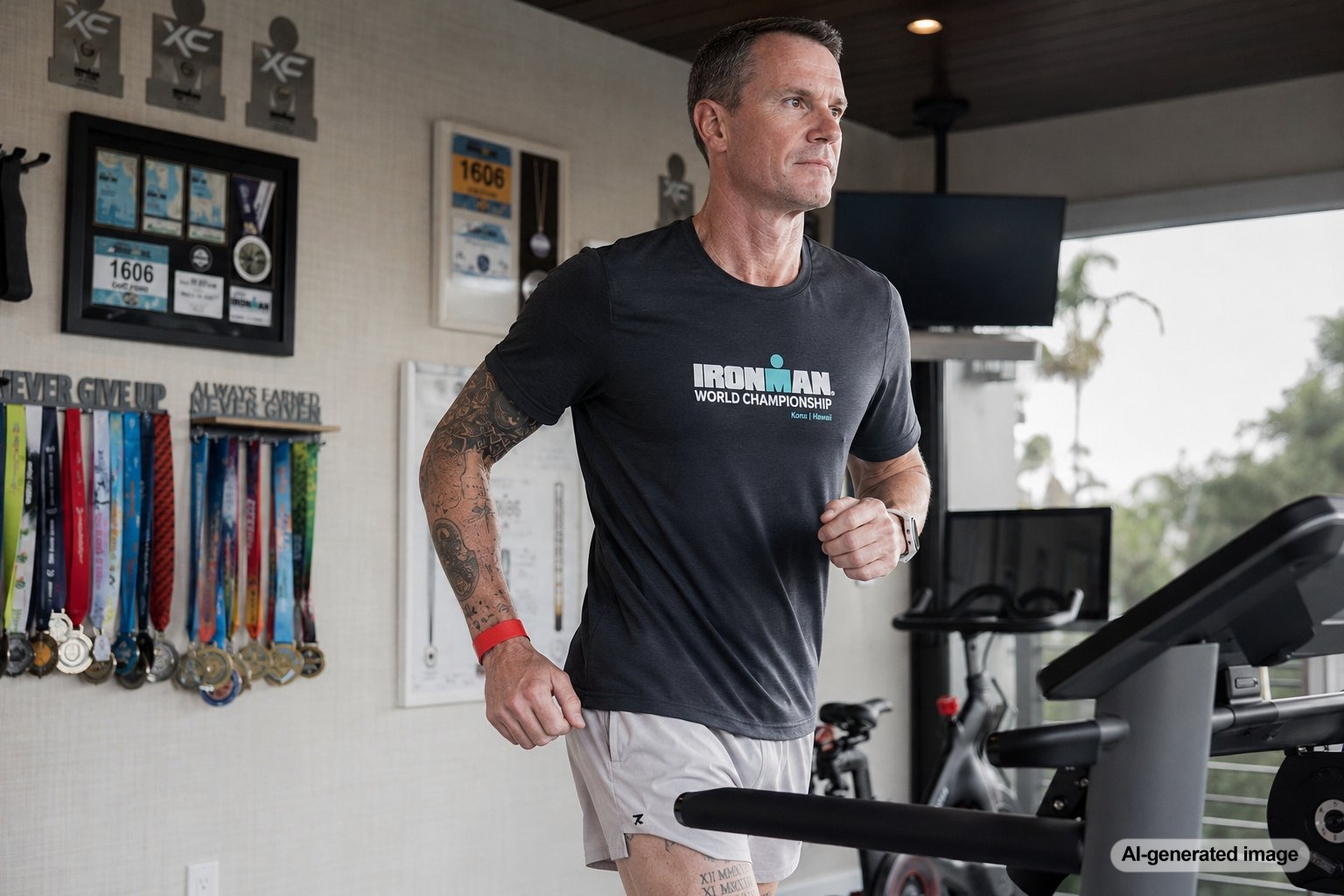
Can you live a fairly normal life with Parkinson’s? For many people, the honest answer is yes, but normal may need to be redefined with more intention, more support, and more flexibility than before. Parkinson’s can affect movement, energy, mood, sleep, balance, and daily routines, but it does not erase identity, purpose, work, family, ambition, or joy.
That distinction matters. A Parkinson’s diagnosis can be life-changing without making life over. Greg Schaefer’s story sits in that space: dad, husband, CEO, speaker, endurance athlete, and Parkinson’s advocate, still moving forward after diagnosis. You can learn more about that wider story on Greg’s About page.
Quick answer: can life still feel fairly normal?
- Yes, many people continue working, exercising, parenting, traveling, leading, and participating in meaningful life after a Parkinson’s diagnosis.
- Symptoms vary widely, so one person’s experience may look very different from another’s.
- Care, medication, exercise, sleep, nutrition, support, and planning can all play a role in quality of life.
- Normal may become more adaptive. You may need new routines, more recovery time, or better systems.
- Medical guidance matters. A movement disorder specialist or qualified clinician can help evaluate symptoms and treatment options.
What “fairly normal” really means
When people ask this question, they are usually not asking whether Parkinson’s disappears into the background forever. They are asking something more human: Can I still be myself? Can I keep doing the things that matter? Can I still show up for my family, career, friends, and goals?
The answer is often yes, though not always in the exact same way. A fairly normal life with Parkinson’s may mean continuing to work, but building more margin into the day. It may mean staying active, but becoming smarter about warmups, recovery, balance, and fatigue. It may mean saying yes to the same values while changing the pace, tools, or support around them.
Parkinson’s is a progressive neurological condition, and it can create both motor and non-motor symptoms. Tremor, stiffness, slowness, balance changes, sleep issues, fatigue, mood changes, constipation, and cognitive changes can all be part of the picture for some people. Because symptoms and progression vary, the most useful approach is not denial or panic. It is informed adaptation.
Why the experience varies so much
Two people with Parkinson’s can have very different daily lives. One person may notice tremor first. Another may struggle more with stiffness, sleep, anxiety, energy, or medication timing. Young-Onset Parkinson’s can add another layer because diagnosis may arrive while someone is still building a career, raising children, leading teams, or pursuing athletic goals.
That variation is one reason comparison can be so draining. A person who appears to be doing well may still be managing difficult symptoms privately. Someone who has a hard week may still have strong months ahead. Parkinson’s often asks people to live with a rhythm that is less predictable than they would like.
A better question than “Will my life be normal?” might be: “What helps me live well in the life I have now, while preparing wisely for what may change?” That question creates room for both realism and hope.
The role of movement, routine, and support
Movement is one of the most important lifestyle anchors for many people living with Parkinson’s. Exercise may support mobility, balance, flexibility, strength, mood, and quality of life. The right routine will depend on the person, their symptoms, fitness level, safety needs, and medical guidance, but consistent movement is often part of living well.
That does not mean everyone needs to train like an endurance athlete. For some, movement may look like walking, boxing-style fitness, cycling, strength training, stretching, balance work, dancing, swimming, or physical therapy-guided activity. The bigger principle is forward motion: building a pattern that can be repeated, adjusted, and supported over time.
Daily systems also matter. Medication schedules, sleep habits, hydration, nutrition, calendars, family communication, transportation planning, and rest windows can make a real difference. These are not glamorous parts of resilience, but they are often where better days are built.
What people often miss
One overlooked part of living with Parkinson’s is the emotional transition. A diagnosis can change how someone sees their body, future, and identity. That does not mean they are weak. It means they are human.
Another overlooked part is the support system. Partners, children, friends, coworkers, clinicians, coaches, and community members may all become part of the larger circle. Support does not have to mean hovering. Often, the best support respects independence while staying close enough to notice when help is needed.
Purpose can help, too. For Greg, the phrase “One More Step… Just One More” is not about pretending Parkinson’s is easy. It is about choosing the next right action when the whole road feels too heavy to carry at once. That same idea can apply beyond racing, business, or speaking. It can apply to a morning routine, a hard conversation, a medical appointment, or a day when symptoms feel louder than usual.
Practical ways to protect quality of life
- Build a care team you trust. A neurologist, movement disorder specialist, primary care physician, physical therapist, occupational therapist, speech therapist, mental health professional, or other clinician may be part of care depending on needs.
- Track patterns without obsessing. Noting changes in sleep, medication timing, movement, mood, and fatigue can make appointments more productive.
- Stay connected. Isolation can make any chronic condition harder. Community, family, advocacy, faith, teammates, or support groups can help people stay engaged.
- Make the environment easier. Small changes at home, work, and during travel can reduce friction and protect independence.
- Keep identity bigger than diagnosis. Parkinson’s may become part of the story, but it does not have to become the whole story.
FAQ
Can someone with Parkinson’s keep working?
Many people continue working after diagnosis, especially when symptoms are managed and the work environment allows for flexibility. The right decision depends on symptoms, job demands, treatment response, safety, and personal priorities.
Can people with Parkinson’s still exercise?
Many people can and do exercise with Parkinson’s. Activity should be chosen with safety and medical guidance in mind, especially if balance, blood pressure, fatigue, or mobility issues are present.
Does Parkinson’s always progress the same way?
No. Parkinson’s progression and symptoms can vary widely. Some people experience gradual changes over many years, while others face more disruptive symptoms earlier. A qualified clinician can help explain what is happening in an individual’s case.
Is it possible to stay hopeful without ignoring reality?
Yes. Hope does not require pretending Parkinson’s is easy. It can mean staying engaged, asking for help, adapting routines, learning what supports better days, and continuing to move toward what matters.
The bottom line
A fairly normal life with Parkinson’s is possible for many people, but it may be a more intentional kind of normal. It may require more planning, more honest communication, and more respect for the body’s signals. It may also reveal strength, relationships, priorities, and purpose in ways a person did not expect.
Greg’s message is not that adversity disappears when you keep moving. It is that one more step can still matter. For organizations, teams, and communities looking for a grounded message about resilience, leadership, endurance, and purpose, Greg brings that perspective through lived experience. Learn more about his speaking work.
Interested in bringing Greg’s message to your event or organization?
Learn more about Greg’s speaking work or get in touch to start the conversation.
Contact Greg or learn more about the Forward Motion Fund.
This article is for educational purposes only and is not medical advice. For diagnosis, treatment, or personalized medical guidance, please speak with a qualified healthcare professional.


