

Best Resistance Bands Retaining Bone Strength For Aging Neurological Patients
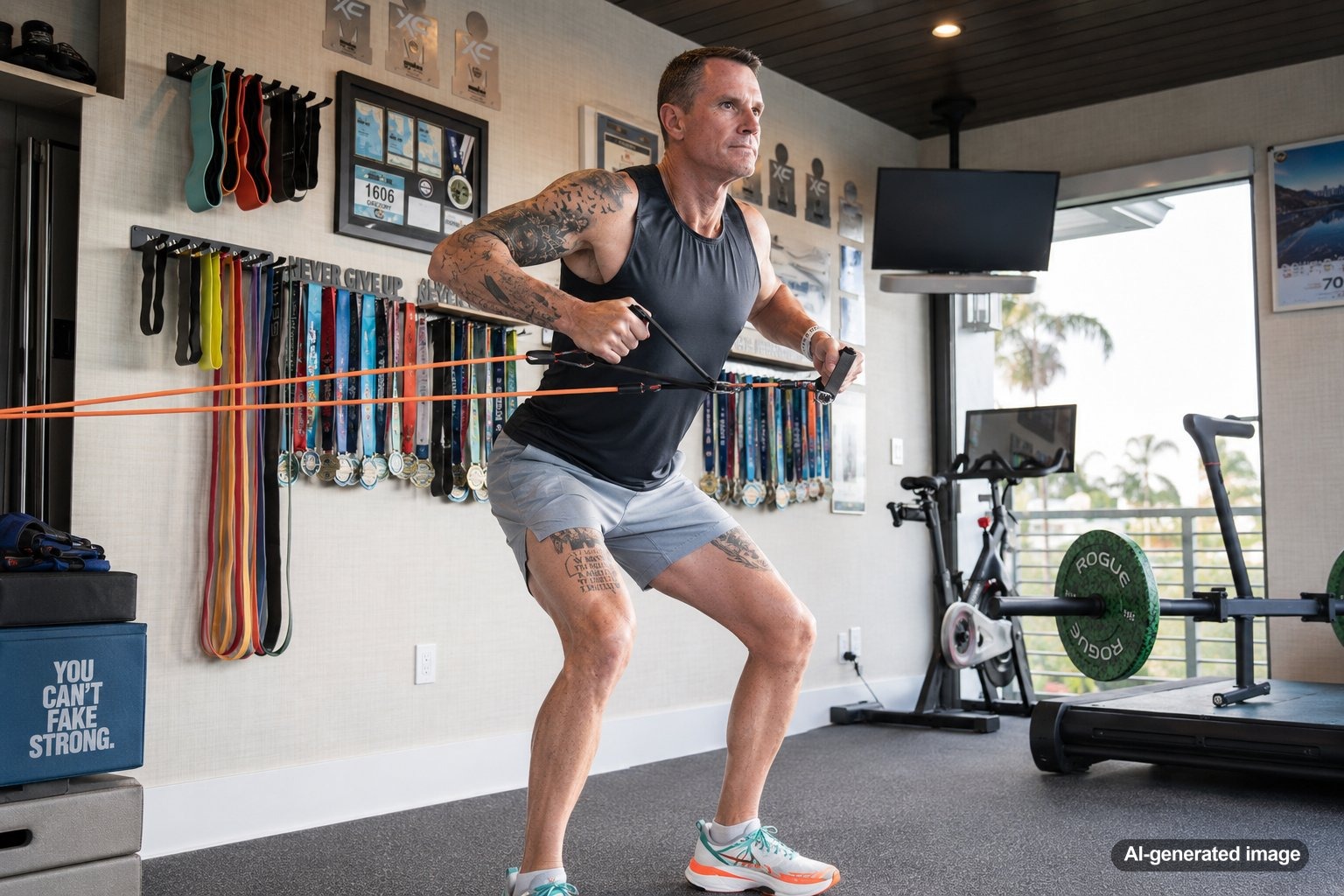
Resistance bands can look simple, but for aging neurological patients, the right band choice matters. A band that is too light may not create enough challenge to support strength. A band that is too aggressive may encourage poor form, instability, breath-holding, or compensation. The best option is rarely the strongest band in the package. It is the band that helps someone move with control, practice consistency, and build confidence without turning exercise into a risky test.
For people living with Parkinson’s disease or other neurological conditions, strength work is often part of a broader picture that includes balance, mobility, medication timing, fatigue, fall risk, and clinical guidance. Greg Schaefer’s message of forward motion is not about pretending the road is easy. It is about choosing the next useful step, then building a life around momentum, support, and purpose. You can learn more about Greg’s story on the About Greg page.
Quick answer: what resistance bands are best?
- Start with a set of light to medium loop bands and long therapy-style bands rather than one very heavy band.
- Choose bands that allow controlled movement through a safe range without jerking, twisting, or losing balance.
- Prioritize handles, anchors, and grip comfort when hand stiffness, tremor, or dexterity challenges are present.
- Use bands as one part of a full program that may include weight-bearing activity, balance work, mobility, and clinician-guided strengthening.
- Ask a qualified professional before starting or progressing exercises when osteoporosis, falls, joint pain, surgery history, or neurological symptoms are involved.
Why resistance bands can be useful for aging neurological patients
Resistance bands create tension through movement. That tension asks muscles to work, and stronger muscles can support posture, transfers, walking confidence, stair control, and everyday tasks such as getting out of a chair or carrying groceries. For aging adults, resistance work can also be part of a bone-health plan because muscle pulling against bone creates a stimulus that may help maintain or improve bone strength over time.
The key phrase is part of a plan. Bands are not a magic fix for bone loss, Parkinson’s symptoms, fall risk, or neurological decline. They are tools. Used thoughtfully, they can make strength work more accessible at home, in therapy settings, while traveling, or during days when getting to a gym is unrealistic. Used carelessly, they can add instability or encourage movements that are too fast, too strained, or poorly controlled.
That distinction matters. In endurance sports, business, family life, and advocacy, progress usually comes from repeatable systems, not heroic one-time efforts. The same is true here. A safe band routine should be simple enough to repeat and adaptable enough to meet the person where they are that day.
What to look for in the best resistance bands
The best resistance bands for retaining bone strength in aging neurological patients share a few practical traits. First, they offer multiple tension levels. A single heavy band is too limiting because different movements require different amounts of resistance. Someone may need a very light band for shoulder external rotation, a moderate band for seated rows, and a firmer loop band for supported hip work.
Second, the band should match the person’s grip and control. Flat therapy bands are versatile, inexpensive, and easy to adjust by changing hand position. Tube bands with handles may be easier for some people to hold, but the handles should not force the wrists into an awkward angle. Loop bands can be useful for hip and lower-body work, but they should not pull the knees into poor alignment or create a tripping hazard.
Third, consider how the band will be anchored. Door anchors, wall anchors, or stable furniture setups can expand exercise options, but only when they are secure. A loose anchor can snap back or cause a fall. For someone with balance changes, seated or supported standing exercises may be safer than free-standing band movements.
Light, medium, or heavy: how much resistance is enough?
A useful rule is that the band should make the last few repetitions feel challenging without breaking form. If the person has to hold their breath, lean backward, rush the movement, grip desperately, or twist to finish the set, the band is probably too heavy. If the movement feels effortless for many repetitions, it may be too light to create meaningful strength adaptation.
For many aging neurological patients, progression should be slower and more deliberate than generic fitness programs suggest. A practical starting point may be one to two sets of controlled repetitions for a small group of exercises, with rest and observation between movements. Progress can come from smoother control, better posture, a slightly longer range of motion, more consistent sessions, or a modest increase in band tension. More resistance is not the only sign of improvement.
Medication cycles, fatigue, sleep, stress, stiffness, and balance can all affect performance. A band that feels right on Monday may feel too demanding on Thursday. That is not failure. It is useful feedback.
Exercises that often make sense with bands
The safest exercise menu depends on the individual, but several categories often deserve attention. Seated rows can help upper-back strength and posture. Supported sit-to-stand practice may build the strength needed for daily independence, though it may not require a band at first. Hip abduction work can support lateral hip strength, which matters for walking and balance. Gentle chest presses, wall-supported band pulls, and controlled shoulder movements can help maintain upper-body function.
For bone strength, exercises that load the hips, legs, spine, and upper body may be more relevant than isolated arm work alone. That does not mean every person should be doing aggressive squats or heavy pulls. It means the program should not become only wrist curls and tiny movements if the goal includes whole-body strength, function, and bone health.
Many people miss the value of tempo. Moving slowly, pausing with control, and returning against the band’s pull can make a light band more useful. Fast, sloppy repetitions often reduce benefit and increase risk.
What caregivers and family members should watch for
Support people can help by watching the environment, not just the exercise. Is the floor clear? Is the chair stable? Is the band intact, without cracks or tears? Is the person exercising near a wall, counter, or rail when balance support is needed? Is the room calm enough for focused movement?
Family members should also watch for signs that the session is becoming unsafe: dizziness, sudden shortness of breath, chest discomfort, unusual pain, confusion, freezing, near falls, excessive fatigue, or frustration that causes rushed movement. Stop the session and seek appropriate guidance when something feels off.
Good support is not about hovering or turning every movement into a medical event. It is about creating conditions where the person can participate with dignity. That includes asking what feels helpful, allowing rest, and respecting the difference between encouragement and pressure.
Common mistakes with resistance bands
- Choosing bands by ego instead of form. The goal is not to prove toughness. The goal is useful, repeatable strength work.
- Skipping balance support. Standing band exercises can challenge balance more than expected, especially when the band pulls from the side or behind.
- Using worn-out bands. Bands can crack, thin, or snap. Inspect them often and replace damaged equipment.
- Ignoring pain or neurological changes. New pain, worsening symptoms, or repeated instability should be discussed with a qualified professional.
- Doing the same routine forever. A program should evolve as the person’s ability, goals, and medical situation change.
How this connects to forward motion
For someone living with a neurological diagnosis, exercise can carry emotional weight. It is not just about sets and repetitions. It can represent independence, identity, frustration, hope, and the daily decision to keep participating in life. Greg’s work sits in that intersection: resilience without denial, movement without bravado, and purpose without pretending every day feels strong.
Resistance bands fit that philosophy when they are used well. They are portable, adaptable, and humble. They do not need to be dramatic to matter. A few controlled movements, repeated consistently and supported wisely, can become part of a larger practice of staying engaged with the body and the day ahead.
For organizations, teams, and communities, this same lesson carries beyond exercise. Progress often depends on building systems that let people keep moving when conditions are imperfect. That is one reason Greg’s speaking work connects endurance, leadership, family, Parkinson’s advocacy, and mission-driven living. Learn more about bringing that message to your organization on the Speaking page.
FAQ
Are resistance bands enough to retain bone strength?
They can be part of a bone-health strategy, but they are usually not the whole plan. Bone health may also involve weight-bearing activity, nutrition, vitamin D and calcium considerations, fall prevention, medication review, and medical evaluation when osteoporosis or fracture risk is present.
Should someone with Parkinson’s use resistance bands?
Many people with Parkinson’s can benefit from strength exercise, but the right approach depends on symptoms, balance, medication timing, fatigue, fall risk, and other health conditions. A physical therapist or clinician familiar with Parkinson’s can help tailor the plan.
What type of band is safest for someone with tremor or hand stiffness?
There is no single safest band for everyone. Some people prefer handled tube bands because they are easier to hold. Others do better with flat bands that can be wrapped around the hand or used with assistance. Grip comfort, control, and secure setup matter more than the style alone.
How often should resistance bands be used?
Frequency should be personalized. Many general exercise guidelines include muscle-strengthening activities at least a couple of days per week, but neurological symptoms, recovery, balance, and medical history should guide the actual schedule.
When should a professional be involved?
Professional guidance is especially important after a fall, fracture, surgery, new diagnosis, major symptom change, osteoporosis diagnosis, unexplained pain, or any situation where balance and safety are uncertain.
Interested in bringing Greg’s message to your event or organization?
Learn more about Greg’s speaking work or get in touch to start the conversation.
Contact Greg or learn more about the Forward Motion Fund.
This article is for educational purposes only and is not medical advice. For diagnosis, treatment, or personalized medical guidance, please speak with a qualified healthcare professional.


