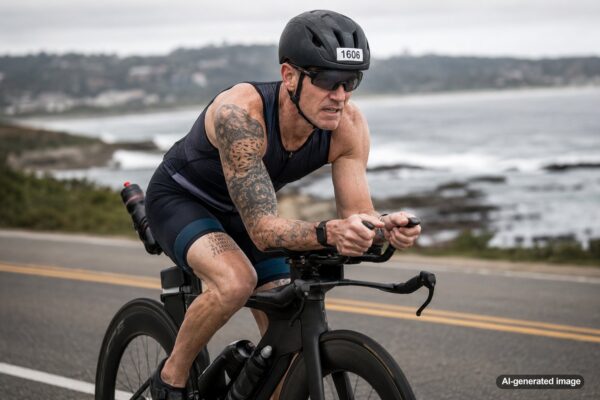

Nutrition For Endurance Athletes Over Age 40
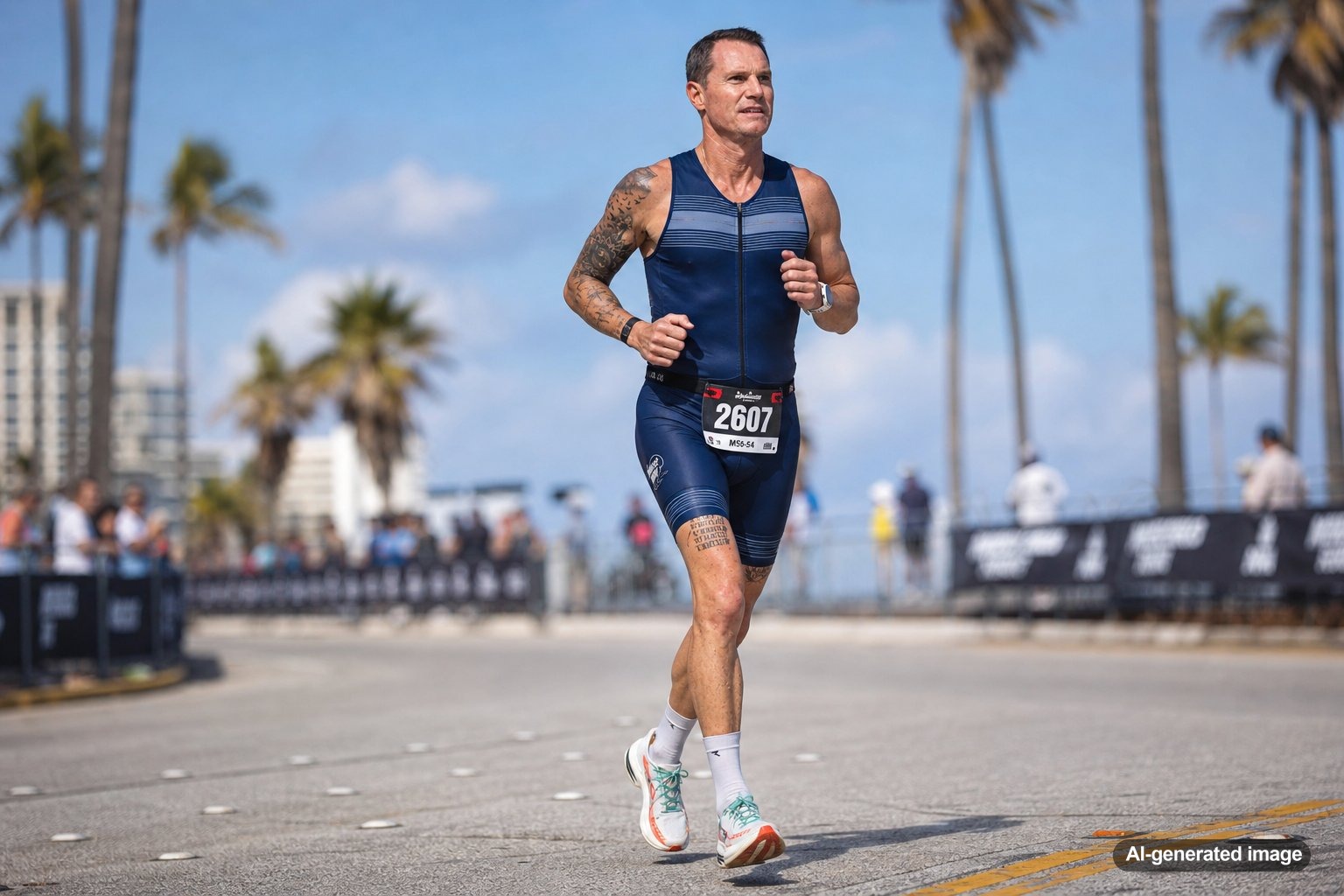
Nutrition for endurance athletes over age 40 is not about chasing a perfect diet. It is about giving the body enough reliable support to train, recover, adapt, and keep showing up with strength. The longer the race, the more nutrition becomes part of the discipline itself.
For athletes balancing work, family, leadership, aging bodies, and big goals, fueling cannot be an afterthought. It has to be practical. It has to be repeatable. And it has to respect the reality that recovery, digestion, hydration, sleep, and stress all matter more than they did when the body could absorb almost anything and still bounce back. Greg Schaefer’s endurance story sits at that intersection of discipline, resilience, and forward motion. To learn more about that broader journey, visit Greg’s story.
Quick answer
- Endurance athletes over 40 usually benefit from fueling earlier, recovering more intentionally, and avoiding large swings in energy intake.
- Carbohydrates remain important for long training sessions and races, especially when intensity or duration increases.
- Protein matters for repair, muscle maintenance, and consistency between sessions.
- Hydration should include fluids and electrolytes when heat, sweat rate, duration, or race conditions require it.
- The best nutrition plan is one tested in training, not invented on race day.
Why nutrition changes after 40
Endurance athletes over 40 often discover that the same habits that worked years earlier do not always carry the same results. A long run skipped breakfast in your 20s might have felt manageable. A hard ride with poor recovery might have been annoying, but survivable. Later in life, those same choices can show up as lingering soreness, flat workouts, disrupted sleep, low motivation, or a training block that never quite clicks.
That does not mean age is a limitation. It means the margin for sloppy recovery gets smaller. Fuel becomes part of the training plan, not a separate lifestyle project. The goal is not to eat perfectly. The goal is to support the work you are asking your body to do.
For many masters athletes, the biggest shift is timing. Waiting too long to eat after a demanding session, underfueling during long workouts, or relying on caffeine instead of food can create a slow drain on consistency. The athlete may still complete the workout, but the next session pays the price.
Start with enough daily fuel
Before race-day gels, hydration mixes, or recovery shakes, the foundation is simple: enough food across the day. Endurance training places a real demand on the body. When calories are too low for too long, performance, mood, recovery, and immune resilience can suffer.
This can be especially easy to miss for busy professionals and parents. A morning workout, back-to-back meetings, a rushed lunch, and a late dinner can create an accidental underfueling pattern. The athlete may not be trying to restrict food. Life simply crowds out the basics.
A useful starting point is to build meals around carbohydrates, protein, healthy fats, and color from fruits or vegetables. That does not need to look fancy. A bowl of oats with fruit and yogurt, rice with eggs and avocado, a turkey sandwich with soup, salmon with potatoes and vegetables, or pasta with lean protein can all support endurance work. The best plan is often the one that survives real life.
Carbohydrates are still part of endurance performance
Carbohydrates are sometimes misunderstood by athletes trying to stay lean, age well, or feel in control of nutrition. But for endurance athletes, especially those training for long-course events, carbohydrates are a key fuel source. The body can use fat during lower-intensity efforts, but harder training and sustained race efforts often require accessible carbohydrate energy.
The practical question is not whether carbohydrates are good or bad. The better question is when they help. Before a long or intense session, carbohydrates can help the athlete start with more available energy. During longer workouts, they can help maintain output. After training, they can help replenish what was used.
For an athlete over 40, this can be less about chasing aggressive fueling numbers and more about avoiding the common mistake of starting depleted. A long ride that begins with coffee and optimism may end with a fade that has nothing to do with mental toughness. Sometimes the body is simply asking for fuel.
Protein supports repair and consistency
Protein becomes especially important when the goal is to keep training well over time. Endurance sports can create muscle damage, connective tissue stress, and repeated recovery demands. Protein helps support repair and muscle maintenance, especially when paired with enough total daily energy.
Many athletes do better when they spread protein across the day instead of saving most of it for dinner. That might mean including eggs, Greek yogurt, cottage cheese, fish, poultry, beans, tofu, lean meat, or a protein-rich smoothie at different points in the day. The exact foods matter less than the consistency.
Post-workout protein is useful, but it is not magic by itself. A recovery snack after a hard session can help, especially if the next meal is hours away. Still, the bigger win is building a rhythm that makes recovery predictable. Endurance success is usually built from repeated, ordinary choices done well.
Hydration is more than drinking water
Hydration needs can vary widely by athlete, sweat rate, heat, humidity, duration, and intensity. Water matters, but for long or hot sessions, electrolytes may also matter. Some athletes lose significant sodium through sweat. Others do not. Some tolerate sports drinks well. Others need a different approach.
A practical habit is to pay attention to patterns. Do you fade late in hot workouts? Do you finish with salt marks on your clothes? Do you get headaches after long training days? Do you avoid drinking because your stomach feels sloshy? These clues can help shape a smarter plan to test in training.
Hydration should not begin at the start line. Going into a session already dehydrated makes the day harder than it needs to be. For busy athletes, this often means making fluids visible and routine, especially during travel, workdays, and the hours before training.
Race-day nutrition should be rehearsed
Race day is not the time to discover what your stomach can handle. Every athlete has stories about a new gel, drink mix, bar, or breakfast that seemed harmless until the body rejected it at mile 15 or hour 6. The longer the race, the more those small decisions compound.
The best race-day nutrition plans are built through rehearsal. Test breakfast before long workouts. Test fueling frequency during long rides and runs. Practice drinking while moving. Notice what happens when intensity rises. The goal is not to create a perfect laboratory plan. The goal is to reduce surprises.
For Ironman and long-course athletes, this kind of rehearsal can be the difference between a strong, steady day and a day spent solving preventable problems. Discipline is not just pushing harder. Sometimes it is eating early, drinking before thirst becomes urgent, and trusting the plan you practiced.
What athletes over 40 often miss
One overlooked issue is the relationship between stress and nutrition. Training stress is only one kind of load. Work pressure, caregiving, parenting, travel, poor sleep, and emotional strain all affect how the body responds. An athlete can be physically fit and still under-recovered.
Another overlooked issue is the fear of eating enough. Some athletes try to improve performance while quietly underfeeding the body that has to produce that performance. This can lead to inconsistency, irritability, stalled progress, and a sense that training is harder than it should be.
A third overlooked issue is relying on willpower instead of systems. If the refrigerator is empty, the recovery meal is unlikely to happen. If fuel is not packed before a long ride, the athlete may improvise poorly. If hydration is not planned, the athlete may spend the day catching up. Strong athletes make the basics easier to repeat.
Simple nutrition habits that work in real life
- Fuel before the work: Eat enough before long or intense sessions so you are not starting from empty.
- Practice during training: Use long workouts to test fluids, carbohydrates, timing, and stomach tolerance.
- Recover early: Have a realistic post-workout option ready when a full meal is not immediately available.
- Spread protein out: Include protein at multiple meals or snacks instead of relying on one large serving at night.
- Plan for busy days: Keep simple foods available so meetings, travel, and family schedules do not erase nutrition.
- Adjust for conditions: Heat, humidity, altitude, sweat rate, and duration can change hydration needs.
FAQ
Should endurance athletes over 40 eat differently than younger athletes?
They may need to be more intentional. The basics remain familiar: enough energy, carbohydrates for demanding work, protein for repair, hydration, and consistency. The difference is that poor recovery habits often become more noticeable with age.
Is low-carb training a good idea for endurance athletes over 40?
Some athletes experiment with different fueling strategies, but low-carb approaches can be challenging during intense or long training blocks. For many endurance athletes, carbohydrates are an important tool. A sports dietitian can help personalize this based on goals, health history, and training demands.
What should I eat before a long workout?
Many athletes do well with familiar, easy-to-digest carbohydrates and some fluid before long efforts. Examples might include oatmeal, toast with nut butter, rice, a banana, or another familiar meal. The best choice is one tested in training and tolerated well.
How soon should I eat after training?
If a normal meal is coming soon, that may be enough. If the next meal is hours away, a recovery snack with protein and carbohydrates can help support the next session. The more demanding the workout, the more recovery nutrition matters.
When should an athlete get professional nutrition guidance?
It can be helpful to speak with a qualified sports dietitian if there are recurring stomach issues, unexplained fatigue, major body composition concerns, medical conditions, medication interactions, or performance problems that do not improve with basic habits.
Bottom line
Nutrition for endurance athletes over 40 is not about perfection. It is about respect for the work. Eat enough to support training. Practice the plan before race day. Recover with intention. Hydrate according to the conditions. And build a system that helps you keep moving forward, one more step at a time.
Interested in bringing Greg’s message to your event or organization?
Learn more about Greg’s speaking work or get in touch to start the conversation.
Contact Greg or learn more about the Forward Motion Fund.
This article is for educational purposes only and is not medical advice. For diagnosis, treatment, or personalized medical guidance, please speak with a qualified healthcare professional.