

Nutrition And Lifestyle Changes For Managing Parkinson’s Symptoms
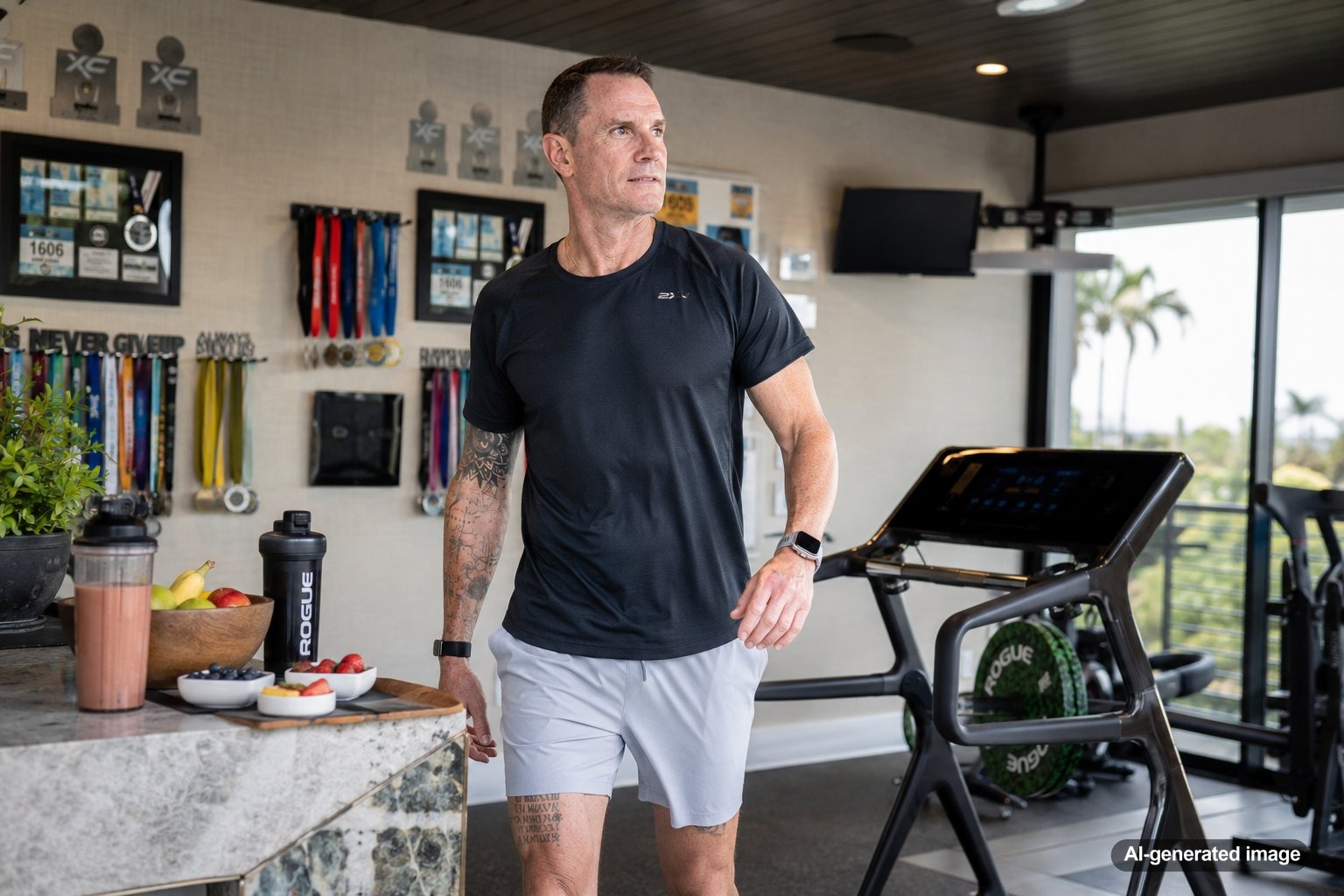
Nutrition and lifestyle changes cannot erase Parkinson’s, and they should never be treated as a substitute for medical care. But for many people living with Parkinson’s, the small daily choices around food, movement, sleep, hydration, stress, and routine can become part of a stronger support system. They may help with energy, digestion, medication consistency, balance, mood, and the sense of agency that matters so much when life changes unexpectedly.
Greg Schaefer’s world sits at the intersection of family, endurance, leadership, advocacy, and living forward after a Young-Onset Parkinson’s diagnosis. That perspective matters here: lifestyle is not about perfection. It is about building a realistic rhythm that helps a person keep showing up, one more step at a time. To learn more about Greg’s broader story, visit his About page.
Quick answer
- There is no single Parkinson’s diet that works for everyone, but a balanced, whole-food pattern can support overall health, energy, digestion, and strength.
- Meal timing can matter, especially for people taking levodopa or other medications that may be affected by protein timing or stomach emptying.
- Regular movement, including aerobic exercise, strength work, flexibility, and balance training, may support mobility and quality of life.
- Sleep, hydration, social connection, and stress management are not side issues. They can influence how manageable daily symptoms feel.
- Changes should be personalized with a neurologist, dietitian, physical therapist, or other qualified clinician.
Start with the goal: better daily function, not a perfect plan
Parkinson’s can affect movement, balance, stiffness, tremor, digestion, sleep, mood, energy, and medication response. Because the experience varies widely, nutrition and lifestyle choices should be measured by how they support real life, not by whether they follow the newest wellness trend.
A useful plan asks practical questions: Are meals helping energy stay steadier? Is constipation being addressed? Is hydration consistent? Is movement built into the week in a way that is safe and repeatable? Is sleep protected as part of symptom management? Is the person getting enough support from family, clinicians, community, and routine?
For someone with an endurance background, discipline can be a strength. But Parkinson’s also asks for adaptation. A strong lifestyle plan leaves room for off days, medication timing, fatigue, travel, family responsibilities, and the reality that symptoms can fluctuate.
Nutrition changes that may support Parkinson’s symptom management
Food cannot cure Parkinson’s. Still, nutrition can play a meaningful role in supporting strength, energy, digestion, medication consistency, and overall health. Many Parkinson’s organizations emphasize a balanced diet built around vegetables, fruits, whole grains, lean or appropriate protein sources, healthy fats, and enough fluids.
Focus on a balanced, fiber-rich eating pattern
Constipation is common in Parkinson’s, and diet can be one piece of addressing it. Fiber-rich foods such as vegetables, fruits, beans, lentils, oats, and whole grains may help support bowel regularity when paired with adequate fluids and movement. For some people, increasing fiber too quickly can cause discomfort, so gradual changes are often easier to tolerate.
Pay attention to protein and medication timing
Some Parkinson’s medications, especially levodopa, may work differently depending on meal timing and protein intake. This does not mean protein is bad. Protein supports muscle, recovery, immune function, and overall health. The practical issue is timing. Some people may need guidance on whether to spread protein throughout the day, shift heavier protein portions later, or adjust meals around medication schedules. That decision should be made with a clinician, not guessed alone.
Hydration matters more than many people realize
Dehydration can make fatigue, dizziness, constipation, and general function harder to manage. People who train, sweat, travel, or take medications that affect blood pressure may need to be especially attentive. Water, hydrating foods, and clinician-guided electrolyte strategies can all be part of the conversation.
Watch for weight, swallowing, and appetite changes
Parkinson’s can affect appetite, chewing, swallowing, digestion, and body weight. Weight loss, coughing during meals, frequent choking, or avoiding certain textures are not minor details. They are reasons to speak with a healthcare professional, and in some cases a speech-language pathologist or dietitian may be appropriate.
Lifestyle changes that can support the whole person
Managing Parkinson’s symptoms is not only about what happens at the table. Movement, recovery, sleep, mental health, connection, and structure all play a role in how life feels day to day.
Build movement into the week
Exercise is one of the most commonly discussed lifestyle tools for Parkinson’s. Aerobic training, strength work, mobility, balance, and flexibility can each serve a different purpose. Walking, cycling, swimming, boxing-style classes, resistance training, yoga, tai chi, and therapist-guided programs may all have a place depending on safety, symptoms, fitness level, and clinician guidance.
The key distinction is consistency over intensity. A person does not need to be an Ironman athlete to benefit from movement. For some, the win is a structured workout. For others, it is a short walk, a balance routine, or getting up from a chair several times with control. Forward motion can look different on different days.
Protect sleep as part of the plan
Sleep problems can be part of Parkinson’s, and poor sleep can make everything else feel heavier. A consistent bedtime routine, light exposure during the day, limiting late caffeine, managing nighttime bathroom trips, and discussing sleep symptoms with a clinician can all matter. If vivid dreams, acting out dreams, insomnia, restless legs, or daytime sleepiness are present, those are worth bringing into the medical conversation.
Reduce friction in the daily routine
Small systems can make a real difference. Keeping water visible, using medication reminders, planning simple meals, choosing shoes that support balance, setting up a safer home environment, and scheduling movement at the same time each day can reduce decision fatigue. Parkinson’s already asks for energy. A good routine gives some of that energy back.
Make support visible
Family, caregivers, training partners, clinicians, friends, and community organizations all matter. Parkinson’s can feel isolating, especially for people diagnosed younger than expected. Connection is not a soft extra. It can help people stay engaged, accountable, informed, and emotionally steadier.
What people often miss
- Symptoms fluctuate. A meal, workout, or routine that works well one week may need adjustment the next.
- Medication timing is personal. Nutrition advice should fit the person’s prescribed treatment plan, not override it.
- Care partners need support too. Lifestyle planning works better when the household rhythm is realistic.
- Fitness history matters, but it is not the whole story. Athletes may need to learn restraint, recovery, and adaptation as much as effort.
- Mood and motivation are part of health. A plan that ignores emotional fatigue is unlikely to last.
A practical way to start
Instead of changing everything at once, start with a two-week observation period. Track meals, hydration, medication timing, bowel habits, sleep, movement, energy, and symptom fluctuations. The point is not to create a perfect log. The point is to notice patterns that can be discussed with a neurologist, dietitian, physical therapist, or care team.
From there, choose one or two adjustments. That might mean adding a fiber-rich breakfast, walking after lunch, filling a water bottle every morning, setting a medication reminder, or creating a simple evening wind-down routine. Small changes are easier to test, easier to sustain, and easier to refine.
FAQ
Is there a best diet for Parkinson’s?
There is no single proven diet that is best for every person with Parkinson’s. Many people focus on balanced, whole-food eating patterns that support overall health, digestion, energy, and medication consistency. Personalized guidance is important, especially when symptoms, medications, weight changes, or swallowing concerns are involved.
Can lifestyle changes reduce Parkinson’s symptoms?
Lifestyle changes may help some people manage aspects of daily life with Parkinson’s, such as energy, constipation, mobility, mood, balance, and overall function. They do not replace medical treatment, and results vary from person to person.
Should people with Parkinson’s avoid protein?
Not automatically. Protein is important for strength and health. For some people taking levodopa, protein timing may affect medication response, so it is best to discuss meal timing with a qualified clinician or dietitian.
What type of exercise is helpful for Parkinson’s?
A mix of aerobic movement, strength training, balance work, flexibility, and mobility may be helpful, depending on the person’s condition and safety needs. A physical therapist or Parkinson’s-informed exercise professional can help tailor a program.
How can families support lifestyle changes?
Families can help by making routines easier, joining walks or meals, supporting appointments, reducing household friction, and respecting that symptoms may vary day to day. Support is often most useful when it is steady rather than controlling.
Interested in bringing Greg’s message to your event or organization?
Learn more about Greg’s speaking work or get in touch to start the conversation.
Contact Greg or learn more about the Forward Motion Fund.
This article is for educational purposes only and is not medical advice. For diagnosis, treatment, or personalized medical guidance, please speak with a qualified healthcare professional.


