

What to Do When Your Old Definition of Success No Longer Fits
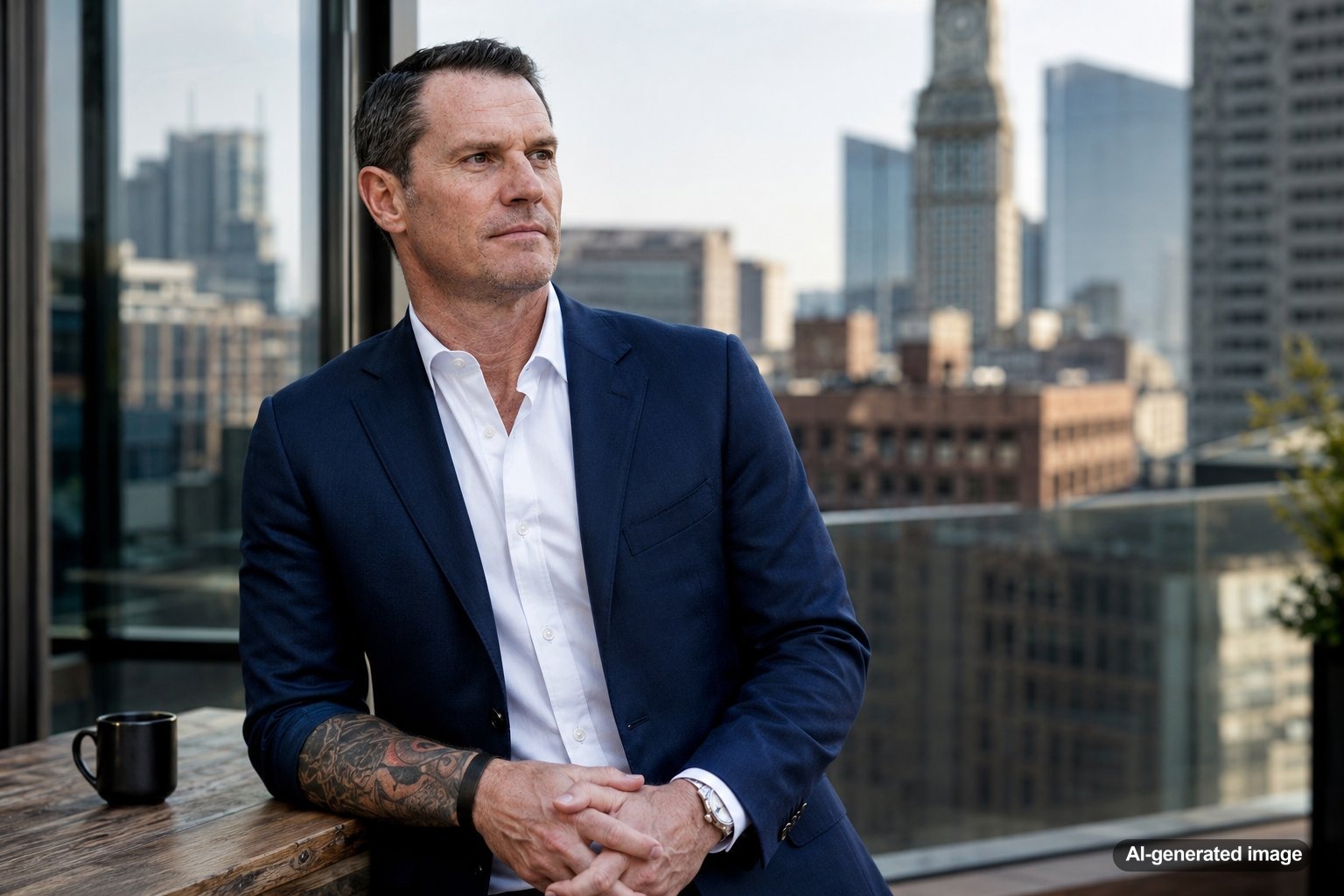
There are seasons when the life you worked so hard to build starts asking a different question. What once felt like success may still look impressive from the outside, but inside it may feel too narrow, too heavy, or no longer honest. That can happen after a career change, a diagnosis, a loss, a milestone, a family shift, or simply after years of outgrowing an old scoreboard.
When your old definition of success no longer fits, it does not mean the work you did was wasted. It may mean you are being asked to build a more truthful definition. One that leaves room for strength, family, purpose, health, contribution, and the kind of forward motion that cannot always be measured by titles, finish lines, income, or applause. Greg Schaefer’s story, from business leadership to endurance racing to life with Young-Onset Parkinson’s, is rooted in that kind of recalibration. You can learn more about his broader journey on the About Greg page.
Quick answer
- Start by naming what no longer feels aligned, without dismissing what once mattered.
- Separate external achievement from internal meaning.
- Look for the values that still hold up under pressure.
- Build a new definition around contribution, relationships, courage, and consistency.
- Take one practical next step instead of trying to reinvent your whole life at once.
Why an old version of success can stop working
Most people inherit a definition of success before they ever question it. It may come from family expectations, professional pressure, athletic goals, financial targets, or the desire to prove something after a hard season. For a while, that definition can be useful. It gives structure. It creates discipline. It pushes you to build, compete, lead, provide, and endure.
But success can become too small when it only measures what is visible. A promotion may not capture peace. A finish line may not capture healing. A full calendar may not capture presence. A business achievement may not capture whether the person behind it still feels connected to the life they are living.
The hard part is that outdated success often still looks respectable. Other people may still admire it. That can make the internal misalignment confusing. You may think, “I should be grateful,” or “I should feel satisfied,” even while something deeper is asking for a different way forward.
Do not throw away the old definition too quickly
When success no longer fits, the goal is not to reject every ambition you ever had. Many old definitions were built from real discipline, sacrifice, and courage. They may have helped you become stronger, more capable, more resilient, and more responsible. There is no need to shame the version of you that needed those goals.
A better first step is to ask what the old definition taught you. Did it teach work ethic? Commitment? Leadership? Grit? Follow-through? Those qualities may still belong in the next chapter. The scoreboard may change, but the strength you built does not disappear.
This distinction matters because reinvention does not have to mean self-erasure. It can mean carrying forward what is true while releasing what is no longer useful.
Separate achievement from identity
One of the most difficult parts of redefining success is realizing how closely achievement can attach itself to identity. The founder becomes the company. The athlete becomes the race result. The provider becomes the income. The leader becomes the title. The advocate becomes the cause. None of these roles are wrong, but they become fragile when they are the only way a person knows how to feel valuable.
A more durable definition of success makes room for roles without being trapped by them. You can lead without needing a title to prove your worth. You can train without needing every race to validate your identity. You can serve a mission without reducing your entire life to one cause. You can face adversity without making pain the whole story.
For Greg, the message of forward motion is not about pretending life is simple. It is about refusing to let one chapter, one diagnosis, one setback, or one old scoreboard have the final word. That same principle can apply to anyone standing at the edge of change.
Ask what still matters when the scoreboard changes
A strong new definition of success usually begins with pressure-tested values. These are the things that still matter when circumstances shift. Family. Integrity. Health. Courage. Service. Faithfulness to a mission. The willingness to keep showing up. The ability to be present with people who matter. The discipline to do what is possible today, even when the bigger picture feels uncertain.
Try asking yourself a few direct questions:
- What am I proud of that no one can see on a resume?
- What kind of person do I want to be when life gets inconvenient?
- Which goals still feel honest, and which ones feel like old approval patterns?
- Where am I confusing being admired with being aligned?
- What would success look like if it included peace, service, and presence?
These questions do not always produce easy answers. They do, however, move the conversation from performance to truth.
Build a definition that can survive real life
A fragile definition of success only works when everything goes according to plan. A stronger one can survive disruption. It leaves room for changing bodies, shifting careers, family responsibilities, health realities, grief, uncertainty, and new callings. It does not depend entirely on constant expansion, constant applause, or constant control.
That kind of success might sound less glamorous, but it is often more meaningful. It may look like keeping a promise to your family. It may look like showing up for a team during a difficult season. It may look like using your platform to serve others. It may look like returning to movement after a setback, even if the pace is different. It may look like taking one more step when the old version of winning no longer applies.
This is also where leadership becomes deeply personal. Leaders who have redefined success often become more useful to others because they are no longer leading from image alone. They can speak with clarity about pressure, change, endurance, and purpose because they have had to live those ideas, not just present them. For organizations, teams, and event planners looking for that kind of grounded message, Greg’s speaking work is built around resilience that feels earned and practical.
What people often miss about redefining success
People often assume redefining success requires a dramatic public pivot. Sometimes it does. More often, it begins quietly. You stop saying yes to things that drain your integrity. You stop measuring your worth only by output. You start protecting time for family, health, training, reflection, service, or recovery. You begin choosing goals that are not just impressive, but meaningful.
Another overlooked truth is that a new definition of success may still include ambition. Purpose-driven success is not the absence of drive. It is drive with a clearer center. You can still build, compete, grow, lead, and pursue excellence. The difference is that those pursuits are no longer the whole identity. They become expressions of your values instead of substitutes for them.
A practical way to begin
Instead of trying to redesign your entire future, choose one area where the old definition feels most out of alignment. It could be work, health, relationships, leadership, training, or service. Then write two sentences. First: “Success used to mean…” Second: “Success now needs to include…”
That simple exercise can reveal the gap between who you were trying to be and who life is asking you to become. From there, choose one small action that honors the new definition. Have the conversation. Change the calendar. Recommit to movement. Ask for support. Say no with integrity. Say yes to something that matters. Begin with one step, not a total life overhaul.
Bottom line
When your old definition of success no longer fits, you are not failing. You may be growing into a definition that is more honest, more durable, and more human. The goal is not to abandon ambition. The goal is to align ambition with purpose, courage, relationships, and contribution.
FAQ
Is it normal for success to feel different over time?
Yes. Life experience often changes what people value. Career shifts, family responsibilities, health changes, loss, achievement, and age can all reshape what success means.
Does redefining success mean giving up on big goals?
No. It can mean choosing goals with more intention. Big goals can still matter, but they become healthier when they are connected to values instead of only status or approval.
What if other people do not understand my new definition of success?
That can be difficult, especially if your old definition was easy for others to recognize. A more aligned life may require quiet conviction before it receives outside validation.
How do I know if my old definition is no longer working?
Common signs include persistent misalignment, resentment, emptiness after achievement, lack of presence, or the sense that your goals no longer reflect who you are becoming.
What is the first step?
Name what has changed. Then choose one action that reflects the person you are becoming, not only the version of you that built the old scoreboard.
Interested in bringing Greg’s message to your event or organization?
Learn more about Greg’s speaking work or get in touch to start the conversation.
Contact Greg or learn more about the Forward Motion Fund.
This article is for educational purposes only and is not medical advice. For diagnosis, treatment, or personalized medical guidance, please speak with a qualified healthcare professional.