

What Open Water Sessions Teach You About Adaptability
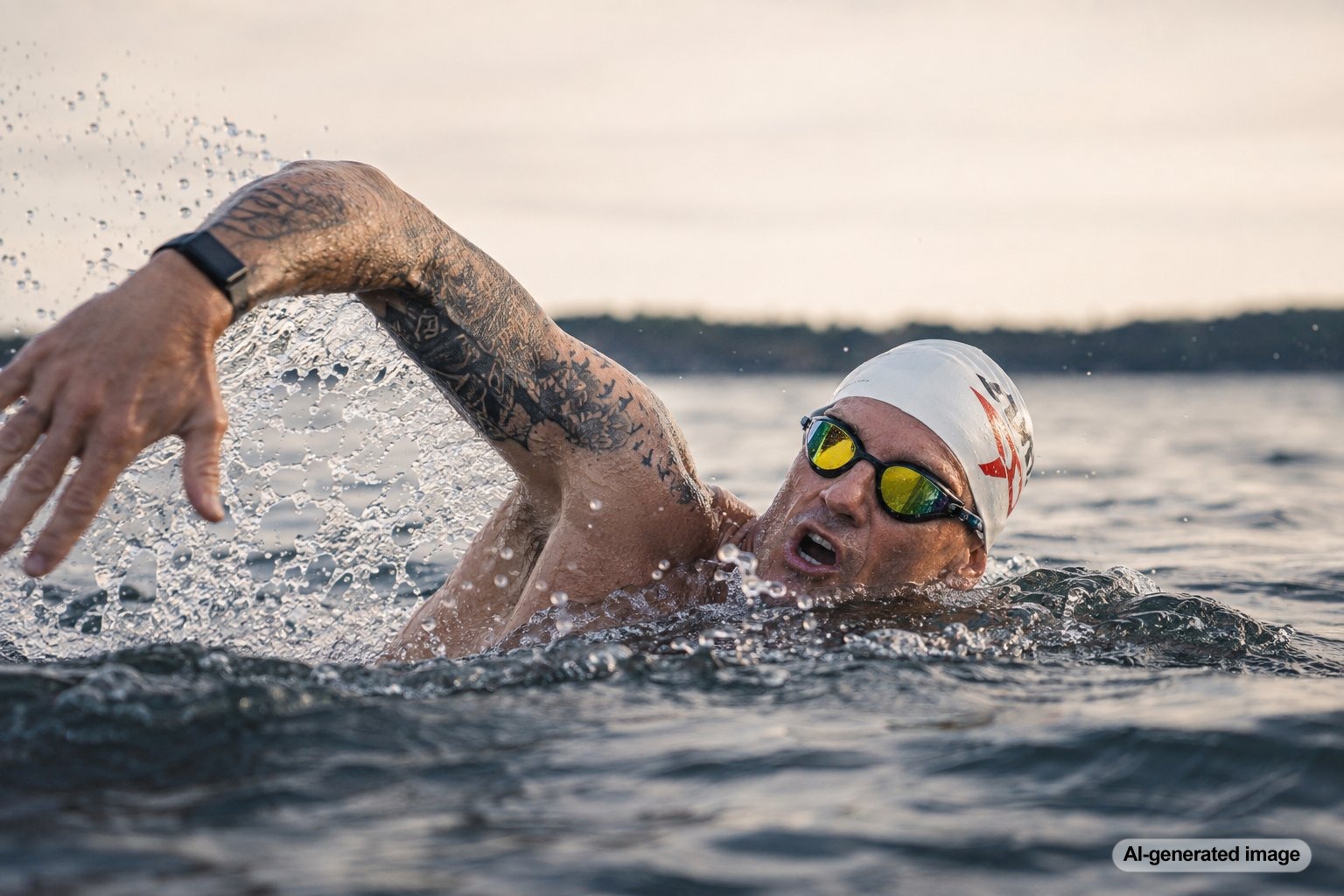
Open water has a way of stripping away the illusion of perfect control. In a pool, the lane lines are fixed, the wall arrives exactly when expected, and the water behaves mostly the same from one end to the other. In open water, the conditions ask a different question: can you stay present when the plan has to change?
That is what makes open water sessions such a powerful teacher. They are not only about swimming. They are about learning how to move through uncertainty without losing your center. For an endurance athlete, entrepreneur, speaker, parent, advocate, or anyone trying to keep going through real-life disruption, that lesson matters. Greg Schaefer’s story lives in that same intersection of discipline, family, business, adversity, and forward motion.
Quick answer
- Open water teaches adaptability because conditions can shift without warning.
- It forces athletes to make calm decisions while staying in motion.
- It builds confidence by replacing perfection with awareness, adjustment, and trust.
- The mindset transfers beyond sport into leadership, resilience, family, and mission-driven living.
Open water removes the comfort of perfect conditions
In a controlled environment, progress can feel clean. You know the distance, the temperature, the pace clock, and the next turn. Open water does not offer that same predictability. A calm morning can become choppy. Visibility can change. A current can pull harder than expected. Other swimmers may crowd your line. Your rhythm may be interrupted before you ever find it.
That discomfort is not a flaw in the session. It is the session. Adaptability grows when the athlete learns that confidence cannot depend on everything going smoothly. It has to come from the ability to notice, adjust, breathe, and keep moving.
Adaptability begins with awareness
Open water rewards the athlete who pays attention. You cannot simply drop your head and repeat the same motion forever. You have to sight. You have to feel the water. You have to notice where the sun is, how the waves are moving, where other athletes are positioned, and whether your effort matches the conditions.
That kind of awareness is different from anxiety. Anxiety scans for danger and tightens the body. Awareness gathers information and helps you make a better choice. In training, that difference matters. In life and leadership, it matters even more.
A business leader facing uncertainty, a family navigating change, or an athlete returning after a setback all need the same skill: see what is actually happening, not what you hoped would happen, and respond with steadiness.
Open water teaches you to adjust without quitting
Adaptability is often misunderstood as a dramatic reinvention. In practice, it is usually much smaller and more immediate. You shorten your stroke for rougher water. You breathe on the other side because the chop is hitting your face. You change your sighting pattern. You move away from traffic. You stop fighting the water and find a better line through it.
Those adjustments are not signs that the original plan failed. They are signs that the athlete is engaged. A rigid plan can break under pressure. A flexible plan can survive contact with reality.
This is one reason endurance sports can teach so much about resilience. They do not reward the person who avoids difficulty. They reward the person who keeps solving problems while tired, uncomfortable, and uncertain.
The best sessions build calm under pressure
There are moments in open water when the mind wants to speed up. A wave interrupts your breath. Your hand catches empty water. Someone bumps your shoulder. The shoreline looks farther away than it should. The temptation is to react sharply, burn energy, and make the moment bigger than it is.
Training helps create a different response. Breathe. Reset. Find the next stroke. Look up. Choose the next small action. The goal is not to pretend the moment is easy. The goal is to keep the moment from taking over.
That kind of calm is useful far beyond the water. It shows up in boardrooms, in medical uncertainty, in family life, on race day, and in the private moments when a person has to decide what forward motion looks like now.
What open water teaches that controlled environments cannot
- Conditions are part of the work. The wind, current, and crowd are not interruptions. They are the environment you are learning to move through.
- Confidence is built through exposure. You do not become adaptable by waiting for certainty. You become adaptable by practicing in changing circumstances.
- Small adjustments matter. A slight change in breathing, direction, effort, or focus can keep the whole session on track.
- Forward motion can be imperfect and still count. Progress does not always look smooth. Sometimes it looks like staying composed long enough to take one more stroke.
The overlooked lesson: adaptability is not passivity
Being adaptable does not mean accepting every condition without intention. It does not mean drifting, lowering standards, or pretending the hard thing is not hard. In open water, adaptability is active. You are reading the environment, making choices, protecting your energy, and staying committed to the larger goal.
That distinction matters. In life, people sometimes think resilience means enduring everything silently. A healthier version of resilience includes awareness, support, adjustment, and agency. You keep moving, but you also keep learning. You do not abandon the mission just because the route changes.
How to carry the lesson beyond the water
The next time conditions shift, it may not look like waves or current. It may look like a business challenge, a family responsibility, a health diagnosis, a training setback, or a season of uncertainty that does not come with a clear timeline. Open water offers a practical mental model for those moments.
First, pause long enough to assess what has changed. Second, stop spending all your energy wishing the conditions were different. Third, choose the next useful action. Fourth, keep your focus close enough that you can continue, but wide enough that you do not lose sight of the bigger direction.
That is the heart of adaptability. Not panic. Not perfection. Not pretending. Just the disciplined willingness to respond, recalibrate, and continue.
Bottom line
Open water sessions teach adaptability because they make uncertainty impossible to ignore. The swimmer has to stay aware, make decisions, manage emotion, and keep moving through conditions that cannot be fully controlled. That lesson belongs in sport, leadership, advocacy, family, and every meaningful pursuit that asks a person to keep going when the water changes.
FAQ
Why is open water training mentally challenging?
Open water training is mentally challenging because it removes many of the familiar markers found in a pool. The athlete has to manage direction, changing conditions, visibility, other swimmers, and emotion at the same time.
How does open water build adaptability?
It builds adaptability by forcing real-time adjustment. Swimmers learn to change breathing patterns, sighting, pacing, body position, and expectations based on what the water is doing.
Can lessons from endurance sports apply to leadership?
Yes. Endurance sports often teach patience, decision-making under pressure, emotional regulation, and the value of steady effort. Those same qualities can support stronger leadership, especially when conditions are uncertain.
What is the biggest takeaway from open water sessions?
The biggest takeaway is that progress does not require perfect conditions. It requires awareness, adjustment, and the willingness to take the next stroke.
Interested in bringing Greg’s message to your event or organization?
Learn more about Greg’s speaking work or get in touch to start the conversation.
Contact Greg or learn more about the Forward Motion Fund.
This article is for educational purposes only and is not medical advice. For diagnosis, treatment, or personalized medical guidance, please speak with a qualified healthcare professional.


