What Open Water Swimming Teaches You About Trust
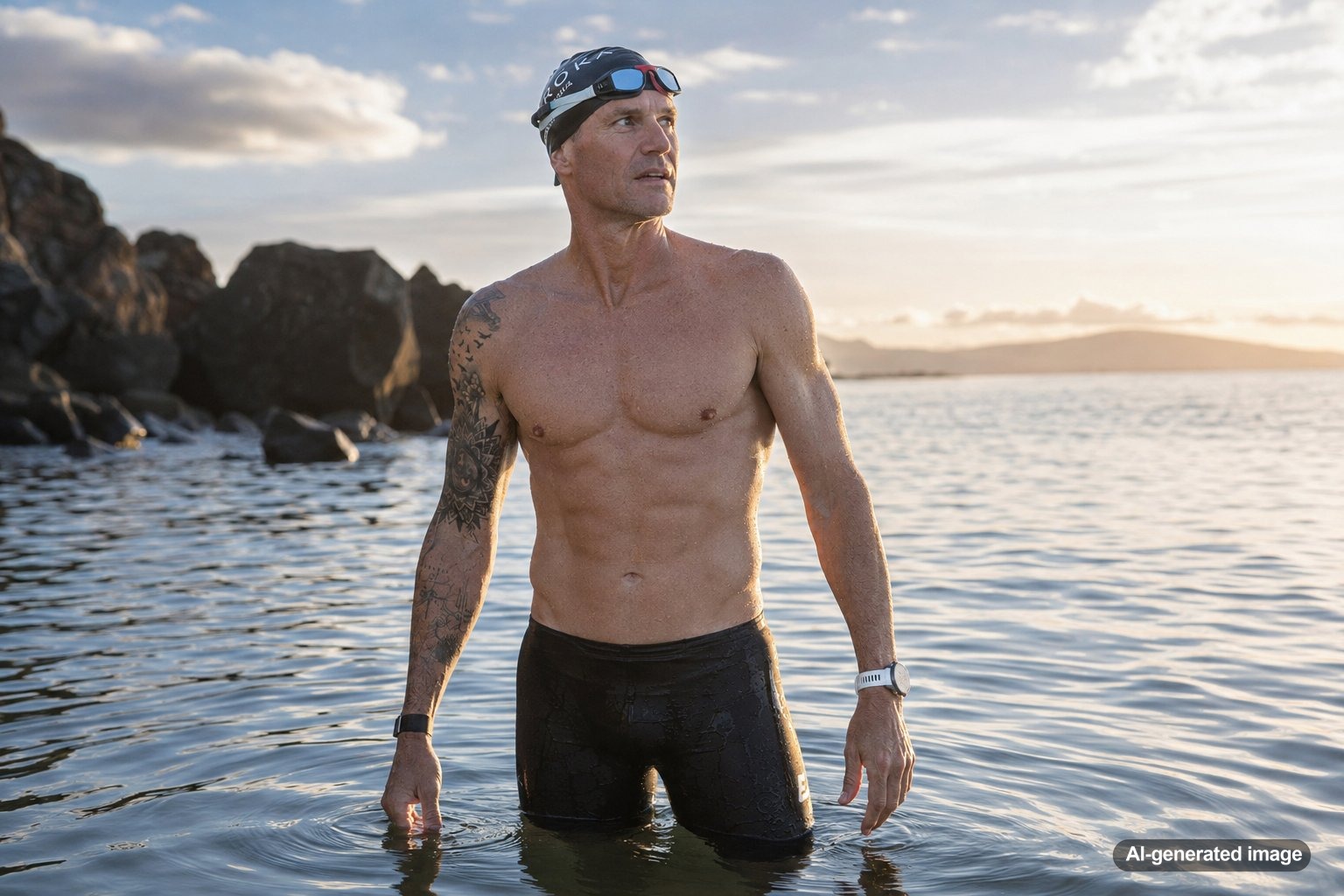
Open water swimming teaches trust because it removes the clean edges of the pool. There are no lane lines, no black stripe under your face, and no wall every 25 yards to reset your mind. The water moves. Visibility changes. The pack shifts around you. In that environment, trust is not a soft idea. It becomes a practical skill.
For an endurance athlete, entrepreneur, speaker, and advocate like Greg Schaefer, open water has a way of making larger life lessons visible. You cannot control every current, every wave, or every uncertain moment. You can prepare, breathe, sight, adjust, and keep moving. That is where trust begins: not in pretending the water is easy, but in learning how to stay steady inside it. To learn more about Greg’s broader story of resilience, family, business, endurance, and advocacy, visit his About Greg page.
Quick answer: what does open water swimming teach you about trust?
- Trust is built before the start. Preparation, training, and repetition give you something solid to rely on when conditions change.
- Trust does not mean the absence of fear. It means knowing how to respond when fear shows up.
- You learn to trust your support system. Coaches, volunteers, kayakers, race staff, family, and teammates all matter more than they may appear from shore.
- You learn to trust your ability to adapt. Open water rarely gives you perfect conditions, so flexibility becomes part of strength.
- You learn that forward motion can be enough. Sometimes the goal is not to feel perfect. It is to keep taking the next stroke.
Trust starts with preparation, not wishful thinking
Open water swimming can look unpredictable from the outside, and in many ways it is. Wind, chop, temperature, congestion, glare, and nerves can all shape the experience. But experienced swimmers do not enter the water relying on hope alone. They build trust through the quiet work beforehand.
That work includes pool sessions, open water practice, breathing drills, sighting practice, equipment checks, race planning, and honest conversations about what might be difficult. It also includes learning the difference between discomfort and danger. A swimmer who has practiced in imperfect conditions is less likely to panic when race day feels different than expected.
This is one of the most transferable lessons in endurance sports: confidence is not manufactured at the starting line. It is earned in the days when no one is watching. In leadership, business, family, advocacy, and personal adversity, trust works the same way. You build it through repetition, accountability, and the willingness to prepare for reality instead of fantasy.
The water teaches you to stay calm without needing certainty
In a pool, feedback is constant. You can see the line beneath you. You know the distance to the wall. You know where your lane ends. In open water, the feedback is less obvious. You may look up and realize the buoy is not where you expected it to be. You may feel another swimmer’s hand brush your ankle. You may catch a breath at the wrong moment and get a mouthful of water.
Those moments ask a very specific question: can you stay calm without full certainty?
Trust in open water is not blind confidence. It is the practiced ability to pause internally, regulate your breathing, find your line again, and continue. That kind of trust has depth because it includes uncertainty instead of denying it. You do not need the water to become still before you move. You need enough steadiness inside yourself to take the next useful action.
For anyone facing a hard season, this distinction matters. Waiting for complete certainty can keep a person stuck. Trust often grows when you learn to move with incomplete information, grounded by your values, your preparation, and the people around you.
You learn that independence still depends on support
Open water swimming can seem solitary. One athlete, one body, one stretch of water. But no safe race or serious training environment is truly solo. There are safety kayakers, lifeguards, race directors, coaches, medical teams, volunteers, families, training partners, and people on shore who help make the effort possible.
That is an overlooked part of trust. The athlete still has to swim every stroke, but the journey is held by a wider community. Support does not cheapen the accomplishment. It makes the accomplishment possible.
This is also true far beyond a race course. In business, a strong leader still needs a team. In family life, resilience is rarely a one-person project. In advocacy and mission-driven work, progress often comes from people choosing to carry part of the weight together. Greg’s Forward Motion Fund reflects that same idea: forward motion becomes more powerful when it is connected to community, research, support, opportunity, and purpose.
Open water reveals the difference between control and trust
Control wants every variable settled before the first stroke. Trust knows that some variables will never fully settle. In open water, this difference becomes obvious quickly.
You can control whether you trained. You can control whether you warmed up thoughtfully. You can control whether you checked the course, listened to the safety briefing, practiced sighting, and chose appropriate gear. You cannot control every wave, every swimmer near you, or every shift in the current.
Strong athletes learn to invest energy where it belongs. They respect the conditions, but they do not waste all their strength fighting what cannot be changed. They adjust. They breathe. They return to the next stroke.
This is a powerful leadership lesson as well. High-pressure situations often tempt people to grip harder. But trust asks for something more mature: prepare with discipline, respond with humility, and keep the mission bigger than the momentary discomfort.
What people often miss about trust in open water
- Trust is physical. It lives in breath, pacing, muscle memory, and the ability to settle your body under stress.
- Trust is relational. It grows when you know you are not the only person responsible for the entire journey.
- Trust is adjustable. A strong swimmer does not need the original plan to remain perfect. They need the ability to adapt when the plan changes.
- Trust is honest. It does not pretend open water is always peaceful. It respects the risk and still chooses prepared action.
The athlete mindset: one stroke, then the next
There are moments in open water when the finish line feels abstract. The buoy looks far away. The shore seems farther. Your rhythm may be uneven, and your mind may start negotiating with you. In those moments, the most useful unit of progress becomes smaller.
One breath. One sightline. One stroke. Then another.
That does not sound dramatic, but it is often how meaningful things are built. Big goals can become overwhelming when viewed all at once. A race, a recovery, a company, a speech, a mission, or a difficult personal chapter may require the same discipline: break the distance into what can be done now.
That is why the message of One More Step… Just One More carries weight. It is not about pretending the challenge is small. It is about refusing to let the size of the challenge erase the power of the next faithful action.
Practical takeaways from open water swimming
Whether you swim, lead a team, support someone through hardship, or simply want to build more resilience in your own life, open water offers a few grounded lessons worth carrying with you.
- Prepare for imperfect conditions. Do not build confidence only in easy environments. Practice enough discomfort to know you can respond well.
- Name your support system. Trust grows when you know who is helping you stay safe, accountable, and focused.
- Use rhythm to manage stress. In the water, rhythm can come from breathing and stroke count. In life, it may come from routine, values, training, or daily commitments.
- Separate what you can control from what you cannot. Spend your energy on preparation, response, and attitude rather than trying to command every condition.
- Return to forward motion. When the full distance feels too large, focus on the next stroke, the next conversation, the next honest step.
FAQ
Why is open water swimming mentally challenging?
Open water swimming can be mentally challenging because the environment is less predictable than a pool. Swimmers may face waves, limited visibility, changing conditions, crowded starts, and fewer visual markers. The mental work is learning to stay calm, make adjustments, and continue without needing everything to feel controlled.
How does open water swimming build trust?
It builds trust by forcing the swimmer to rely on preparation, breathing, pacing, safety support, and adaptability. Over time, the athlete learns that confidence does not require perfect conditions. It requires a practiced response to imperfect ones.
What can leaders learn from open water swimming?
Leaders can learn that preparation matters, but control has limits. Open water rewards people who can stay calm, read changing conditions, trust their team, and keep moving toward the goal without wasting energy on what cannot be controlled.
Is trust the same as confidence?
Not exactly. Confidence often describes belief in your ability. Trust is broader. It can include trust in training, trust in support, trust in the process, and trust that you can adapt when the moment does not go exactly as planned.
Interested in bringing Greg’s message to your event or organization?
Learn more about Greg’s speaking work or get in touch to start the conversation.
Contact Greg or learn more about the Forward Motion Fund.
This article is for educational purposes only and is not medical advice. For diagnosis, treatment, or personalized medical guidance, please speak with a qualified healthcare professional.