
Why Parkinson’s Forces Athletes to Become Better Listeners to Their Bodies
Parkinson’s does not automatically end an athlete’s relationship with effort, competition, or ambitious goals. It does, however, make blind obedience to a training plan less useful. An athlete living with Parkinson’s may need to pay closer attention to fatigue, stiffness, balance, coordination, medication timing, recovery, and the difference between productive discomfort and a warning that something needs to change.
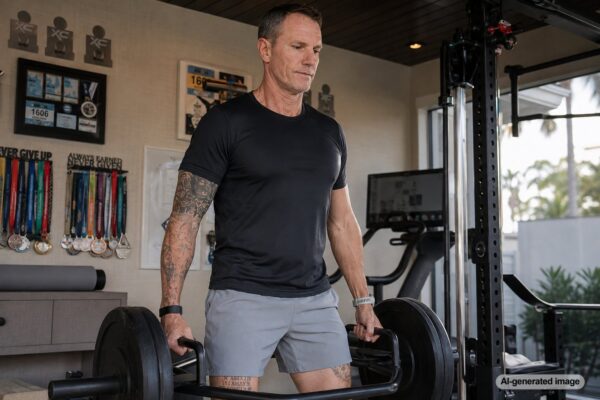
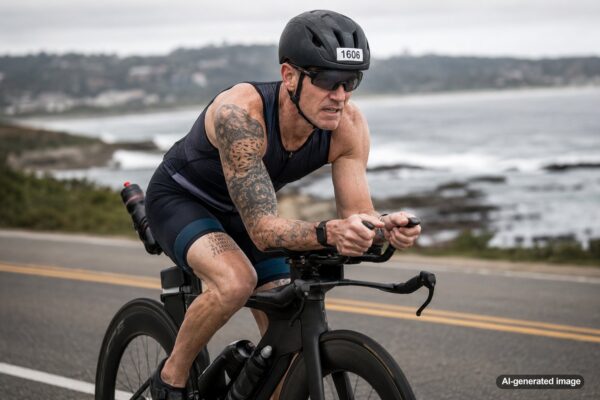
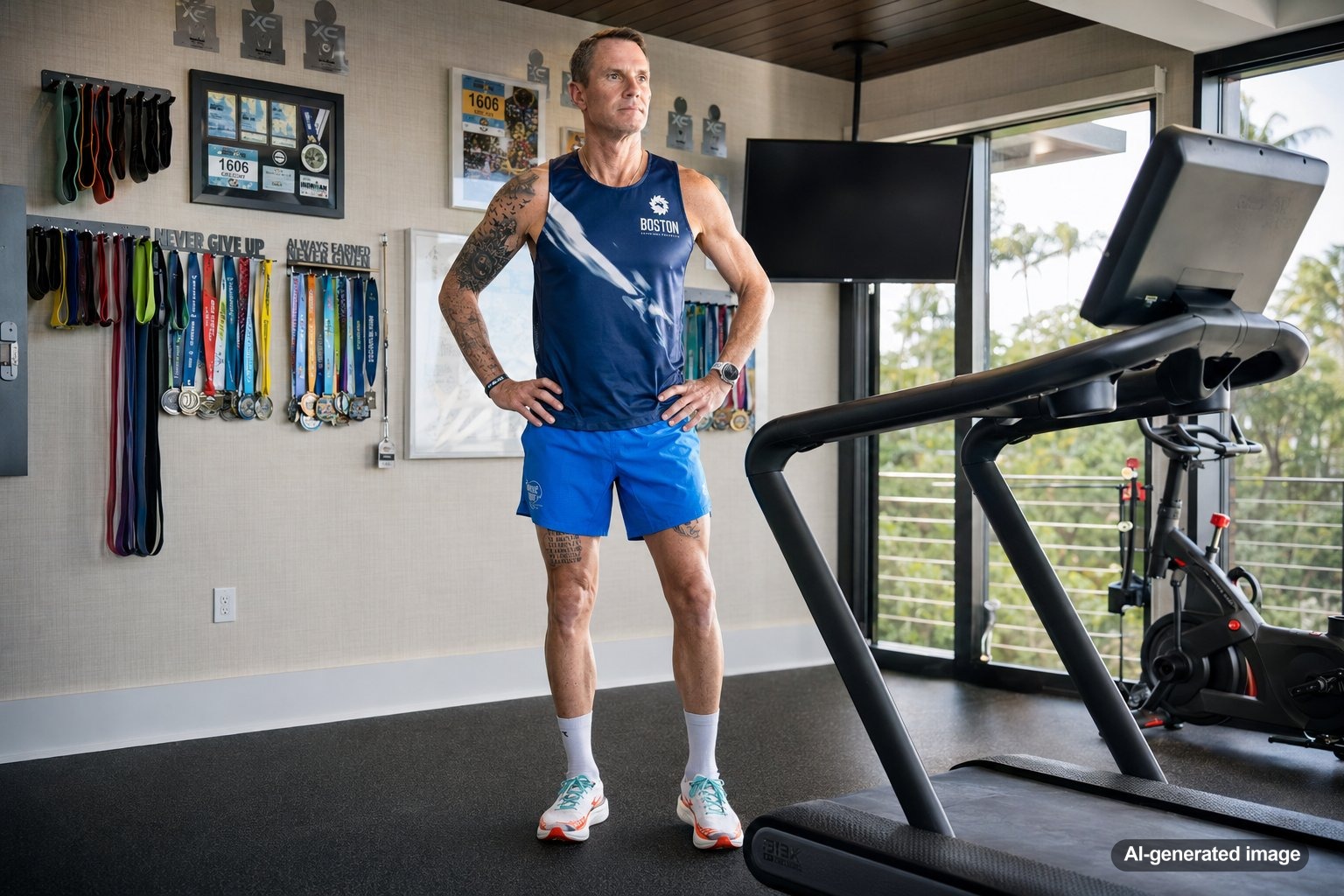
That deeper awareness is not surrender. It is a more advanced form of discipline. Greg Schaefer’s story reflects the intersection of endurance, family, business leadership, adversity, and forward motion described on his About page. The lesson is not that every athlete should train the same way. It is that continued movement often depends on learning how to adapt without losing the reason you began.
Quick answer
- Parkinson’s symptoms can vary from day to day and may affect movement, balance, energy, and coordination.
- Athletes may need to judge readiness by more than pace, power, mileage, or yesterday’s performance.
- Listening to the body means noticing patterns, not reacting fearfully to every difficult session.
- Adjusting intensity, duration, terrain, technique, or recovery can preserve consistency.
- New, worsening, or concerning symptoms should be discussed with a qualified healthcare professional.
The training plan is no longer the only source of truth
Athletes are trained to respect structure. The calendar says long ride. The watch says hold this pace. The program says complete another set. That structure can create confidence and reduce decision fatigue, but Parkinson’s may introduce variables that a static plan cannot anticipate.
Stiffness may be more noticeable at one time of day. Fatigue may feel disproportionate to the previous workout. Balance may change on uneven ground. A movement that felt automatic last week may require more concentration today. The experience varies widely, which is why an athlete may need to treat the plan as a guide rather than a command.
This does not mean abandoning measurable goals. It means adding another source of data: the lived experience of the body performing the work.
Listening is different from backing down
Endurance culture often celebrates the ability to ignore discomfort. That mindset has value when discomfort is temporary, expected, and understood. It becomes less useful when every signal is treated as weakness.
Better listening asks more precise questions:
- Is this ordinary training fatigue or an unusual loss of energy?
- Is my form changing because the effort is hard, or because coordination is declining?
- Am I safely challenged, or am I increasing fall risk?
- Would a shorter session protect tomorrow’s consistency?
- Is this pattern recurring often enough to discuss with my care team?
An athlete who answers those questions honestly is not becoming less committed. The athlete is becoming more skillful at directing commitment.
Four signals that deserve more attention
1. Fatigue that does not match the workload
Fatigue is a recognized non-movement symptom of Parkinson’s and can affect physical or mental energy. It is not always the same as sleepiness, and its causes can be complex. For an athlete, the practical challenge is distinguishing familiar post-workout tiredness from a broader pattern that affects concentration, technique, motivation, or daily function.
A useful training record may include sleep quality, perceived energy, medication timing, stress, soreness, and how quickly normal energy returns. One difficult day may not mean much. A repeated pattern can provide useful information for a healthcare professional, physical therapist, or coach.
2. Changes in balance or movement quality
Parkinson’s can affect balance, mobility, stiffness, and movement speed. Athletes may notice these changes first in transitions: clipping into a bike, stepping off a curb after a run, turning quickly, navigating a crowded start area, or maintaining form late in a session.
The overlooked lesson is that performance does not happen only during the main movement. Safety also depends on mounting, dismounting, changing direction, carrying equipment, entering the water, and moving when fatigued. Listening to the body includes noticing those moments instead of judging the workout only by distance or pace.
3. Recovery that becomes less predictable
A familiar workout may occasionally require more recovery than expected. That does not automatically mean the athlete should stop training, but it may justify changing the next session. Reducing intensity, choosing a stable environment, emphasizing mobility, or taking a true rest day can be strategic choices.
The goal is not to avoid all fatigue. It is to avoid turning one hard day into several compromised days because the original plan felt untouchable.
4. Technique that deteriorates earlier
Numbers can hide declining movement quality. A runner may still hit the target pace while shortening stride or losing posture. A cyclist may maintain power while becoming less stable during turns. A strength athlete may finish the repetitions while relying on compensation.
Video, trusted coaching, physical therapy input, and simple technique checkpoints can help athletes identify changes that are difficult to feel in the moment. The most meaningful adjustment may involve form, environment, or task complexity rather than effort alone.
Adaptation can make an athlete more precise
Parkinson’s may force an athlete to replace vague toughness with specific decision-making. Instead of asking, “Can I endure this?” the athlete can ask, “What version of this session creates the right challenge today?”
That could mean:
- Riding indoors when traffic, wind, or balance concerns add unnecessary risk.
- Completing intervals by perceived effort when heart rate or pace does not tell the full story.
- Breaking a long workout into shorter blocks with planned reassessment points.
- Training with a partner during sessions that involve open water, technical terrain, or significant fatigue.
- Moving a demanding workout to the time of day when symptoms are more manageable.
- Replacing a complex movement with a simpler option that preserves the intended training effect.
None of these choices automatically represents a smaller goal. They represent a better match between the goal and the athlete who is pursuing it.
Consistency matters more than winning every workout
Exercise can support strength, balance, mobility, flexibility, mood, and overall well-being for people living with Parkinson’s. Current educational guidance also emphasizes combining aerobic activity with strength, balance, and flexibility work. The appropriate routine and intensity should be individualized.
Athletes can become so attached to completing one workout that they weaken the larger objective: continuing to move over months and years. A modified session that protects balance or recovery may contribute more to long-term performance than a heroic session followed by an avoidable setback.
The bottom line
Listening to the body is not the opposite of mental toughness. It is what allows toughness to remain useful. Parkinson’s may require athletes to observe more carefully, adjust more honestly, and communicate more openly with coaches, family members, training partners, and healthcare professionals. Ambition can remain intact while the method becomes wiser.
What athletes should share with their support team
Body awareness becomes more valuable when observations are specific. Instead of saying, “Training feels off,” an athlete might report that balance declines after a certain duration, fatigue is strongest at a particular time, stiffness affects one transition, or recovery has changed over several weeks.
That level of detail can help a qualified professional evaluate what may be related to Parkinson’s, medication, sleep, another health issue, training load, or a combination of factors. It also helps family members and training partners provide meaningful support without taking control away from the athlete.
The broader message Greg brings to organizations through his speaking work is grounded in this kind of earned resilience: move forward, but do not confuse forward motion with refusing to adapt.
Frequently asked questions
Can people with Parkinson’s continue athletic training?
Many people living with Parkinson’s remain physically active, and exercise is widely recognized as an important part of living well with the condition. The appropriate activities, intensity, supervision, and safety measures vary by person. A qualified healthcare professional can help evaluate an individual training plan.
Does listening to the body mean avoiding high-intensity exercise?
Not necessarily. Some people with Parkinson’s participate in moderate or vigorous exercise, but intensity should be appropriate for the individual’s health, symptoms, experience, and care plan. Listening means evaluating how the body responds before, during, and after the work rather than assuming that harder is always better.
What changes should an athlete track?
Useful observations may include fatigue, balance, stiffness, coordination, sleep, recovery time, perceived effort, movement quality, falls or near falls, and the timing of symptoms. Tracking should support better decisions rather than create anxiety about normal daily variation.
When should an athlete seek professional guidance?
An athlete should speak with a qualified healthcare professional about new or worsening symptoms, falls, fainting, chest pain, unusual shortness of breath, significant changes in movement, persistent pain, or any concern about exercise safety. A physical therapist with neurological experience may also help assess movement and balance.
Interested in bringing Greg’s message to your event or organization?
Learn more about Greg’s speaking work or get in touch to start the conversation.
Contact Greg or learn more about the Forward Motion Fund.
This article is for educational purposes only and is not medical advice. For diagnosis, treatment, or personalized medical guidance, please speak with a qualified healthcare professional.