Navigating Parkinson’s Medication Timing for Peak Athletic Performance
For an athlete living with Parkinson’s, performance is not only about fitness, discipline, and mental toughness. It can also depend on timing. Medication timing, meal timing, sleep, stress, hydration, race logistics, and the unpredictable nature of symptoms can all shape how the body feels during training or competition.
That does not mean athletic goals disappear after a Parkinson’s diagnosis. It means the planning becomes more intentional. For someone like Greg Schaefer, whose life brings together family, business leadership, endurance sports, advocacy, and forward motion, the conversation is not about pretending Parkinson’s is simple. It is about learning how to keep showing up with preparation, humility, and support.
Quick answer
- Parkinson’s medication timing can influence how steady, mobile, and prepared an athlete feels during training or an event.
- There is no universal schedule that works for every athlete, because Parkinson’s symptoms and medication response can vary widely.
- Training logs, clinician guidance, nutrition planning, and realistic race-day rehearsals can help athletes understand patterns.
- Medication timing should be discussed with a qualified healthcare professional, especially before long events, travel, heat, altitude, or major training changes.
- The goal is not perfection. The goal is a safer, smarter, more informed plan for continuing forward motion.
Why medication timing matters for active people with Parkinson’s
Many people living with Parkinson’s experience changes in movement, stiffness, tremor, slowness, balance, energy, and coordination. Medication can be part of managing those symptoms, but the experience is not always perfectly predictable. Some people notice periods when medication feels more effective and other times when symptoms become more noticeable before the next dose.
For an endurance athlete, that variability can matter. A short training session may be easier to plan around than a long ride, a multi-hour run, or a full race day with travel, check-in times, weather, nerves, and delayed starts. Medication timing may influence when an athlete warms up, when they fuel, how they pace, and when they build in extra margin.
This is where preparation becomes practical rather than dramatic. Parkinson’s does not need to be treated as a simple motivational metaphor. It is a real condition with real complexity. The stronger approach is to respect the condition, learn the patterns, and build a plan with the right medical support.
The athlete’s planning challenge: matching the body to the clock
Athletes often think in terms of splits, intervals, zones, transitions, and finish lines. Parkinson’s adds another clock: the rhythm of medication response. The challenge is not only whether the athlete is fit enough. It is whether the most demanding parts of a workout or event line up with the times when the body is most ready to move well.
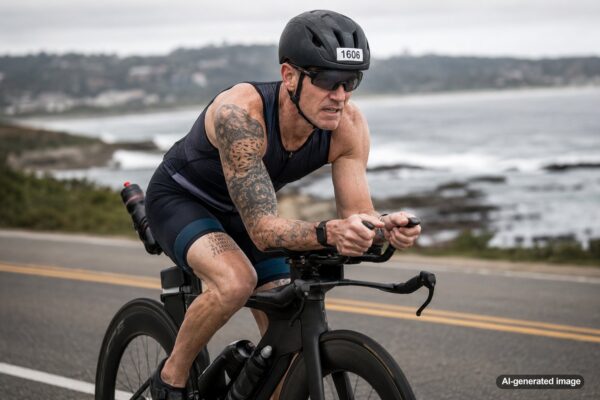
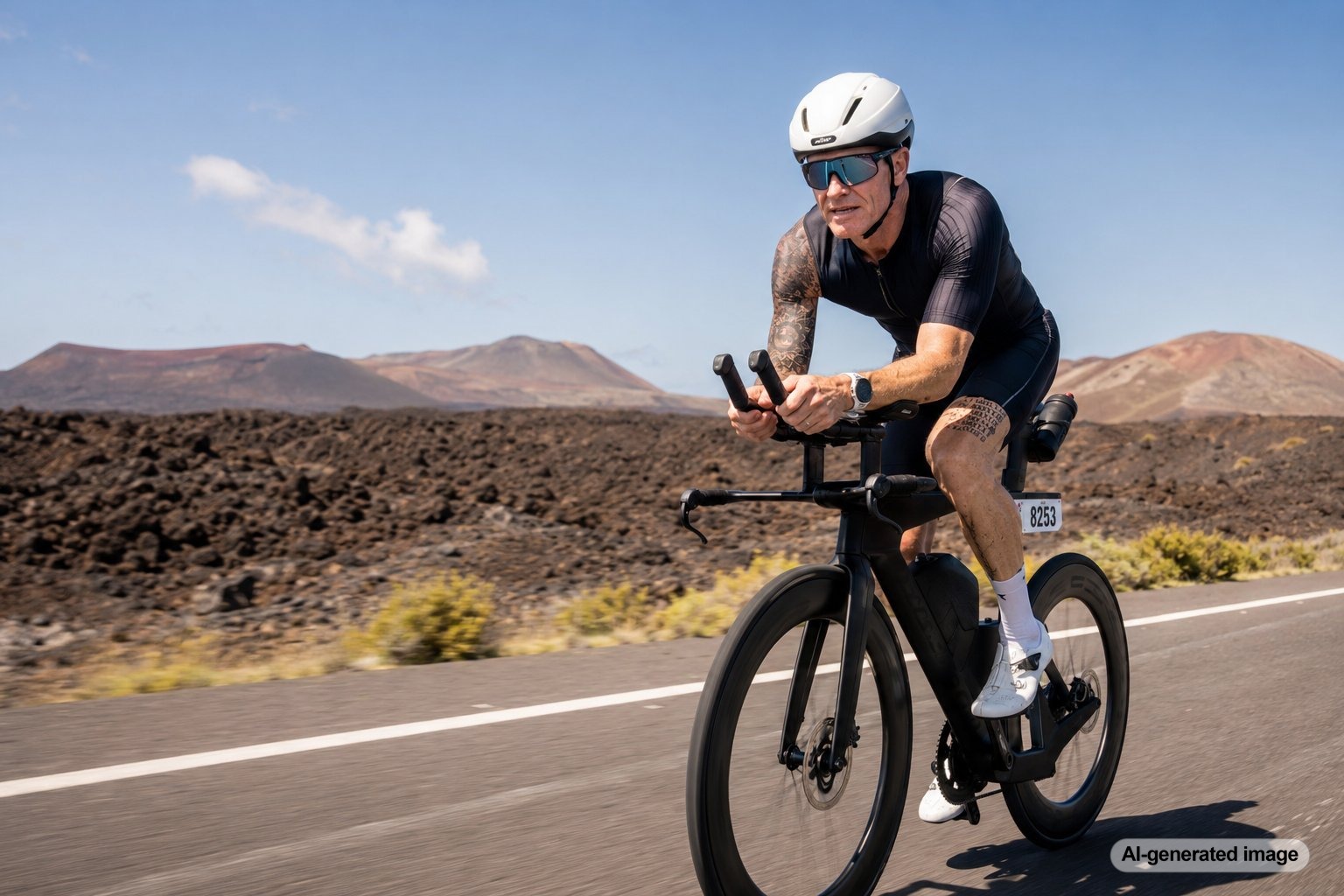
That can affect several practical decisions. A runner may want to schedule harder training when movement feels more reliable. A cyclist may need to think through tremor, stiffness, dexterity, or reaction time. A triathlete may need to consider the demands of swim starts, transition areas, nutrition handling, and late-race fatigue. None of these details automatically prevent participation. They simply deserve attention.
For Greg’s broader message, this is one of the places where endurance sports and life with Parkinson’s intersect in a meaningful way. The lesson is not that grit solves everything. The lesson is that resilience often looks like honest assessment, careful planning, and one more step taken with eyes open.
What athletes often need to track
Patterns matter. An athlete may not be able to control every symptom, but tracking can make conversations with clinicians more useful. Instead of saying, “I felt off,” a log can show when symptoms appeared, what the workout demanded, how sleep was the night before, when medication was taken, what food was eaten, and whether stress, heat, or travel may have played a role.
- Medication timing: When each dose was taken and how the body felt afterward.
- Training intensity: Whether the session was easy, moderate, hard, technical, long, or heat-stressed.
- Nutrition timing: When meals, snacks, fluids, and race fuel were taken.
- Symptom patterns: Times when stiffness, tremor, slowness, balance concerns, fatigue, or coordination changes became noticeable.
- Context: Sleep, stress, travel, weather, altitude, and event-day delays.
That kind of tracking is not about obsessing over every variable. It is about giving the athlete and care team a clearer picture. A pattern that feels random in the moment may become easier to discuss when it appears several times in a log.
Training is the place to rehearse, not guess
Race day is not the best time to discover how medication timing, fueling, nerves, and exertion interact. Long training sessions can become rehearsals for the practical details that matter later. That includes waking time, breakfast timing, hydration, dose timing, warm-up, carrying medication if appropriate, support crew communication, and backup plans for delays.
One overlooked issue is the difference between a controlled workout and an event environment. A training ride may start exactly when planned. A race may involve waiting in corrals, standing in the cold, navigating crowds, or handling a start delay. Those details can change how the body feels before the real effort even begins.
Another overlooked angle is dexterity. During endurance events, athletes may need to open wrappers, manage bottles, clip shoes, adjust gear, use a watch, or move through transition areas. If Parkinson’s symptoms affect fine motor control at certain times, the plan may need to include simpler fueling systems, organized gear, or support from race-approved crew where allowed.
Nutrition and medication timing can intersect
Food, hydration, and medication schedules can be especially important for endurance athletes. Some Parkinson’s medications may have timing considerations around meals or protein intake, while endurance events often require steady fueling. That is a planning conversation to have with a qualified clinician, not something to improvise from a blog article.
The practical takeaway is simple: athletic fueling and Parkinson’s medication timing should be considered together. An athlete preparing for a long event may benefit from bringing a detailed race plan to a healthcare professional. That plan might include expected start time, event duration, fueling windows, aid station access, travel schedule, and contingency plans.
For many athletes, the goal is not to create a rigid plan that can never change. It is to understand tradeoffs before the pressure of race day arrives.
Communication can be part of performance
Athletes often value independence. That can be a strength, but Parkinson’s may make communication part of a smart performance plan. A coach, training partner, spouse, caregiver, race support person, or medical team may need to understand what “normal” looks like for the athlete and what warning signs deserve attention.
This does not mean turning every event into a medical briefing. It means the people closest to the athlete should know the basics: where medication is kept, what the schedule is, who to contact, what symptoms are typical, and when something seems different enough to pause or seek help.
Support does not make the effort smaller. It can make the effort more sustainable. Behind many strong athletes is a network of people helping them stay honest, prepared, and safe.
Practical takeaways for athletes and support teams
- Bring patterns, not guesses, to medical appointments. A training log can make medication and performance conversations more specific.
- Rehearse event timing during long sessions. Practice the likely wake-up, fueling, medication, warm-up, and start-time rhythm before race day.
- Build margin into the plan. Travel, parking, check-in, weather, and race delays can affect stress and symptom timing.
- Simplify what can be simplified. Organize gear, fueling, labels, and reminders so fewer decisions are needed under fatigue.
- Keep identity bigger than the diagnosis. Parkinson’s is part of the planning, but it is not the whole story of the athlete, leader, parent, spouse, advocate, or person.
What people often miss
Medication timing is not only a medical detail. For active people, it can become a logistics detail, a coaching detail, a family communication detail, and an emotional detail. When the body is unpredictable, the athlete may carry pressure that others do not see. A missed window, delayed start, or unexpectedly difficult warm-up can feel personal, even when it is simply part of managing a complex condition.
That is why compassion and discipline need to work together. The disciplined part tracks, plans, asks questions, and prepares. The compassionate part remembers that a difficult day is not a character failure. It is information. It is part of the road.
FAQ
Can Parkinson’s medication timing affect athletic performance?
It can. Many people with Parkinson’s experience changes in movement and symptom control across the day, and medication response can vary. For athletes, those changes may influence training quality, confidence, coordination, and event planning.
Should an athlete change medication timing before a race?
Medication changes should be discussed with a qualified healthcare professional. Race day is not the time to experiment without guidance, especially for long events or events involving travel, heat, altitude, or unusual schedules.
What should athletes track before talking with their clinician?
Useful details may include medication times, meal timing, workout intensity, symptom patterns, sleep, stress, hydration, and the time of day symptoms appear. The more specific the pattern, the easier it may be to discuss practical options.
Can people with Parkinson’s still pursue endurance sports?
Many people living with Parkinson’s remain active, though each person’s situation is different. Exercise and athletic goals should be approached with appropriate medical guidance, realistic planning, and attention to safety.
How does this connect to Greg Schaefer’s message?
Greg’s story is not about denying difficulty. It is about continuing forward with honesty, discipline, family, purpose, and support. Medication timing is one example of how resilience can become practical: one decision, one plan, one more step.
Interested in bringing Greg’s message to your event or organization?
Learn more about Greg’s speaking work or get in touch to start the conversation.
Contact Greg or learn more about the Forward Motion Fund.
This article is for educational purposes only and is not medical advice. For diagnosis, treatment, or personalized medical guidance, please speak with a qualified healthcare professional.