

Why We Need More Funding For Parkinson’s Research In 2026
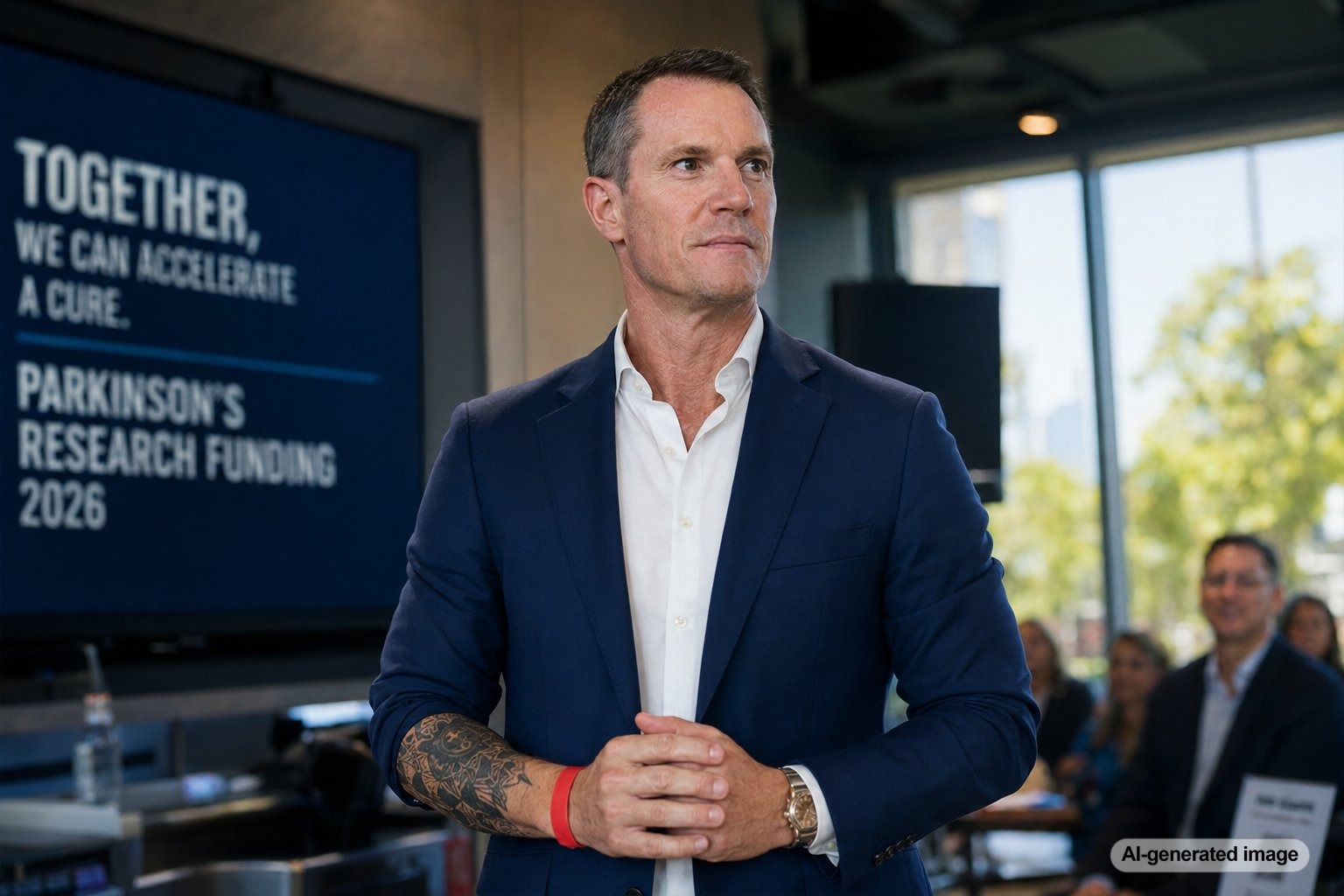
Parkinson’s research funding matters in 2026 because the need is growing faster than most people realize. More families are being touched by Parkinson’s, more people are being diagnosed earlier in life, and researchers are working across a wider set of questions than ever before: biology, genetics, biomarkers, environmental risk, symptom management, care access, and therapies that may better match the reality of daily life.
For Greg Schaefer, this topic is not abstract. It sits at the intersection of family, endurance, leadership, advocacy, and the decision to keep moving forward after a life-changing diagnosis. Funding is not just about laboratories. It is about time, momentum, talent, and the possibility of better answers for people living with Parkinson’s and the people who love them.
Quick answer: why more funding matters now
- Parkinson’s affects more than 1.1 million people in the United States, with nearly 90,000 new U.S. diagnoses each year.
- Research funding helps scientists study why Parkinson’s looks different from person to person.
- More support can accelerate work on biomarkers, earlier detection, disease biology, and improved therapies.
- Funding also helps protect the next generation of researchers, clinicians, and trial leaders.
- Advocacy matters because sustained progress requires public, private, philanthropic, and community support working together.
The need is bigger than one diagnosis
Parkinson’s is often described through its movement symptoms, but that narrow view misses the deeper human reality. People may experience tremor, stiffness, slowness, balance changes, sleep challenges, mood changes, cognitive changes, fatigue, pain, and other non-motor symptoms. The experience can vary widely, which is one reason research has to move beyond one-size-fits-all thinking.
That variability is especially important for people with Young-Onset Parkinson’s. A diagnosis earlier in life can intersect with career, parenting, marriage, identity, finances, long-term planning, and physical performance. The questions are not only medical. They are practical, emotional, and deeply personal.
More research funding gives scientists the ability to ask sharper questions. Why do some people progress differently? Which biological signals show up before obvious symptoms? How can future therapies be better targeted? What can be measured more reliably in clinical trials? These are not small questions, and they do not get answered by good intentions alone.
Funding turns promising ideas into real research programs
There is a long road between an idea and a meaningful improvement in care. A researcher may begin with a question about a genetic pathway, protein behavior, inflammation, brain imaging, environmental exposure, or symptom pattern. To test that question, they need equipment, data, trial infrastructure, trained staff, participants, time, and repeated rounds of review.
Without funding, promising ideas can stall before they are fully tested. Early-career scientists may leave the field. Small pilot studies may never grow into larger trials. Useful data may remain disconnected across institutions. A therapy concept may never reach the point where it can be evaluated clearly.
That is why research funding is not just a donation line item. It is infrastructure for progress. It helps build the bridge from curiosity to evidence, from evidence to trial design, and from trial design to better options for real people.
Parkinson’s research needs both urgency and patience
Endurance athletes understand a truth that applies to research: progress is not usually one dramatic moment. It is built through repeated effort, uncomfortable stretches, disciplined pacing, and the ability to keep going when the finish line is not visible yet.
Parkinson’s research needs that same mix of urgency and patience. Urgency matters because people are living with symptoms today. Families are making decisions today. Care partners are carrying weight today. Patience matters because good science takes time, replication, collaboration, and humility.
The right kind of funding respects both. It supports near-term work that can improve measurement, trial design, symptom understanding, and care. It also supports longer-term discovery that may change what is possible years from now.
What people often miss about Parkinson’s funding
1. Research is not only about one breakthrough
People often imagine progress as a single dramatic discovery. In reality, progress usually comes from many linked advances: better biological models, better imaging, better trial endpoints, better genetic insights, better data sharing, and better ways to identify subtypes of disease.
2. Biomarkers matter because measurement matters
If researchers cannot measure disease activity clearly, it becomes harder to know whether a therapy is changing the underlying biology or simply affecting symptoms. Funding for biomarker work can make clinical trials more precise and more useful.
3. Care questions deserve serious attention
Research is not only about what happens in a lab. It also includes studies that improve daily care, access, quality of life, exercise understanding, support systems, and the lived experience of people with Parkinson’s.
4. Public and private support work best together
Government funding, foundation grants, philanthropy, advocacy, and community fundraising all play different roles. The strongest research ecosystem is not dependent on one source of support.
Why 2026 is a critical year for advocacy
In 2026, Parkinson’s advocacy has to do more than raise awareness in a general sense. Awareness should become action. Action can include supporting research organizations, contacting policymakers, participating in responsible studies when appropriate, funding mission-aligned work, sharing credible education, and standing with families who are navigating the disease.
Major Parkinson’s organizations continue to emphasize the importance of research funding, federal support, clinical development, data resources, and programs that help move science forward. The Michael J. Fox Foundation has highlighted substantial 2026 research investments, including work tied to treatment development, precision medicine, genetics, and disease biology. The Parkinson’s Foundation continues to fund grants, fellowships, and research programs aimed at improving understanding and care.
For communities, companies, event organizers, athletic groups, and families, this is where mission becomes practical. You do not have to be a scientist to help science move. You can support the organizations doing the work, create platforms for honest conversation, and help keep Parkinson’s visible when public attention moves elsewhere.
Where the Forward Motion mindset fits
The phrase “One More Step… Just One More” is not about pretending Parkinson’s is easy. It is about refusing to let the hard thing become the only thing. In Greg’s world, forward motion means showing up for family, training when possible, leading with honesty, speaking with purpose, and using lived experience to support something larger than one person.
That same mindset belongs in Parkinson’s research advocacy. One more grant. One more study participant. One more young scientist choosing this field. One more conversation with a policymaker. One more donor deciding the work matters. One more organization using its platform well.
None of those steps alone solves the whole problem. Together, they create momentum.
How individuals and organizations can help
- Support credible Parkinson’s organizations. Give to organizations that fund research, patient support, care partner resources, and evidence-based education.
- Use your platform responsibly. Share accurate information instead of oversimplified inspiration or fear-based messaging.
- Make Parkinson’s part of leadership conversations. Workplaces, conferences, and teams can talk about resilience, caregiving, uncertainty, and mission without turning the disease into a slogan.
- Consider research participation when appropriate. Some people may be eligible for studies, registries, or data efforts. A qualified healthcare professional or research organization can help explain what is involved.
- Support care partners too. Funding and advocacy should recognize that Parkinson’s affects families, not only the person diagnosed.
FAQ
Why does Parkinson’s research need more funding if research is already happening?
Research is happening, but the scale of need is significant. More funding can help expand promising studies, protect early-career researchers, improve trial tools, and accelerate work across biology, biomarkers, therapies, and care.
Is Parkinson’s research only about medication?
No. Medication research is important, but Parkinson’s research also includes genetics, biomarkers, environmental factors, brain imaging, symptom measurement, exercise, quality of life, care models, and support for people and families.
Why are biomarkers so important in Parkinson’s?
Biomarkers may help researchers better identify, measure, and understand disease activity. That can make future trials more precise and may help scientists study Parkinson’s subtypes more effectively.
How can someone support Parkinson’s research without a medical background?
People can donate to credible organizations, participate in advocacy, share reliable education, support care partners, host mission-driven events, and help keep research funding visible in public conversation.
How does this connect to Greg Schaefer’s work?
Greg’s platform connects lived adversity, endurance, leadership, family, and advocacy. Parkinson’s research funding is part of that larger mission: helping more people keep moving forward with better support, better knowledge, and better possibilities.
Interested in bringing Greg’s message to your event or organization?
Learn more about Greg’s speaking work or get in touch to start the conversation.
Contact Greg or learn more about the Forward Motion Fund.
This article is for educational purposes only and is not medical advice. For diagnosis, treatment, or personalized medical guidance, please speak with a qualified healthcare professional.