

What Supplements Should Parkinson’s Patients Avoid Without Medical Advice?
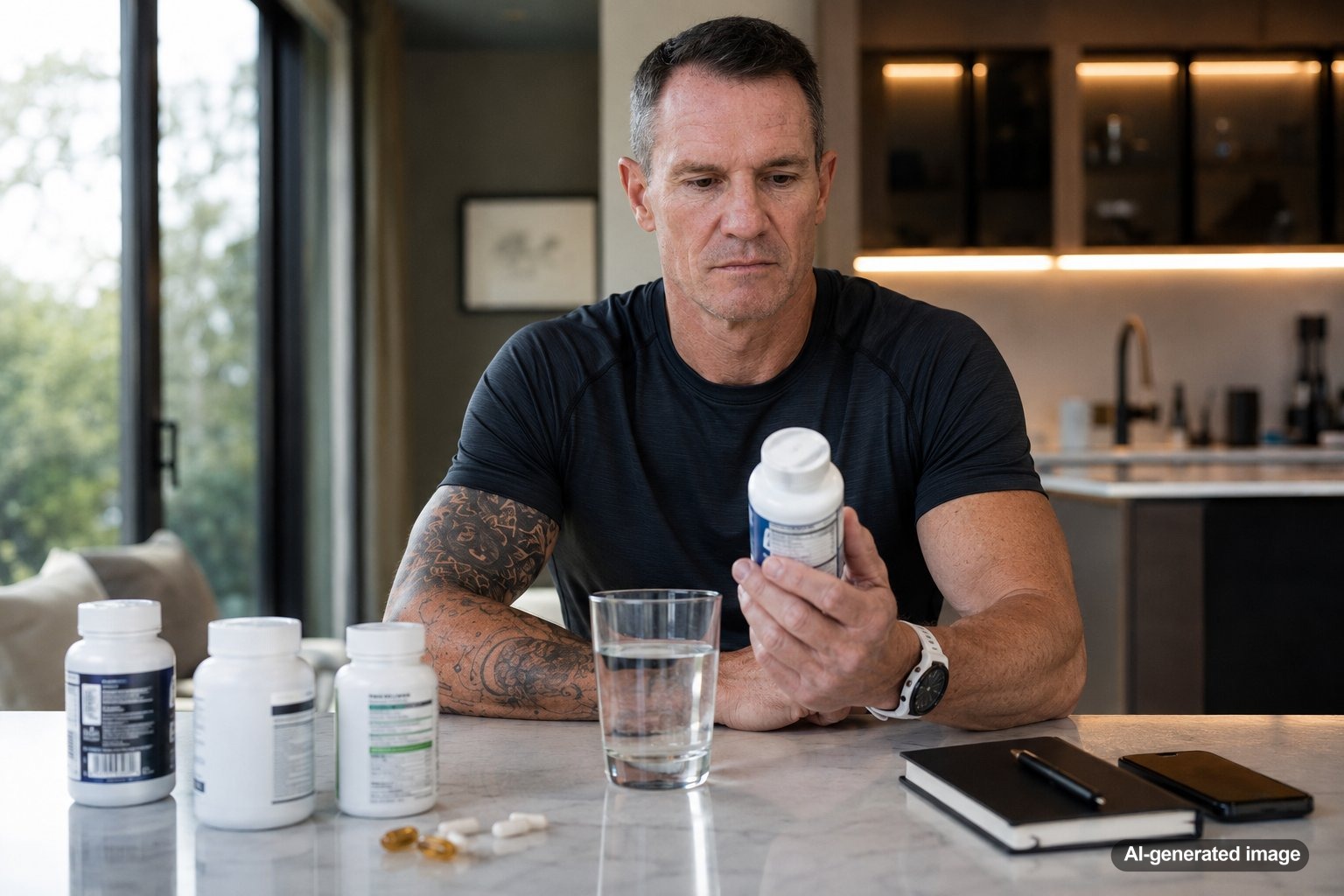
For someone living with Parkinson’s, supplements can feel like a hopeful place to look for more energy, steadier movement, better sleep, or stronger overall health. That hope is understandable. But Parkinson’s is also a condition where timing, medication absorption, symptoms, blood pressure, sleep, mood, and other health factors can all interact in ways that are easy to underestimate.
So what supplements should Parkinson’s patients avoid without medical advice? The clearest answer is this: avoid starting high-dose vitamins, minerals, herbal products, or dopamine-related supplements without first discussing them with a neurologist, movement disorder specialist, pharmacist, or qualified clinician. Greg Schaefer’s public story is built around forward motion, not shortcuts, and the same principle applies here. A thoughtful plan beats a random stack of pills. You can learn more about Greg’s broader mission and lived perspective on the About Greg page.
Quick answer: supplements to be careful with
- Iron supplements can interfere with levodopa absorption and should be timed or used only with guidance if needed.
- High-dose vitamin B6 can be risky in excess and may affect medication considerations, especially for people taking carbidopa/levodopa.
- Mucuna pruriens or velvet bean products may contain levodopa-like compounds and should not be treated like a casual supplement.
- St. John’s wort, sedating herbs, and mood-related blends may interact with medications or worsen side effects for some people.
- Large-dose antioxidant, brain-health, or proprietary blends should be reviewed because the evidence, dosing, and interaction risks can vary widely.
Why supplements are different when Parkinson’s medication is involved
Parkinson’s care often depends on a carefully adjusted medication routine. For many people, that includes carbidopa/levodopa or other medications that are sensitive to timing, digestion, side effects, and interactions. A supplement that seems harmless on its own may become more complicated when it changes absorption, adds drowsiness, affects blood pressure, increases bleeding risk, or overlaps with prescription medication effects.
Another challenge is quality control. Dietary supplements are not evaluated in the same way as prescription drugs before they reach consumers. Two bottles with similar front-label claims may contain different doses, added ingredients, or blends that make it harder for a clinician to assess risk. Words like natural, herbal, brain support, or dopamine support do not automatically mean safe.
1. Iron supplements
Iron can be medically necessary for some people, especially when a clinician confirms deficiency or another condition requires it. But for people taking levodopa, iron deserves special attention because it can reduce how much levodopa is absorbed. That does not mean every person with Parkinson’s must avoid iron forever. It means iron should be taken only when appropriate and timed carefully with medical guidance.
A practical example: someone might start an iron-containing multivitamin for fatigue without realizing the fatigue could have many causes. If that supplement is taken close to a levodopa dose, it may create medication-timing problems that look like a worsening Parkinson’s symptom pattern. That is exactly the kind of avoidable confusion a care team can help prevent.
2. High-dose vitamin B6
Vitamin B6 is important for health, but more is not always better. High levels of vitamin B6 can be dangerous, and people taking carbidopa/levodopa should not self-prescribe high-dose B6 without monitoring and professional input. Vitamin B12 and B6 status can matter in Parkinson’s care, but testing, context, and dose matter.
The key distinction is between correcting a documented deficiency and taking a large dose because it sounds supportive. Those are not the same decision. A clinician can decide whether bloodwork, supplementation, dose adjustment, or monitoring is appropriate.
3. Mucuna pruriens, velvet bean, and dopamine-support products
Mucuna pruriens, sometimes sold as velvet bean, is often marketed in a way that attracts people looking for dopamine support. The concern is that some products may contain levodopa-like compounds, and the dose can be inconsistent. That makes it very different from taking a basic nutrient supplement.
For a person already using Parkinson’s medication, adding a product that may affect dopamine pathways can increase the risk of unpredictable symptom control or side effects. It may also make it harder for a neurologist to know what is causing a change in movement, nausea, dizziness, sleep, mood, or dyskinesia-like symptoms. This is a supplement category that should be treated as a medical conversation, not an experiment.
4. St. John’s wort and mood or sleep blends
Many people with Parkinson’s deal with sleep changes, anxiety, low mood, or fatigue. It is understandable to reach for herbal products promising calm, focus, or better rest. But products such as St. John’s wort, kava, valerian, high-dose melatonin blends, CBD products, or multi-ingredient sleep formulas can have medication interactions or side effects.
The risk is not only about the herb itself. The risk can come from the full combination: prescription Parkinson’s medications, antidepressants, sleep aids, blood pressure medications, supplements, alcohol use, age, balance issues, and fall risk. A product that makes one person sleepy may make another person dizzy, confused, or more likely to fall. When Parkinson’s already affects movement, balance, and sleep, that matters.
5. Large-dose antioxidant and brain-health blends
Some supplements are marketed with phrases like neuroprotective, mitochondrial support, detox, anti-inflammatory, or brain health. These claims can sound persuasive, especially when someone is newly diagnosed or trying to stay proactive. But evidence for many supplements in Parkinson’s remains limited or inconclusive, and large doses may create problems of their own.
Vitamin E, vitamin C, glutathione, creatine, CoQ10, curcumin, ginkgo, fish oil, and other products may appear in Parkinson’s conversations. Some may be reasonable in certain situations, but they should not be assumed to slow progression, replace medical care, or work the same way for everyone. The safest approach is to bring the actual bottle, dose, and label to a clinician or pharmacist.
What people often miss
One overlooked issue is that a supplement can create a symptom change that looks like Parkinson’s progression. For example, a person may feel more off, dizzy, nauseated, sleepy, or unsteady after adding something new. Without a clear record of what changed, the care team may have to untangle medication timing, diet, sleep, dehydration, stress, and supplements all at once.
A simple supplement log can help. Write down the product name, dose, start date, timing, reason for taking it, and any symptom changes. Bring that list to appointments. This is not about fear. It is about protecting the hard-earned rhythm of daily life.
A safer way to talk with your care team
Before starting a supplement, ask practical questions:
- Could this interfere with my Parkinson’s medication or how it is absorbed?
- Could it affect sleep, mood, blood pressure, balance, digestion, or fall risk?
- Is there bloodwork that should be checked first?
- Is this dose appropriate for me, or is it higher than needed?
- Should I take it at a different time than my medication?
- How will we know if it is helping or causing side effects?
This kind of conversation is especially important for people who are training, traveling, speaking, caregiving, parenting, leading teams, or trying to keep a demanding life moving. Forward motion is not about ignoring medical complexity. It is about building the right support around it.
FAQ
Should every Parkinson’s patient avoid supplements?
No. Some people may benefit from specific supplements when a deficiency, dietary need, or clinical situation supports their use. The point is not to avoid every supplement. The point is to avoid unsupervised, high-dose, or interaction-prone supplements.
Is a basic multivitamin safe for Parkinson’s?
It depends on the ingredients, doses, timing, and medications involved. A standard multivitamin may be reasonable for some people, but it can still contain iron, vitamin B6, vitamin K, herbs, or other ingredients that deserve review.
Can supplements replace Parkinson’s medication?
No supplement has been proven to replace Parkinson’s medication or stop the disease. Supplements should not be used as a substitute for care from a qualified healthcare professional.
What should I do if I already started a supplement?
Do not panic, but do tell your clinician or pharmacist. Share the product name, label, dose, and when you take it. If you notice new symptoms after starting it, mention when they began.
Who should I ask about supplement safety?
A neurologist, movement disorder specialist, primary care clinician, registered dietitian, or pharmacist can help. For Parkinson’s medication timing and interactions, a movement disorder specialist or pharmacist can be especially helpful.
Bottom line
Supplements can seem simple, but Parkinson’s care is rarely simple. Iron, high-dose B6, mucuna pruriens, mood or sleep herbs, and large-dose brain-health blends are all worth discussing before use. The goal is not to live cautiously or fearfully. The goal is to keep moving forward with fewer preventable setbacks and better information.
Interested in bringing Greg’s message to your event or organization?
Learn more about Greg’s speaking work or get in touch to start the conversation.
Contact Greg or learn more about the Forward Motion Fund.
This article is for educational purposes only and is not medical advice. For diagnosis, treatment, or personalized medical guidance, please speak with a qualified healthcare professional.
Sources & further reading
- Parkinson’s Foundation: Over the Counter & Complementary Therapies
- Michael J. Fox Foundation: Six Common Questions About Supplements and Parkinson’s
- American Parkinson Disease Association: Supplements & Herbal Remedies for Parkinson’s
- American Parkinson Disease Association: Diet & Nutrition in Parkinson’s Disease
- NIH Office of Dietary Supplements: Dietary Supplements: What You Need to Know