
Can You Recover Well Without Massage Guns And Expensive Tools?
Yes, you can recover well without massage guns, compression systems, specialized boots, or a shelf full of expensive tools. Those products may feel useful, and some athletes enjoy them, but they are not the foundation of recovery. The essentials are much less glamorous: enough sleep, adequate food and fluids, appropriate movement, realistic training loads, and time.
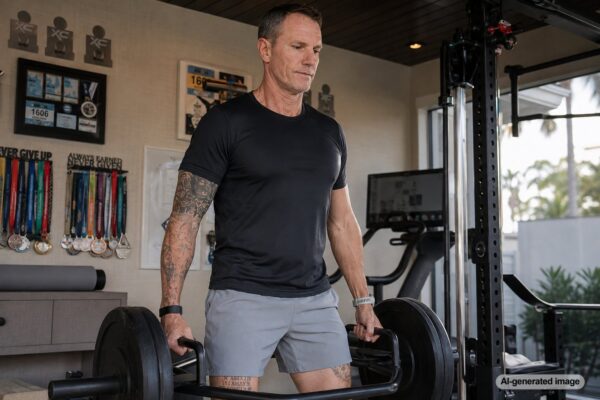
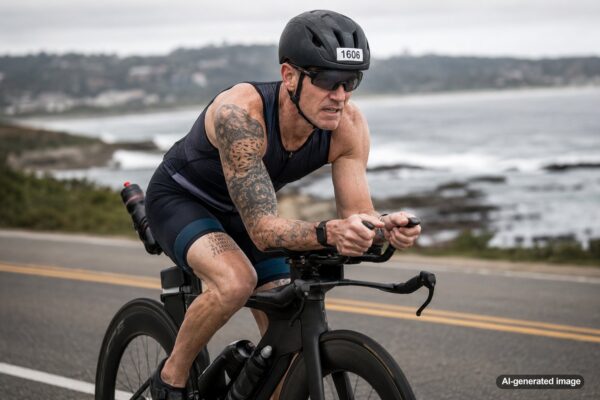
That answer matters because recovery has become easy to confuse with consumption. A device can create a noticeable sensation in a few minutes, while the habits that support lasting progress often work quietly. Greg Schaefer’s experience across endurance sports, business leadership, family life, and adversity reflects a more durable principle: consistent fundamentals usually carry more weight than impressive accessories.
Quick answer
- Sleep is the starting point. A tool cannot compensate for repeatedly cutting rest short.
- Food and hydration matter. Recovery requires adequate energy and nutrients, not just something rolled or pressed against tired muscles.
- Easy movement can help. Walking, gentle mobility, or a very light session may feel better than doing nothing or attacking soreness aggressively.
- Training load affects recovery. Sometimes the smartest recovery decision is adjusting the work that created the fatigue.
- Tools are optional. They can complement a sound routine, but they do not need to become the routine.
What recovery actually asks of you
Recovery is not one event that happens after a workout. It is the collection of choices that allows you to return to training, work, and daily life with enough capacity to perform again. That includes what happens before the workout, how demanding the session is, what you do afterward, and how the rest of the week is structured.
It also helps to separate comfort from recovery. A massage gun may temporarily make an area feel different. A cold plunge may make you feel alert. Compression boots may create a relaxing ritual. Those experiences can be appealing, but a strong sensation is not automatically evidence that the most important recovery needs have been met.
If you slept five hours, skipped lunch, finished a demanding session, and spent the evening under additional stress, ten minutes with a device cannot erase the full picture. The better question is not, “Which tool should I buy?” It is, “What is my body and schedule asking me to address?”
Build recovery around the fundamentals
Protect sleep before adding accessories
Sleep is often the least exciting part of an athlete’s recovery plan and one of the easiest to compromise. It competes with early workouts, late work, family responsibilities, travel, and the temptation to squeeze more into an already crowded day.
A practical sleep routine does not need to be elaborate. A consistent bedtime, a darker and quieter room, fewer late-night screens, and a realistic morning schedule can create a stronger foundation. The goal is not perfection. It is to stop treating sleep as leftover time after every other obligation has been handled.
Consider two athletes after the same difficult workout. One buys the newest recovery device but stays up answering emails. The other puts the phone away, prepares for the next morning, and gets a full night of rest. The second approach is less visible, but it addresses a more fundamental need.
Eat enough to support the work
Recovery becomes harder when training demands and daily energy intake consistently fail to match. Expensive tools cannot replace regular meals or solve the fatigue that can accompany underfueling. A useful routine starts with ordinary food, a reasonable meal schedule, and attention to how training fits around it.
After a demanding session, a balanced meal or snack can be simple and familiar. It does not require a premium powder, an exotic ingredient, or a complicated formula. Individual needs vary, especially across different sports, training volumes, health circumstances, and dietary preferences. The main point is to give nutrition a place in the plan instead of viewing it as an afterthought.
Make hydration a daily habit
Hydration works best as an ongoing habit rather than a frantic correction after training. Weather, workout duration, personal sweat rate, and daily activity all influence what someone may need. Water and regular meals may cover many ordinary situations, while longer or hotter sessions can require more individual planning.
There is no need to make hydration theatrical. Keep fluids accessible, drink consistently through the day, and pay attention to the conditions around the workout. If a training plan involves prolonged endurance efforts or unusual environmental demands, individualized guidance from a qualified professional may be worthwhile.
Use easy movement with intention
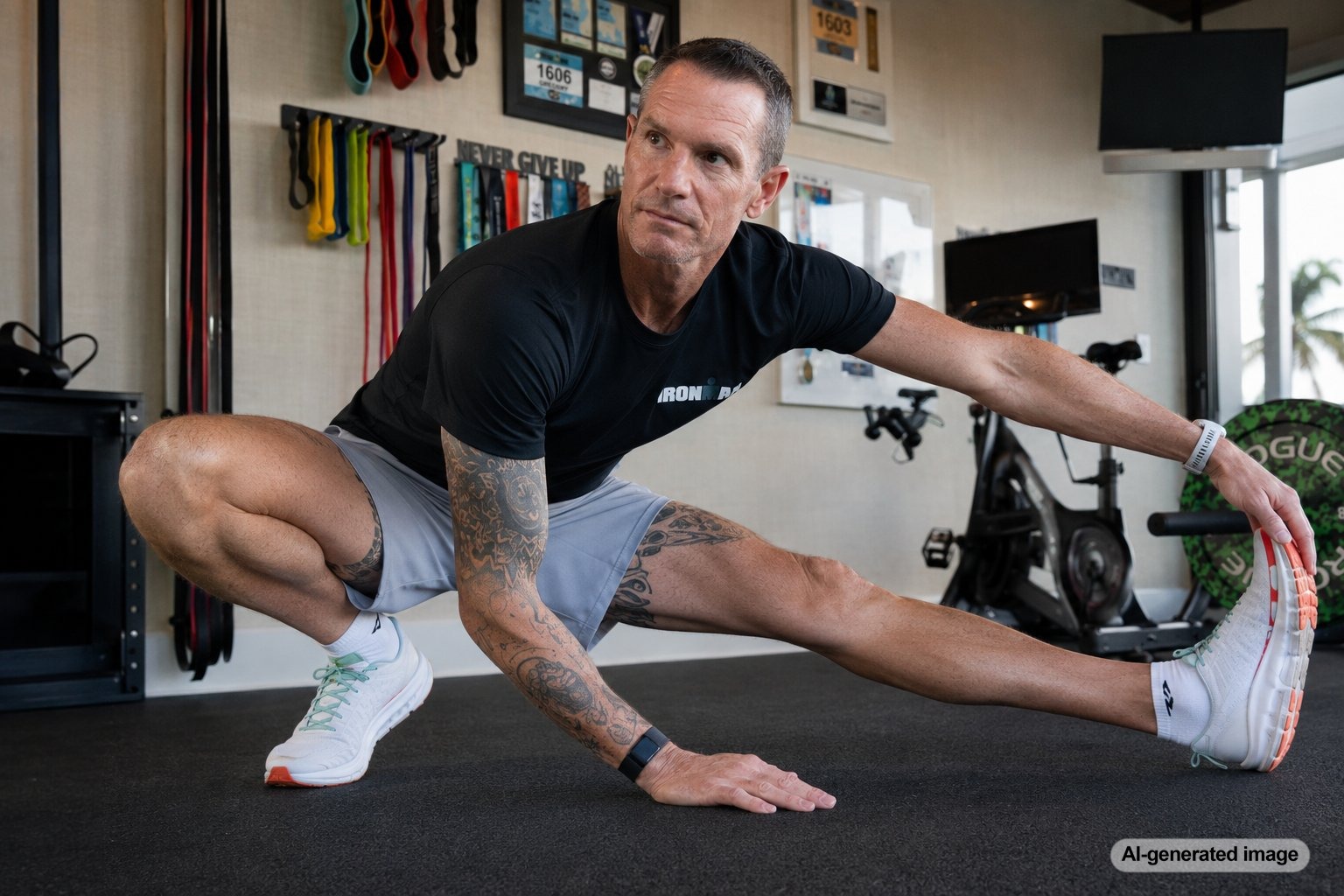
Recovery does not always mean complete inactivity. A relaxed walk, gentle range-of-motion work, easy cycling, or another low-intensity activity may help someone feel less stiff and more prepared for the day. The key word is easy. Turning a recovery session into an unplanned workout defeats its purpose.
This is one area where athlete discipline can become counterproductive. People who are skilled at pushing often struggle to keep a light day light. A twenty-minute walk that leaves you refreshed can be more useful than an extra workout performed to prove commitment.
The free recovery tools people often overlook
Many effective recovery choices cost nothing and require no special equipment. They do, however, require attention and the willingness to respond honestly to fatigue.
- A short walk: Useful when sitting still makes you feel more rigid or sluggish.
- Gentle mobility: Slow, comfortable movement through a manageable range rather than aggressive stretching.
- Changing position: Breaking up long periods at a desk, in a car, or on a couch.
- A calmer evening: Reducing unnecessary commitments after an especially demanding day.
- A lighter next session: Preserving the habit of movement without forcing the original intensity.
- A full rest day: Choosing not to train when additional work is unlikely to be productive.
- Basic planning: Preparing food, organizing equipment, and protecting bedtime before fatigue makes every choice harder.
These actions can look almost too ordinary to count. That is part of their value. They are accessible, repeatable, and easier to sustain than a recovery routine that depends on transporting devices, paying ongoing fees, or finding a specialized facility.
Match the recovery choice to the problem
Not every tired feeling calls for the same response. A useful recovery routine begins by identifying the likely source of the problem rather than applying one favorite tool to everything.
General fatigue
If the dominant feeling is overall exhaustion rather than one tight area, the more relevant questions may involve sleep, workload, fueling, illness, emotional stress, or accumulated training. Local pressure from a massage device is unlikely to address a whole-system issue.
Ordinary post-workout soreness
When muscles feel generally sore after unfamiliar or demanding exercise, patience, comfortable movement, regular meals, hydration, and sensible scheduling may be enough. More intensity is not always better. Aggressively pressing on an already sensitive area can turn recovery into another test of toughness.
Stress-driven tension
A packed calendar, difficult week, or high-pressure work environment can show up as physical tension. In that situation, a quiet walk, slower breathing, an earlier night, or a real break from notifications may be more relevant than another device.
Persistent or concerning pain
Sharp pain, worsening symptoms, substantial swelling, a significant loss of function, or a problem that does not improve should not be treated as a gadget-selection question. Stop forcing the issue and seek evaluation from a qualified healthcare professional. Recovery habits can support general well-being, but they are not a substitute for appropriate medical assessment.
When a massage gun or recovery tool may still be worthwhile
Choosing not to depend on expensive equipment does not require dismissing every product. A massage gun, roller, heating pad, or compression system may fit into a routine if it is comfortable, affordable, convenient, and used appropriately. Enjoyment also has value. A brief ritual that helps someone slow down and pay attention to how they feel can support consistency.
The distinction is between a tool that complements the basics and a tool that distracts from them. Before buying something, ask:
- What specific problem am I trying to solve?
- Have I addressed sleep, food, hydration, and training load first?
- Will I use this regularly after the novelty disappears?
- Can I afford it without creating financial stress?
- Does it feel comfortable, and do I understand how to use it safely?
- Am I expecting a device to compensate for a schedule that needs to change?
If the honest answer is that the product would be convenient and enjoyable, that can be enough. It simply does not make the purchase essential.
The bottom line
You do not need an expensive recovery setup to train with purpose. Build the routine around sleep, nourishment, hydration, easy movement, appropriate workload, and honest self-assessment. Add tools only when they serve a clear purpose and fit your life.
Recovery is also a leadership skill
The ability to recover is not limited to sports. Leaders, entrepreneurs, caregivers, parents, and teams all face the cost of treating constant output as a virtue. Sustainable performance requires knowing when to push, when to adjust, and when to stop pretending that exhaustion is proof of commitment.
Greg’s authority comes from the intersection of endurance competition, business leadership, family commitment, life with Young-Onset Parkinson’s, and advocacy. Across those roles, forward motion does not mean moving at maximum speed every day. Sometimes it means protecting the capacity needed for tomorrow. That is not a retreat from discipline. It is disciplined perspective.
A useful recovery plan should leave room for real life. It should work during busy weeks, travel, changing seasons, financial constraints, and periods when motivation is uneven. The strongest routine is often the one simple enough to repeat.
Frequently asked questions
Do I need a massage gun after every workout?
No. Many workouts can be followed by basic recovery habits such as eating, drinking fluids, moving gently, and getting adequate rest. If you enjoy using a massage gun and can use it comfortably, it may be an optional part of your routine rather than a requirement.
Is stretching enough for recovery?
Stretching is only one possible element, and more is not automatically better. Recovery also involves sleep, nutrition, hydration, training load, stress, and time. Gentle mobility may feel helpful, but it should not be used to force a painful area into submission.
What is the best free recovery method?
There is no single best method for every person or situation. Sleep is a strong place to begin, followed by adequate food and fluids, suitable movement, and a training schedule that allows fatigue to settle. The best choice depends on what is driving the need for recovery.
Should I skip training when I am sore?
It depends on the degree of soreness, the planned activity, your health, and how you respond during movement. A lighter session or rest day may be appropriate in some situations. Pain that is sharp, worsening, unusual, or limiting normal function deserves greater caution and may warrant professional evaluation.
How do I know whether a recovery tool is worth buying?
Start with the problem it is supposed to address. Then consider whether a simpler option already works, whether the product fits your budget, and whether you are likely to use it consistently. A tool can be worthwhile without being necessary.
Interested in bringing Greg’s message to your event or organization?
Learn more about Greg’s speaking work or get in touch to start the conversation.
Contact Greg or learn more about the Forward Motion Fund.
This article is for educational purposes only and is not medical advice. For diagnosis, treatment, or personalized medical guidance, please speak with a qualified healthcare professional.