The Benefits Of Sauna And Cold Plunge For Executives
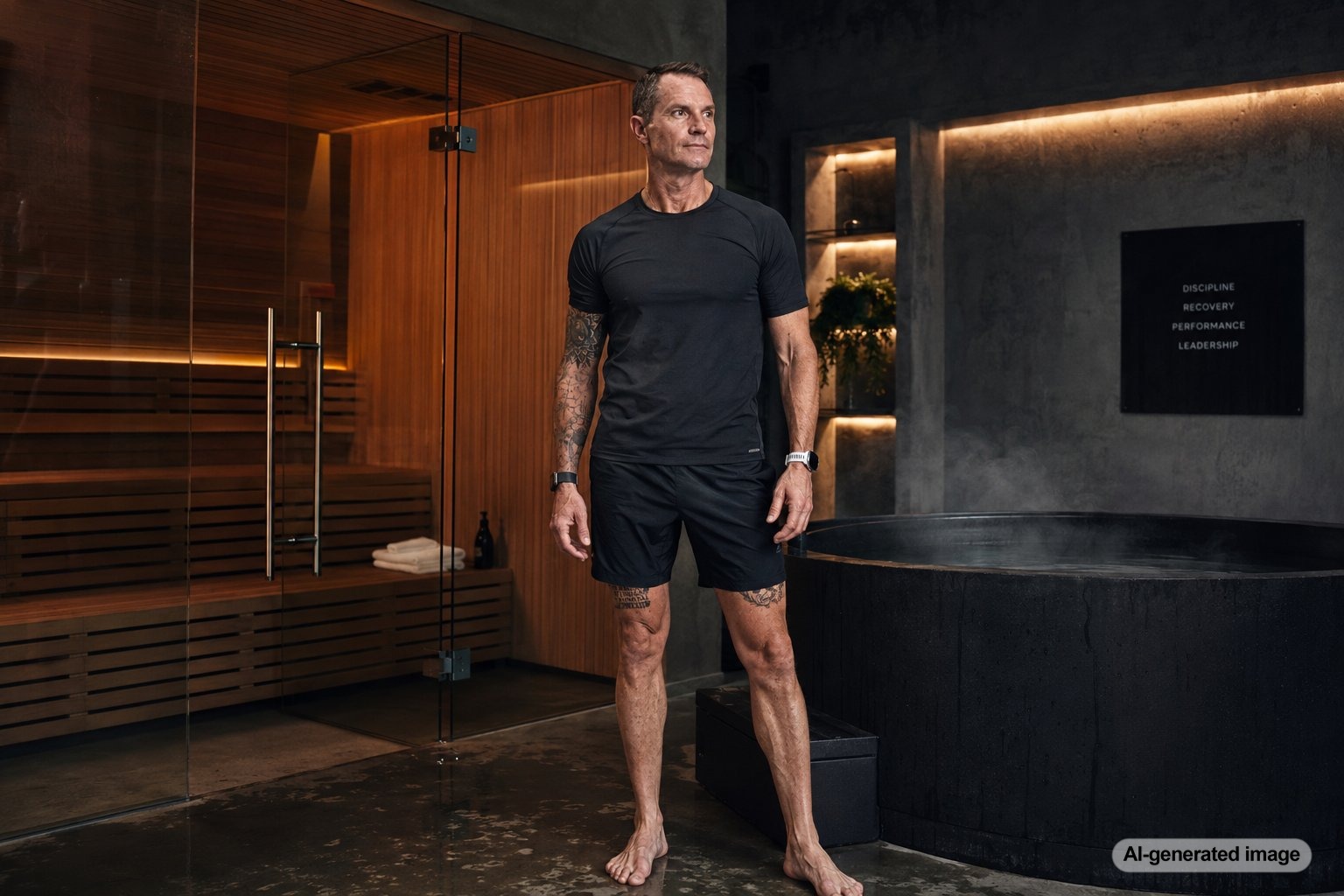
Executives are often praised for stamina, decisiveness, and the ability to keep going under pressure. Yet the leaders who last usually understand something deeper: recovery is not weakness. It is part of performance. Sauna and cold plunge routines have become popular among founders, CEOs, operators, and high-output professionals because they create a structured way to pause, reset, and return to the day with more intention.
The value is not in chasing discomfort for its own sake. The value is in building a repeatable ritual that helps the body and mind shift states. For some leaders, that means quiet heat after a tense week. For others, it means the sharp focus that comes from cold water and controlled breathing. Used thoughtfully, sauna and cold plunge can become less about trend and more about discipline, recovery, and leadership presence.
Quick Answer: Why Executives Are Drawn To Sauna And Cold Plunge
- They create a clear transition between work intensity and recovery.
- They may support relaxation, circulation, and a calmer nervous system response for many people.
- They offer a controlled way to practice discomfort, patience, and composure.
- They can help leaders build a consistent recovery ritual instead of relying only on willpower.
- They are most useful when approached safely, gradually, and with medical guidance when needed.
Recovery Is A Leadership Skill, Not A Luxury
High-performing executives often treat time as the scarce resource. Energy, however, is just as important. A packed calendar, constant decision-making, travel, pressure from stakeholders, and the invisible weight of responsibility can drain even the most disciplined leader. The question is not whether stress exists. The question is whether there is a reliable way to come down from it.
A sauna and cold plunge routine gives recovery a physical structure. Heat invites slowing down. Cold demands attention. Together, they can interrupt the constant mental noise that follows many executives from meeting rooms to dinner tables to late-night inbox checks. The ritual becomes a line in the day: before this, pressure; after this, reset.
This matters because leadership is not only about strategy. It is also about how a person shows up when the room is tense, when the team needs steadiness, or when the next hard call has to be made without drama. Greg Schaefer’s work as a speaker lives in that same territory: resilience that is earned through action, not empty slogans. Learn more about his story and perspective on the About Greg page.
The Sauna Side: Heat, Stillness, And The Practice Of Slowing Down
For executives who move quickly all day, sauna time can feel uncomfortable for reasons that have nothing to do with temperature. It removes the usual escapes. No presentation to review. No meeting to lead. No quick message to send. Just heat, breath, and a few minutes of stillness.
That stillness can be useful. Many leaders are not short on ambition. They are short on recovery windows that are protected, simple, and hard to multitask through. A sauna session can become a practical cue to stop reacting and begin noticing: Where is tension sitting? Is the breath shallow? Is the mind still in conflict mode? What decision feels clearer after the noise drops?
The benefit is not that heat magically solves executive stress. It does not. The benefit is that it creates a repeatable environment where slowing down becomes easier to practice. For leaders who spend much of life in output mode, that pause can be powerful.
The Cold Plunge Side: Composure Under Pressure
Cold water is immediate. It asks for attention before the mind has time to negotiate. That is why many executives find it compelling. A cold plunge can become a small, controlled practice in meeting discomfort without panic.
The first instinct in cold water is often to tense up, rush, or escape. The more useful response is to slow the breath, stay present, and let the body adapt for a brief, appropriate window. That pattern has a leadership parallel. Pressure hits. The room tightens. The first reaction may not be the best reaction. The leader who can pause before responding often changes the outcome.
This is where cold exposure can become more than a wellness habit. It can be a rehearsal for composure. Not because a cold plunge is the same as leading through crisis, but because both ask a person to stay steady when the body wants to rush.
Why The Contrast Matters
Sauna and cold plunge are often discussed together because they create contrast. Heat expands the sense of ease. Cold sharpens attention. Moving between the two can feel like a full reset because each environment asks something different from the body and mind.
For executives, that contrast can mirror the rhythm of strong leadership. There are times to push and times to recover. Times to be intense and times to be still. Times to act quickly and times to let the system settle before making the next decision. A thoughtful recovery routine reminds leaders that high performance is not one constant gear.
The overlooked benefit is not only physical. It is behavioral. A leader who practices transitions may become better at leaving one state before entering another. The workday does not have to spill into every conversation. A difficult call does not have to define the next meeting. A hard week does not have to become a permanent identity.
Practical Ways Executives Can Use Sauna And Cold Plunge
The best routine is the one that is safe, sustainable, and realistic. Executives do not need an extreme protocol to benefit from the discipline of recovery. In fact, chasing intensity can defeat the purpose. The goal is not to prove toughness. The goal is to build capacity.
- Use it as a transition ritual. Sauna or cold plunge can mark the shift from work mode to family mode, travel mode to recovery mode, or training mode to rest.
- Keep the phone out of reach. The absence of distraction is part of the value. A quiet ten minutes can do more for clarity than another scroll through messages.
- Start conservatively. More intense is not automatically better. Short, manageable exposure is often a smarter place to begin.
- Pay attention to hydration and safety. Heat and cold both place demands on the body. Anyone with medical conditions, heart concerns, blood pressure issues, pregnancy, or uncertainty should speak with a qualified healthcare professional first.
- Connect the habit to a larger purpose. Recovery works best when it supports something meaningful: steadier leadership, better presence at home, stronger training, or a healthier relationship with pressure.
What Executives Often Miss
Many high-achievers turn recovery into another competition. How long can I stay in? How cold can I go? How many rounds can I complete? That mindset may look disciplined, but it can miss the point.
The more valuable question is: Did this routine help me return to my life better? Better might mean calmer, clearer, more patient, more awake, or more grounded. It might mean walking into the next meeting less reactive. It might mean arriving home with enough presence to listen well. It might mean sleeping instead of reopening the laptop.
In leadership, the most meaningful gains are not always visible to others. Sometimes the win is the email not sent in anger, the pause before a hard conversation, the decision made from clarity instead of adrenaline, or the quiet commitment to keep moving forward one step at a time.
Sauna, Cold Plunge, And The Resilience Mindset
Resilience is often misunderstood as the ability to endure without needing anything. Real resilience is more honest than that. It includes recovery, support, adaptation, and the humility to build systems that help a person continue.
That perspective connects naturally to Greg Schaefer’s broader message. As a business leader, endurance athlete, dad, husband, speaker, and Parkinson’s advocate, Greg’s story is not about pretending hard things are easy. It is about forward motion when life becomes uncertain. Sauna and cold plunge are not the center of that story, but they fit a broader truth: disciplined recovery can help people keep showing up for what matters.
For organizations and teams, this is a powerful leadership conversation. High standards and human sustainability do not have to be opposites. Leaders can ask a lot of themselves and still respect the need for recovery. Teams can pursue excellence without glamorizing burnout. Executives can model strength without acting invincible. To explore how Greg brings these themes to audiences, visit his Speaking page.
FAQ
Is sauna and cold plunge a good routine for every executive?
Not necessarily. Individual health, medical history, medications, fitness level, and tolerance matter. Anyone with heart concerns, blood pressure issues, neurological conditions, pregnancy, or other medical questions should speak with a qualified healthcare professional before beginning.
Do executives need both sauna and cold plunge to benefit?
No. Some people prefer heat, some prefer cold, and some use both. The deeper value is building a consistent recovery ritual that supports clarity, calm, and sustainability.
How does this connect to leadership?
Leadership requires state control. A person who can slow down, breathe, recover, and respond instead of react is often better prepared for pressure. Sauna and cold plunge can provide a practical setting to rehearse that kind of composure.
Should sauna or cold plunge replace sleep, exercise, or medical care?
No. These practices should not be treated as substitutes for sleep, movement, nutrition, professional care, or medical guidance. They may be part of a broader recovery approach when used safely.
Bottom Line
For executives, sauna and cold plunge are not just wellness trends. Used thoughtfully, they can become practical tools for transition, recovery, composure, and self-leadership. The goal is not to prove toughness. The goal is to return to life with more steadiness, clarity, and capacity for what matters next.
Interested in bringing Greg’s message to your event or organization?
Learn more about Greg’s speaking work or get in touch to start the conversation.
Contact Greg or learn more about the Forward Motion Fund.
This article is for educational purposes only and is not medical advice. For diagnosis, treatment, or personalized medical guidance, please speak with a qualified healthcare professional.