How Much Sleep Do Active Men Over 40 Really Need?
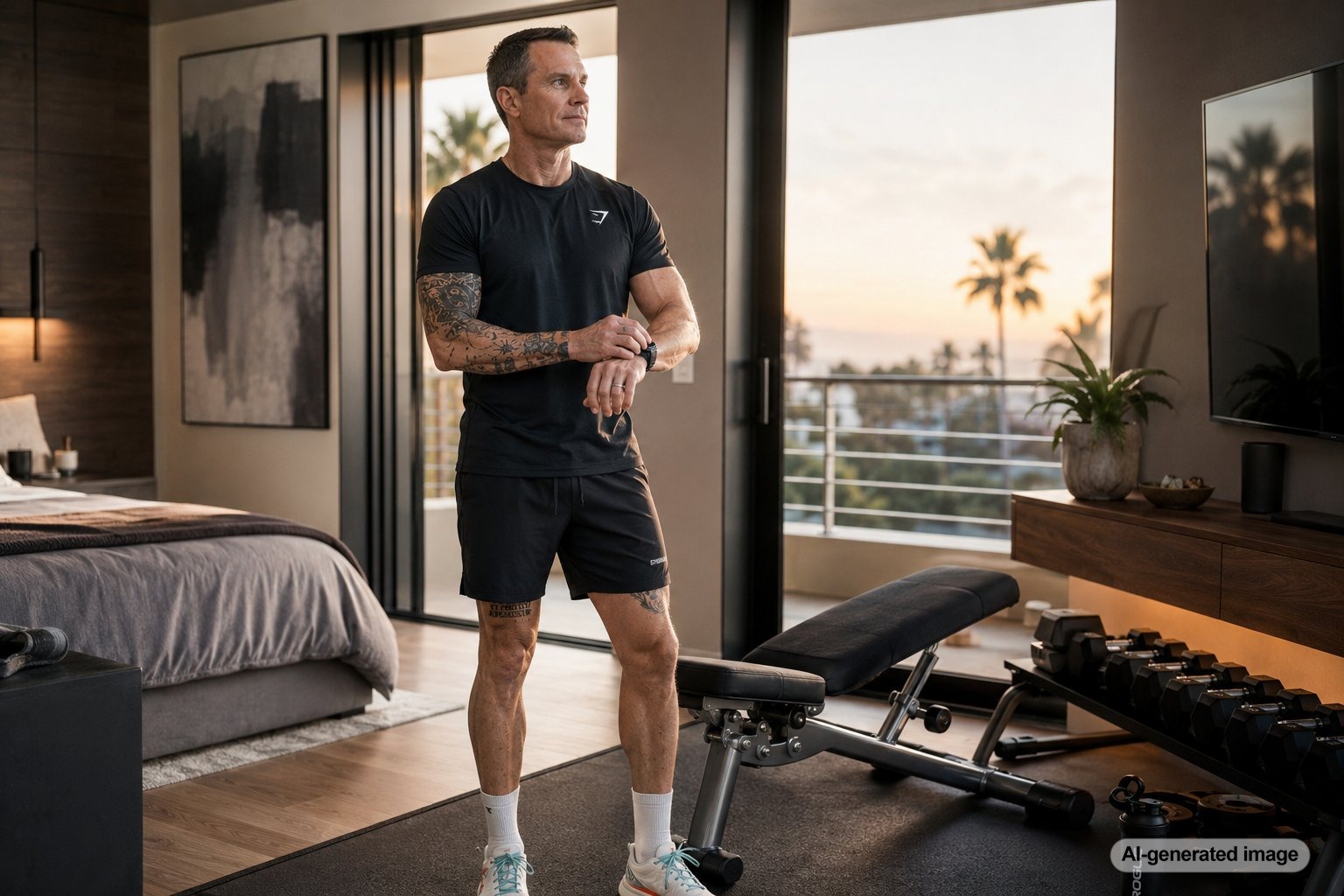
Most active men over 40 should aim for 7 to 9 hours of quality sleep each night. Seven hours may be enough for some people during lighter weeks, but men balancing demanding training, work, family, travel, and recovery may function better closer to the upper end of that range. The right number is not determined by age or activity alone. Sleep quality, training load, health, stress, and how you perform during the day all matter.
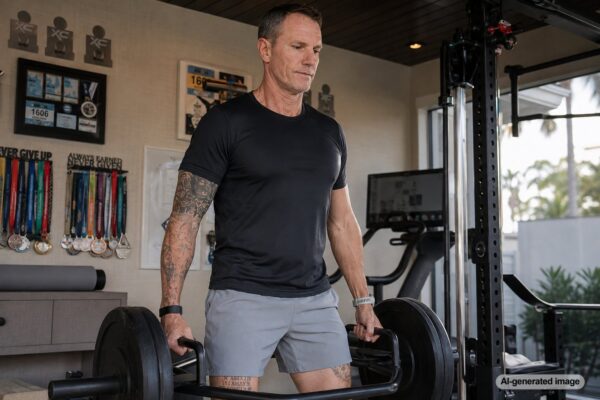
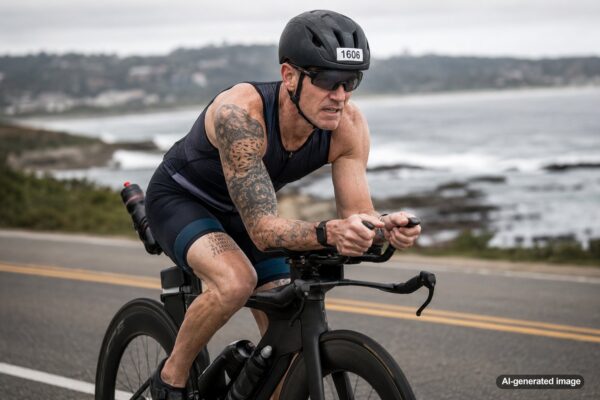
Sleep is not time taken away from progress. It is part of the work. In endurance sports, business leadership, family life, and periods of adversity, sustainable performance depends on knowing when to push and when to protect recovery. That principle is central to Greg Schaefer’s broader message of forward motion: strength is not only the ability to keep going, but also the judgment to recover well enough to take the next meaningful step.
Quick answer
- Start with 7 to 9 hours: This is the general nightly range recommended for adults.
- Consider 8 to 9 hours during demanding periods: Higher training volume, travel, illness, accumulated sleep loss, or unusual stress may increase the amount of sleep opportunity you need.
- Judge more than the clock: Consistent energy, alertness, mood, and training quality help reveal whether your current routine is working.
- Do not normalize persistent exhaustion: Loud snoring, gasping during sleep, daytime sleepiness, or regularly waking unrefreshed can justify a conversation with a qualified healthcare professional.
Why 7 to 9 hours is a range, not a single prescription
There is no special universal sleep number reserved for active men over 40. The general adult recommendation remains 7 to 9 hours, but individual needs vary. Genetics, sleep quality, schedule, medical conditions, medications, stress, and physical demands can all influence where someone falls within that range.
A recreational runner completing three comfortable sessions in a week may recover well with a different routine than an endurance athlete entering a high-volume training block. A business owner traveling across time zones may need more sleep opportunity than he does during a predictable week at home. A father handling disrupted nights may temporarily need to protect additional recovery time even if his workout schedule has not changed.
The useful question is not simply, “Can I survive on seven hours?” A better question is, “How much sleep allows me to train, think, lead, and live well without steadily accumulating fatigue?” Those are different standards. Getting through the day does not always mean you are fully recovered.
What changes after 40?
Turning 40 does not trigger an automatic new sleep requirement. Active men may still need roughly the same amount of sleep as other adults, but sleep can become more vulnerable to competing pressures. Early workouts, demanding careers, family responsibilities, travel, stress, discomfort, nighttime bathroom trips, and inconsistent schedules can reduce either sleep duration or continuity.
This creates an important distinction: needing less sleep is not the same as getting less sleep. A man who wakes earlier than he did at 25 may assume his body no longer needs as much rest. If he also struggles with afternoon sleepiness, declining motivation, irritability, poor concentration, or workouts that repeatedly feel harder than expected, his actual recovery needs may not be met.
Experience can also make active men highly skilled at functioning while tired. Discipline carries them through a meeting, a long ride, or an early flight. That ability is useful, but it can hide the cost of chronic sleep restriction. Mental toughness should help you make honest decisions, not persuade you that every warning signal is weakness.
Quantity matters, but quality changes the equation
Time in bed and time asleep are not identical. Someone may spend eight hours in bed but lose substantial sleep to difficulty falling asleep, repeated awakenings, noise, discomfort, or breathing interruptions. Another person may sleep continuously for seven and a half hours and wake feeling restored.
Think about sleep through three separate lenses:
- Duration: How much sleep are you actually getting?
- Continuity: Is your sleep relatively stable, or is it repeatedly interrupted?
- Daytime function: Do you feel alert, emotionally steady, and capable of performing safely?
A wearable device can provide trends, but its score should not become the only verdict on your readiness. Consumer devices estimate sleep rather than delivering a clinical diagnosis. Use the information as one input alongside how you feel, how consistently you sleep, and how your body responds to training.
How training load can affect your target
Active men do not necessarily need a fixed extra number of minutes for every workout. Training stress is more complicated than that. Intensity, duration, frequency, heat, travel, fueling, work pressure, and previous sleep all contribute to the total load.
A practical approach is to create a dependable baseline during a normal training week. Give yourself enough time for 7 to 9 hours of sleep and observe your energy, mood, concentration, and workout quality for two or three weeks. Then compare that baseline with harder periods.
You may benefit from moving toward the upper end of the range when:
- Your training volume or intensity increases substantially.
- You are stacking several demanding sessions close together.
- You are traveling, changing time zones, or waking unusually early for an event.
- You are recovering from accumulated sleep loss or illness.
- Work, caregiving, or family stress is unusually high.
More is not automatically better without limit. Sleeping far longer than usual while remaining exhausted can be a signal worth discussing with a healthcare professional. The goal is sufficient, restorative sleep, not winning a contest for the most hours in bed.
The night before a race is not the whole story
Active people often place enormous pressure on the final night before a race, long training day, or important presentation. That pressure can make sleep harder. One imperfect night does not erase months of preparation, especially when the preceding days have included adequate rest.
Protect the broader pattern. During the week before a major effort, preserve a consistent schedule, avoid unnecessary late nights, and create enough sleep opportunity that one restless evening does not represent the entire recovery plan. This is similar to endurance preparation itself: durable performance comes from accumulated habits, not a single heroic decision.
Practical ways to improve sleep without overcomplicating it
Sleep routines work best when they are realistic enough to survive normal life. An elaborate evening protocol that collapses during every business trip or family obligation is less useful than a few consistent habits.
Keep your schedule reasonably steady
Try to keep bedtime and wake time consistent across the week. Large swings between workdays and weekends can make it harder to maintain a stable sleep-wake rhythm. Consistency does not require perfection, but repeated late nights followed by large weekend catch-up efforts may signal that the weekday schedule is not providing enough sleep.
Create enough sleep opportunity
If your goal is eight hours of actual sleep, allowing exactly eight hours between getting into bed and the alarm may be too tight. Build in reasonable time to wind down and fall asleep. For an athlete who rises at 5:00 a.m., a midnight bedtime is not a recovery strategy, regardless of how disciplined the morning workout feels.
Watch the timing of caffeine, alcohol, meals, and intense exercise
Caffeine can interfere with sleep when consumed too late in the day. Alcohol may make some people feel sleepy initially while still contributing to disrupted sleep. Heavy meals and intense exercise close to bedtime can also be unhelpful for some individuals. Rather than following a rigid rule from someone else’s routine, notice how timing affects your own sleep and adjust thoughtfully.
Make the room support the goal
A quiet, cool, dark environment can support better sleep. Reduce unnecessary light and noise, and give your mind a transition away from work, news, and stimulating screens. The objective is not a flawless bedroom. It is an environment that consistently signals that the active part of the day is over.
Use naps as support, not a permanent substitute
A brief nap may improve short-term alertness, but it does not replace every benefit of adequate nighttime sleep. If a nap makes it harder to fall asleep at night, consider making it shorter or taking it earlier. Persistent dependence on naps may also be a clue that your nighttime sleep deserves closer attention.
What people often miss
The strongest sleep plan is not always the one with the most optimization tools. It is the one that fits the full reality of your life. Training ambition, leadership responsibility, family presence, and long-term health do not have to compete every night. Sometimes the most disciplined decision is to shorten an easy workout, leave an event earlier, or move a nonessential task to tomorrow so recovery has room to happen.
When tiredness deserves more attention
Fatigue after a difficult workout or a short night is not unusual. Persistent exhaustion despite adequate time in bed is different. Loud, frequent snoring, breathing that starts and stops, gasping during sleep, morning headaches, trouble concentrating, and significant daytime sleepiness can be associated with sleep apnea or other sleep problems. These signs do not establish a diagnosis, but they are worth discussing with a qualified healthcare professional.
Do not use fitness as proof that a sleep disorder is impossible. A person can complete demanding workouts and still have poor-quality sleep. If sleepiness affects driving, work safety, or the ability to stay alert, seek professional guidance promptly and avoid driving while sleepy.
Frequently asked questions
Is six hours of sleep enough for an active man over 40?
Six hours is below the general 7-to-9-hour recommendation for adults. Some people may believe they function well on that amount, but regularly feeling tired, relying heavily on caffeine, sleeping much longer on weekends, or seeing declines in mood and performance may indicate that the schedule is not meeting their needs.
Should endurance athletes sleep nine hours?
Nine hours can be appropriate for some endurance athletes, particularly during demanding training or recovery periods. It is not a universal requirement. Start with the adult range, protect adequate sleep opportunity, and adjust based on training load, daytime function, and guidance from a qualified professional when needed.
Can I make up for lost sleep on the weekend?
Extra sleep may help you feel better after a short-term deficit, but relying on weekends does not fully replace a consistent nightly routine. Large schedule changes can also disrupt the body’s sleep-wake rhythm. A more durable approach is to protect sufficient sleep across the week whenever possible.
How can I tell whether I need more sleep?
Look for patterns rather than one difficult day. Trouble waking, persistent daytime sleepiness, irritability, reduced concentration, declining motivation, workouts that repeatedly feel unusually hard, and substantial weekend catch-up sleep may all suggest that you need more sleep opportunity or better sleep quality.
Is waking during the night normal after 40?
Occasional awakenings can happen at any age. Frequent or prolonged awakenings that leave you unrefreshed deserve attention, especially when accompanied by snoring, gasping, daytime sleepiness, pain, or other symptoms. A clinician can help evaluate possible causes.
The bottom line
For most active men over 40, 7 to 9 hours of quality sleep is the right starting range. The more useful target is the amount that supports consistent alertness, sound decision-making, emotional steadiness, safe training, and reliable recovery. During demanding periods, that may mean protecting closer to eight or nine hours rather than treating seven as a ceiling.
Forward motion is built through repeated choices. Some are visible at the finish line or in the boardroom. Others happen quietly when you shut down the day, respect what your body is telling you, and prepare to take one more step tomorrow.
Interested in bringing Greg’s message to your event or organization?
Learn more about Greg’s speaking work or get in touch to start the conversation.
Contact Greg or learn more about the Forward Motion Fund.
This article is for educational purposes only and is not medical advice. For diagnosis, treatment, or personalized medical guidance, please speak with a qualified healthcare professional.