Can Sleep Tracking Help Athletes and Executives Make Better Decisions?
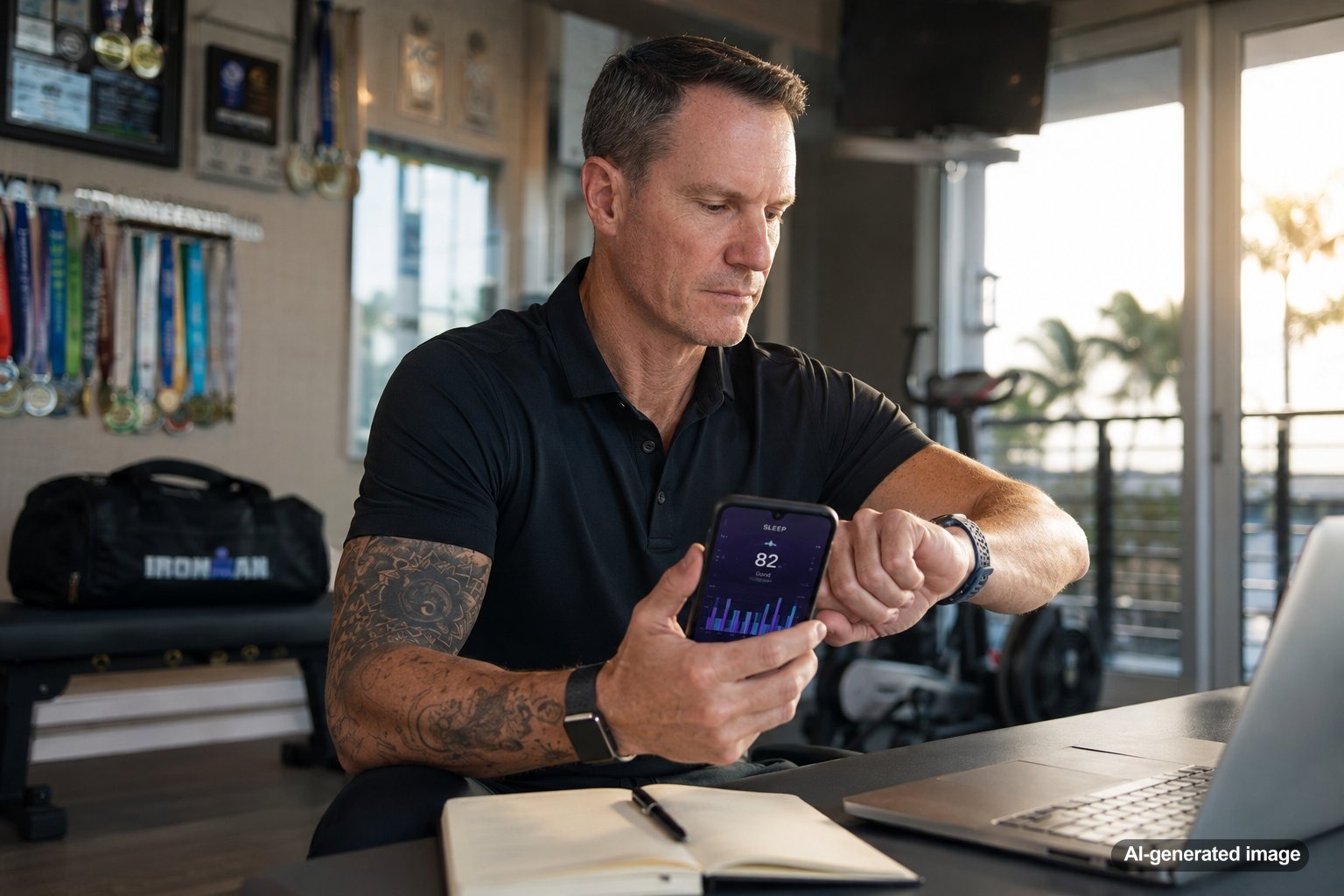
Yes, sleep tracking can help athletes and executives make better decisions, but only when the data is treated as a signal, not a verdict. A sleep score by itself does not tell the whole story. The real value comes from noticing patterns: when recovery is slipping, when late-night work is costing focus, when training load is outrunning rest, or when stress is carrying into the next day.
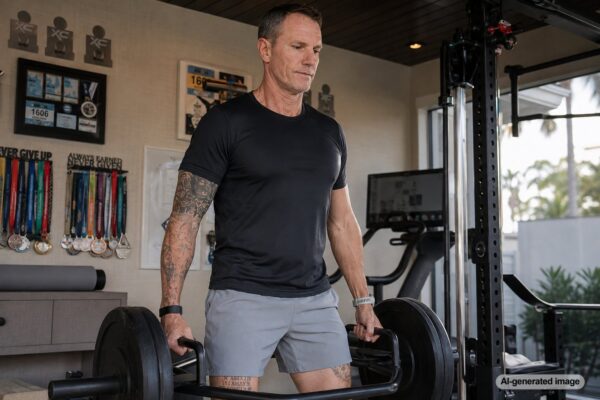
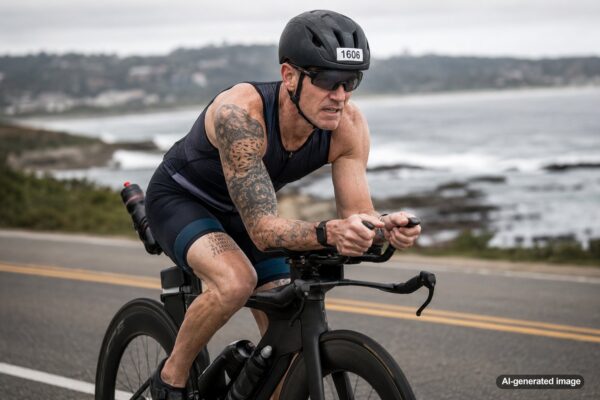
That matters in Greg Schaefer’s world because endurance, leadership, family, advocacy, and mission-driven work all demand decisions under pressure. Whether someone is preparing for a race, leading a company, speaking to a room, or navigating life with adversity, better recovery can support better judgment. It is one more way to keep moving forward with awareness instead of guesswork. Learn more about Greg’s broader story on his About page.
Quick answer
- Sleep tracking can be useful because it reveals patterns over time. A single night matters less than trends across weeks.
- It may help athletes manage recovery. Sleep, training load, travel, and stress often interact in ways that are easy to miss.
- It may help executives protect decision quality. Poor sleep can affect attention, mood, risk tolerance, and mental flexibility.
- It should not be treated as a diagnosis. Consumer trackers estimate sleep using indirect signals, and their limits matter.
- The best use is behavioral. The question is not, “What was my score?” It is, “What should I adjust today?”
Why sleep data matters for people under pressure
Athletes and executives often have more in common than they realize. Both live with pressure, scheduling constraints, high expectations, and decisions that have consequences. One may be choosing pace, nutrition, and recovery before a long training block. The other may be choosing how to respond to a team issue, a financial decision, or a demanding travel week.
In both cases, sleep is not just downtime. The National Institute of Neurological Disorders and Stroke notes that sleep affects nearly every type of tissue and system in the body, including the brain, heart, metabolism, immune function, mood, and disease resistance. For leaders and athletes, that makes sleep part of the performance system, not a luxury.
The hard part is that sleep problems do not always announce themselves clearly. A person can feel “fine” while slowly adapting to fatigue. A wearable or tracker can expose the drift: shorter sleep after late emails, higher resting heart rate after travel, lower recovery after back-to-back hard sessions, or inconsistent bedtimes before important decisions.
What sleep tracking can actually help you see
Most sleep trackers are best at helping people see trends. They are not perfect sleep labs, and they should not be treated like one. Still, they can make invisible patterns more visible.
1. Consistency
Many people focus on total sleep time, but consistency is often the overlooked clue. A leader who sleeps seven hours one night, four the next, then tries to recover on the weekend may still feel mentally uneven. An athlete who trains well but shifts bedtime by several hours may notice slower recovery or more restless nights.
2. Recovery load
Some devices estimate recovery using metrics such as sleep duration, resting heart rate, heart rate variability, temperature trends, or movement. These are not commands, but they can encourage better questions. Did yesterday’s hard session require more recovery? Did alcohol, stress, travel, or a late meal change the night? Is today a day to push, maintain, or be more strategic?
3. Stress spillover
Executives often carry work stress into sleep. Athletes often carry training stress into the next day. A tracker may reveal that the body is still working even when the calendar says the day is over. That insight can support better boundaries around late-night work, caffeine, screen use, travel planning, and recovery routines.
4. Decision timing
Not every decision needs to be made at the end of a depleted day. If sleep data shows a pattern of poor recovery, it may be smart to schedule complex conversations, strategic work, or harder training sessions when the body and mind are better prepared. This is not weakness. It is leadership discipline.
Where sleep tracking can mislead you
The danger is overprecision. A tracker may estimate sleep stages, but consumer devices rely on indirect signals such as movement, heart rate, and other biosignals. Research comparing consumer sleep trackers with polysomnography, the clinical sleep-study standard, has found that devices can be useful for estimating some broad sleep patterns, but sleep-stage accuracy and device-to-device reliability can vary.
That means a low score should not automatically create panic, and a high score should not override how you feel, how you perform, or what your clinician says. The score is a conversation starter. It is not the full conversation.
For athletes, overtrusting the data can lead to unnecessary anxiety before training or competition. For executives, it can become another performance scoreboard in a life already full of metrics. The goal is not to become obsessed with sleep. The goal is to become more honest about recovery.
A better way to use sleep data
The strongest approach is simple: use sleep tracking to guide better behavior over time. Instead of reacting emotionally to one bad night, look for repeated patterns.
- Look at 7- to 14-day trends. One rough night is normal. Repeated short sleep is a signal.
- Track context, not just numbers. Note travel, late meals, alcohol, hard training, stress, medication changes, or unusually late work.
- Pair data with self-awareness. Ask how your focus, patience, mood, training quality, and decision making felt the next day.
- Use the data to adjust the day. A lower-recovery day may call for a lighter workout, fewer high-stakes decisions, or tighter boundaries around work.
- Bring concerns to a professional. Persistent sleep issues, loud snoring, breathing concerns, severe daytime sleepiness, or major changes deserve qualified medical guidance.
What athletes and executives often miss
Many high performers treat fatigue as a character test. They pride themselves on pushing through. There is a place for toughness, especially in endurance sports, entrepreneurship, caregiving, advocacy, and leadership. But toughness without feedback can become self-neglect.
Sleep tracking can help turn recovery into a leadership practice. It can reveal when discipline means going to bed instead of answering one more message. It can show when the best training choice is restraint. It can remind a person that resilience is not only built by pushing harder. Sometimes it is built by recovering well enough to show up again.
That message fits the idea behind Forward Motion Fund: progress is often built through one more step, one more honest adjustment, and one more decision to keep moving with purpose.
FAQ
Can a sleep tracker tell me if I have a sleep disorder?
No. Consumer sleep trackers are not a substitute for a medical evaluation. They may show patterns that are worth discussing with a qualified healthcare professional, especially if symptoms persist.
Is a sleep score the most important number?
Not usually. The most useful information is often the trend: sleep duration, consistency, recovery patterns, and how those patterns connect to energy, focus, training, and mood.
Should athletes change training based on sleep data?
Sleep data can be one factor in training decisions, but it should be considered alongside coaching, symptoms, performance, injury history, and overall health. A tracker should inform judgment, not replace it.
How can executives use sleep tracking without becoming obsessed?
Use the data to protect decision quality. Look for patterns, make one practical adjustment at a time, and avoid treating every nightly score as a personal grade.
Bottom line
Sleep tracking can help athletes and executives make better decisions when it supports awareness, recovery, and honest self-management. It is most useful when it helps answer practical questions: Do I need to adjust training? Should I delay a major decision? Is travel affecting recovery? Am I confusing discipline with depletion?
For people who lead, compete, build, serve, and keep moving through difficult seasons, better decisions rarely come from one metric. They come from paying attention, making adjustments, and respecting the recovery that allows the next step to happen.
Interested in bringing Greg’s message to your event or organization?
Learn more about Greg’s speaking work or get in touch to start the conversation.
Contact Greg or learn more about the Forward Motion Fund.
This article is for educational purposes only and is not medical advice. For diagnosis, treatment, or personalized medical guidance, please speak with a qualified healthcare professional.