

How to Stay Productive on ‘Off’ Days with Parkinson’s
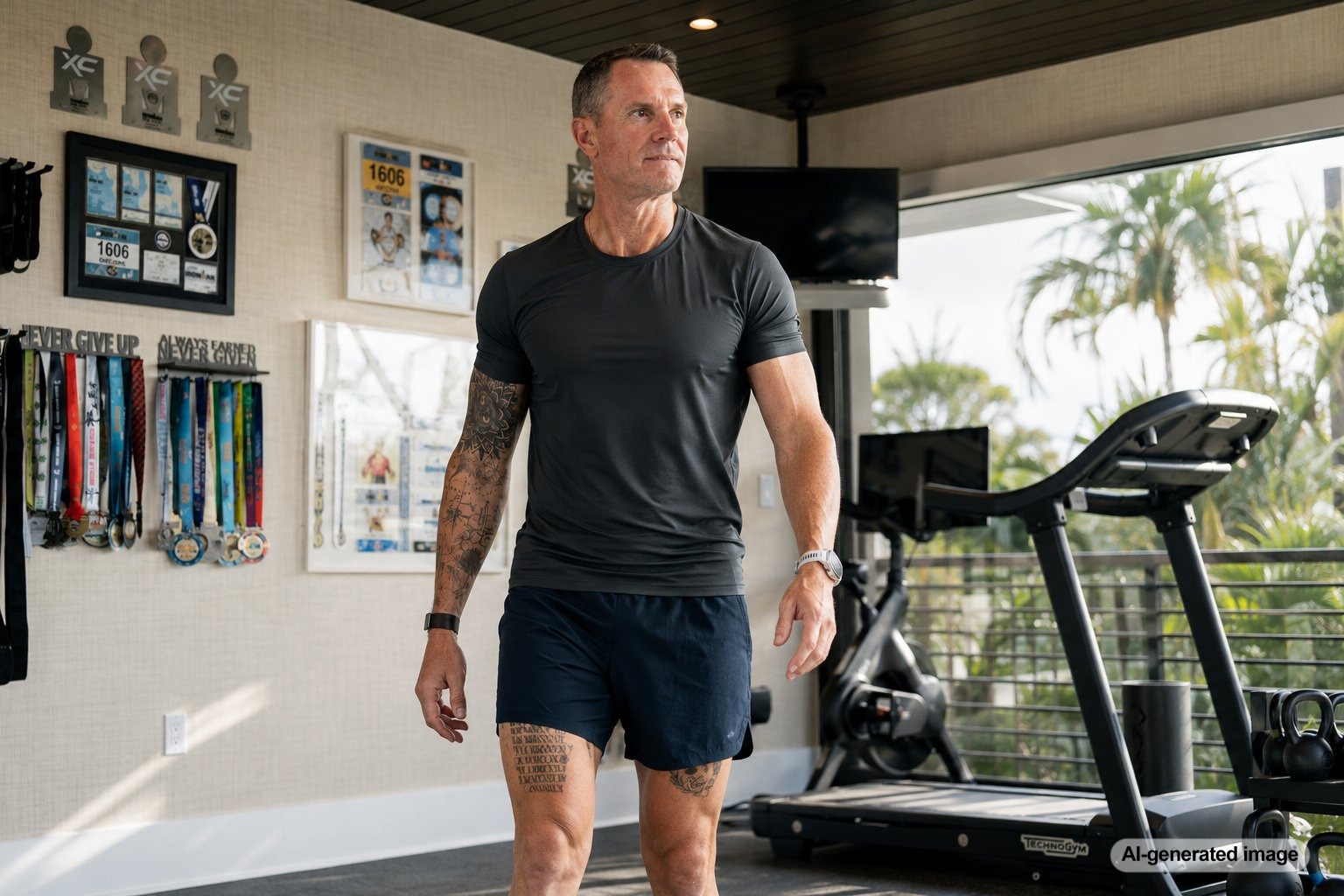
Some days with Parkinson’s do not follow the plan. Energy may feel uneven. Symptoms may be louder. Simple tasks may take more patience than usual. For someone who is used to leading, training, working, building, parenting, competing, and showing up for others, those off days can feel especially frustrating.
Staying productive on those days is not about forcing the same output from a different body. It is about redefining productivity in a way that protects dignity, supports momentum, and leaves room for the reality of the day. Greg Schaefer’s broader message of forward motion fits here: one more step does not always mean one more big thing. Sometimes it means choosing the right small thing and doing it with intention.
Quick answer
- Productivity on an off day starts with adjusting the goal, not judging the day.
- Choose one priority task, one maintenance task, and one recovery-supporting action.
- Break work into short blocks with realistic stopping points.
- Use low-energy progress, such as planning, sorting, replying, or preparing, when higher-output work is not available.
- For symptom changes, medication questions, or safety concerns, speak with a qualified healthcare professional.
Off days are not wasted days
An off day with Parkinson’s can look different from person to person. For some, it may involve fatigue, slowness, stiffness, tremor, brain fog, poor sleep, medication timing challenges, pain, or a general sense that the body is moving through mud. For others, the hardest part is emotional: the mental adjustment of realizing that the day’s original plan may no longer fit.
That does not make the day useless. It makes the strategy different. A high-output day may be built around execution. An off day may be built around preservation, preparation, and selective progress. That shift matters because it allows a person to stay engaged without turning every hard day into a referendum on their identity.
For leaders, athletes, parents, caregivers, entrepreneurs, and people who are used to being counted on, this can be difficult. The instinct is often to push through. Sometimes pushing is appropriate. Other times, the wiser move is to protect enough energy to keep showing up tomorrow.
Start by lowering the friction
On an off day, productivity often improves when the task becomes smaller, clearer, and easier to start. Instead of asking, “What can I accomplish today?” try asking, “What is the next useful step that still respects where I am right now?”
That question changes the entire tone of the day. It moves the focus from proving something to practicing good judgment. A full inbox cleanout might become answering three important messages. A workout might become a short walk, stretching, or a conversation with a clinician-approved care plan in mind. A major project might become outlining the next section instead of finishing the whole thing.
The goal is not to lower standards forever. The goal is to match the method to the moment. That is how momentum survives difficult days.
Use the one-one-one approach
A helpful structure for off days is simple: choose one priority task, one maintenance task, and one recovery-supporting action.
- One priority task: Pick the most meaningful or time-sensitive thing that truly matters today. Keep it small enough to finish or move forward.
- One maintenance task: Choose something that keeps life from becoming more complicated later, such as paying a bill, preparing medication questions, organizing tomorrow’s calendar, or clearing one small surface.
- One recovery-supporting action: Build in something that supports your body or mind, such as rest, gentle movement, hydration, a meal, quiet time, or checking in with someone you trust.
This approach protects against two common traps. The first is doing nothing because the full plan feels impossible. The second is overdoing it because stopping feels like failure. One-one-one creates a middle path: honest, useful, and sustainable.
Separate output from momentum
Many people measure productivity by visible output: finished work, completed errands, miles trained, meetings handled, tasks crossed off. On an off day with Parkinson’s, that measurement can become unfair very quickly.
Momentum can include quieter forms of progress. Reviewing notes, preparing a bag for tomorrow, making a list for a doctor visit, sending one honest update, rescheduling something before it becomes stressful, or choosing rest before the body demands it can all be productive. These actions may not look impressive from the outside, but they can keep a life moving in the right direction.
For Greg, the phrase One More Step… Just One More is not about pretending every step feels strong. It is about honoring the step that is available. Some days that step is public, athletic, and visible. Other days it is private, practical, and unseen.
Build around energy windows
Parkinson’s symptoms and energy can fluctuate. Some people notice better windows at certain times of day, after sleep, after food, around medication timing, or after movement. Others find that the pattern is less predictable. Either way, observing your own rhythms can help you place the most important task where it has the best chance.
On an off day, avoid spending your clearest window on low-value tasks unless they are urgent. If mornings tend to be better, use that window for the task that requires the most focus. Save lighter work for later: sorting, folding, reading, planning, reviewing, or preparing.
It can also help to define the end before starting. A task like “work on the project” is too vague when energy is limited. A better version is “write the first five bullet points,” “reply to two messages,” or “review the calendar for tomorrow.” The smaller finish line gives the brain a clear target and reduces the feeling of being trapped inside an open-ended demand.
Use support without surrendering independence
Asking for support can feel complicated, especially for people who are used to being strong, capable, and self-directed. But support does not erase independence. In many cases, it protects it.
Support may mean asking a family member to help prioritize the day. It may mean telling a colleague, “I can handle the decision, but I need more time to respond.” It may mean delegating the errand and keeping the conversation, planning, or leadership role. It may mean contacting a healthcare professional when symptoms change or daily functioning becomes harder to manage.
For partners, caregivers, and friends, the most useful support is often not taking over. It is helping reduce friction. A ride, a reminder, a meal, a quiet check-in, or a simple “What would help most right now?” can give the person living with Parkinson’s more room to make choices.
What people often miss
Productivity is not always about doing more
On an off day, productivity may mean doing less damage to tomorrow. It may mean pacing well, asking earlier, resting before the crash, or refusing to turn a hard symptom day into a personal failure.
One overlooked part of off-day productivity is emotional recovery. Parkinson’s can challenge not only movement, but also identity, confidence, and the rhythm of ordinary life. A person can be deeply resilient and still feel discouraged. They can be grateful and still frustrated. They can be committed to forward motion and still need a slower day.
That honesty matters. Resilience is not the absence of hard feelings. It is the ability to keep making grounded choices while those feelings are present.
When to seek extra support
Off days are one thing. New, worsening, or unsafe symptoms are another. If a person is experiencing sudden changes, falls, swallowing concerns, severe mood changes, medication side effects, confusion, or symptoms that feel significantly different from their usual pattern, it is important to contact a qualified healthcare professional.
Daily life with Parkinson’s can vary widely, and no article can evaluate an individual’s situation. A clinician can help assess symptoms, medication timing, therapy options, exercise safety, and other supports based on the person’s specific needs.
FAQ
What does it mean to be productive on an off day with Parkinson’s?
It means choosing progress that fits the day instead of forcing the original plan at any cost. That may include completing one important task, preparing for tomorrow, protecting energy, or asking for support before stress builds.
Should someone with Parkinson’s push through an off day?
It depends on the person, the symptoms, the task, and the safety risks involved. Some days may allow gentle persistence. Other days may call for rest, adjustment, or medical guidance. Pushing through should not become a habit that ignores pain, safety, or meaningful symptom changes.
How can family members help without being overbearing?
Offer practical choices instead of taking control. For example, ask whether it would help to handle an errand, make a meal, sit together, or help narrow the day’s priorities. Respect and autonomy matter.
Can routines help with Parkinson’s off days?
Routines may help reduce decision fatigue and make hard days easier to navigate. Simple routines around sleep, meals, medication discussions, movement, planning, and support can create structure, but they should be personalized with appropriate clinical guidance.
One more step, adjusted for the day
Staying productive on an off day with Parkinson’s is not about pretending the day is easy. It is about refusing to let difficulty define the entire story. The step may be smaller. The pace may be slower. The plan may change. But movement can still exist.
That is the heart of Greg’s message as a speaker, endurance athlete, entrepreneur, dad, husband, and Parkinson’s advocate. Forward motion is not always dramatic. Sometimes it is simply the next honest, useful step taken with patience and purpose.
Interested in bringing Greg’s message to your event or organization?
Learn more about Greg’s speaking work or get in touch to start the conversation.
Contact Greg or learn more about the Forward Motion Fund.
This article is for educational purposes only and is not medical advice. For diagnosis, treatment, or personalized medical guidance, please speak with a qualified healthcare professional.


