
What Triathlon Recovery Teaches You About Smarter Progress
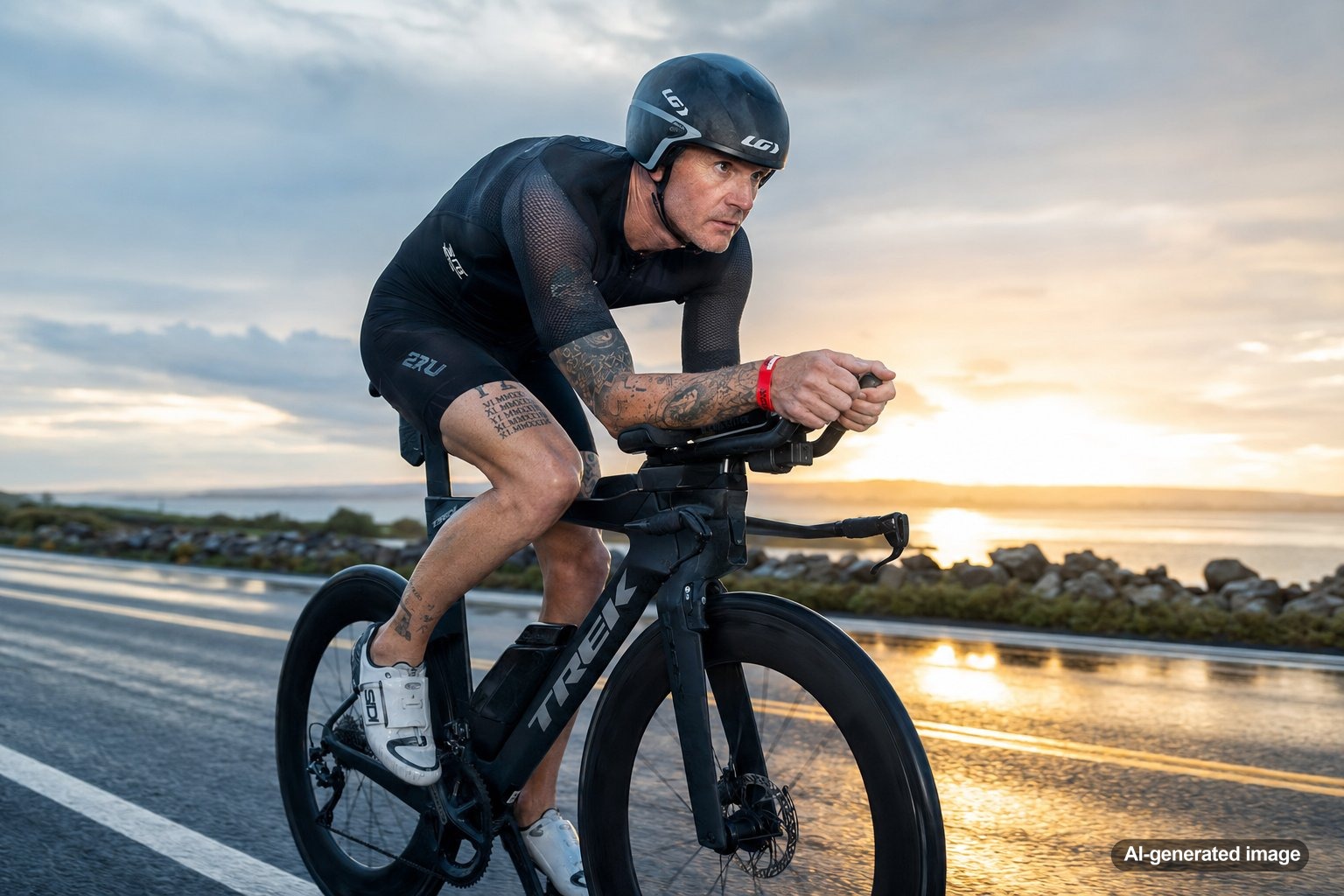
Triathlon has a way of teaching lessons that do not stay on the race course. The swim, bike, and run get the attention, but recovery is often where the deeper wisdom lives. Recovery asks an athlete to respect the work already done, listen closely, and understand that progress is not always built by adding more.
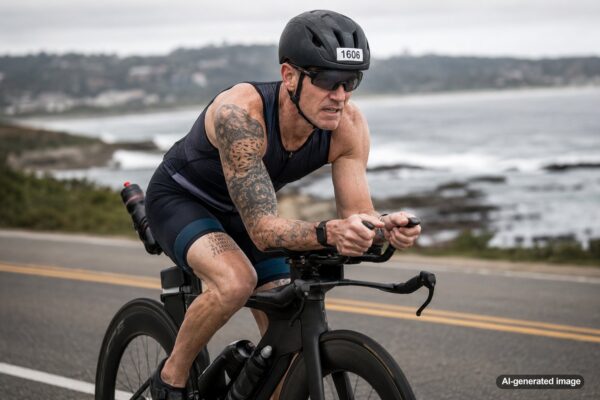
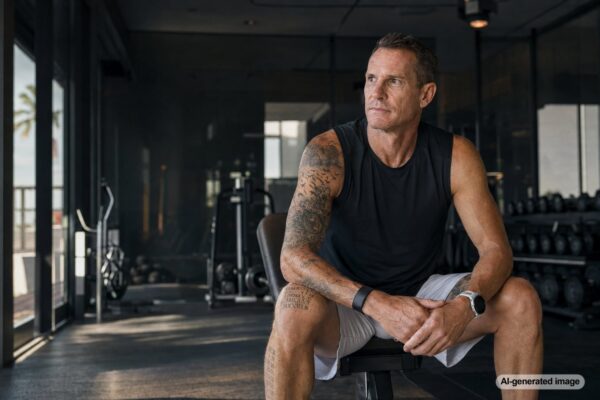
For someone like Greg Schaefer, a dad, husband, CEO, speaker, 20-time Ironman, and Parkinson’s advocate, endurance sports are not just about finish lines. They are about learning how to keep moving with intelligence, humility, and purpose. That same lesson matters in business, leadership, family, advocacy, and any season of life that requires staying power. You can learn more about Greg’s story on the About Greg page.
Quick answer
Triathlon recovery teaches that smarter progress is not about constant intensity. It is about building rhythm, respecting limits, and returning stronger with intention.
- Recovery helps separate productive effort from unnecessary strain.
- Progress often improves when rest, reflection, and adaptation are treated as part of the plan.
- Endurance athletes learn that consistency beats frantic bursts of effort.
- Leadership and personal growth follow the same pattern: push, recover, assess, and move forward.
Recovery is not the opposite of progress
One of the most useful lessons in triathlon is that recovery is not a retreat. It is a training tool. After a long ride, hard run, open-water swim, or full race effort, the body needs time to absorb the work. Without that space, the athlete may keep moving, but the movement can become less efficient, less focused, and more costly.
The same pattern shows up outside of sport. A founder who never pauses to evaluate the business can confuse motion with direction. A team that pushes from deadline to deadline without reflection may become busy without becoming better. A person walking through adversity may feel pressure to prove strength by never needing rest, even though true resilience often requires honest recovery.
Smarter progress recognizes that rest is not laziness and patience is not weakness. It is part of the system that allows effort to become growth.
The endurance mindset values rhythm over urgency
Triathlon rewards rhythm. The athlete who burns through the first leg with no regard for the rest of the race usually pays for it later. A smart race is paced. Energy is managed. Decisions are made with the whole course in mind, not just the next five minutes.
That perspective is useful far beyond race day. In leadership, it can mean not exhausting a team with constant urgency. In personal growth, it can mean choosing habits that can actually be sustained. In advocacy, it can mean building a mission that lasts longer than one emotional moment.
Greg’s platform is rooted in forward motion, but forward motion does not mean reckless motion. It means continuing with purpose. Sometimes that looks like a bold step. Sometimes it looks like a careful reset. Sometimes it looks like staying steady when everyone else is rushing.
What people often miss about recovery
Recovery is often treated as a soft subject, but in endurance sports it is highly practical. It shapes performance, consistency, decision-making, and confidence. What people often miss is that recovery is not only physical. It can also be mental, emotional, and strategic.
- Physical recovery gives the body time to repair and adapt after strain.
- Mental recovery helps restore focus after long periods of pressure or decision fatigue.
- Emotional recovery creates space to process disappointment, fear, change, or uncertainty without being defined by it.
- Strategic recovery allows a person or team to step back, study what worked, and adjust the next move.
In triathlon, skipping recovery can make the next session harder than it needs to be. In life, skipping recovery can do the same. The work becomes heavier, the thinking becomes narrower, and the path forward becomes harder to see.
Smarter progress requires honest feedback
Endurance training has a way of exposing the truth. The body gives feedback. The watch gives feedback. The course gives feedback. Weather, pacing, nutrition, sleep, and preparation all show up in the result. The athlete can ignore those signals, but ignoring them does not make them disappear.
Smarter progress begins when feedback is used instead of feared. A rough training day might reveal a need for rest. A difficult race might expose a pacing issue. A slower season might point to the importance of patience. Not every setback is a failure. Sometimes it is information.
That lesson matters for leaders and teams too. Healthy progress depends on asking better questions: What is working? What is costing too much? Where are we forcing something that needs adjustment? What would it look like to move forward with more discipline and less ego?
Recovery teaches humility without taking away ambition
There is nothing small about training for a triathlon, especially an Ironman. The goals are demanding. The preparation is serious. The commitment is real. But endurance sports also teach humility. No athlete controls every variable. Conditions change. Bodies respond differently. Plans need revision.
That humility is not the enemy of ambition. It is what makes ambition sustainable. The goal is not to stop reaching. The goal is to reach in a way that does not destroy the foundation you are standing on.
For anyone navigating challenge, change, leadership, or a demanding mission, that distinction matters. You can be driven without being careless. You can be resilient without pretending nothing hurts. You can keep moving forward while still respecting what the journey requires.
Practical takeaways from triathlon recovery
The lessons of recovery become most valuable when they turn into real choices. Here are a few ways to apply the endurance mindset to everyday progress.
- Build recovery into the plan, not as an apology after burnout. If rest only happens when everything breaks down, it is not really a strategy.
- Measure progress over longer arcs. One hard day, slow mile, difficult meeting, or discouraging week does not define the whole race.
- Protect consistency. Sustainable routines often outperform dramatic bursts that cannot be repeated.
- Use feedback without shame. Information is useful when it helps you adjust rather than judge yourself harshly.
- Stay connected to purpose. Recovery feels different when it is tied to a larger mission, not just a pause from effort.
The leadership lesson: sustainable teams recover too
Teams, like athletes, can be overtrained. Constant pressure may create short-term output, but over time it can weaken trust, creativity, and decision quality. Smart leaders understand that recovery is not only personal. It can be cultural.
A team may recover through clearer priorities, better meeting rhythms, honest debriefs, protected focus time, or simply a healthier relationship with urgency. Recovery does not mean lowering standards. It means creating the conditions where high standards can be met repeatedly.
This is one reason Greg’s story resonates with organizations and teams. His message is not about pretending challenge is easy. It is about meeting hard things with discipline, humanity, and forward motion. For event planners and leaders interested in that message, the Speaking page offers more context.
FAQ
Why is recovery so important in triathlon?
Recovery gives the body and mind time to absorb training, restore energy, and prepare for the next effort. It helps athletes avoid confusing constant work with effective work.
How does triathlon recovery relate to personal growth?
Both require patience, feedback, consistency, and the willingness to adjust. Progress is rarely a straight line, and recovery helps people keep going without losing the foundation that supports them.
Does smarter progress mean slowing down?
Not always. Smarter progress means choosing the right effort at the right time. Sometimes that means pushing hard. Sometimes it means stepping back, rebuilding, or changing the plan.
What can leaders learn from endurance athletes?
Leaders can learn to pace effort, respect recovery, use feedback, and build systems that support sustained performance rather than short bursts of intensity followed by exhaustion.
Bottom line
Triathlon recovery teaches a powerful truth: progress is not only made in the moments of maximum effort. It is also made in the quieter spaces where the work settles, the lessons become clear, and the next step becomes possible.
Smarter progress is not less courageous. It is more sustainable. It asks for discipline, honesty, patience, and purpose. In endurance sports and in life, that may be what keeps a person moving long after the first burst of energy is gone.
Interested in bringing Greg’s message to your event or organization?
Learn more about Greg’s speaking work or get in touch to start the conversation.
Contact Greg or learn more about the Forward Motion Fund.
This article is for educational purposes only and is not medical advice. For diagnosis, treatment, or personalized medical guidance, please speak with a qualified healthcare professional.