

What Happens When You Stop Drinking Alcohol For 30 Days?
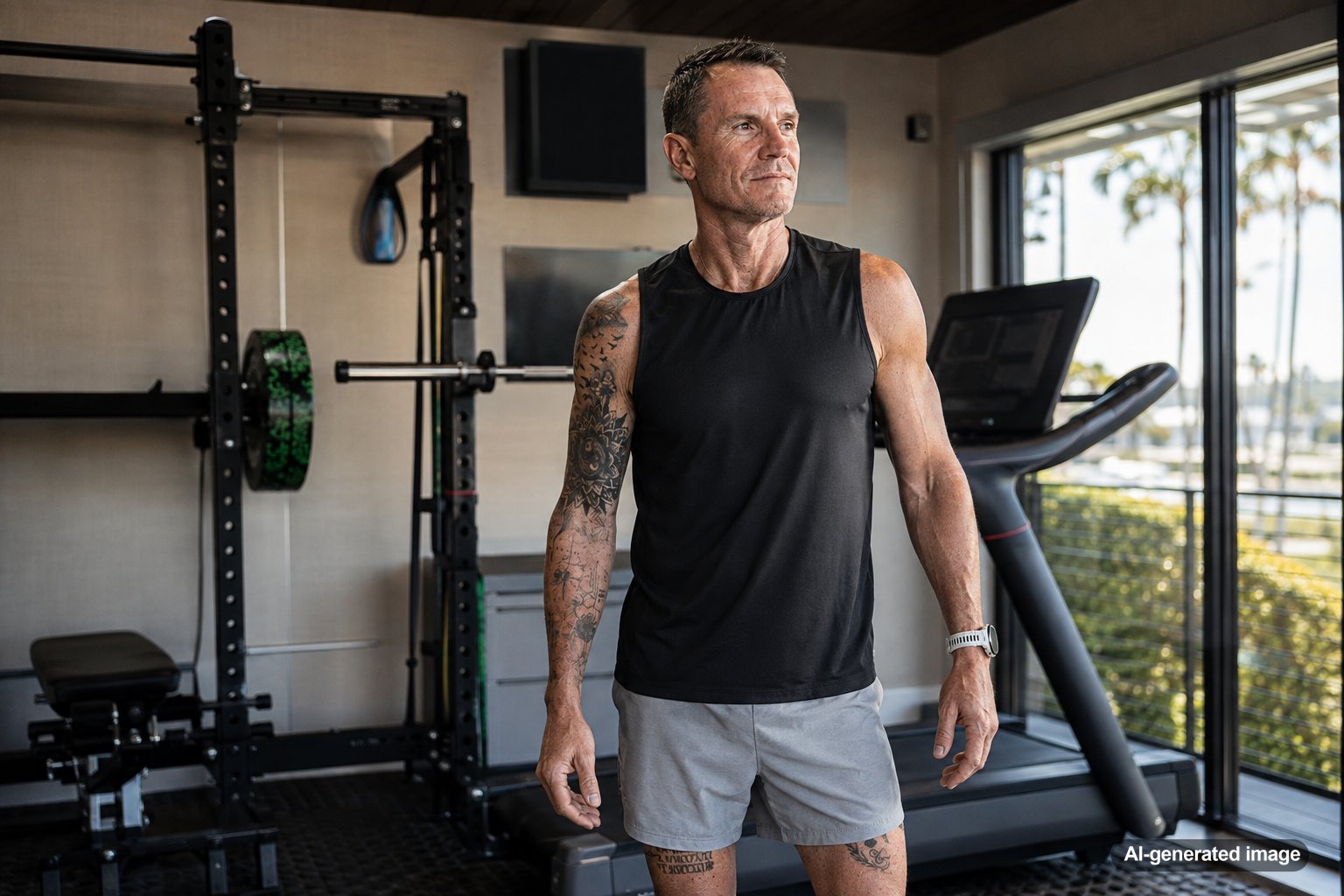
When you stop drinking alcohol for 30 days, you may notice changes in your sleep, energy, digestion, mood, training, and daily routines. Some people feel a difference quickly. Others experience a more uneven adjustment, especially if alcohol was a frequent part of evenings, weekends, social events, or stress relief. There is no universal timeline, and 30 days is not a magic reset. It is long enough, however, to observe patterns that can be difficult to see while drinking remains part of the routine.
An alcohol-free month can also reveal something deeper: what alcohol was doing in your life. It may have been a celebration, a habit, a social bridge, a reward after work, or a way to turn down the volume on stress. Removing it temporarily creates space to examine those roles with honesty rather than judgment. That kind of awareness reflects the grounded approach to adversity, discipline, and forward motion at the heart of Greg Schaefer’s story.
Quick answer: What may change during 30 days without alcohol?
- Sleep may become more consistent, although the first few nights can feel unsettled for some people.
- Energy and concentration may improve as sleep patterns and daily routines stabilize.
- Digestion, hydration, and appetite may feel different without alcohol and the food choices that often accompany it.
- Mood and cravings may fluctuate, particularly when drinking has been connected to stress, reward, or social situations.
- Your relationship with alcohol may become clearer as you identify triggers, expectations, and habits that were previously automatic.
Before you begin: Make safety the first step
For many adults who drink occasionally or moderately, choosing an alcohol-free month may be straightforward. For someone who drinks heavily, drinks daily, has experienced withdrawal symptoms, or has difficulty controlling alcohol use, abruptly stopping can be dangerous. Alcohol withdrawal can include sweating, shaking, nausea, a racing heart, severe anxiety, confusion, hallucinations, or seizures.
Do not use a 30-day challenge as a substitute for medical care. Speak with a qualified healthcare professional before stopping if you think you may be physically dependent on alcohol, have a history of withdrawal, take medications that may interact with alcohol, or live with a condition that could complicate the change. People living with Parkinson’s or managing other neurological conditions should also discuss changes with their care team rather than assuming every symptom is caused by alcohol. Parkinson’s treatment is highly individualized, and medication timing, sleep, balance, mood, and blood pressure can all require thoughtful monitoring.
What may happen during the first few days?
The earliest change is often not dramatic. It is practical. You reach the time of day when you would normally pour a drink, order one with dinner, or meet friends, and the familiar action is missing. That moment can expose how strongly alcohol is connected to a cue.
A cue may be external, such as finishing work or entering a restaurant. It may be internal, such as loneliness, frustration, boredom, or the desire to celebrate. You might experience cravings or feel strangely restless even if you do not consider yourself a heavy drinker. This does not automatically mean you have alcohol use disorder. It does mean your brain has learned an association, and interrupting that association requires attention.
Sleep can also be unpredictable at first. Alcohol may make a person feel sleepy, but sedation is not the same thing as consistently restorative sleep. Some people begin sleeping more soundly after an adjustment period. Others temporarily have trouble falling asleep because the old nighttime routine is gone. A regular bedtime, a quiet wind-down period, and less late-night screen exposure may help support the transition.
What may change after the first week?
As the month continues, mornings may begin to feel more predictable. Without late-night drinks or next-day aftereffects, some people report steadier energy, clearer concentration, and fewer negotiations with themselves about whether to exercise, prepare breakfast, or start work on time. These changes are not guaranteed, and they may be subtle rather than cinematic.
Hydration and digestion may feel different as well. Alcohol can influence fluid balance, appetite, food choices, and gastrointestinal comfort. Removing it may make it easier to distinguish genuine hunger from habit-driven snacking. If alcoholic drinks contributed a meaningful number of calories to the week, total calorie intake may decline. Weight loss is still not automatic because appetite, activity, sleep, metabolism, and substitute foods or drinks all matter.
For an athlete, the most useful observation may be consistency. One alcohol-free evening will not transform a training cycle, but fewer disrupted mornings can make planned sessions easier to complete. Recovery is built through repeated basics: sleep, nutrition, hydration, mobility, and appropriate training load. The value of 30 days is the chance to see whether removing one variable makes those basics easier to protect.
What may happen to mood, stress, and social habits?
An alcohol-free month can feel emotionally uncomplicated for one person and surprisingly challenging for another. If alcohol has been used to mark the end of a difficult day, its absence can leave stress exposed. The goal is not to pretend the stress disappeared. The useful question is what can replace the ritual without avoiding the underlying need.
That replacement might be a walk, a workout, a call with a friend, a nonalcoholic drink, a shower, ten quiet minutes, or a firm boundary around work. The replacement does not have to be impressive. It needs to be available when the cue appears.
Social situations bring a different challenge. Some people worry that declining a drink will require an explanation. Usually, a short answer is enough: “I am taking a month off,” or “I am not drinking tonight.” Planning your order before you arrive can reduce decision fatigue. So can driving yourself, telling a supportive friend, or leaving when the event stops being enjoyable.
The overlooked benefit: Better information about yourself
Thirty days without alcohol offers a real-world comparison. You can observe what changes and what does not. If your sleep improves, that is useful information. If your anxiety remains intense, that matters too. If social events are still enjoyable, you have challenged one assumption. If cravings are stronger than expected, you have uncovered a reason to seek support.
This is where the experience connects with endurance, leadership, and resilience. Progress is rarely produced by one grand declaration. It comes from noticing what is happening, responding to the conditions in front of you, and taking the next responsible step. In business, sport, family life, and health, honest feedback is more valuable than a perfect story.
What people often miss
- The challenge is not only physical. Calendar habits, relationships, identity, and stress responses may be more noticeable than bodily changes.
- Substitution matters. Replacing alcohol with large amounts of sugar, staying up later, or avoiding every social event can make the month feel harder than necessary.
- One difficult evening is not failure. It is information about a trigger, environment, or need that deserves attention.
- Thirty days is a checkpoint, not a diagnosis. The experience can guide a conversation with a healthcare professional, but it cannot determine whether someone has a medical condition.
How to make the 30 days useful
Define the reason
Write down what you want to learn. Perhaps you want to observe your sleep, prepare for an athletic goal, reduce expenses, examine a habit, or be more present with your family. A specific reason gives the month direction when novelty wears off.
Track a few meaningful signals
A simple daily note is enough. Record sleep quality, energy, mood, cravings, exercise, and any situations that made not drinking easier or harder. Avoid turning the process into a complicated performance dashboard. The purpose is to notice patterns.
Prepare for predictable moments
Look at the calendar before the month begins. Identify dinners, travel, celebrations, stressful deadlines, and weekends when alcohol would normally appear. Decide in advance what you will drink, what you will say, and who can support you.
Use support early
You do not have to wait until the experience becomes unmanageable. A physician, therapist, addiction specialist, recovery group, or trusted person can help you create a safer and more sustainable plan. If stopping reveals intense cravings, withdrawal symptoms, or repeated loss of control, seek professional guidance promptly.
Review the evidence at the end
On day 30, compare your observations with your starting point. Ask what improved, what stayed the same, what felt unexpectedly difficult, and what you want to carry forward. The next step might be continued abstinence, another defined break, professional support, or a more intentional conversation about alcohol with your clinician.
Frequently asked questions
Will I lose weight if I stop drinking for 30 days?
You may consume fewer calories if alcoholic drinks were a regular part of your routine, but weight change is not assured. Food choices, activity, sleep, metabolism, and replacement drinks all influence the outcome. Consider weight one possible data point rather than the sole measure of success.
Will my sleep improve immediately?
Not necessarily. Some people notice better sleep after an adjustment period, while others initially feel restless or have trouble falling asleep. Persistent insomnia or significant sleep problems deserve a conversation with a healthcare professional.
Is 30 days enough to improve my health?
Thirty days may be enough to notice meaningful changes, but the result depends on your previous drinking pattern, overall health, medications, sleep, nutrition, and other factors. An alcohol-free month should not be treated as a way to erase past drinking or make future heavy drinking harmless.
What if I drink before the 30 days are over?
A lapse does not erase what you have learned. Examine what happened without minimizing it or turning it into a reason to abandon the effort. If you repeatedly cannot stop or control your drinking, professional support can help you evaluate what is going on and identify appropriate options.
Should everyone try an alcohol-free month?
No single challenge is right for everyone. People who may be physically dependent on alcohol should not stop abruptly without medical guidance. Pregnant people, individuals taking certain medications, and people managing medical or mental health conditions should follow personalized advice from qualified healthcare professionals.
The bottom line
Stopping alcohol for 30 days may improve certain aspects of sleep, energy, routine, and self-awareness, but the experience varies widely. Its greatest value may be clarity. You see the situations in which alcohol appears, the needs it may have been serving, and the choices available when the automatic response is removed.
Resilience is not about proving that something is easy. It is about meeting reality with honesty, making a sound plan, accepting support, and continuing with the next constructive action. Sometimes forward motion is a finish line. Sometimes it is a quiet decision made at the end of an ordinary day: one more step, just one more.
Interested in bringing Greg’s message to your event or organization?
Learn more about Greg’s speaking work or get in touch to start the conversation.
Contact Greg or learn more about the Forward Motion Fund.
This article is for educational purposes only and is not medical advice. For diagnosis, treatment, or personalized medical guidance, please speak with a qualified healthcare professional.


