
How Swim Bike Run Builds A Different Kind Of Strength
Swim, bike, and run training builds more than fitness. Each discipline asks something different of the athlete, and learning to move between them develops a kind of strength that cannot be measured by pace, power, or finish time alone. Swimming demands composure. Cycling rewards patience and judgment. Running reveals what remains when comfort and efficiency begin to disappear.
Together, the three disciplines teach adaptability, self-awareness, and the ability to keep making useful decisions under pressure. Those lessons matter in endurance sports, but they also carry into leadership, family, business, adversity, and everyday life. They are part of the broader idea behind Greg Schaefer’s story: strength is not one fixed quality. It is the capacity to adjust, endure, recover, and take one more step.
Quick answer
- Swimming builds calm under pressure because effort must be controlled through breathing, rhythm, and technique.
- Cycling builds patience and judgment by requiring athletes to manage energy over long distances and changing conditions.
- Running builds honest resilience because fatigue makes every decision and every weakness harder to ignore.
- Combining all three builds adaptability by forcing the body and mind to repeatedly shift strategies.
- The deepest strength comes from consistency, not from one dramatic workout or race-day moment.
Strength Is More Than Force
Traditional ideas of strength often focus on power: how much weight someone can lift, how fast they can move, or how forcefully they can respond. Endurance training expands that definition.
In swim, bike, and run, strength also means knowing when to hold back. It means recognizing a poor decision before it becomes a major problem. It means staying steady when conditions change and continuing to work when the reward is still hours away.
An athlete can be physically powerful and still struggle with pacing, uncertainty, frustration, or transitions. Triathlon exposes those gaps because success depends on more than excelling at one isolated task. The athlete must connect several different abilities into one sustained effort.
Swimming Builds Composure
Water changes the rules. Breathing is limited, balance feels unfamiliar, visibility can be poor, and forcing the effort usually makes movement less efficient. A swimmer who becomes tense often wastes energy at the exact moment calm is most valuable.
That makes swimming a lesson in controlled response. The goal is not to eliminate discomfort. The goal is to remain functional inside it.
This can be especially clear during open-water swimming. Waves, contact with other athletes, cold water, changing currents, or difficulty sighting can disrupt even a well-practiced rhythm. The strongest response is rarely panic or aggression. It is returning attention to the next useful action: exhale, find rhythm, sight, adjust direction, and continue.
That same pattern applies outside the water. When circumstances become uncertain, composure creates room for better decisions. It does not make the situation easy. It keeps the situation from controlling every reaction.
Cycling Builds Patience and Judgment
The bike leg often rewards restraint more than excitement. An athlete may feel strong early, but spending too much energy too soon can create consequences much later. The challenge is to respect the full distance rather than reacting only to the current moment.
Cycling also requires continuous judgment. Wind, hills, road surfaces, temperature, hydration, fueling, equipment, and traffic patterns can all change the plan. Good riding is not passive. It is a long sequence of small adjustments.
This develops a practical form of patience. Patience does not mean moving slowly or avoiding ambition. It means applying effort at the right time, for the right reason, in a way that protects the larger objective.
Leaders face a similar challenge. A decision that creates a quick burst of progress may damage trust, resources, or performance later. Endurance cycling reinforces the value of looking beyond the immediate mile and asking what the entire course will require.
Running Builds Honest Resilience
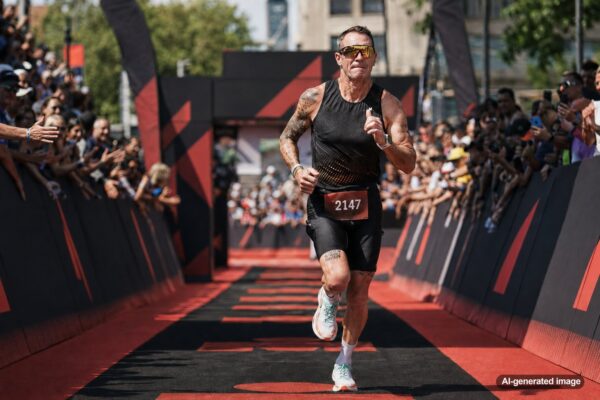
Running comes last in a triathlon, which changes its meaning. The athlete is not beginning fresh. The body already carries the cost of the swim and bike, and small mistakes from earlier in the day may now become visible.
That makes the run unusually honest. There is less room to hide from pacing errors, neglected fueling, poor preparation, or negative thinking. Fatigue strips away many of the stories people tell themselves and leaves a simpler question: What can I do well right now?
Sometimes the answer is maintaining pace. Sometimes it is slowing down before the body forces a complete stop. Sometimes it is reaching the next aid station, correcting the plan, and beginning again.
Resilience in this setting is not blind stubbornness. It is the ability to stay engaged with reality. It means accepting what has changed without surrendering responsibility for the next decision.
The Transitions Teach Adaptability
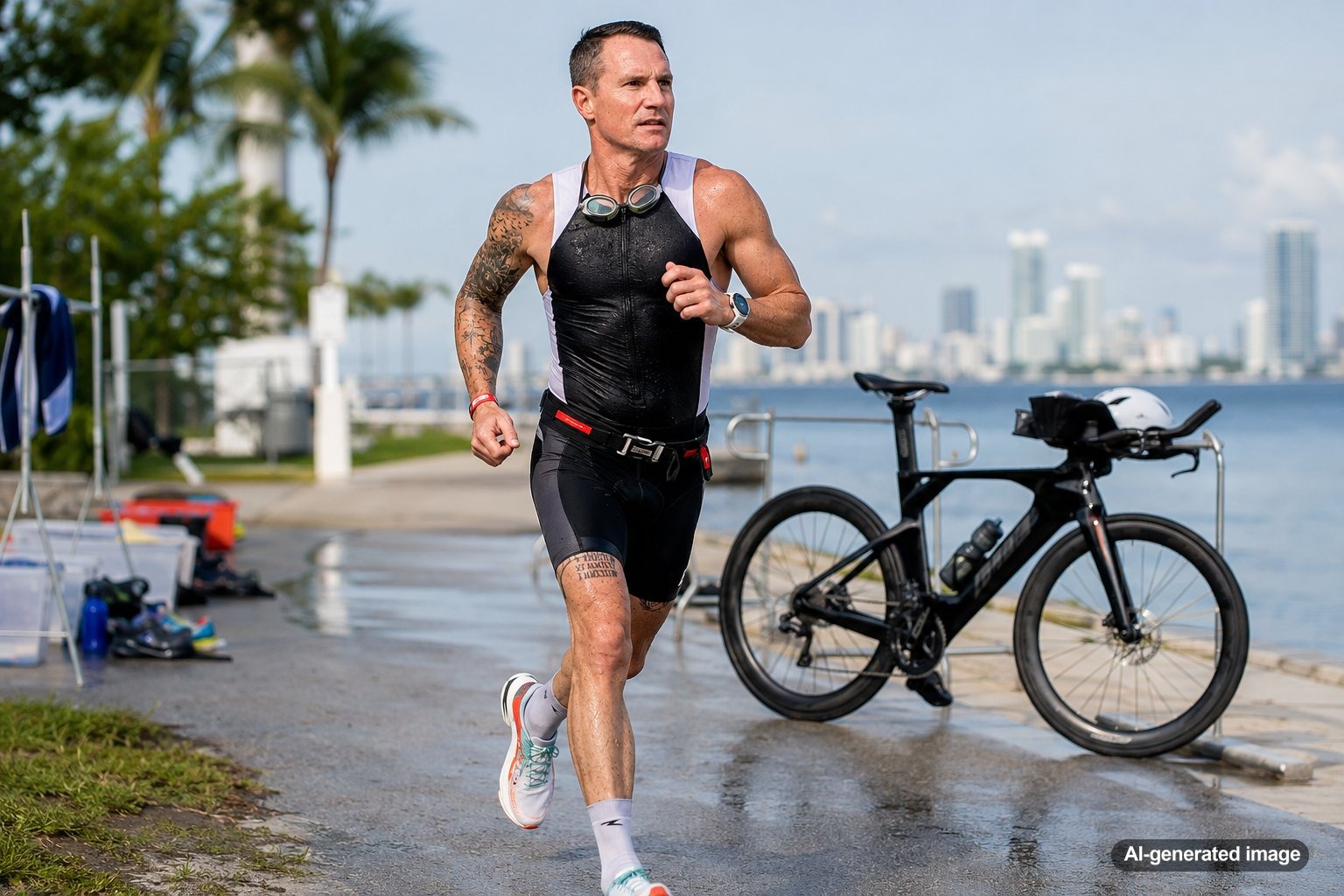
Triathlon is not simply three sports placed beside one another. The transitions change how each discipline feels. An athlete leaves the water disoriented and must quickly prepare to ride. After hours on the bike, the first running steps may feel awkward and heavy.
Those moments train adaptability because the athlete cannot wait for ideal conditions. The body may need time to adjust, but the race continues. Progress depends on making the next transition with attention rather than expecting immediate comfort.
This is an overlooked form of strength. Many people perform well when the environment matches their preferences. A different kind of strength appears when the role, pace, or conditions change and the person can still find a productive rhythm.
Business transitions, family changes, health challenges, and new stages of identity can create the same feeling of unfamiliar movement. The old pattern no longer fits, and the new one has not yet become natural. Endurance training teaches that awkwardness does not always mean failure. It may simply mean adaptation is underway.
Consistency Builds Confidence That Is Earned
Triathlon training includes many ordinary sessions that no one sees. Early swims, long rides, short recovery runs, mobility work, fueling practice, and rest days rarely feel dramatic. Yet those repeated actions create the foundation that allows an athlete to respond when race day becomes difficult.
This produces a grounded form of confidence. It is not based on pretending everything will go perfectly. It comes from knowing that preparation has included difficult days, changing conditions, setbacks, and imperfect performances.
Earned confidence sounds less like, “Nothing can go wrong,” and more like, “When something changes, I know how to keep working the problem.”
That mindset is central to Greg’s speaking work. Resilience becomes credible when it is connected to repeated action, honest adjustment, and lived experience rather than empty encouragement.
What Each Discipline Can Teach Beyond Sport
- From swimming: Regulate your response before trying to control the environment.
- From cycling: Protect the larger goal from impulsive decisions made too early.
- From running: Work with the reality of the moment instead of arguing with it.
- From transitions: Expect temporary awkwardness when moving into a new role or season.
- From training: Build trust through repeated actions that can survive changing motivation.
These lessons do not require becoming a triathlete. They are useful because they reveal different dimensions of strength. Some moments require power. Others require calm, restraint, flexibility, or the humility to change the plan.
The bottom line
Swim, bike, and run builds a different kind of strength because no single quality is enough. The athlete must be composed without becoming passive, patient without losing urgency, and determined without ignoring reality. The goal is not to become unbreakable. It is to become more capable of adjusting, recovering, and continuing with purpose.
Frequently Asked Questions
Does triathlon training build mental strength?
It can. Training across three disciplines repeatedly places athletes in situations that require patience, emotional regulation, problem-solving, and sustained effort. Mental strength develops through the way an athlete responds to those demands, not simply through completing hard workouts.
Which triathlon discipline builds the most resilience?
Each discipline develops resilience differently. Swimming emphasizes calm and technique, cycling emphasizes pacing and judgment, and running emphasizes persistence under accumulated fatigue. The combination is what makes triathlon especially effective at exposing and strengthening different responses.
Why are transitions important in triathlon?
Transitions require athletes to shift quickly between different movements, equipment, and mental strategies. They teach athletes to stay organized and productive even when the body feels unfamiliar or conditions are changing.
Can endurance lessons apply to leadership?
Yes. Pacing resources, adapting to new information, staying composed under pressure, and making responsible decisions while tired are relevant to both endurance sports and leadership. The value comes from applying those lessons thoughtfully rather than treating sport as a perfect comparison for every business situation.
Is pushing harder always the best way to become stronger?
No. Sustainable strength also depends on recovery, technique, pacing, self-awareness, and knowing when to adjust. Constantly forcing greater effort can undermine the larger goal if it prevents learning or consistent progress.
Interested in bringing Greg’s message to your event or organization?
Learn more about Greg’s speaking work or get in touch to start the conversation.
Contact Greg or learn more about the Forward Motion Fund.
This article is for educational purposes only and is not medical advice. For diagnosis, treatment, or personalized medical guidance, please speak with a qualified healthcare professional.