

How Swim Bike Run Builds A Life Of Forward Motion
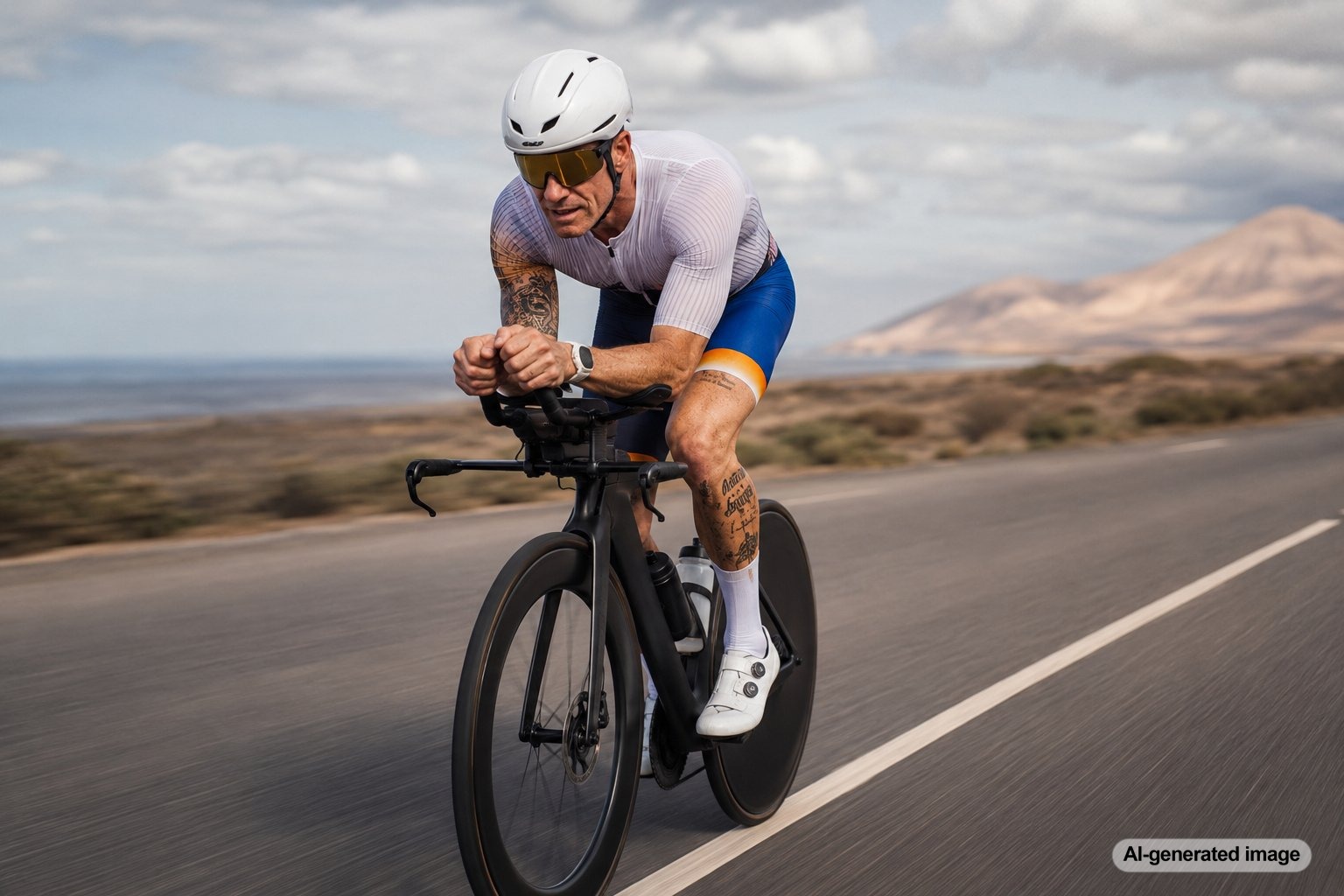
Swim, bike, run looks simple from the outside. Three sports. One finish line. A long day built on training, pacing, patience, and grit. But anyone who has spent time in endurance sport knows the deeper truth: the race is never only about the race.
For Greg Schaefer, a 19-time Ironman, husband, dad, former CEO, speaker, and person living with Young-Onset Parkinson’s, swim bike run has become more than an athletic structure. It is a way to practice forward motion in public and private life. It is a reminder that strength is rarely one dramatic moment. More often, it is the quiet decision to take the next step when the day feels uncertain.
That message also sits at the heart of Greg’s broader work as a speaker and advocate. You can learn more about his story on the About Greg page or explore how he brings these lessons to organizations through speaking.
Quick answer
- Swim bike run builds forward motion because each discipline teaches a different kind of resilience.
- The swim develops calm under pressure because panic wastes energy.
- The bike rewards patience, pacing, and the ability to stay steady for a long stretch.
- The run exposes what remains when fatigue is honest and excuses get louder.
- Together, the three sports create a practical model for leadership, family, adversity, advocacy, and purpose.
The swim teaches calm before control
The swim is often the most humbling part of a triathlon. You cannot muscle your way through open water for long. You have to breathe. You have to find rhythm. You have to stay present when visibility is limited and the water refuses to feel predictable.
That lesson translates far beyond race morning. In business, in family life, in diagnosis, in grief, and in uncertainty, the first instinct is often to force control. The swim teaches something different. It teaches that calm is not weakness. Calm is a skill. It gives the mind enough room to make the next right decision.
Forward motion does not always begin with speed. Sometimes it begins with settling your breath, accepting the water you are in, and moving through it one stroke at a time.
The bike teaches patience, pacing, and discipline
The bike is where many races are either protected or quietly lost. It can feel tempting to chase every rider, surge too early, or treat a strong moment as proof that the whole day will feel that way. Experienced athletes know better. The bike rewards restraint. It asks for discipline before applause.
That kind of pacing matters in leadership too. A company is not built in one inspired meeting. A family is not strengthened through one grand gesture. Advocacy is not sustained through one emotional post. Real work is built through consistent, repeated decisions that may not look dramatic in the moment.
Greg’s background as an entrepreneur and CEO gives this lesson extra weight. Endurance and leadership both require a long view. You have to know when to push, when to conserve, when to adjust, and when to keep going even if no one else can see the work happening beneath the surface.
The run teaches honesty
The run is where the body often tells the truth. Nutrition choices, pacing decisions, training gaps, mental habits, and emotional reserves all show up there. It is difficult to hide on tired legs.
That honesty is not punishment. It is information. The run teaches that forward motion is not about pretending discomfort is not real. It is about learning what to do when discomfort is real. There is a difference between denial and resilience. Denial says, “This does not hurt.” Resilience says, “This is hard, and I can still take one more step.”
That distinction matters deeply when the conversation includes Parkinson’s. Parkinson’s is not a metaphor and not a motivational prop. It is a real condition that can affect movement, mood, energy, sleep, and daily life in different ways for different people. General physical activity may be part of overall wellness for many people with Parkinson’s, but individual guidance should always come from qualified healthcare professionals.
Why three disciplines matter more than one
There is a reason swim bike run feels like a powerful framework for life. Each sport asks for a different kind of strength. The swim asks for composure. The bike asks for patience. The run asks for honesty. Put together, they become a rhythm for living through complexity.
Most lives are not single-discipline lives. A parent cannot only be ambitious. A leader cannot only be tough. An advocate cannot only be emotional. An athlete cannot only be disciplined. A person facing adversity cannot only be hopeful. Real life asks us to adapt across changing terrain.
That is where the structure of triathlon becomes useful. It reminds us that forward motion may look different from one season to the next. Some days require calm. Some require restraint. Some require grit. Some require asking for support. Some require admitting that the plan has changed while the mission remains alive.
What people often miss about forward motion
Forward motion is easy to misunderstand. It does not mean constant progress. It does not mean every day looks strong. It does not mean pain disappears because someone has purpose.
Forward motion is more grounded than that. It is the choice to keep participating in life with honesty, courage, and support. It can look like a finish line. It can also look like a difficult conversation, a doctor’s appointment, a training adjustment, a family dinner, a fundraising effort, or a quiet morning when simply beginning again is the win.
For Greg, the phrase “One More Step… Just One More” is not polished slogan language. It is a lived orientation. It connects the race course to the office, the home, the diagnosis, the stage, and the mission behind the Forward Motion Fund.
Practical takeaways from swim bike run
- Start with breath before action. When pressure rises, calm creates better decisions.
- Pace for the whole course. Do not spend all your energy proving strength early if the mission requires endurance.
- Respect honest feedback. Fatigue, symptoms, stress, and setbacks are signals worth listening to.
- Keep identity broad. You are not only one diagnosis, one job title, one race result, or one hard season.
- Let support be part of strength. Families, teams, clinicians, friends, coaches, and communities often make forward motion possible.
FAQ
Is swim bike run only meaningful for triathletes?
No. The structure is athletic, but the lessons are widely useful. Calm, pacing, honesty, adaptation, and persistence apply to leadership, family life, health challenges, and personal growth.
Does forward motion mean pushing through everything?
No. Forward motion is not reckless. It can include rest, medical care, support, modified goals, and smarter pacing. Sometimes the bravest next step is adjusting the plan instead of pretending nothing has changed.
Why does endurance sport connect so strongly to resilience?
Endurance sport makes invisible habits visible. Preparation, patience, discomfort, recovery, mindset, and support all show up in practical ways. That gives people a real-world language for resilience instead of vague inspiration.
How does this connect to Greg’s speaking work?
Greg’s message draws from lived experience across business, family, Ironman racing, Parkinson’s, and advocacy. That combination allows him to speak about resilience and leadership in a way that feels grounded rather than generic.
Interested in bringing Greg’s message to your event or organization?
Learn more about Greg’s speaking work or get in touch to start the conversation.
Contact Greg or learn more about the Forward Motion Fund.
This article is for educational purposes only and is not medical advice. For diagnosis, treatment, or personalized medical guidance, please speak with a qualified healthcare professional.


