
Top 5 Smartwatches for Tracking Heart Rate Variability (HRV)

Heart rate variability, often shortened to HRV, has become one of the most talked-about recovery metrics in wearable technology. For endurance athletes, busy leaders, people rebuilding after adversity, and anyone trying to understand how their body responds to stress, HRV can offer a useful signal when it is viewed with context rather than obsession.
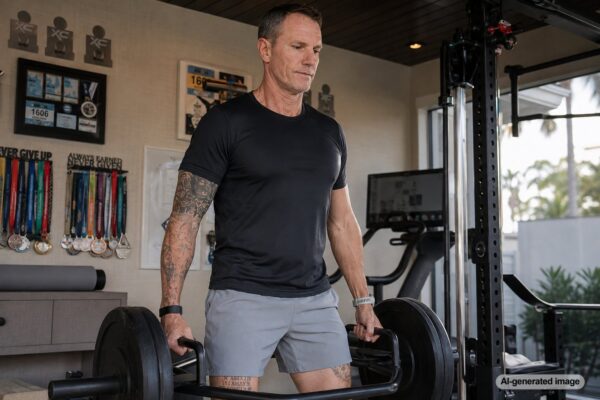
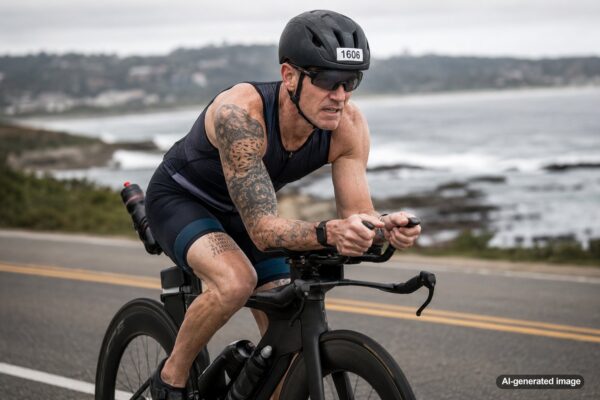
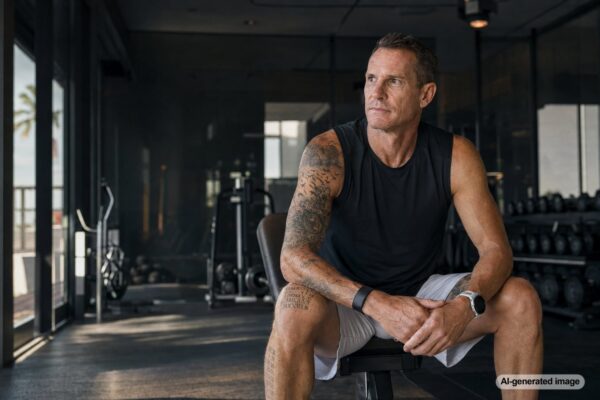
Greg Schaefer’s world sits at the intersection of business, endurance, family, resilience, and forward motion, so the appeal of HRV is easy to understand. It is not a magic number, and it should never replace medical guidance, but it can help people notice patterns around sleep, training load, stress, travel, and recovery. For more on Greg’s broader story, visit About Greg, or explore how his message translates to teams and organizations through Greg’s speaking work.
Quick answer
- Best overall for iPhone users: Apple Watch Series 10 or Apple Watch Ultra 2.
- Best for endurance athletes: Garmin Forerunner 965 or Garmin fenix 8.
- Best for recovery-focused users: WHOOP, even though it is technically a screenless wearable rather than a traditional smartwatch.
- Best for simple wellness tracking: Google Pixel Watch 3 with Fitbit health metrics.
- Best for broad lifestyle health insights: Fitbit Sense 2.
1. Apple Watch Series 10 or Apple Watch Ultra 2
For many people, the Apple Watch is the easiest entry point into HRV because it already fits into daily life. It can track heart rate, workouts, sleep, mindfulness sessions, and HRV data through the Apple Health ecosystem, making it especially useful for people who want a clean, familiar experience rather than a complex training dashboard.
The Apple Watch is a strong choice for iPhone users who want HRV as one part of a bigger health picture. It is especially practical for people who care about notifications, safety features, workout tracking, and app flexibility. The Apple Watch Ultra 2 adds longer battery life and a more rugged build, which may appeal to endurance-minded users, while the Series 10 is easier to wear day to day.
Best fit: iPhone users who want a polished smartwatch that blends health tracking, workouts, communication, and daily convenience.
2. Garmin Forerunner 965 or Garmin fenix 8
Garmin is often the more serious choice for runners, triathletes, cyclists, and endurance athletes who want HRV connected to training status, recovery, sleep, and readiness. Garmin’s HRV Status feature is designed around overnight readings and personal baseline trends, which matters because HRV is more meaningful when viewed over time instead of as a single isolated score.
The Forerunner 965 is a strong option for athletes who want a lighter, performance-focused watch with deep running and triathlon tools. The fenix 8 is better suited for people who want a more rugged multisport watch with adventure features, mapping, durability, and broader outdoor utility. Neither is necessary for casual wellness tracking, but for someone training consistently, Garmin’s ecosystem can be powerful.
Best fit: Endurance athletes, data-driven exercisers, and people who want HRV tied directly to training load and recovery decisions.
3. WHOOP
WHOOP deserves a place in this conversation because it is one of the most recovery-centered wearables available, even though it is not a traditional smartwatch with a screen. Its core experience revolves around sleep, strain, recovery, resting heart rate, respiratory rate, and HRV. For someone who wants fewer distractions and more focus on the body’s recovery patterns, that can be a major advantage.
WHOOP may not be the right choice for someone who wants a watch face, notifications, maps, or smartwatch apps. Its strength is the opposite: it is meant to be worn quietly while the app does the interpretation. For athletes, executives, parents, and high-output people who need to understand when the body is absorbing stress well and when it may be asking for more recovery, WHOOP can be useful.
Best fit: Recovery-focused users who care more about trends, sleep, strain, and readiness than traditional smartwatch features.
4. Google Pixel Watch 3
The Google Pixel Watch 3 is a strong option for Android users who want a modern smartwatch experience with Fitbit-powered health metrics. It brings together activity tracking, sleep insights, heart rate data, stress-related tools, and app integration in a watch that feels more lifestyle-friendly than hardcore athletic.
For HRV, the biggest value is simplicity. A user who does not want to dig through advanced training graphs may appreciate a device that places HRV alongside sleep, activity, resting heart rate, and general wellness trends. It is not the deepest endurance platform on this list, but it can be a practical choice for people who want health awareness without turning every morning into a lab report.
Best fit: Android users who want HRV as part of a broader lifestyle and wellness smartwatch experience.
5. Fitbit Sense 2
The Fitbit Sense 2 is a good fit for people who want approachable wellness tracking, sleep data, stress management features, and HRV trends without the complexity or price point of some performance watches. Fitbit’s strength has long been turning health data into a friendly, understandable daily experience.
For someone beginning to pay attention to recovery, the Sense 2 can be less intimidating than a high-end training watch. It is not built for advanced multisport performance in the same way Garmin is, and it does not have the same app ecosystem polish as the Apple Watch, but it can be useful for noticing patterns around sleep, stress, activity, and recovery.
Best fit: Wellness-focused users who want simple HRV trends, sleep tracking, and stress-related insights in an accessible package.
What to look for in an HRV smartwatch
The best HRV watch is not always the most expensive one. The better question is whether the device matches how you actually live. A serious triathlete may want Garmin’s training readiness tools. A busy professional may prefer Apple Watch because it is always on the wrist. Someone focused on recovery may want WHOOP. A casual wellness user may be better served by Fitbit or Pixel Watch.
There are a few practical details worth considering before choosing. First, look for overnight HRV tracking, because nighttime readings often provide a more consistent recovery window than random daytime measurements. Second, pay attention to battery life, because a watch cannot track sleep if it is charging every night. Third, choose a platform you will actually check without becoming ruled by it. Data is useful only when it supports better decisions.
What people often miss about HRV
HRV is not a scoreboard for toughness. A lower reading does not mean failure, weakness, or lack of discipline. It may reflect poor sleep, a hard workout, travel, alcohol, illness, stress, dehydration, or normal day-to-day variation. A higher reading is not automatically a green light to push harder, either. The most useful pattern is the trend over time, especially when paired with how you feel.
How Greg’s forward motion mindset applies to wearable data
For endurance athletes and mission-driven leaders, numbers can be motivating. They can also become noisy. The healthiest use of HRV is not to let a device decide your identity for the day, but to use the information as one signal among many. Sleep quality, mood, training history, soreness, family stress, work demands, and medical guidance all matter.
That is where forward motion becomes more than a phrase. Some days, the data may suggest backing off. Other days, it may support a harder effort. The goal is not perfection. The goal is learning how to keep moving with more awareness, more patience, and more respect for the body carrying you through the work.
FAQ
Is HRV the same as heart rate?
No. Heart rate measures how many times your heart beats per minute. HRV looks at the variation in timing between heartbeats. That variation can offer insight into stress, recovery, and autonomic nervous system activity, but it should be interpreted carefully.
Which smartwatch is most accurate for HRV?
Accuracy can vary by device, fit, skin contact, movement, algorithm, and whether the measurement happens during sleep or activity. For everyday users, consistency matters. A device worn regularly, especially overnight, can be more useful than one that is technically advanced but rarely worn.
Should I change my training based only on HRV?
Usually, no. HRV can be helpful, but it should not be the only factor. Consider sleep, soreness, mood, illness symptoms, recent training load, and guidance from a coach or qualified healthcare professional when appropriate.
Can HRV diagnose a health condition?
No consumer smartwatch should be used to diagnose a medical condition. HRV may show patterns worth discussing with a clinician, especially if paired with symptoms or major changes, but it is not a diagnosis by itself.
Is a low HRV always bad?
No. HRV is personal and can vary widely. A low reading may reflect fatigue, stress, a hard workout, poor sleep, or normal fluctuation. Trends over time are usually more useful than a single number.
Interested in bringing Greg’s message to your event or organization?
Learn more about Greg’s speaking work or get in touch to start the conversation.
Contact Greg or learn more about the Forward Motion Fund.
This article is for educational purposes only and is not medical advice. For diagnosis, treatment, or personalized medical guidance, please speak with a qualified healthcare professional.