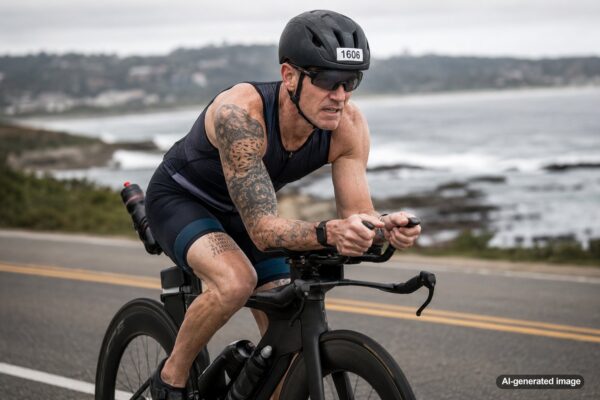

How To Train With Purpose Instead Of Just Logging Miles
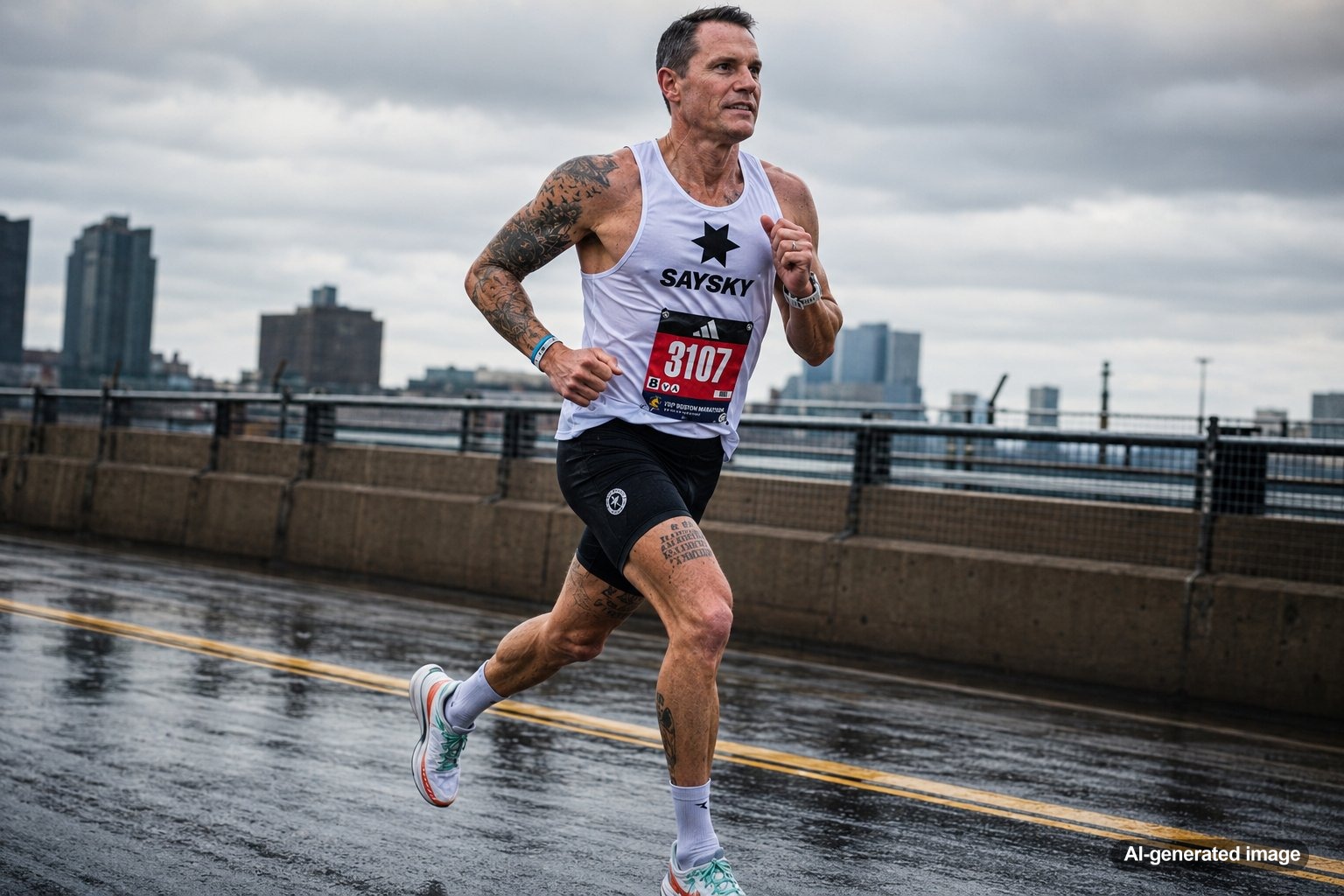
There is a difference between training hard and training with purpose. One can fill a calendar. The other can change the way you move through pressure, fatigue, uncertainty, and growth. Miles matter, but only when they are connected to something more specific than volume for volume’s sake.
For endurance athletes, business leaders, and anyone trying to build a more resilient life, purposeful training starts with a simple question: what is this session meant to teach me? Greg Schaefer’s story sits at the intersection of endurance, leadership, family, adversity, and forward motion. His work as a speaker, athlete, entrepreneur, and Parkinson’s advocate is a reminder that movement can be more than exercise. It can become a practice of attention, discipline, and meaning. You can learn more about his broader story on the About Greg page.
Quick answer: how to train with purpose
- Give every session a clear job before you start.
- Track more than mileage, including effort, recovery, mindset, and execution.
- Use hard days to practice composure, not just toughness.
- Let easy days stay easy so they can actually do their work.
- Connect training to a larger mission so the routine has meaning beyond the workout.
Purpose changes the question from how far to why this matters
Logging miles can become automatic. You check the plan, lace up, get it done, and record the number. There is value in consistency, but repetition without reflection can become a loop. Purposeful training does not reject mileage. It gives mileage a role.
A purposeful session might be designed to build aerobic patience, sharpen pacing, practice nutrition, recover from a hard block, test focus under fatigue, or rebuild trust after a difficult stretch. The distance may look ordinary from the outside. Internally, it has a target.
This matters because endurance is not only about what the body can tolerate. It is also about what the mind learns to notice. Did you start too fast? Did you stay calm when the workout turned uncomfortable? Did you respect recovery or force the day to prove something? Those answers are often more useful than the final number on a watch.
The trap of chasing volume without direction
More miles can feel productive because they are easy to measure. A bigger number gives the sense that progress is happening. Sometimes it is. But mileage alone cannot tell the whole story.
An athlete can run more and still become less efficient, less rested, or less confident. A leader can work more hours and still avoid the decisions that matter. A team can look busy and still drift away from its mission. The same pattern shows up everywhere: activity can disguise itself as progress.
Training with purpose requires a different kind of honesty. Instead of asking only whether the workout was completed, ask whether it served the bigger picture. Did it build capacity? Did it reveal a weakness? Did it support recovery? Did it prepare you for the conditions you are likely to face? Did it help you become steadier under stress?
Give each workout one main job
One of the most practical ways to train with purpose is to define the job of the workout before it begins. Not five jobs. One primary job.
If the day is about endurance, the purpose may be patience. If the day is about speed, the purpose may be controlled discomfort. If the day is about recovery, the purpose may be restraint. If the day is about a long ride or long run, the purpose may include fueling, pacing, and mental steadiness. The clearer the purpose, the less likely the session becomes a random effort.
This approach also protects easy days. Many athletes turn every day into a test because they confuse discipline with intensity. But discipline often means doing the right work at the right effort. A recovery session that stays calm is not a missed opportunity. It is an athlete respecting the process.
Measure execution, not just output
Distance, pace, watts, heart rate, and time can all be useful. The problem comes when numbers become the only evidence that a workout mattered. Purposeful training includes the harder-to-measure pieces that often shape race day and real life.
After a session, consider a few useful questions. Did I follow the intended effort? Did I handle frustration well? Did I fuel before I needed to? Did I make smart adjustments when conditions changed? Did I finish with control, or did I force the workout to satisfy my ego?
Those reflections build self-awareness. They also create a training log that tells a fuller story. Over time, patterns appear. Maybe you rush the first third of long sessions. Maybe you struggle when the weather is poor. Maybe you recover better when you protect sleep. Maybe your best performances come after weeks where you did less proving and more preparing.
Practice the mindset you want on the hard day
Purposeful training is not only physical preparation. It is rehearsal. The way an athlete speaks to himself or herself during an ordinary Tuesday workout can become the voice that shows up during mile 20, a long climb, a difficult diagnosis, a business setback, or a moment when quitting feels easier.
Hard sessions are opportunities to practice composure. That does not mean pretending discomfort is not real. It means learning how to stay present without making the discomfort larger than it needs to be. You can acknowledge the work, narrow the focus, return to form, and take the next step.
For Greg, the phrase One More Step… Just One More speaks to that kind of grounded persistence. It is not about denying struggle. It is about creating a next action when the whole road feels too large. That mindset connects endurance training to the mission behind the Forward Motion Fund, where forward motion becomes a way to support research, caregivers, challenged athletes, and youth-focused impact.
Do not waste the lessons inside imperfect training
Some of the most useful training days are not the clean ones. A workout interrupted by heat, fatigue, stress, poor sleep, or unexpected life demands can still teach something valuable. The key is not to romanticize difficulty. The key is to learn from it.
Purposeful athletes do not treat every imperfect session as failure. They ask better questions. What changed? What did I control well? What did I miss? What would I do differently next time? That kind of review turns disruption into information.
This is also where training becomes bigger than sport. Life rarely gives anyone perfect conditions. Business, family, health, and mission-driven work all require adjustment. The person who can adapt without losing direction is building a skill that reaches far beyond the finish line.
Use training to build identity, not just fitness
Fitness can fluctuate. Identity is deeper. When training has purpose, the work is not only about becoming faster or stronger. It is about becoming more dependable, more aware, more resilient, and more connected to what matters.
That does not mean every workout needs to feel profound. Most training is ordinary by design. The purpose lives in how consistently you return, how honestly you assess yourself, and how well your actions align with your values.
A purposeful athlete can say: I am not just logging miles. I am practicing patience. I am learning how to handle discomfort. I am honoring a commitment. I am preparing for the moment when things get hard. I am moving for something larger than myself.
What people often miss
The best training plans are not only about load. They are about attention. Two athletes can complete the same workout and learn completely different lessons from it. Purpose is what turns effort into growth.
FAQ: training with purpose
Is training with purpose only for competitive athletes?
No. Purposeful training can help anyone who wants their effort to connect to a meaningful goal. The goal might be a race, better health, more consistency, mental strength, or simply staying committed through a difficult season.
Does every workout need to be intense to matter?
No. In fact, many purposeful workouts are intentionally easy. Recovery, aerobic development, technique, and consistency all require restraint. The point is not to make every session dramatic. The point is to make every session useful.
How do I know if I am just logging miles?
You may be just logging miles if you finish workouts without knowing what they were meant to accomplish, chase volume even when your body is asking for recovery, or judge every session only by pace, distance, or intensity.
What should I write in a training log?
Along with distance and time, consider noting the purpose of the session, effort level, recovery, fueling, mindset, conditions, and one lesson learned. Over time, those notes can reveal patterns that numbers alone may miss.
Training as a form of forward motion
Purposeful training does not remove discomfort, uncertainty, or hard days. It gives those days a place in the larger story. It helps an athlete understand that progress is not always loud. Sometimes it is quiet consistency. Sometimes it is restraint. Sometimes it is the decision to begin again.
That is where endurance, leadership, advocacy, and life meet. The miles matter, but the meaning behind them matters more. Train for the event in front of you. Train for the person you are becoming. Train in a way that helps you carry strength into your family, your work, your mission, and the people who are watching how you move forward.
Interested in bringing Greg’s message to your event or organization?
Learn more about Greg’s speaking work or get in touch to start the conversation.
Contact Greg or learn more about the Forward Motion Fund.
This article is for educational purposes only and is not medical advice. For diagnosis, treatment, or personalized medical guidance, please speak with a qualified healthcare professional.