

What Causes Parkinson’s Disease?
Parkinson’s disease is one of those diagnoses that often leaves people searching for a clear reason. Why did this happen? Was it genetics? Was it age, environment, stress, lifestyle, or something no one could have predicted? The honest answer is that Parkinson’s usually does not have one simple cause. For most people, scientists believe it develops from a complex mix of factors over time.
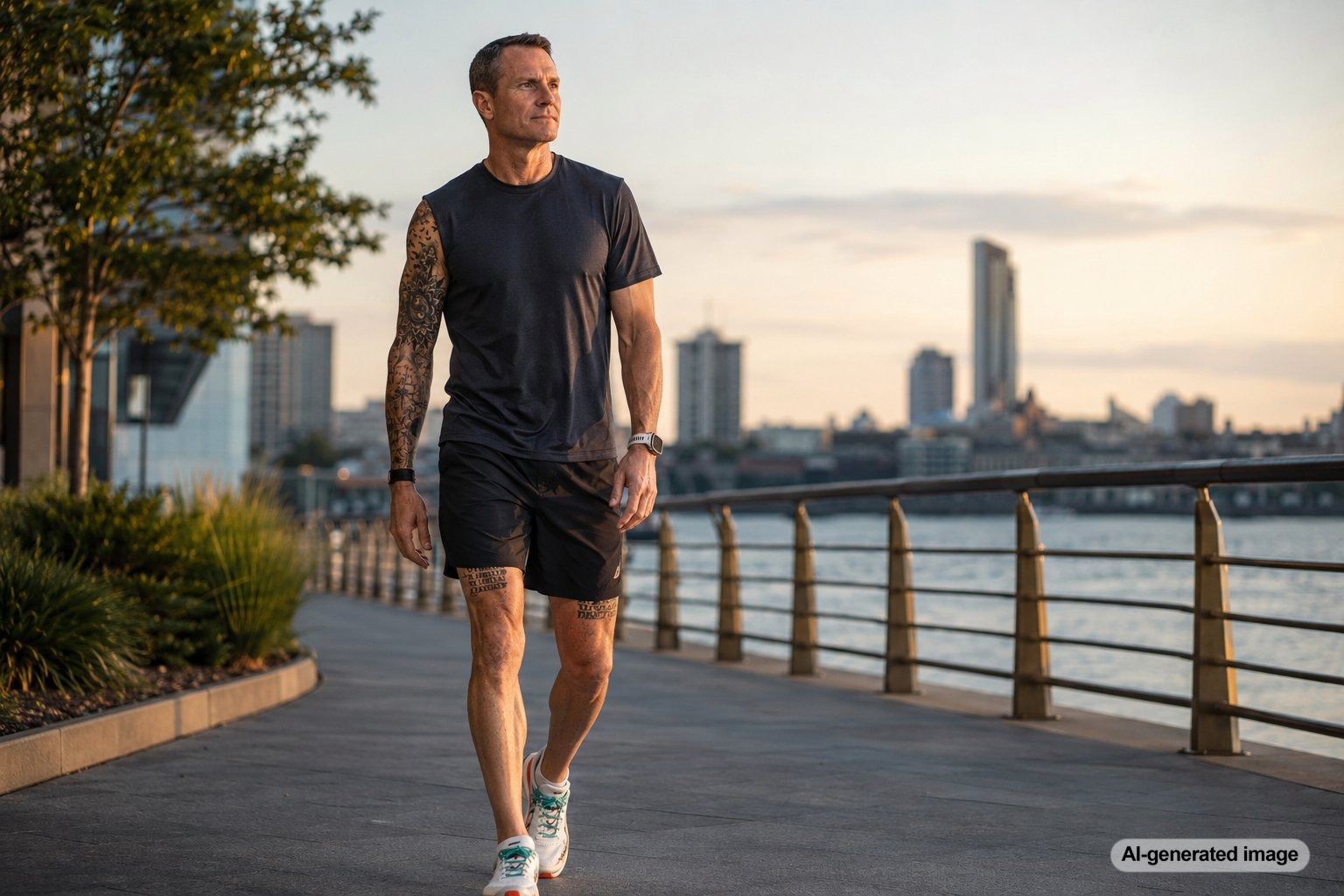
That uncertainty can be hard to sit with. Greg Schaefer’s story, shared through his work, family life, endurance racing, and advocacy, is a reminder that understanding Parkinson’s matters, but a person is never reduced to a diagnosis. Knowledge can help people ask better questions, support research, and keep moving forward with more clarity.
Quick answer: what causes Parkinson’s disease?
- In most cases, the exact cause of Parkinson’s disease is unknown.
- Researchers believe Parkinson’s usually involves a combination of genetics, environmental exposures, aging, and other biological changes.
- Only a minority of cases appear to be directly tied to inherited genetic factors.
- Environmental risk factors may include certain pesticides, solvents, toxins, and head injury history, though exposure does not mean someone will definitely develop Parkinson’s.
- Parkinson’s is linked to the damage or loss of dopamine-producing nerve cells in a part of the brain involved in movement.
There is usually not one single cause
One of the most important things to understand is that Parkinson’s is not usually caused by one event, one choice, or one obvious trigger. Many people living with Parkinson’s never receive a precise explanation for why it developed. That can be frustrating, especially for people who are used to solving problems directly.
Medical researchers often describe Parkinson’s as a condition shaped by overlapping influences. A person’s genes may affect vulnerability. Environmental exposures may affect risk. Aging can make nerve cells less resilient. Other biological processes, including inflammation, mitochondrial function, and protein changes in the brain, are also part of ongoing research.
That does not mean Parkinson’s is random in a careless sense. It means the disease is complex, and science is still working to understand how the pieces fit together.
What happens in the brain
Parkinson’s is most commonly associated with the weakening, damage, or death of nerve cells in an area of the brain called the substantia nigra. These neurons help produce dopamine, a chemical messenger that supports movement control. As dopamine-producing neurons are lost, movement symptoms such as tremor, stiffness, slowness, and balance changes can appear.
Parkinson’s can also involve non-movement symptoms, which is one reason the disease can be misunderstood. Sleep changes, constipation, mood changes, fatigue, and cognitive or autonomic symptoms may be part of the experience for some people. The details vary widely from person to person.
The role of genetics
Genetics can play a role in Parkinson’s, but most cases are not simply inherited in a straight line from parent to child. Some gene variants are associated with a higher risk, and some rare mutations can be more directly connected to Parkinson’s, especially in certain families or early-onset cases.
This distinction matters. Having a family history may increase concern, but it does not guarantee that someone will develop Parkinson’s. Not having a family history does not rule it out either. A gene can be part of the story without being the entire story.
For people with Young-Onset Parkinson’s, a strong family history, or questions about genetic risk, a qualified clinician or genetic counselor can help explain whether genetic testing is appropriate and what the results might or might not mean.
The role of environmental factors
Environmental factors are another major area of Parkinson’s research. Studies have explored possible links between Parkinson’s risk and certain pesticides, solvents, heavy metals, air pollution, rural living patterns, well-water exposure, and head injuries. These connections are not always simple, and not every exposure carries the same level of evidence.
The practical takeaway is not fear. It is awareness. Environmental exposure may be one piece of risk for some people, especially when combined with genetic vulnerability or other biological factors. Researchers are still working to understand which exposures matter most, at what levels, and during which windows of life.
Aging and vulnerability over time
Age is one of the strongest known risk factors for Parkinson’s, but age does not explain every case. Parkinson’s can affect people before age 50, often called Young-Onset Parkinson’s, as Greg experienced after being diagnosed in 2023 at age 48.
Aging may make certain cells less able to repair damage, manage stress, or maintain healthy function. Over time, that loss of resilience may combine with genetics, environment, and other factors. This is one reason Parkinson’s research looks not only at what starts the disease, but also at why some people develop symptoms earlier than others.
What people often misunderstand
Misunderstanding 1: Parkinson’s is always inherited. Genetics can matter, but most people with Parkinson’s do not have a simple inherited form of the disease.
Misunderstanding 2: One exposure automatically causes Parkinson’s. Risk factors are not guarantees. They may increase odds, but they do not make the outcome certain.
Misunderstanding 3: Parkinson’s is only about tremors. Tremor is common, but Parkinson’s can include many movement and non-movement symptoms.
Misunderstanding 4: Not knowing the cause means nothing can be done. Even when the original cause is unclear, care, movement, support, medication, therapy, research participation, and community can still matter deeply.
Why the cause question matters
Asking what causes Parkinson’s is not just a scientific question. It is a human question. People want an answer because they want control, meaning, prevention, and a path forward. Families want to understand risk. Researchers want better treatments. Advocates want more urgency. Communities want better support.
That is part of the reason awareness and mission-driven work matter. Through the Forward Motion Fund, Greg’s platform connects Parkinson’s research, partner and caregiver support, challenged athletes, and youth and education initiatives. The cause may be complex, but the response can still be purposeful.
FAQ
Is Parkinson’s disease hereditary?
Sometimes genetics play a role, but most Parkinson’s cases are not directly inherited in a simple pattern. Some gene variants can increase risk, and rare inherited mutations can be involved in certain families.
Can pesticides or chemicals cause Parkinson’s?
Some environmental exposures, including certain pesticides and solvents, have been associated with increased Parkinson’s risk. That does not mean every exposed person will develop Parkinson’s, and research is ongoing.
Can stress cause Parkinson’s disease?
Stress is not considered a proven direct cause of Parkinson’s disease. Living with stress can affect overall health and quality of life, but Parkinson’s is generally understood as a complex neurological disease involving multiple biological and risk factors.
Why do some people get Parkinson’s at a younger age?
Young-Onset Parkinson’s can sometimes have stronger genetic connections, but not always. Earlier diagnosis may involve a mix of genetic, environmental, and biological factors that researchers are still working to understand.
What should someone do if they are worried about Parkinson’s symptoms?
A person with symptoms such as tremor, stiffness, slowness, balance changes, or other neurological concerns should speak with a qualified healthcare professional. A neurologist or movement disorder specialist can help evaluate symptoms and discuss next steps.
Interested in bringing Greg’s message to your event or organization?
Learn more about Greg’s speaking work or get in touch to start the conversation.
Contact Greg or learn more about the Forward Motion Fund.
This article is for educational purposes only and is not medical advice. For diagnosis, treatment, or personalized medical guidance, please speak with a qualified healthcare professional.


