
What Ceos Should Know About Recovery Before Chasing Peak Performance
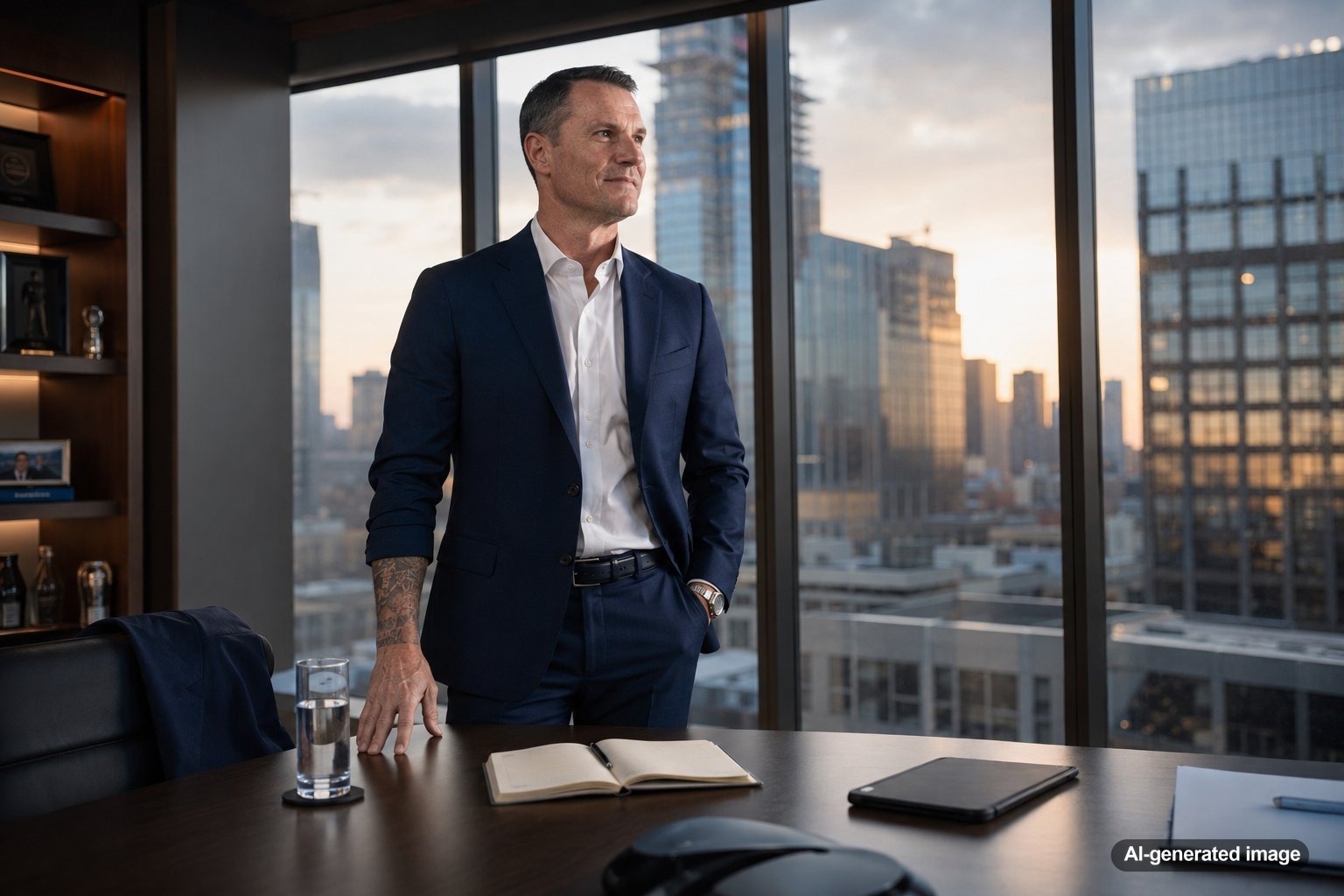
Peak performance is not built by pressing harder every day. For CEOs, founders, and senior leaders, recovery is part of the work that protects judgment, consistency, emotional control, and the ability to lead through pressure. Without it, a leader may still appear productive while decision quality, patience, creativity, and physical capacity quietly decline.
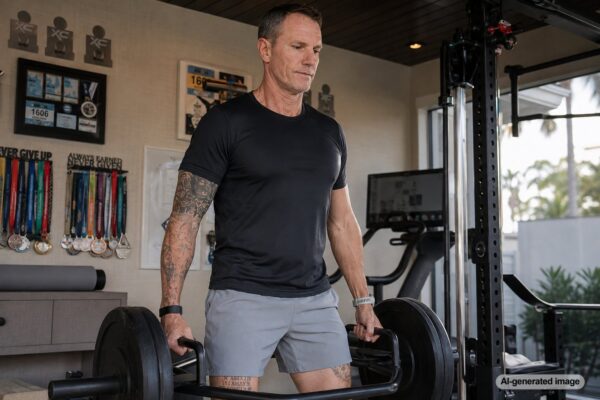
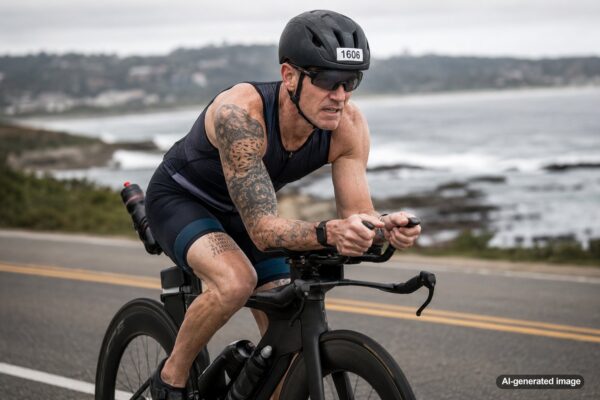
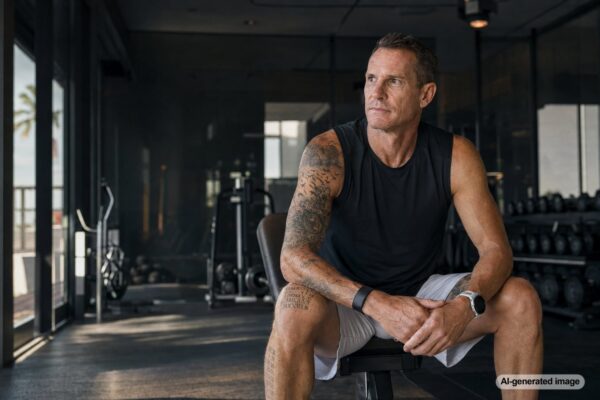
Greg Schaefer’s experience across business leadership, endurance competition, family, adversity, and advocacy reflects a practical truth: sustained performance requires more than discipline. It requires knowing when effort creates adaptation and when additional strain simply creates damage. Leaders interested in that broader message can learn more about Greg’s background and the perspective behind his work.
Quick answer
- Recovery is a performance input, not a reward for finishing the work.
- Executives should monitor decision quality, mood, sleep, energy, and training response, not only calendar output.
- Short recovery practices help, but they cannot fully compensate for chronic overload.
- Different forms of fatigue require different responses.
- The goal is not constant comfort. It is sustainable capacity for the moments that matter most.
Recovery protects the skills CEOs are paid to use
Leadership is often discussed as a test of stamina, but the most valuable executive skills are not simply the ability to remain awake or stay busy. CEOs are paid to recognize patterns, evaluate risk, communicate clearly, regulate emotion, allocate attention, and make decisions with incomplete information.
Those abilities are vulnerable to accumulated fatigue. A leader may continue answering emails and attending meetings while becoming more reactive, less curious, and more likely to rely on familiar assumptions. The visible output remains high, but the quality underneath it starts to erode.
Recovery helps preserve the difference between activity and leadership. It creates the mental space required to challenge an easy answer, notice a weak signal, or respond to a difficult conversation without turning pressure into unnecessary conflict.
Not all fatigue is the same
One of the most useful distinctions for high performers is recognizing that exhaustion is not a single condition. Different types of fatigue create different problems and call for different responses.
Physical fatigue
Physical fatigue may show up as persistent soreness, low energy, disrupted sleep, reduced training quality, or a body that feels unusually heavy. Executives who train seriously can mistake this for a character test and keep adding intensity. In reality, another hard session may reduce rather than build capacity.
Cognitive fatigue
Cognitive fatigue often appears after long periods of analysis, meetings, travel, rapid context switching, and constant decision-making. A person may feel physically capable while struggling to prioritize, think deeply, or absorb new information. More screen time is rarely the best answer.
Emotional fatigue
Emotional fatigue can come from conflict, uncertainty, organizational change, caregiving, public responsibility, or the pressure of carrying information that cannot yet be shared. It may look like irritability, detachment, impatience, or a shrinking ability to listen.
Purpose fatigue
Purpose fatigue develops when a leader has been pushing toward goals that no longer feel connected to a meaningful reason. A weekend away may provide temporary relief, but it will not resolve a deeper disconnect between effort and purpose.
Strong leaders do not treat every form of fatigue with the same solution. They identify what is depleted before deciding what recovery should look like.
Recovery should be designed before it is needed
Many executives wait until they are depleted before making room for recovery. At that point, even simple choices become harder. A more reliable approach is to build recovery into the operating system of the week.
That may include protected sleep windows, meeting-free thinking time, lower-intensity training days, travel buffers, quiet transitions after high-pressure events, and clear limits on when work can enter family time. The specific system will vary, but the principle is consistent: important recovery should not depend entirely on willpower at the end of an exhausting day.
This is similar to endurance preparation. Athletes do not wait until race day to decide whether hydration, pacing, or rest matters. They practice the behaviors that allow performance to hold when conditions become difficult. CEOs benefit from the same level of intentionality.
Short recovery practices help, but they have limits
Brief recovery practices can be valuable. A walk between meetings, ten minutes without a device, a short breathing practice, an early night, or a lighter training session may reduce immediate strain and restore some clarity.
However, small interventions should not become a way to disguise a structurally unsustainable workload. A five-minute reset cannot fully offset months of poor sleep, nonstop travel, unresolved conflict, or a schedule with no margin.
What leaders often miss
Recovery tools work best when they support a healthy operating rhythm. They become less effective when they are used to make chronic overload feel temporarily tolerable.
The harder question is not only, “What helps me recover today?” It is also, “What keeps creating the need for emergency recovery?” That question may reveal unnecessary meetings, weak delegation, unclear priorities, avoidable travel, poor boundaries, or a leadership identity built around being constantly available.
Track capacity, not just output
Executives tend to measure what the organization produces: revenue, pipeline, retention, margin, deadlines, and delivery. Personal performance is often judged less carefully. Leaders may rely on a vague sense of whether they are keeping up.
A better approach is to watch a small set of practical signals over time:
- Decision quality: Are important choices becoming slower, more impulsive, or unnecessarily rigid?
- Emotional range: Is patience shrinking? Are minor problems creating outsized reactions?
- Attention: Can you still perform focused work, or are you living entirely in fragmented response mode?
- Sleep: Is rest consistent enough to support clear thinking and physical recovery?
- Training response: Does exercise leave you stronger over time, or are performance and motivation steadily declining?
- Relationships: Are the people closest to you receiving presence, or only the remainder of your energy?
No single bad day proves that a leader is overloaded. Patterns matter. Repeated deterioration across several areas is a stronger signal than one difficult meeting or one poor night of sleep.
Recovery improves resilience because it preserves optionality
Resilience is often mistaken for the ability to absorb unlimited strain. A more useful definition is the capacity to respond, adapt, and continue moving without losing the qualities that make progress worthwhile.
A depleted leader has fewer options. Every problem feels urgent. Every disagreement feels personal. Every setback demands immediate force. Recovery restores range. It makes it easier to pause, reconsider, delegate, change pace, or choose patience over pressure.
That is especially important in organizations where a CEO’s behavior becomes a signal. When the leader treats exhaustion as proof of commitment, the culture learns to hide fatigue, skip reflection, and celebrate preventable overload. When the leader models disciplined recovery, the team receives permission to protect the capacity required for excellent work.
Peak performance should be timed, not demanded every day
No athlete expects to set a personal record in every training session. Training includes hard efforts, moderate work, technical practice, recovery, and adaptation. Business leaders often ignore this rhythm and expect every day to feel like a championship performance.
Peak performance is most useful when it can be accessed for critical moments: a major negotiation, a difficult board conversation, a product launch, a crisis, a keynote, or a decision that changes the direction of the company.
The goal is not to operate at maximum intensity all the time. It is to arrive at important moments with enough capacity to think clearly, communicate well, and remain grounded under pressure.
Practical recovery principles for CEOs
- Protect sleep before optimizing minor routines. Small performance tactics matter less when basic rest is consistently sacrificed.
- Alternate intensity. Avoid stacking hard training, high-stakes meetings, travel, and late-night work whenever the calendar allows.
- Create transition time. Leave space between demanding roles so stress from one environment does not automatically spill into the next.
- Delegate before exhaustion forces it. Delegation is stronger when it is designed strategically rather than used as an emergency escape.
- Use recovery to restore function. Choose practices based on what is depleted: physical energy, concentration, emotional steadiness, or connection.
- Review the system monthly. Look for recurring sources of overload and remove them rather than repeatedly recovering from them.
Frequently asked questions
Is recovery a sign that a CEO is losing momentum?
No. Well-designed recovery protects momentum by reducing the likelihood of poor decisions, unnecessary conflict, declining health, and inconsistent leadership. It supports the ability to continue performing over a longer horizon.
How much recovery does an executive need?
There is no universal formula. Needs vary based on workload, travel, training, sleep, health, age, family responsibilities, and current stress. The most useful approach is to watch patterns in energy, judgment, mood, sleep, and physical response.
Can exercise count as recovery?
Sometimes. Light movement may support mental and physical recovery, especially after long periods of sitting or concentrated work. Hard training is still stress, even when it is enjoyable. Its effect depends on intensity, timing, and the person’s total load.
What is the difference between rest and recovery?
Rest is the reduction of activity. Recovery is the broader process of restoring capacity. Sleep, nutrition, movement, reflection, meaningful connection, and reduced cognitive load may all contribute to recovery.
How can CEOs encourage healthier recovery across the company?
Leaders can reduce unnecessary urgency, improve delegation, protect focus time, model reasonable boundaries, and evaluate employees by meaningful results rather than visible exhaustion. Culture changes when leadership behavior supports the message.
The bottom line
Recovery does not compete with peak performance. It makes peak performance available. CEOs who treat recovery as part of leadership are better positioned to protect judgment, sustain resilience, and show up with strength when the stakes are highest.
Interested in bringing Greg’s message to your event or organization?
Learn more about Greg’s speaking work or get in touch to start the conversation.
Contact Greg or learn more about the Forward Motion Fund.
This article is for educational purposes only and is not medical advice. For diagnosis, treatment, or personalized medical guidance, please speak with a qualified healthcare professional.