

What Do People With Parkinson’s Struggle With?
People with Parkinson’s can struggle with far more than the symptoms most people notice from the outside. Tremor, stiffness, slowness, and balance changes matter, but many of the hardest parts of Parkinson’s are less visible: fatigue, sleep disruption, anxiety, changes in confidence, medication timing, and the emotional weight of living with uncertainty.
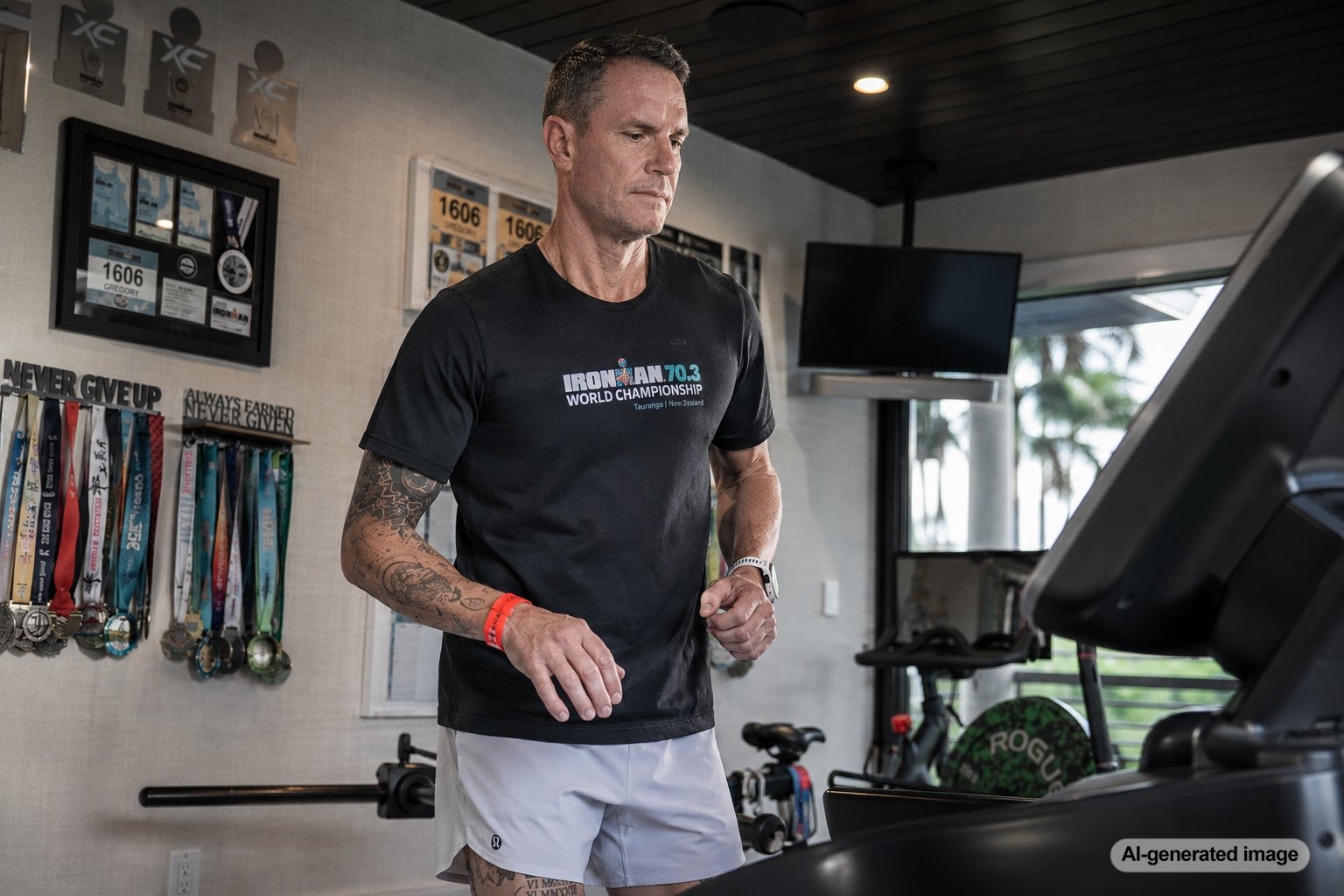
That is part of why Parkinson’s deserves a wider, more human conversation. Greg Schaefer’s story lives at the intersection of family, business, endurance, advocacy, and forward motion. Through his personal story and mission-driven work, he helps people see Parkinson’s not as a simple label, but as a lived reality that affects bodies, routines, relationships, identity, and purpose.
Quick answer: what do people with Parkinson’s struggle with?
- Movement changes: Tremor, stiffness, slower movement, balance issues, walking changes, and coordination challenges can affect daily tasks.
- Non-movement symptoms: Many people also experience fatigue, sleep problems, constipation, pain, mood changes, cognitive changes, speech or swallowing issues, and other symptoms that may not be obvious to others.
- Daily unpredictability: Symptoms can vary by day, stress level, sleep, medication timing, activity, and overall health.
- Emotional and social strain: Parkinson’s can affect confidence, independence, family roles, work life, relationships, and the feeling of being understood.
- The need for support: Medical care, movement, family support, community, and purpose can all matter, but each person’s experience is different.
Parkinson’s is not only a movement disorder in daily life
Parkinson’s is often described through motor symptoms because those are the signs people tend to recognize first. Someone may move more slowly, have a tremor, feel stiff, shuffle when walking, or have trouble with balance. These changes can make everyday life harder in practical ways: buttoning a shirt, carrying coffee, walking through a crowded room, getting out of a chair, typing, shaving, cooking, or moving with confidence in public.
But the daily reality is often more layered than what others can see. Non-motor symptoms can affect sleep, digestion, mood, thinking, pain, energy, speech, swallowing, bladder function, and overall quality of life. For some people, these invisible symptoms are just as disruptive as the movement symptoms, or even more so.
The struggle with unpredictability
One overlooked challenge of Parkinson’s is that it can feel inconsistent. A person may have a stronger day, then a harder day. They may feel more capable in the morning and more limited later. Stress, fatigue, sleep, medication schedule, exercise, and other factors can all influence how the day feels.
This unpredictability can be frustrating because it makes planning harder. A person may want to say yes to a dinner, a business meeting, a workout, a family trip, or a social event, but they may also know that the body does not always cooperate on command. That tension can create a quiet mental load: deciding when to push, when to rest, when to explain, and when to protect energy.
The struggle with being seen clearly
Many people with Parkinson’s do not want to be reduced to their diagnosis. They may still be parents, spouses, leaders, athletes, friends, founders, teammates, volunteers, and people with full lives. At the same time, pretending Parkinson’s is not hard can feel dishonest.
This is a difficult middle ground. People may not want pity, but they may still need patience. They may not want to be treated as fragile, but they may need support. They may be capable of far more than others assume, while still carrying symptoms that require real adaptation.
Common areas where Parkinson’s can affect life
Parkinson’s can show up differently from person to person, but several areas often matter in daily life.
- Movement and coordination: Slowness, stiffness, tremor, reduced arm swing, small handwriting, balance changes, freezing, and difficulty starting movement can affect independence and confidence.
- Energy and fatigue: Fatigue can be hard to explain because it is not the same as ordinary tiredness. It can affect motivation, work, exercise, and social life.
- Sleep: Sleep disruptions can make symptoms harder to manage and can affect both the person with Parkinson’s and their partner or family.
- Mood and mental health: Anxiety, depression, apathy, and emotional changes can be part of Parkinson’s and deserve real attention, not dismissal.
- Thinking and communication: Some people notice changes in focus, memory, processing speed, voice volume, facial expression, or word-finding. This can affect how they are perceived by others.
- Digestive and autonomic symptoms: Constipation, bladder issues, blood pressure changes, sweating changes, and other body-system symptoms can affect daily comfort and planning.
- Identity and confidence: A diagnosis can change how a person sees the future, their body, their independence, and their role in the lives of the people they love.
What people often miss about Parkinson’s
Parkinson’s is not simply a visible symptom list. It can require constant adjustment. There may be a physical struggle, but also a planning struggle, a communication struggle, and an identity struggle.
For someone diagnosed younger, that can be especially complicated. A person may still be raising children, building a business, leading a team, competing, working full time, caring for aging parents, or trying to maintain a demanding schedule. Young-Onset Parkinson’s can collide with a season of life that is already full of responsibility.
That is why conversations about Parkinson’s need to leave room for both strength and difficulty. Someone can be resilient and still need help. Someone can keep training, working, parenting, leading, and showing up while also being honest about the cost. Forward motion is not denial. It is the decision to take the next step with eyes open.
How family, friends, and teams can offer better support
Support often begins with listening without rushing to fix. A person with Parkinson’s may not need a speech, a solution, or a comparison. They may need someone to understand that symptoms can be real even when they are not obvious.
- Ask what helps instead of assuming. Some people want practical help. Others want space, patience, or normal conversation.
- Respect independence. Do not take over every task unless help is wanted or safety is a concern.
- Be patient with pace. Slower movement, speech changes, or pauses do not mean the person is less capable or less engaged.
- Notice the invisible load. Fatigue, anxiety, sleep disruption, and medication timing can shape the day even when the person looks fine.
- Stay connected. Isolation can become its own burden. Consistent friendship and community matter.
Why purpose matters, but does not erase the hard parts
Purpose can be powerful for people facing adversity, but it should never be used to minimize what they are going through. Parkinson’s is not made easier by slogans. It is supported by care, honesty, discipline, research, community, and people willing to stay present.
Greg’s message of One More Step… Just One More is not about pretending the road is easy. It is about choosing motion when life becomes uncertain. Through speaking, endurance, family, business leadership, and the Forward Motion Fund, that message becomes more than motivation. It becomes a way to turn personal adversity into connection, awareness, and impact.
FAQ
Do all people with Parkinson’s have the same symptoms?
No. Parkinson’s can vary widely. Some people have prominent tremor, while others may struggle more with stiffness, slowness, balance, fatigue, sleep, mood, or other non-motor symptoms.
Are non-motor symptoms part of Parkinson’s?
Yes. Parkinson’s can involve many non-motor symptoms, including sleep problems, mood changes, constipation, pain, fatigue, cognitive changes, speech or swallowing challenges, and autonomic symptoms. These symptoms should be discussed with a qualified healthcare professional.
Why do some people with Parkinson’s look fine one day and struggle another day?
Symptoms can fluctuate. Sleep, stress, medication timing, physical activity, illness, and other factors can influence how a person feels and moves from day to day.
What should I avoid saying to someone with Parkinson’s?
Avoid comments that minimize the experience, such as assuming they are fine because they look fine, or framing their life only as inspiration. Better support starts with respect, curiosity, patience, and asking what would actually help.
Can people with Parkinson’s still lead active, meaningful lives?
Many do, though every situation is different. With medical care, support, adaptation, movement when appropriate, and community, many people continue to work, lead, create, compete, serve, and stay deeply engaged in life.
Interested in bringing Greg’s message to your event or organization?
Learn more about Greg’s speaking work or get in touch to start the conversation.
Contact Greg or learn more about the Forward Motion Fund.
This article is for educational purposes only and is not medical advice. For diagnosis, treatment, or personalized medical guidance, please speak with a qualified healthcare professional.


