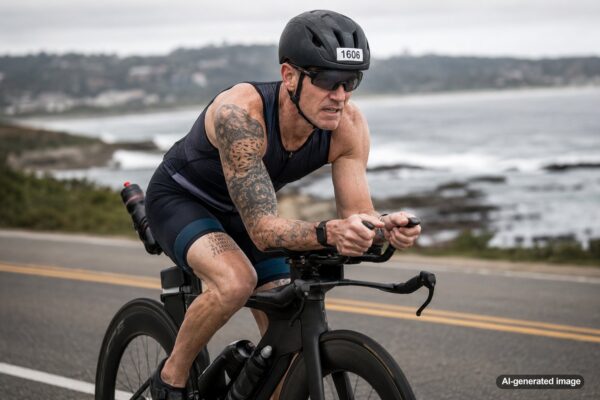

What Endurance Racing Reveals About Character
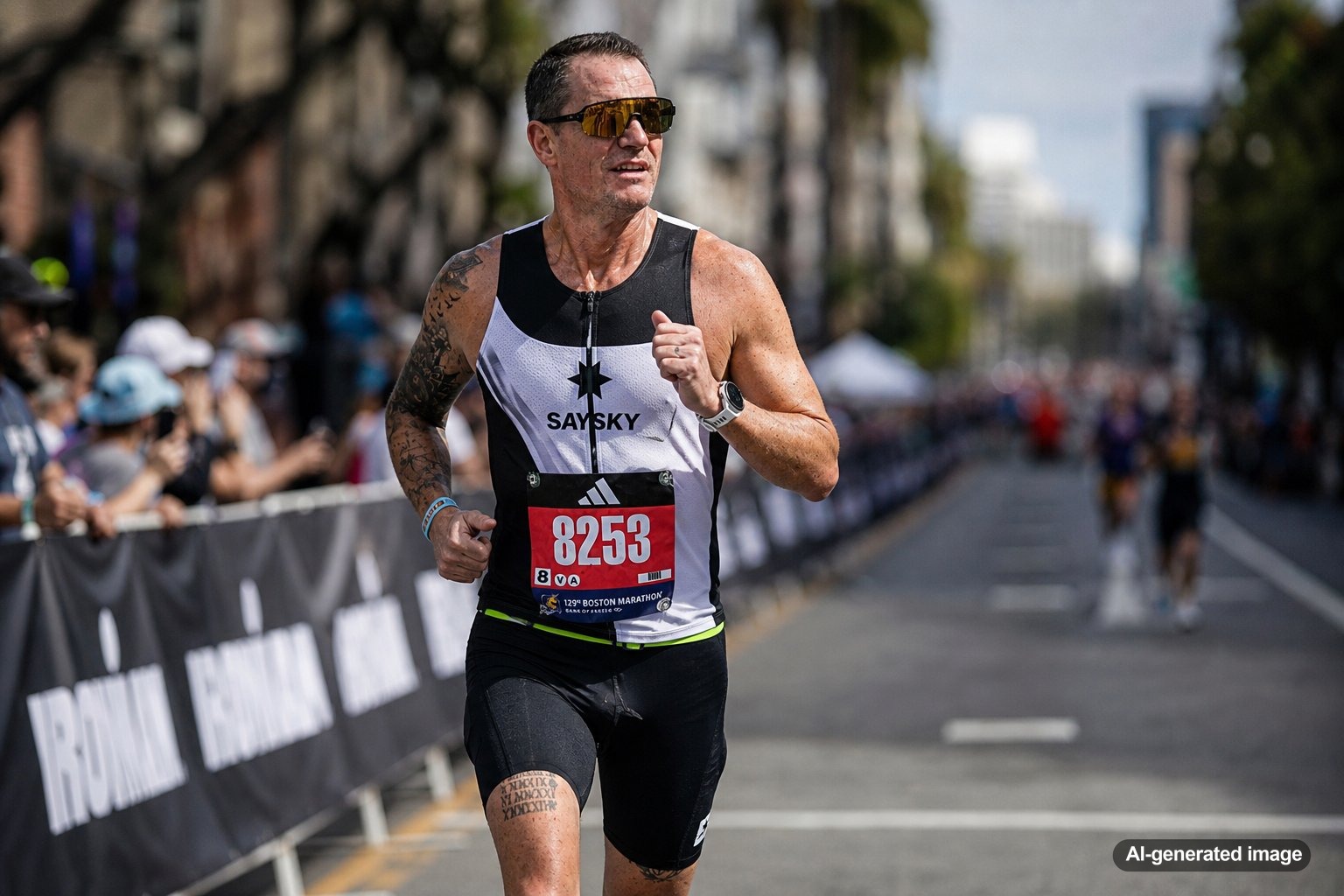
Endurance racing has a way of stripping away performance theater. At the start line, an athlete can look prepared, confident, and composed. Hours later, when the body is tired, the plan has been tested, and comfort is nowhere in sight, something more honest begins to show.
Character in endurance racing is not revealed by speed alone. It shows up in patience, discipline, humility, self-control, and the willingness to keep making the next right decision when the easy decision would be to stop caring. For Greg Schaefer, a 19-time Ironman, entrepreneur, speaker, husband, father, and Parkinson’s advocate, endurance has never been just about finish lines. It has been a classroom for leadership, resilience, identity, and forward motion. You can learn more about Greg’s broader story on his About Greg page.
Quick answer: what does endurance racing reveal about character?
- Preparation matters, but adaptability matters more. No race goes exactly as planned.
- Patience is a competitive advantage. Going too hard too early often exposes ego, not strength.
- Humility becomes unavoidable. Distance has a way of reminding every athlete that control is limited.
- Resilience is built in small choices. The race is often decided by what an athlete does after the first hard moment.
- Character is revealed when no one can do the work for you. Support matters deeply, but the next step still has to be taken personally.
Endurance racing exposes the difference between image and substance
Many people admire endurance athletes because the events look extreme from the outside. Long swims, long rides, long runs, early mornings, fatigue, weather, nutrition problems, and mental pressure all create a visible test. But the deeper test is less dramatic. It is not only about whether someone can suffer. It is about how they respond when things become inconvenient, uncertain, or uncomfortable.
A race can reveal whether an athlete has built habits or only confidence. Confidence is useful, but habits are what remain when confidence fades. The athlete who has trained with consistency, respected recovery, practiced fueling, listened to coaching, and prepared for setbacks has something to return to when the day gets messy.
That is true in business, family, advocacy, and leadership as well. People often discover who they are not in the easiest season, but in the season that asks them to keep showing up without applause. Endurance racing makes that pattern visible.
Patience can reveal more strength than aggression
One of the most overlooked character lessons in endurance racing is patience. The early miles can reward excitement, but the later miles reward judgment. Starting too fast may feel powerful, but it can become a costly decision when the body needs steady effort hours later.
That is why endurance racing is not just a physical test. It is a test of emotional regulation. Can an athlete stay calm when others surge ahead? Can they trust the long plan instead of chasing a short burst of validation? Can they make disciplined choices before the consequences are obvious?
In leadership, the same pattern appears when a founder, executive, or team has to choose between a flashy shortcut and a durable strategy. In family life, it appears when love requires consistency rather than grand gestures. In advocacy, it appears when meaningful change takes longer than anyone wants. Patience is not passive. In endurance, patience is active discipline.
Adversity reveals whether purpose is real
Every endurance athlete eventually meets a moment when the original motivation is not enough. The playlist does not matter. The crowd may be quiet. The pace may be slower than expected. The body may feel heavy. In that moment, purpose becomes more than a slogan.
Purpose is what helps an athlete answer a simple question: why continue with integrity when this is harder than I expected? The answer may be family. It may be a promise. It may be a mission. It may be a private standard. For Greg, the phrase One More Step… Just One More reflects that kind of purpose. It is not about pretending hardship is easy. It is about narrowing the focus when the full road feels too large.
This is also where endurance racing connects naturally to Greg’s work as a speaker. The lesson is not that everyone needs to complete an Ironman. The lesson is that every person, team, and organization will face moments when the old plan breaks down. Character shows up in the next choice. Learn more about Greg’s keynote and event work on the Speaking page.
What endurance teaches about humility
Endurance racing rewards preparation, but it does not guarantee comfort. Weather can change. Equipment can fail. Nutrition can go wrong. The mind can turn noisy. A strong athlete can still have a difficult day. A difficult day does not always mean poor preparation. Sometimes it means the race is asking for humility.
Humility in endurance sports is not weakness. It is the ability to stay teachable. It is the athlete who can adjust pace instead of denying reality. It is the leader who can listen when the data changes. It is the parent who can admit they are tired and still remain present. It is the advocate who can keep serving the mission without pretending to have every answer.
Distance has a way of removing the illusion of total control. That can be uncomfortable, but it can also be clarifying. When control is limited, character becomes visible through response.
What people often miss about mental toughness
Mental toughness is not just pushing harder
In endurance racing, mental toughness is often misunderstood as the ability to ignore pain or force progress at all costs. A more useful version is wiser than that. Mental toughness includes patience, self-awareness, pacing, problem-solving, and the ability to keep moving without turning one difficult moment into the whole story.
The toughest athlete is not always the loudest or most aggressive. Sometimes it is the person who quietly solves the problem in front of them. They slow down before they break. They eat when they do not feel like eating. They accept a hard mile without deciding the whole race is ruined. They stay respectful to volunteers, family, and other athletes even when they are uncomfortable.
That kind of toughness transfers beyond sport. Teams need it when a quarter turns difficult. Families need it during uncertainty. People living through personal adversity need it when progress is uneven. Mental toughness is not the absence of emotion. It is the ability to keep choosing with care while emotion is present.
Endurance racing and the character of support
No athlete finishes a long journey entirely alone. Coaches, family members, training partners, volunteers, medical teams, race crews, and communities all matter. Endurance racing reveals individual character, but it also reveals the character of a support system.
A finish line can look individual, yet it often carries the invisible work of many people. That matters in Greg’s world because his platform is not limited to racing. It includes family, leadership, Parkinson’s advocacy, challenged athletes, caregiver support, youth and education initiatives, and mission-aligned impact through the Forward Motion Fund.
The lesson is simple but easy to forget: strength is not always solitary. Sometimes character means accepting help with gratitude. Sometimes it means offering help without needing attention. Sometimes it means moving forward together.
Practical takeaways from endurance racing
- Build before you need it. Habits, relationships, and standards are easier to rely on when they have been practiced before pressure arrives.
- Respect the long game. A strong start matters less if it costs the finish. Sustainability is part of strength.
- Solve the next problem. Endurance rewards people who focus on the next useful action instead of spiraling over the whole distance.
- Let hard moments teach you without defining you. A difficult mile is real, but it is not the entire race.
- Remember who your effort serves. Purpose gives discipline a deeper reason to endure.
FAQ
Does endurance racing build character or reveal it?
It can do both. Training builds habits such as consistency, patience, and discipline. Race day reveals how deeply those habits have taken root when conditions are difficult.
Is endurance racing only about physical toughness?
No. Physical preparation matters, but endurance racing also tests judgment, emotional control, adaptability, humility, and the ability to keep making wise decisions under pressure.
Do you have to be an endurance athlete to learn from endurance racing?
No. The lessons apply far beyond sport. Leaders, teams, families, advocates, and anyone facing a long challenge can learn from the way endurance athletes prepare, adapt, and keep moving forward.
What is the biggest character lesson from endurance racing?
One of the biggest lessons is that progress is often built one decision at a time. When the full distance feels overwhelming, the next honest step still matters.
Interested in bringing Greg’s message to your event or organization?
Learn more about Greg’s speaking work or get in touch to start the conversation.
Contact Greg or learn more about the Forward Motion Fund.
This article is for educational purposes only and is not medical advice. For diagnosis, treatment, or personalized medical guidance, please speak with a qualified healthcare professional.