
What Forward Motion Really Means in Real Life
Forward motion sounds simple until life gives you a reason to stop. It is easy to talk about progress when the road is clear, the body feels strong, the business is steady, the family is healthy, and the future looks mostly predictable. Real forward motion begins when those conditions change, and the next step is no longer obvious.
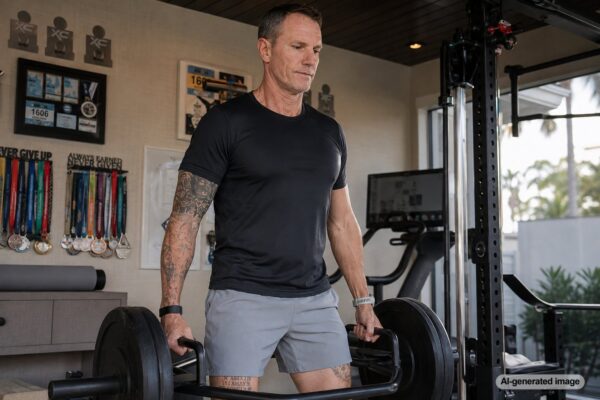
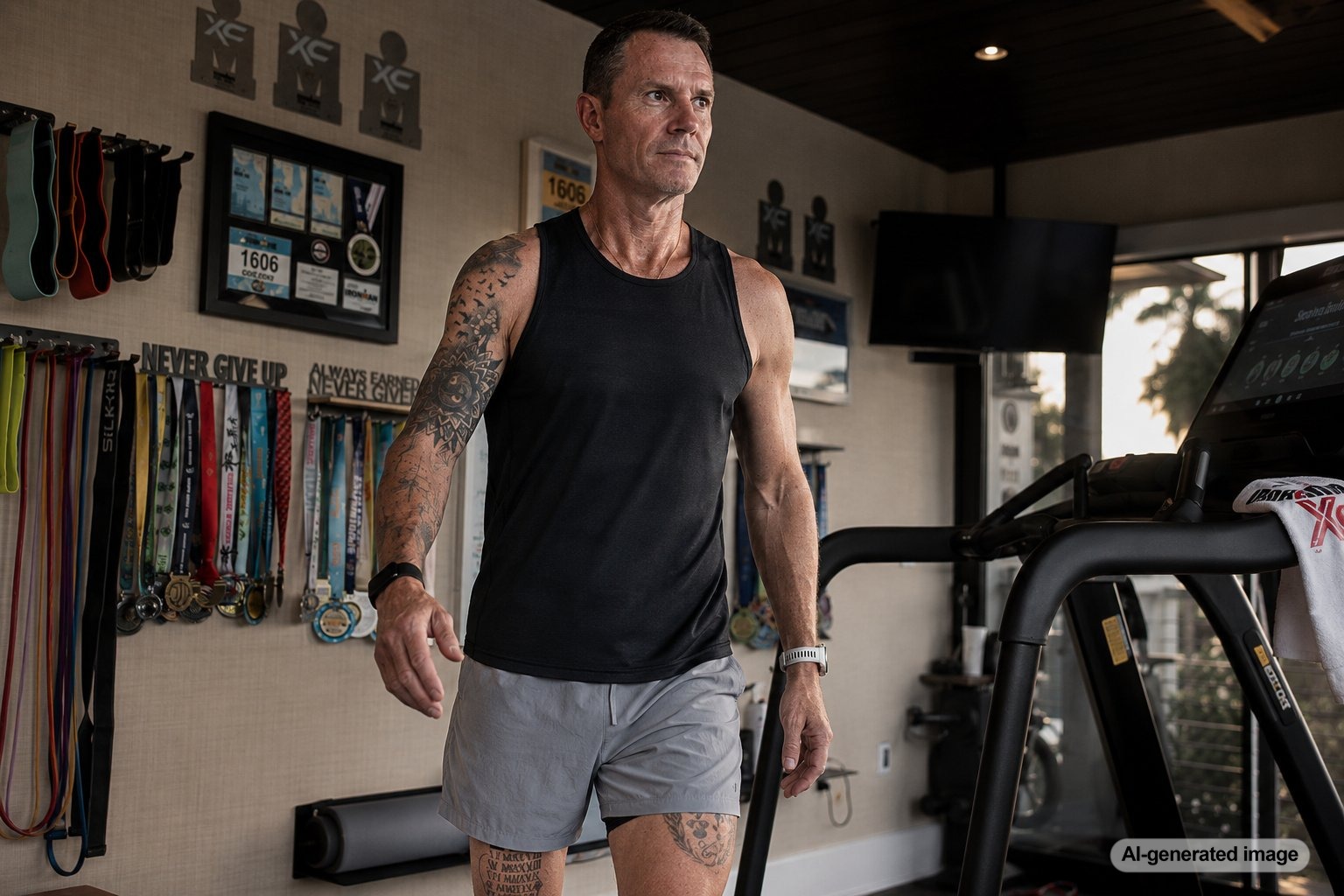
For Greg Schaefer, forward motion is not a slogan built around constant winning. It is a lived way of responding to uncertainty, pain, responsibility, family, business, endurance, diagnosis, purpose, and the daily decision to keep showing up. It is the idea behind his work as a speaker, advocate, athlete, husband, dad, and founder of the Forward Motion Fund.
Quick answer: what does forward motion really mean?
- It means taking the next honest step, even when the whole path is not clear.
- It does not require pretending everything is fine.
- It is built through small decisions, not one dramatic comeback moment.
- It applies to leadership, family, health, training, advocacy, and everyday life.
- It is less about speed and more about refusing to become stuck in place.
Forward motion is not the same as pretending to be positive
One of the most misunderstood parts of resilience is the pressure to sound upbeat. People often think moving forward means staying cheerful, hiding fear, or proving strength at all times. That version is not realistic, and it is not especially useful.
Real forward motion leaves room for hard days. It allows for disappointment, uncertainty, frustration, grief, and fatigue. It does not ask a person to deny what hurts. Instead, it asks a better question: what is the next step I can take without lying to myself about where I am?
That distinction matters. False positivity can become a performance. Forward motion is quieter and stronger. It may look like making one phone call, getting back to a routine, having a difficult conversation, going to the appointment, asking for help, showing up for your family, or returning to the start line when you are not sure how it will feel.
Forward motion is often smaller than people expect
From the outside, people tend to notice the visible milestones: the race finish, the keynote stage, the business achievement, the public mission, the major pivot after adversity. Those moments matter, but they are rarely where forward motion begins.
It usually starts in the smaller, less photographed places. Getting out the door. Choosing discipline when motivation is gone. Rebuilding confidence after a setback. Staying present for the people who depend on you. Taking care of the work in front of you even when the future feels different than it used to.
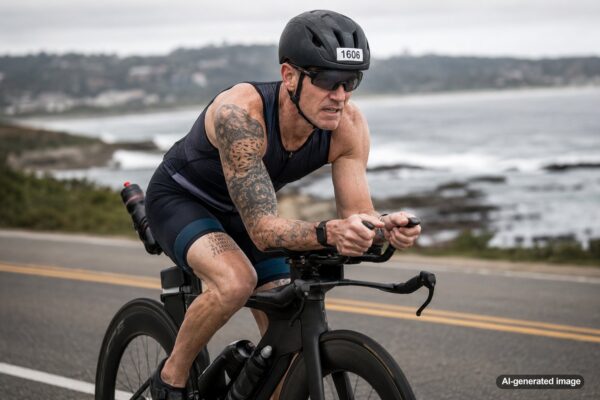
For an endurance athlete, that might mean one more mile. For a business leader, it might mean making the hard decision with integrity. For a parent, it might mean staying emotionally available while carrying private stress. For someone facing a diagnosis or major life change, it might mean learning how to live inside a new reality without letting that reality define the whole story.
Forward motion is a leadership principle
In business and team environments, forward motion is not about rushing. It is about refusing to let uncertainty create paralysis. Strong leaders do not always have complete certainty, but they can create clarity around the next responsible move.
That may mean narrowing the focus, communicating honestly, protecting the team from panic, or making progress while the long-term answer is still developing. Teams often learn from what a leader does when conditions are uncomfortable. Do they blame, freeze, posture, or avoid? Or do they name the truth, gather the right people, and take the next useful step?
This is one reason Greg’s message connects beyond athletics or Parkinson’s advocacy. Forward motion belongs in boardrooms, locker rooms, family rooms, and recovery rooms. It is a practical mindset for anyone responsible for moving people, ideas, organizations, or missions through difficult terrain. Organizations interested in that kind of grounded message can learn more about Greg’s work on the Speaking page.
Forward motion does not mean doing it alone
A common mistake is assuming resilience has to be solitary. In real life, the strongest people are often the ones willing to build a support system and let others matter. Forward motion is not isolation dressed up as toughness.
Support can come from family, friends, coaches, clinicians, teammates, colleagues, caregivers, mentors, faith communities, training partners, and mission-aligned organizations. Sometimes the next step is not pushing harder. Sometimes it is accepting help, changing the plan, letting someone else carry part of the weight, or admitting that the old way of operating no longer fits the moment.
That does not make forward motion weaker. It makes it more honest. A person can be strong and supported at the same time.
Forward motion turns pain into purpose without romanticizing it
There is a careful line here. Hardship does not automatically make someone better. Pain is not beautiful simply because it can teach something. A diagnosis, loss, setback, or season of uncertainty should never be reduced to a neat motivational lesson.
At the same time, people can choose to make meaning from what they have been handed. They can decide that their experience will not only close doors, but also open a deeper responsibility to serve, speak, encourage, fund, mentor, or stand beside others.
That is where forward motion becomes mission-driven. It moves from personal survival to shared impact. Greg’s work through the Forward Motion Fund reflects that larger idea: keep moving, and help others keep moving too.
What forward motion can look like in real life
Forward motion is not one-size-fits-all. It changes shape depending on the season. Here are a few examples that make the idea more concrete:
- In family life: Being present at the dinner table, the game, the appointment, or the hard conversation, even when your mind is carrying a lot.
- In endurance sports: Respecting the training, adjusting when needed, and returning to the work without needing every session to be perfect.
- In leadership: Naming reality clearly, making the next right decision, and keeping values intact when pressure rises.
- In health challenges: Building routines, seeking qualified guidance, and refusing to let one part of life erase the rest of your identity.
- In mission work: Turning personal experience into service, awareness, connection, and practical support for others.
The “one more step” mindset
The phrase “One More Step… Just One More” works because it is not asking someone to solve everything at once. It lowers the burden from the entire mountain to the next piece of ground.
That is not a small idea. When life becomes overwhelming, the full picture can feel too heavy. One more step creates movement without demanding certainty. It gives a person permission to act before they feel fully ready.
In real life, that may be enough to restart momentum. One more step can become one more day of training, one more honest conversation, one more act of service, one more chance to lead with courage, or one more reason to believe the story is still being written.
FAQ
Is forward motion just another way of saying resilience?
Forward motion includes resilience, but it is more action-oriented. Resilience is often about the capacity to withstand difficulty. Forward motion is about what you choose to do next, even when the difficulty is still present.
Does forward motion mean never slowing down?
No. Sometimes slowing down is the responsible next step. Rest, reflection, medical care, family time, and recalibration can all be part of moving forward. The point is not constant speed. The point is intentional direction.
Can forward motion apply outside of sports?
Yes. Endurance sports make the idea visible, but forward motion applies to leadership, parenting, entrepreneurship, advocacy, relationships, health challenges, and personal growth.
How can an organization use this idea?
Organizations can use forward motion as a practical framework for navigating uncertainty, building trust, and helping teams keep taking meaningful action when conditions are difficult. It is especially relevant for leadership events, team retreats, conferences, and mission-driven groups.
The bottom line
Forward motion is not about having a perfect attitude or a clean path. It is about staying engaged with life when life becomes complicated. It is one more step, taken honestly. One more choice to lead, love, train, serve, speak, build, and keep going.
Interested in bringing Greg’s message to your event or organization?
Learn more about Greg’s speaking work or get in touch to start the conversation.
Contact Greg or learn more about the Forward Motion Fund.
This article is for educational purposes only and is not medical advice. For diagnosis, treatment, or personalized medical guidance, please speak with a qualified healthcare professional.