

What Happens in an Ironman Competition?
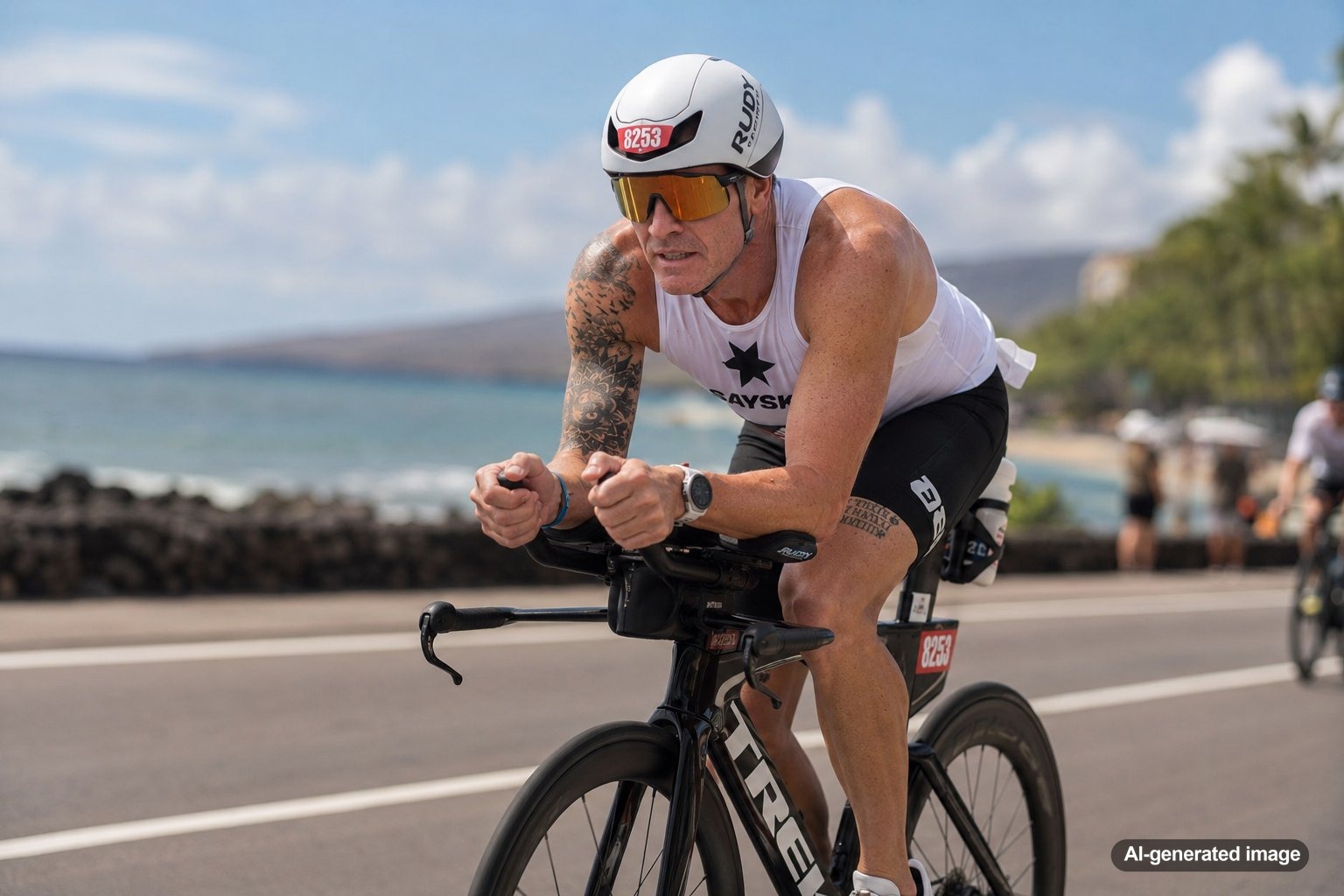
An Ironman competition is not just a long race. It is a full-day test of preparation, pacing, problem solving, patience, and the ability to keep making the next good decision when the body and mind are under pressure. The event combines three disciplines in order: a swim, a bike ride, and a marathon run, with two transition areas connecting them.
For someone watching from the outside, Ironman can look like a simple endurance checklist: swim, bike, run, finish. From the inside, it is much more layered. Athletes manage nutrition, equipment, weather, nerves, course rules, fatigue, and the emotional swings that come with hours of forward motion. That is one reason Ironman has become such a powerful metaphor in Greg Schaefer’s world: it rewards discipline, humility, resilience, and one more step.
Greg’s story as a dad, husband, CEO, 20-time Ironman, speaker, and Parkinson’s advocate lives at the intersection of endurance and real life. You can learn more about his broader journey on the About Greg page.
Quick answer: what happens in an Ironman?
- Athletes complete three legs: a 2.4-mile swim, a 112-mile bike ride, and a 26.2-mile run.
- The race happens in order: swim first, then bike, then run, with transitions between each discipline.
- The clock keeps running: transition time counts as part of the total race time.
- Success depends on pacing: the strongest athletes are not just fast. They are patient, strategic, and consistent.
- The finish is emotional: reaching the line often reflects years of training, sacrifice, support, and personal meaning.
The race begins before the starting horn
By race morning, most of the real work has already happened. Athletes have spent months building endurance, dialing in nutrition, testing gear, practicing open-water swimming, learning how their body handles heat, and getting comfortable with long days of effort. Ironman is not the kind of event where someone can fake preparation.
Before the start, athletes usually check their transition bags, make sure their bike is ready, review nutrition, put on a wetsuit if allowed, and manage the nerves that come with standing near the water before a very long day. The atmosphere can be electric, but it can also be quiet and personal. Some athletes are chasing a goal time. Some are racing for a cause. Some are proving something to themselves after a hard chapter in life.
Stage 1: the swim
The first leg is a 2.4-mile swim, often in open water. Depending on the race location, that may mean an ocean, lake, river, or protected bay. The swim can be one of the most intimidating parts of the day because it places athletes in a crowded, unpredictable environment right from the start.
Unlike pool swimming, open-water racing includes sighting buoys, navigating currents or chop, managing contact with other swimmers, and staying calm when adrenaline is high. The best swimmers do not just move well through the water. They control their breathing, protect their rhythm, and avoid burning too much energy too early.
For many athletes, the swim is about settling into the day. It is the first reminder that panic wastes energy and patience protects it.
Transition 1: from swim to bike
After the swim, athletes enter the first transition, often called T1. They leave the water, move through the transition area, change out of swim gear, put on bike gear, grab nutrition, and get to the bike course. In a shorter race, transition might feel like a sprint. In an Ironman, it is more like a controlled reset.
Every minute counts, but rushing can create mistakes. A forgotten helmet, missed nutrition, wrong gear choice, or sloppy decision can affect the next 112 miles. Experienced athletes treat transition as part of the race plan, not a break from the race.
Stage 2: the bike
The bike leg is 112 miles, which makes it the longest portion of the competition by distance and often the most important part of the day strategically. This is where patience matters. Athletes who ride too aggressively can pay for it later during the marathon.
The bike is also where nutrition becomes central. Athletes typically take in fluids, electrolytes, and calories while riding because the body cannot wait until the run to refuel. The goal is not to feel perfect. The goal is to stay steady enough to keep moving well for the hours ahead.
Course conditions can change everything. Wind, hills, heat, rain, road surface, and crowding all affect pacing. A smart bike leg is not just about power. It is about discipline. It asks the athlete to resist the temptation to chase every person who passes and instead protect the run that is still waiting.
Transition 2: from bike to run
The second transition, T2, is where the race changes emotionally. The athlete racks the bike, changes into running gear, collects what is needed for the marathon, and heads out on foot. After 2.4 miles of swimming and 112 miles of riding, the body has already done a full day’s work. Now the athlete begins a marathon.
This moment can feel strange. The legs may feel heavy, stiff, or disconnected at first. Athletes often need a few miles to find a rhythm. T2 is also a mental line in the race. The equipment-heavy part of the day is mostly over. From here, it becomes simpler and harder at the same time: keep moving forward.
Stage 3: the marathon
The final leg is a 26.2-mile run. This is where Ironman becomes less about raw fitness alone and more about execution, patience, and emotional control. The marathon exposes earlier decisions. If the swim was too frantic or the bike was too aggressive, the run usually reveals it.
Athletes often break the marathon into smaller pieces. Aid station to aid station. Mile to mile. Step to step. That mindset matters because thinking about the full distance can become overwhelming late in the day. The finish line may be miles away, but the next decision is always close: drink, eat, breathe, adjust pace, keep going.
That is why the phrase One More Step… Just One More carries weight beyond sport. In endurance racing and in life, forward motion is often built one manageable piece at a time.
What spectators may not notice
Ironman looks dramatic from the outside, but many of the hardest parts are quiet. A spectator may see an athlete smiling through an aid station without knowing that the last ten minutes were a private negotiation to keep going. They may see a strong bike split without seeing the months of early mornings behind it. They may see the finish line without seeing the family, friends, coaches, caregivers, and supporters who helped make it possible.
Several overlooked parts of the race include:
- Nutrition discipline: athletes have to fuel before they feel empty.
- Pacing restraint: going too hard early can damage the entire day.
- Problem solving: goggles fog, weather changes, stomachs turn, gear fails, and plans need adjusting.
- Emotional swings: confidence and doubt can trade places many times before the finish.
- Support systems: family, friends, training partners, volunteers, and communities often carry more of the story than the race clock shows.
Why Ironman is more than a finish time
Every Ironman has official results, but the meaning of the race is not limited to numbers. For some athletes, the victory is getting to the start line. For others, it is staying calm in open water, riding with discipline, walking when needed without quitting, or crossing the finish after a season that tested them far beyond training.
For Greg Schaefer, Ironman is part of a larger life language. It connects business leadership, family, adversity, discipline, advocacy, and the decision to keep moving after a Parkinson’s diagnosis. The race is demanding, but its lessons are transferable: prepare well, control what you can, adapt when plans change, respect the distance, and keep choosing forward motion.
That message also sits at the heart of the Forward Motion Fund, which supports mission-aligned work connected to Parkinson’s research, caregiver and partner support, challenged athletes, and youth and education initiatives.
Common questions about Ironman competitions
How long does an Ironman take?
Finishing times vary widely based on the athlete, course, conditions, and race-day execution. Elite athletes may finish much faster than age-group competitors, while many participants are focused less on time and more on completing the full distance within the event limits.
Do athletes stop between the swim, bike, and run?
They go through transition areas, but the race clock keeps running. Athletes may change gear, collect nutrition, use restrooms, or take a moment to reset, but transition time is included in the final result.
Is the marathon the hardest part?
For many athletes, yes, because it comes after the swim and bike. The run is where pacing, nutrition, heat management, and mental strength come together. Still, each athlete experiences the race differently. Some struggle most with the swim, others with the bike, and others with the final miles of the run.
Can someone do an Ironman without being a lifelong athlete?
Many athletes come to Ironman from different backgrounds, but the event requires serious preparation, medical judgment, training consistency, and respect for the distance. Anyone considering endurance events should build gradually and seek qualified guidance when appropriate.
Why do people do Ironman competitions?
Reasons vary. Some athletes want a physical challenge. Some are drawn to the structure and discipline. Some race for a cause, a loved one, a comeback, or a personal milestone. The distance is hard enough that the reason usually has to matter.
The bottom line
An Ironman competition is a swim, bike, and marathon run. But what happens across the day is much bigger than the race format. Athletes manage fear, fatigue, fueling, strategy, setbacks, and the constant choice to continue. The finish line matters because of everything it asks from the person trying to reach it.
Interested in bringing Greg’s message to your event or organization?
Learn more about Greg’s speaking work or get in touch to start the conversation.
Contact Greg or learn more about the Forward Motion Fund.
This article is for educational purposes only and is not medical advice. For diagnosis, treatment, or personalized medical guidance, please speak with a qualified healthcare professional.


