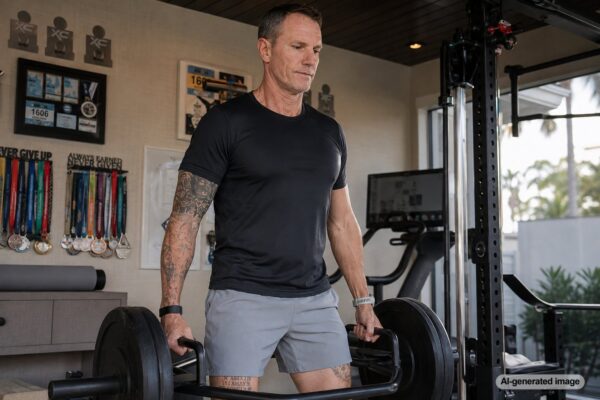
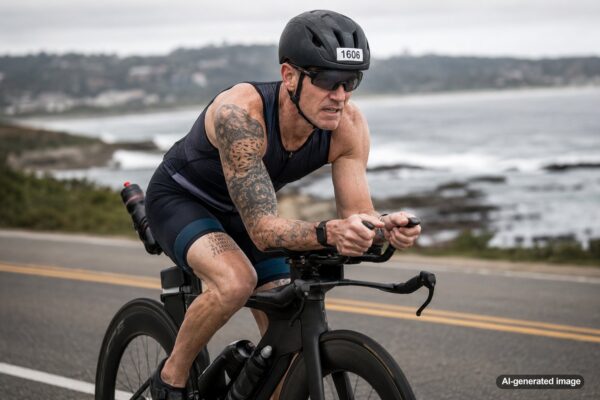
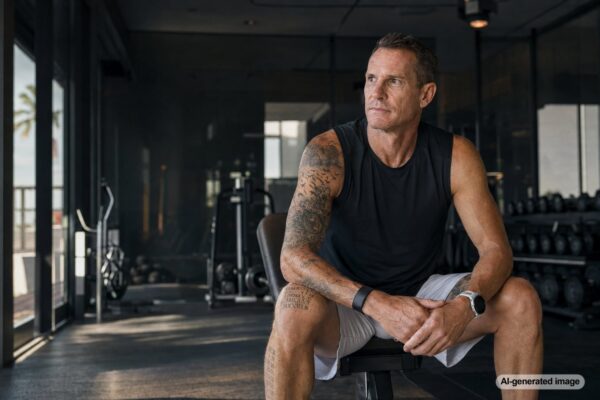
What is Biohacking, and What Actually Matters for Athletes Over 50?
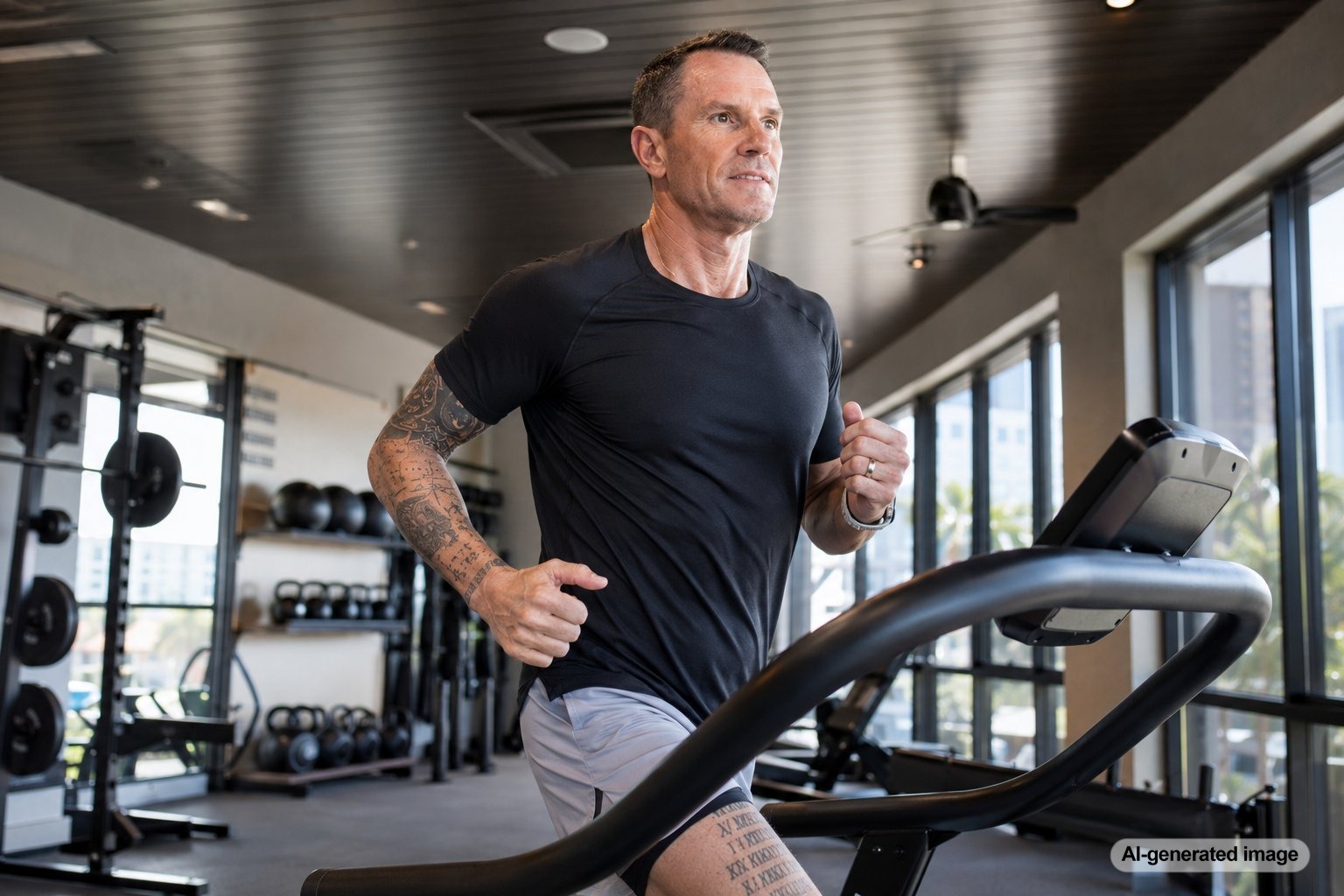
Biohacking can sound like something reserved for tech executives, elite labs, or people chasing extreme shortcuts. At its best, though, biohacking simply means paying closer attention to the inputs that shape performance, recovery, energy, and long-term health. For athletes over 50, the question is not how many gadgets, supplements, or protocols you can stack. The better question is: what actually helps you keep moving well, training wisely, and showing up with purpose?
That distinction matters. Athletes over 50 often have more discipline than they did in their 20s, but they also have less margin for sloppy recovery, poor sleep, inconsistent strength work, and ego-driven training decisions. Greg Schaefer’s world sits at that intersection of endurance, resilience, leadership, and forward motion. The goal is not to hack your way around aging. The goal is to build a smarter operating system for the next chapter.
Quick answer: what is biohacking?
- Biohacking is the practice of adjusting habits, routines, environment, nutrition, training, and recovery based on feedback from your body and, sometimes, data.
- For athletes over 50, the most valuable “biohacks” are usually not exotic. They are consistent sleep, strength training, mobility, protein quality, hydration, recovery spacing, and honest workload management.
- Wearables can be useful, but they should support judgment, not replace it.
- Advanced tools like cold plunges, red light, supplements, and recovery devices may have a place, but they should not distract from the basics.
- The real win is not chasing every trend. It is staying capable, consistent, and engaged in the life you want to live.
Biohacking is not magic. It is feedback plus behavior.
The word “biohacking” gets stretched to cover almost everything: sleep trackers, fasting, supplements, ice baths, breathing drills, heart rate variability, glucose monitors, sauna use, peptide talk, morning light, and more. Some of those tools may be useful in the right context. Some are overhyped. Some may not be appropriate for every person.
A grounded definition is simpler: biohacking is the process of observing how your body responds, making a thoughtful adjustment, and tracking whether that change actually helps. That could mean noticing that late alcohol disrupts sleep, that back-to-back hard training days increase joint irritation, or that skipping strength work makes endurance training feel harder over time.
The most useful version of biohacking is not about control for its own sake. It is about awareness. It asks: What gives me better energy? What helps me recover? What patterns make me more durable? What am I ignoring because I want to believe I can still train exactly the way I did years ago?
What matters most for athletes over 50
For athletes over 50, the fundamentals carry more weight than the novelty. The body can still adapt, grow stronger, and perform at a high level, but the signal has to be clearer. Random effort produces random results. Smart consistency produces capacity.
1. Strength is not optional
Endurance-minded athletes sometimes treat strength training as extra credit. After 50, it belongs closer to the center of the plan. Strength supports power, joint integrity, posture, balance, connective tissue resilience, and the ability to keep doing the sports that matter to you.
This does not mean every athlete needs to chase maximal lifts. It means the body needs regular exposure to resistance, loaded movement, and controlled force. Squats, hinges, presses, pulls, carries, step-ups, single-leg work, and core stability all help build a chassis that can handle mileage, racing, travel, family demands, and daily life.
2. Recovery has to be trained, not guessed
At 25, many athletes can get away with poor sleep, inconsistent food, high stress, and another hard session anyway. Over 50, the bill tends to come due faster. Recovery is not weakness. It is the process that allows training to become adaptation.
Useful recovery starts with basics: enough sleep, enough food, enough hydration, enough spacing between hard sessions, and enough humility to adjust when the body is sending a clear message. A cold plunge or compression boots may feel productive, but they cannot compensate for a week of under-sleeping and overreaching.
3. Sleep is a performance tool
Sleep is one of the least glamorous performance tools and one of the most important. It influences energy, reaction time, mood, appetite, tissue repair, immune function, decision-making, and motivation. For an athlete over 50, a sleep problem is rarely just a sleep problem. It can show up as slower recovery, heavier legs, reduced patience, and more inconsistent training.
A practical biohacking approach to sleep is not complicated: protect a consistent bedtime window, reduce late stimulants, manage evening screens and light, cool the room when possible, and notice which behaviors reliably worsen the next morning. Data can help, but your lived experience matters too. If the device says you recovered well but your body feels flat, pay attention.
4. Nutrition should support muscle, energy, and consistency
Nutrition trends can get loud. Athletes over 50 benefit from tuning out extremes and asking a simpler question: does this way of eating support training, recovery, lean tissue, energy, and long-term health?
Protein quality and distribution matter because muscle maintenance becomes increasingly important with age. Carbohydrates still have a role for many endurance athletes, especially around harder sessions. Healthy fats, micronutrient-rich foods, and adequate total calories matter too. The goal is not to win a purity contest. The goal is to fuel a body that is still being asked to perform.
5. Mobility and tissue care are part of durability
Mobility work is often ignored until something hurts. A better approach is to treat it like maintenance. Hips, ankles, thoracic spine, shoulders, feet, and calves all influence how efficiently an athlete moves. Small restrictions can become bigger problems when repeated thousands of times in running, cycling, swimming, lifting, or daily movement.
This does not require an hour of stretching every day. It may mean 8 to 12 focused minutes before training, a short evening routine, regular soft tissue work, or mobility drills tied to the movements you actually need. The best routine is not the most impressive one. It is the one you will do consistently.
Where gadgets and data can help
Wearables, heart rate monitors, sleep trackers, GPS watches, and recovery scores can be useful because they reveal patterns that are easy to miss. Resting heart rate may climb during illness or accumulated stress. Heart rate variability may trend down during overload. Sleep data may confirm that a routine is not working as well as you thought.
The mistake is treating data as a verdict. Most consumer devices estimate, interpret, and simplify complex physiology. They can be helpful directional tools, but they are not the same as medical testing, coaching judgment, or body awareness. A number can invite a better question. It should not automatically make the decision for you.
A strong athlete learns to combine three signals: the data, the plan, and the felt experience. If all three point in the same direction, the choice is usually clear. If they disagree, slow down and investigate. That kind of discipline is not less tough. It is more mature.
What people often get wrong about biohacking after 50
- They chase novelty before consistency. A new device will not fix an inconsistent sleep schedule, poor training structure, or under-fueled workouts.
- They confuse soreness with progress. Some discomfort is part of training, but constant soreness can mean the body is not adapting well.
- They copy younger athletes. The right plan should reflect age, training history, injury history, life stress, and goals.
- They outsource all judgment to data. Numbers are helpful, but they are not wisdom by themselves.
- They ignore the emotional side of performance. Identity, purpose, stress, family, and mission all shape how an athlete shows up.
A better framework: build your personal performance dashboard
Instead of trying every biohacking trend, build a simple dashboard around the factors that matter most. Track only what you are willing to act on. Too much data can become noise, especially if it creates anxiety instead of clarity.
A practical weekly dashboard might include sleep quality, training load, strength sessions completed, energy level, soreness, mood, hydration, protein consistency, and one honest note about stress. That is enough to reveal patterns without turning your life into a spreadsheet.
For example, if your long ride feels harder every week, your sleep is down, your resting heart rate is up, and your strength work has disappeared, the answer is probably not a more exotic supplement. It may be a recovery week, a better fueling plan, or a return to basic strength and mobility.
The deeper point: performance should serve your life
For athletes over 50, biohacking should not become another form of self-punishment. The point is not to obsess over metrics or prove you can outrun time. The point is to stay engaged with the life you are building.
That is where Greg’s message has a broader relevance. Endurance is not only about finish lines. It is about family, leadership, adversity, responsibility, and choosing the next step when the road changes. A smarter training life can support a more meaningful life.
Biohacking done well is not a shortcut around challenge. It is a commitment to listening, adjusting, and continuing with intention.
FAQ
Is biohacking safe for athletes over 50?
Some biohacking habits, such as improving sleep, strength training, hydration, and recovery routines, are generally practical and low risk for many people. More aggressive approaches, including extreme fasting, intense heat or cold exposure, unregulated supplements, or medical interventions, should be discussed with a qualified healthcare professional, especially if you have a medical condition or take medication.
Do athletes over 50 need wearables?
No. Wearables can help identify trends, but they are tools, not requirements. Many athletes can make strong progress by tracking sleep, training, energy, soreness, and consistency in a simple journal.
What is the best biohack for endurance athletes over 50?
The best “hack” is usually a combination of consistent sleep, strength training, smart fueling, easy days that are actually easy, and enough recovery between hard efforts. It may not sound trendy, but it works because it supports adaptation.
Should older athletes use cold plunges or saunas?
Heat and cold exposure may be useful for some athletes, but they are not magic. Tolerance, timing, health status, and goals matter. Anyone with cardiovascular concerns, neurological conditions, blood pressure issues, or other medical considerations should speak with a clinician before using extreme heat or cold protocols.
How does purpose fit into performance?
Purpose helps athletes stay consistent when motivation changes. Training over 50 is not only about pace, distance, or race results. It can also be about identity, example, resilience, and staying connected to something bigger than the workout.
Interested in bringing Greg’s message to your event or organization?
Learn more about Greg’s speaking work or get in touch to start the conversation.
Contact Greg or learn more about the Forward Motion Fund.
This article is for educational purposes only and is not medical advice. For diagnosis, treatment, or personalized medical guidance, please speak with a qualified healthcare professional.
Sources & further reading
- National Institute on Aging: Exercise and physical activity
- National Institute on Aging: How can strength training build healthier bodies as we age?
- National Institutes of Health: Validation of wearable devices for estimating sleep, heart rate, and energy expenditure
- National Institutes of Health: Dietary protein and resistance exercise recovery in older men