What Triathletes Learn From Long Solo Rides

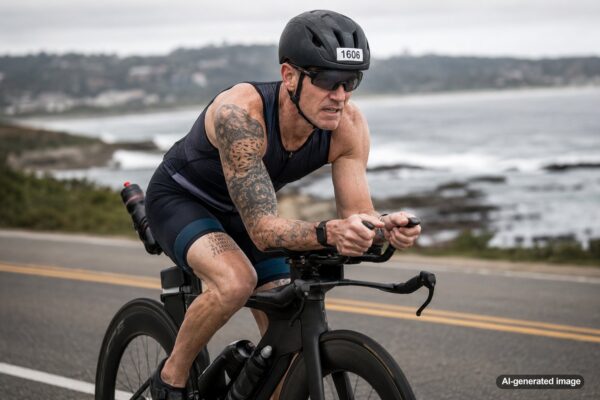
Long solo rides have a way of stripping endurance sport down to its essentials. There is no crowd, no teammate to pull you along, and often no one nearby to notice whether you are riding smoothly or struggling through the next hour. What remains is the conversation between effort, discipline, judgment, and the decision to keep moving.
For triathletes, that makes a long ride more than a fitness session. It can become a laboratory for pacing, patience, preparation, adaptability, and self-awareness. Those lessons matter on race day, but they also reach beyond sport into leadership, work, family, and the way we respond when progress feels slow. Greg Schaefer’s own story sits at the intersection of endurance, business, adversity, and forward motion, which you can explore on his About page.
Quick answer: What do triathletes learn from long solo rides?
- Patience matters as much as power. Starting too hard can create problems hours later.
- Discipline is most revealing when nobody is watching. Solo miles demand internal accountability.
- Small decisions compound. Pacing, fueling, route choices, equipment checks, and attention all shape the day.
- Problems are part of the work. Weather, fatigue, mechanical issues, and changing conditions require calm adjustment.
- Forward progress does not have to look dramatic. Sometimes the strongest move is simply continuing with control.
The ride teaches patience before it teaches speed
A long ride rewards restraint. The first hour can feel deceptively easy, especially when the legs are fresh and the road is open. It is tempting to push the pace because the effort feels manageable in the moment. Experienced endurance athletes learn to think farther ahead.
The question becomes less about what you can do right now and more about what you can sustain. That distinction is one of the central lessons of triathlon. A strong bike split is not especially useful if it leaves an athlete unable to execute the run that follows. Long solo rides create repeated opportunities to practice resisting the urge to spend energy simply because it is available.
There is a broader lesson in that restraint. In business and leadership, as in endurance sport, intensity without judgment can be expensive. Sustainable performance often requires knowing when to press, when to hold back, and when to protect capacity for what comes next.
You find out what discipline looks like without an audience
Group training can provide energy, structure, conversation, and accountability. Solo training removes much of that external reinforcement. When motivation dips at mile 20, 40, or 60, there may be nobody beside you offering encouragement and nobody behind you expecting a certain pace.
That is when discipline becomes less theatrical and more practical. It may look like staying within the planned effort instead of chasing speed. It may mean completing the route you intended rather than cutting it short because the weather turned unpleasant. It can also mean making the smart choice to change a plan when conditions make the original plan unreasonable.
The important distinction is that discipline is not stubbornness. Good endurance athletes learn that consistency and judgment belong together. Following a plan blindly is not always strength. Understanding the purpose of the session and making decisions that protect that purpose is often the more mature form of discipline.
Small choices become impossible to ignore
Long solo rides expose the cumulative effect of small decisions. A rushed equipment check may become irritating two hours from home. Poor route planning can turn a manageable training day into an unnecessarily stressful one. Ignoring early signs of discomfort can make the final miles far less productive.
The same is true of pacing. A handful of aggressive efforts early in the ride may feel insignificant at first, but accumulated fatigue has a way of making earlier choices visible. Long endurance sessions create a delayed feedback loop: what you do now may not reveal its consequences until much later.
That makes the ride a useful lesson in preparation. The glamorous moments in endurance sport are usually built on ordinary habits. Bottles filled. Equipment checked. Route understood. Effort controlled. Details handled before they become emergencies. None of those actions make a dramatic highlight reel, but they are part of what allows an athlete to keep moving effectively.
Being alone develops a different kind of self-awareness
Long solo miles create space to notice patterns that are easier to miss in a group. You hear your own internal commentary. You notice when frustration starts changing your decisions. You learn whether fatigue makes you reckless, negative, impatient, distracted, or overly cautious.
That awareness can be valuable because endurance events are rarely experienced at one emotional setting. Confidence rises and falls. A strong hour can be followed by a difficult one. Conditions change. The athlete who expects every mile to feel good is likely to be surprised. The athlete who learns to observe discomfort without immediately turning it into a crisis has another tool available.
This does not mean pretending everything is fine. It means separating useful information from emotional noise. A real problem deserves attention. A temporary low point may simply require patience. Long rides give athletes time to practice telling the difference.
Problem-solving becomes part of endurance
Solo rides rarely unfold exactly as imagined. A headwind appears on the return route. Temperatures shift. A road is closed. A bottle gets dropped. A mechanical issue interrupts the rhythm. The body may simply feel different from what the training plan suggested it should.
These moments can be frustrating, but they are also practical training. Racing requires adaptation. So does life. The ability to stay calm enough to ask, “What is the next useful decision?” can prevent one problem from becoming five.
Triathletes eventually learn that resilience is often less dramatic than people imagine. It may not look like a heroic surge. It can look like making one intelligent adjustment, then another. Solve the immediate problem. Reassess. Keep going when continuing makes sense. That rhythm reflects the idea behind Greg’s broader message of forward motion: progress can begin with one more step, one more decision, or one more controlled mile. Learn more about that mission through the Forward Motion Fund.
There is value in getting comfortable with quiet progress
Endurance sports contain long stretches where nothing spectacular happens. You pedal. You drink. You eat. You check your effort. You watch the road. You repeat.
That repetition can feel uneventful, but it teaches something important: meaningful progress does not always provide immediate emotional rewards. Sometimes the work is simply the work.
This is especially relevant for athletes accustomed to visible metrics. Speed, distance, power, time, and rankings can all become useful feedback, but they can also tempt people to evaluate every session by whether it produced an exciting number. A long solo ride can remind an athlete that consistency itself has value. Completing purposeful work with patience and control may matter more than creating a memorable training statistic.
The hardest moments become smaller when you narrow the horizon
One of the most useful mental shifts on a long ride is learning not to carry the entire remaining distance at once. Thinking about three more hours when you are already tired can make the task feel enormous. Narrowing the horizon changes the problem.
Get to the next turn. Ride the next section well. Finish the next ten minutes with good attention. Handle what is directly in front of you.
This is not denial of the larger challenge. It is a way of managing it. Endurance athletes often become skilled at breaking intimidating distances into smaller, actionable segments. The same approach can help with business challenges, personal adversity, or any situation where the full distance between today and the desired outcome feels overwhelming.
What people often miss about solo endurance training
The biggest lesson is not that an athlete should become completely self-reliant. Strong athletes still need coaches, training partners, families, medical professionals when appropriate, volunteers, friends, and communities. The value of solitude is different. It gives you a clearer view of what you bring to the work when external encouragement becomes quiet.
You learn which habits hold. You learn how you respond to uncertainty. You learn whether you can stay patient when progress is boring and composed when the plan changes. Those lessons make the miles useful even when the ride itself is never remembered as extraordinary.
Lessons that travel beyond the bike
The best endurance lessons rarely remain confined to endurance sport. Long solo rides reinforce a form of leadership that values preparation over performance theater, consistency over occasional intensity, and adaptability over rigid attachment to the original plan.
They also offer a practical reminder about adversity. Difficult stretches do not always require a grand solution. Sometimes the next useful action is enough. Then another. Momentum can be rebuilt quietly.
For leaders and teams, that perspective can be especially relevant during periods of change. There will be moments when the finish line is not visible, when feedback is incomplete, or when enthusiasm has faded. The habits developed during those stretches often matter more than the energy available at the beginning.
Frequently asked questions
Why are long solo rides useful for triathletes?
They create an environment where athletes can practice pacing, sustained focus, preparation, independent decision-making, and mental patience without relying heavily on group momentum.
Are solo rides better than group rides?
They serve different purposes. Group rides can provide community, variety, skill development, and external motivation. Solo rides can make it easier to control effort, follow a specific training objective, and practice the self-management required during long-course racing. A balanced training approach may include both depending on the athlete and the goal of the session.
What is the biggest mental lesson from a long ride?
For many athletes, it is learning to manage the distance in front of them without becoming overwhelmed by the entire task. Staying focused on the next useful action can make a difficult session more manageable.
What should a triathlete pay attention to during a solo ride?
Beyond the workout itself, it can be useful to notice pacing decisions, concentration, emotional reactions, preparation habits, and how calmly you respond when conditions change. Those patterns often reveal as much as the final distance or speed.
Can lessons from endurance training apply to leadership?
Yes. Concepts such as patience, preparation, adaptability, sustainable effort, and decision-making under fatigue have clear parallels in leadership and entrepreneurship. The environments differ, but the discipline of continuing to make useful decisions over a long horizon is relevant in both.
Interested in bringing Greg’s message to your event or organization?
Learn more about Greg’s speaking work or get in touch to start the conversation.
Contact Greg or learn more about the Forward Motion Fund.
This article is for educational purposes only and is not medical advice. For diagnosis, treatment, or personalized medical guidance, please speak with a qualified healthcare professional.