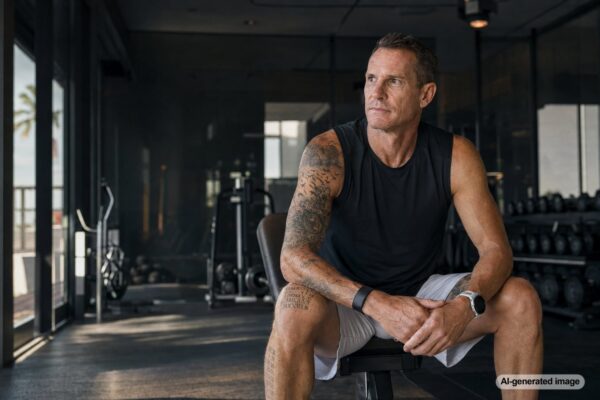

Why 19 Ironman Finishes Are Just The Beginning
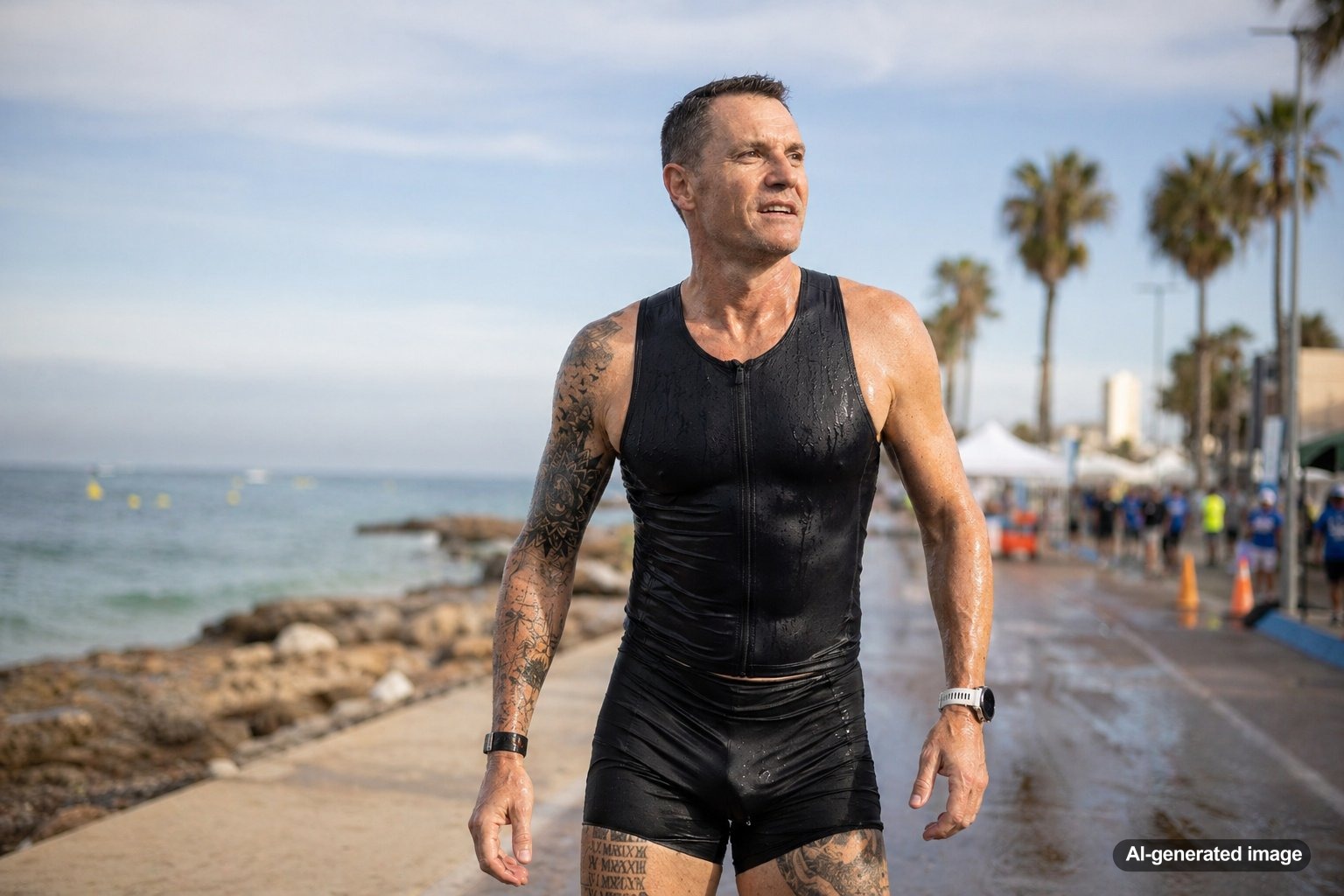
Nineteen Ironman finishes can sound like a complete story. For most people, even one would be enough to define a chapter of discipline, sacrifice, and endurance. But for Greg Schaefer, 19 finishes are not a closing line. They are proof of a larger pattern: keep showing up, keep adapting, keep moving forward when life changes the course.
That number carries weight, but it does not explain everything behind it. It does not capture the early mornings, the family support, the business years, the setbacks, the diagnosis of Young-Onset Parkinson’s, or the decision to return to the start line in May 2024 after a year of uncertainty and pain. The real story is not just that Greg has finished 19 Ironman races. The real story is what those finishes have built in him, and what they are still helping him build next.
Quick answer
- Nineteen Ironman finishes are a milestone, but not the endpoint of Greg’s story.
- The races represent discipline, resilience, leadership, family support, and the ability to adapt through hard seasons.
- After being diagnosed with Young-Onset Parkinson’s in 2023, Greg’s relationship with endurance became even more meaningful.
- His next chapter connects athletics with speaking, advocacy, mission work, and the Forward Motion Fund.
- The message is simple but demanding: One More Step… Just One More.
The number matters, but the meaning matters more
An Ironman finish is not only a race result. It is a record of decisions made long before race day: training when it is inconvenient, recovering when the body is tired, listening when something needs to change, and staying patient when progress is not dramatic.
Multiply that by 19 and the story becomes less about a medal count and more about a practiced way of living. Endurance has a way of revealing character because there is nowhere to hide from the work. You learn what happens when the plan breaks. You learn how to keep moving when the easy version of the day disappears. You learn that strength is often quieter than people think.
That is why Greg’s Ironman background connects naturally to his work as a speaker. The lessons are not abstract. They were tested on long roads, in open water, on hard bike courses, in business leadership, in family life, and in the uncertainty that followed his Parkinson’s diagnosis. To learn more about the broader story behind that perspective, visit Greg’s About page.
Endurance is not the same as refusing to struggle
One of the most overlooked truths about endurance is that it does not mean feeling strong all the time. In fact, endurance often begins when strength feels limited. It is the choice to stay engaged with the next possible step instead of being overwhelmed by the entire distance.
That distinction matters. Greg’s story is not about pretending Parkinson’s is easy, simple, or inspirational in a shallow way. Parkinson’s can affect movement, energy, planning, family rhythms, and identity in ways that vary widely from person to person. For Greg, returning to racing after diagnosis did not erase the challenge. It gave him a way to keep living in motion while acknowledging that life had changed.
That is a stronger message than empty positivity. It gives people permission to be honest and still be active participants in their own next chapter.
What 19 finishes can teach leaders and teams
Endurance sports often look individual from the outside, but no one reaches an Ironman finish line alone. There are families, coaches, friends, volunteers, medical professionals, colleagues, training partners, and support systems behind the athlete. The same is true in organizations.
Leaders and teams can learn a great deal from endurance when they look beyond the race itself. Here are a few practical lessons that translate directly into business and life:
- Pacing matters. A team that burns all its energy early may look impressive for a short stretch, but sustainable performance requires discipline.
- Adaptation is a skill. Weather changes, injuries happen, markets shift, diagnoses arrive, and plans need to be adjusted without abandoning the mission.
- Support systems are not secondary. The strongest performers often have the clearest understanding of who helps them keep going.
- Small decisions compound. Ironman training is built through repeated choices. So is leadership credibility.
These are the kinds of lessons that make endurance more than a personal accomplishment. They become a framework for how people face pressure, uncertainty, and long-term goals. For organizations looking for a grounded message on resilience and performance, Greg’s speaking work brings that perspective into rooms where teams need it most.
The diagnosis changed the context, not the commitment
Greg was diagnosed with Parkinson’s in 2023 at age 48. That diagnosis became part of his story, but it did not replace everything else that made him who he is. He is still a dad, husband, CEO, endurance athlete, entrepreneur, advocate, and speaker. The point is not to reduce a person to a diagnosis. The point is to understand how a diagnosis can reshape the meaning of motion.
For many people, a life-altering diagnosis creates a before and after. There may be grief, confusion, fear, questions, and practical decisions that require time and support. Greg’s return to the start line in May 2024 was not a denial of that reality. It was a statement that forward motion could still exist inside it.
That is why the phrase One More Step… Just One More carries weight. It does not promise that everything becomes easy. It simply asks what the next possible step might be.
The next chapter is bigger than racing
If the story stopped at 19 Ironman finishes, it would still be impressive. But Greg’s platform is not built around a race count alone. It is built around the intersection of endurance, family, business leadership, Parkinson’s advocacy, speaking, and mission-driven impact.
The Forward Motion Fund grew from that same decision to keep moving forward. Its mission supports Parkinson’s research, partner and caregiver support, challenged athletes, and youth and education initiatives through aligned organizations. That makes the next chapter less about personal achievement and more about turning lived experience into something useful for others.
In that sense, 19 finishes are not a trophy case. They are a foundation. They helped shape the discipline, humility, patience, and credibility Greg now brings to conversations about resilience, leadership, adversity, and purpose.
What people often miss
People often focus on the dramatic parts of an endurance story: the finish line, the diagnosis, the comeback, the headline number. But the most meaningful part may be less visible. It is the daily decision to stay connected to purpose when the circumstances are not ideal.
That is where Greg’s story becomes relatable even to people who have never raced an Ironman. Everyone has a version of the long course. Everyone has moments when the finish line is not visible. The work is to keep choosing the next honest step.
FAQ
Why is 19 Ironman finishes significant?
Nineteen Ironman finishes represent years of training, discipline, sacrifice, and resilience. For Greg, the number is meaningful not only because of the athletic achievement, but because it reflects a mindset that now informs his speaking, advocacy, leadership, and mission work.
Is Greg Schaefer still racing after his Parkinson’s diagnosis?
Yes. After being diagnosed with Parkinson’s in 2023 at age 48, Greg returned to the start line in May 2024 and is still racing. His return is part of a broader message about adapting, staying engaged, and continuing forward motion.
What does One More Step… Just One More mean?
One More Step… Just One More is a simple expression of Greg’s approach to adversity. It focuses on the next possible action rather than the entire distance ahead. It is not about pretending challenges do not exist. It is about staying in motion with honesty and purpose.
How does Greg use his Ironman experience in speaking?
Greg connects endurance lessons to real-world themes such as leadership, resilience, pressure, teamwork, family, uncertainty, and purpose. His message is grounded in lived experience rather than generic motivation.
How can someone support Greg’s mission?
Readers can learn more about the Forward Motion Fund, share Greg’s story, explore his speaking work, or connect with mission-aligned organizations that support Parkinson’s research, caregiver support, challenged athletes, and youth initiatives.
Interested in bringing Greg’s message to your event or organization?
Learn more about Greg’s speaking work or get in touch to start the conversation.
Contact Greg or learn more about the Forward Motion Fund.
This article is for educational purposes only and is not medical advice. For diagnosis, treatment, or personalized medical guidance, please speak with a qualified healthcare professional.